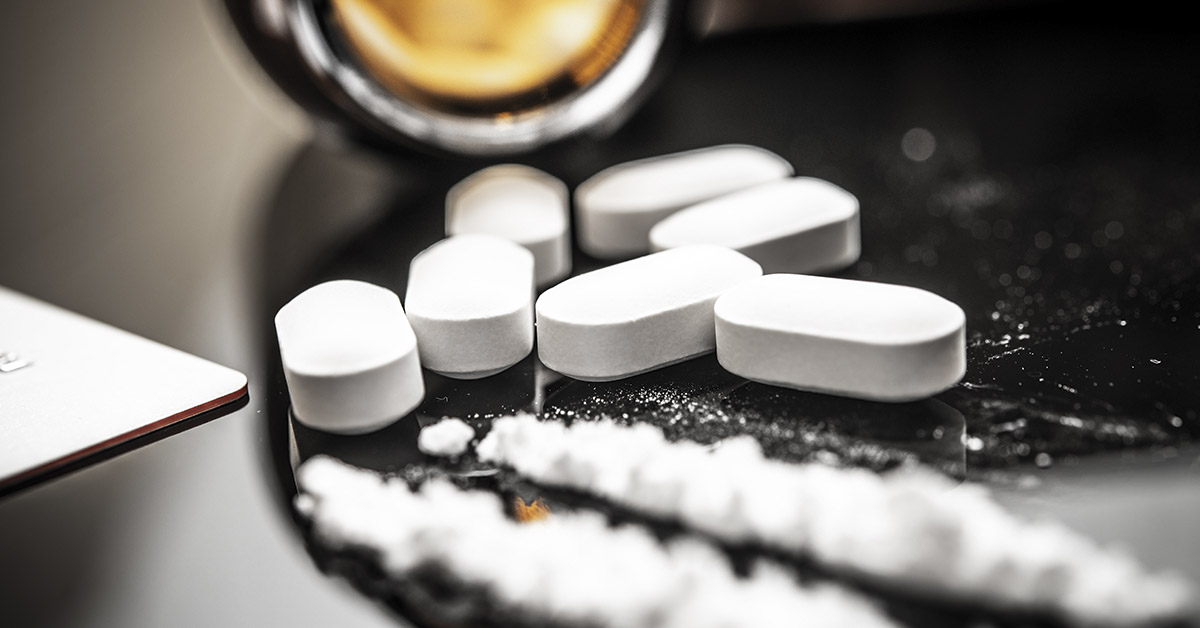

As the opioid crisis continues to rage on, there is a new version that is causing alarm across multiple continents. This new synthetic opioid, called Nitazenes, is considered to be even more dangerous than fentanyl and represents a serious public health threat. This is everything you need to know about this dangerous new drug: What it is, its original purpose and use, why it is so deadly, overdose symptoms, and the current landscape surrounding the drug.
What Are Nitazenes?
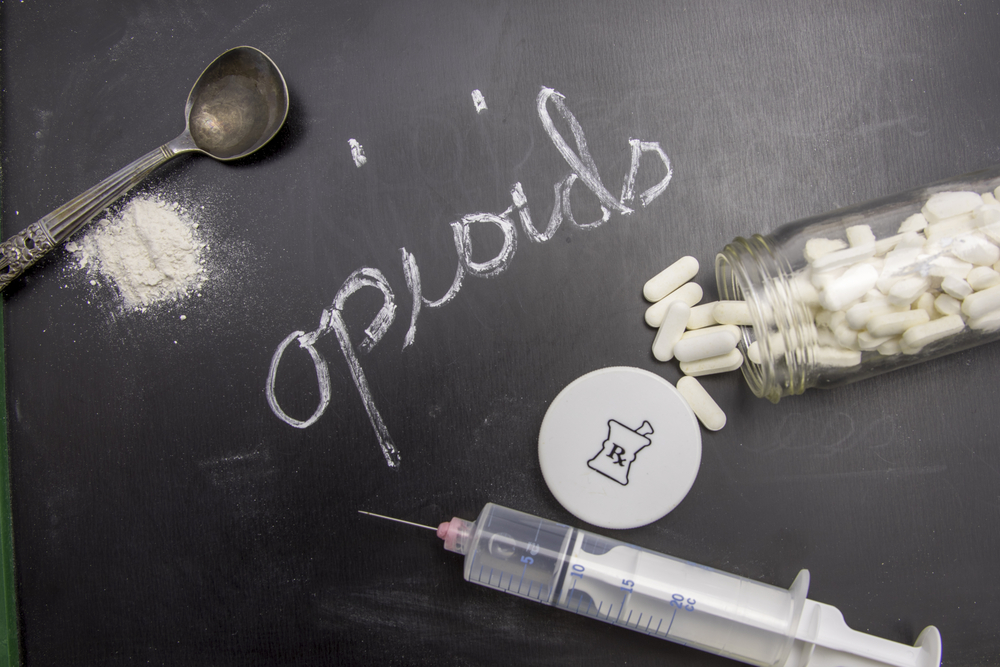
Nitazenes belong to a class of synthetic opioids structurally related to morphine and codeine. They were originally developed in the 1950s as potential pain management medications, but the pharmaceutical industry largely abandoned them. In recent years, however, their chemical properties have attracted illicit manufacturers who have introduced Nitazenes into the illegal drug market.
These drugs have been given the name “Frankenstein drugs” due to their synthetic nature and the unknown risks that come with their informal production and distribution. Despite this ‘unprofessional’ production, Nitazenes are highly potent – and dangerous. Some experts estimate that some Nitazens are approximately five times stronger than fentanyl, the notorious synthetic opioid known for causing overdoses.
Medical Use and Illicit Emergence
Despite their origins as experimental painkillers, Nitazenes are not approved for medical use today. Rather, these substances have somehow found their way into the illicit drug supply. Often, they are mixed with or disguised as other drugs. Users commonly receive Nitazenes laced in:
- Heroin
- Cocaine
- Synthetic cannabinoids
- Party drugs
- Illicit benzodiazepines
- Illegally sold vapes
Many users consume Nitazenes unknowingly because they are often hidden in other drugs. It’s this lack of knowledge that the opioid is there that dramatically increases the risk of accidental overdose.
Why Are Nitazenes So Dangerous?
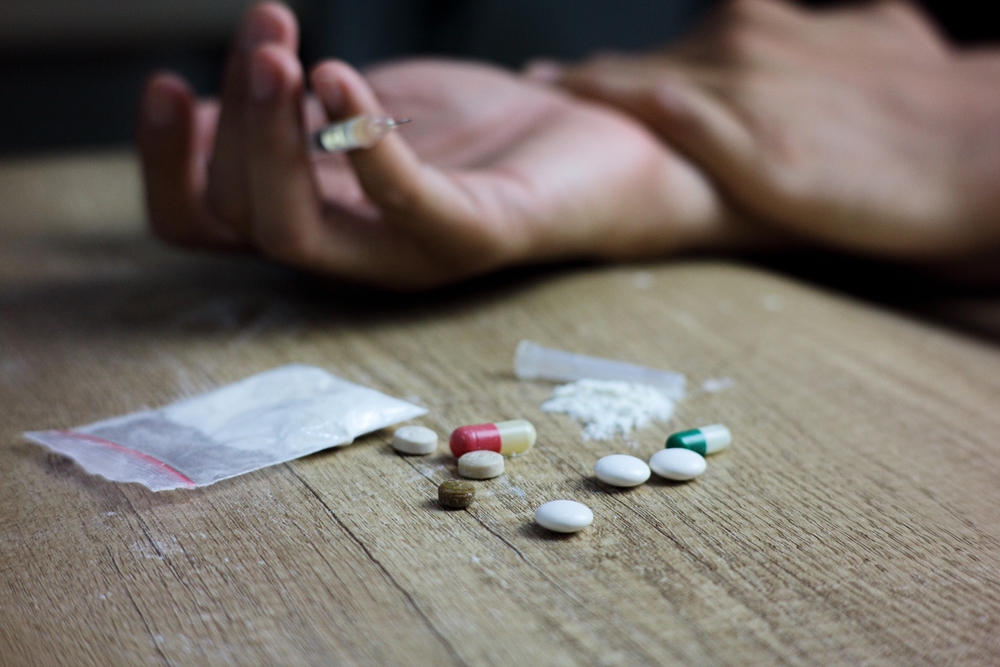
Opioids are dangerous, no matter which opioids you’re talking about. Of course, those approved for medical use and used correctly under the supervision of a trained doctor have their purpose and can help many people manage pain. It is when these drugs are used incorrectly, abused, and find their way into the illicit drug market that we begin to have problems. There are several factors that make Nitazenes, however, even more dangerous than other opioids on the market, and governments and healthcare providers face challenges in harm reduction and controlling the spread.
Extreme Potency
Nitazenes’ strength is even greater than that of fentanyl, which is already thousands of times stronger than morphine. This means that even tiny amounts of the drug can cause severe effects and fatalities.
Unregulated Production
Nitazenes are made in underground labs that have no quality control measures. This leads to unpredictable concentrations as well as contaminants. Even someone who has knowingly used this drug before could take a fatal dose, simply because what they received was stronger than they’d had previously.
Hidden Presence
Oftentimes, people consume Nitazenes unknowingly. This is because of their use as adulterants in a wide variety of street drugs. A user may purchase a drug they use regularly, not knowing that it has been laced with this powerful opioid.
Rapid Spread
Nitazenes are some of the most rapidly spreading drugs, having now crossed oceans and spanned continents. Since 2019, Nitazens have been detected not only across the European continent, but also across the United States and even parts of West Africa. This international reach is troubling, and many fear that the spread will only continue.
How Nitazenes Are Leading to Deaths

Government data shows that hundreds of deaths across Europe and other regions have been connected to Nitazenes use in recent years. Between June 2023 and January 2025, records from the UK identified approximately 400 fatalities connected to the use of Nitazenes. Deaths most often occur because of overdose-induced respiratory depression, where breathing slows or stops. The drug’s extreme potency means that accidental overdose can happen quickly. This is especially true when users are unaware that they have ingested the opioid. For example, two people in London died after allegedly taking oxycodone laced with Nitazenes. In another case, a 23-year-old died from cardiac arrest in 2023 after consuming xanax illicitly cut with Nitazenes. Experts are warning that this is likely only the tip of the iceberg, as this drug continues to spread and become more prominent.
Recognizing Overdose Symptoms
Recognizing the symptoms of Nitazenes overdose is the key to saving lives. While you may not use any drugs yourself, you may be able to help someone else who is experiencing an overdose if you know the signs. Nitazenes overdose symptoms include:
- Shallow or slowed breathing
- Bluish tint to lips and skin (called cyanosis)
- Loss of consciousness or difficulty waking
- Pinpoint pupils
- Severe sedation
If left untreated, Nitazenes overdose rapidly leads to death. Immediate medical attention is of the utmost importance.
Treatment for Nitazene Overdose
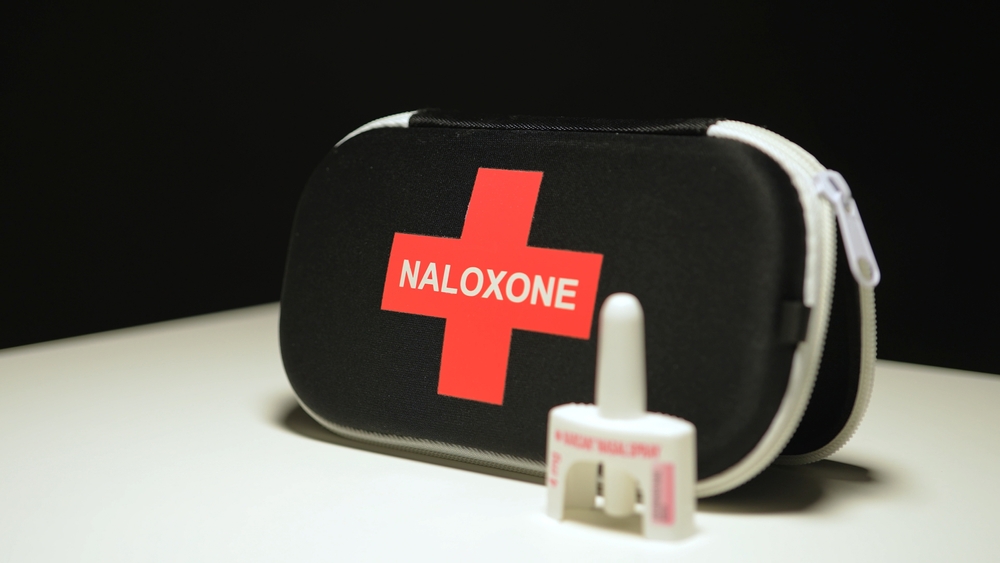
The principal treatment for Nitazene overdose is the same as with other opioids: naloxone, known more commonly as Narcan. Naloxone is an opioid antagonist that can rapidly reverse the life-threatening respiratory depression that opioids cause. The treatment is the same, the administration for a Nitazenes overdose looks different. Due to its extreme potency, multiple doses of naloxone may be required to reverse a Nitazenes overdose. Additionally, naloxone is only a temporary reversal that buys the individual more time. Emergency medical services must immediately follow; otherwise, the overdose will continue. Access to and use of naloxone is critical for people who use drugs, their friends, family, and first responders in order to save lives.
The Broader Crisis and Public Health Response
Nitazenes are becoming a growing public health crisis. A spokesperson from the UK’s drug charity Change Grow Live described Nitazens to the Wall Street Journal as potentially “the biggest public health crisis for people who use drugs in the UK since the AIDs crisis in the 1980s.” This crisis, however, isn’t only in the UK – it is international in scope. According to Adam Holland, a synthetic opioids expert at the University of Bristol, Nitazenes have been detected on every continent, and the illicit drug market continues to evolve rapidly. For example, the opioids have been detected in synthetic drug mixes such as “kush” in West Africa and in multiple US states. This further indicates the global scale of the problem.
What Can You Do?
What you can do to help all depends on your individual circumstances. For people who use drugs – any drug purchased by illicit means, including marijuana and party drugs, there are several harm reduction strategies that can be employed. Naturally, many people’s first reaction will be to say not to use drugs at all, which of course, is one strategy to avoid the problem entirely. Otherwise, you can:
- Avoid street drugs of unknown origin or composition
- Carry and know how to use naloxone
- Seek confidential advice and support (there are hotlines you can call depending on the country or region where you live who can help).
If you have friends or family members who use drugs, be sure to talk to them about Nitazenes and make sure they understand the risks. You, yourself, can carry naloxone on you or have it in your home and make sure you have been trained in how to administer it. If you suspect that someone has overdosed, call emergency services immediately and, if trained, administer naloxone.
The Bottom Line
Street drugs, no matter what kind you are using, come with inherent risks. They are unregulated and have no quality control, so you can ultimately never be 100% sure of what you are receiving. Again, the best way to protect yourself against this dangerous new opioid is to simply not take drugs, period. Nitazenes represent a dangerous new frontier in the opioid crisis: a class of synthetic opioids far more potent than fentanyl, proliferating under the radar in street drugs around the world. Their high potency, presence in mixed drug products, and associated overdose deaths pose an urgent challenge for healthcare providers, public health officials, and communities. Efforts to increase awareness, improve drug checking, expand naloxone access, and offer support to those affected will be critical to mitigating the harm caused by Nitazenes as this crisis continues to unfold.
Read More: Gabapentin – The Latest Drug Contributing to the Opioid Crisis