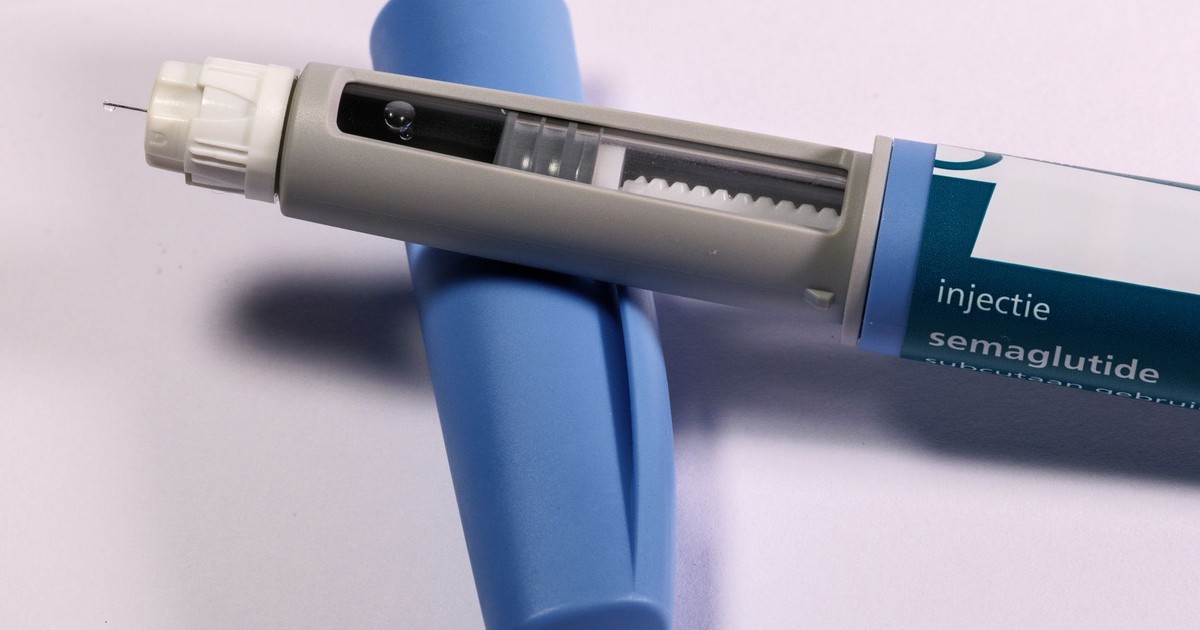

GLP-1 drugs – best known as Ozempic, Wegovy, Mounjaro, and Zepbound – cut the risk of some cancers more effectively than diet and exercise alone. That finding has emerged from multiple independent studies presented at the American Society of Clinical Oncology’s 2026 annual meeting, and the numbers are striking enough to reframe how doctors think about these medications entirely.
Losing body fat reduces cancer risk on its own – that part has been understood for years. What researchers didn’t expect was evidence that GLP-1 drugs may offer protection that goes beyond the weight loss they produce. Studies suggest the drugs not only reverse the cancer-promoting effects that come with obesity, but may also carry additional anti-inflammatory effects that help suppress tumors. That second pathway has significant implications: even patients who don’t achieve dramatic weight loss may still derive some cancer-protective benefit from these medications.
The backdrop to all of this is a worsening public health problem. According to the CDC, overweight or obesity is associated with 13 types of cancer, which together make up 40% of all cancers diagnosed annually in the United States. And the trend is moving in the wrong direction. The Endocrine Society reports that cancer deaths linked to obesity have tripled over the past two decades. With millions of people already on these drugs for diabetes and weight management, the question of whether they also reduce cancer risk has become one of the most consequential in oncology. Here are 7 ways that GLP-1’s may help reduce cancer risk.
1. GLP-1 Drugs May Reduce Overall Cancer Risk by 41% Compared to Diet and Exercise
A large observational study published in the Annals of Oncology found a potential link between taking GLP-1 medications and a decrease in the overall risk of developing obesity-related cancers in people without diabetes. That link, when quantified, is substantial. Senior author Aparna Kamat, MD, director of the Division of Gynecologic Oncology at Houston Methodist Hospital, noted: “Identifying additional benefits could help us understand the biological pathways influenced by these drugs and uncover new opportunities for disease prevention and treatment, including cancer prevention.”
Compared to participants who relied on diet and exercise counseling alone, scientists found that GLP-1 medications, such as Ozempic and Wegovy, are linked to a decrease in the overall risk of developing obesity-related cancers, with particularly notable effects on colorectal, pancreatic, and endometrial cancers. Medical News noted that participants taking GLP-1 medications had a 41% decrease in overall cancer risk compared to those receiving diet and exercise counseling.
These are observational findings, not randomized controlled trials – meaning researchers tracked real-world outcomes rather than assigning treatments randomly. That limits what can be concluded about direct cause and effect. Still, the consistency of the signal across multiple independent datasets makes dismissing it difficult. Elizabeth McDonald, MD, PhD, a professor of Radiology at the University of Pennsylvania Perelman School of Medicine and a practicing breast radiologist at Penn’s Abramson Cancer Center, says the protective effects with GLP-1s appear greater than with other treatments or lifestyle changes.
2. Endometrial Cancer Risk Drops by 58% in GLP-1 Users
Among the cancers where GLP-1 drugs appear most protective, endometrial cancer – cancer of the uterine lining – shows one of the most dramatic reductions. According to Medical News Today’s coverage of the study, GLP-1 users showed a 58% lower risk of endometrial cancer compared to those on other weight management approaches.
Anton Bilchik, MD, PhD, surgical oncologist and director of the Gastrointestinal and Hepatobiliary Program at Providence Saint John’s Cancer Institute in Santa Monica, said the drugs “may have a more direct effect on cancer reduction regardless of weight loss,” adding that “hormone-responsive cancers, such as ovarian and endometrial cancers, had the most significant reduction, suggesting an alternative mechanism for cancer reduction that has not been described before.”
Obesity is known to raise estrogen levels through fat tissue, which in turn drives endometrial cell growth. The scale of the reduction seen here, 58%, suggests GLP-1 drugs may be dampening this process through metabolic pathways that extend beyond fat loss alone. Any woman with obesity who is at elevated risk for endometrial cancer should ask her doctor whether GLP-1 therapy is appropriate for her situation.
3. Breast Cancer Risk Falls by 30 – 47% in Women Taking GLP-1 Drugs

The Penn Medicine study sets the stage for a multi-site clinical trial. A retrospective analysis of more than 110,000 women between the ages of 45 and 80, published in JCO Oncology Practice, found that those who took GLP-1 medications were about 30% less likely to develop breast cancer than those who did not, according to research presented at the 2026 ASCO Annual Meeting by Elizabeth McDonald, MD, PhD.
A separate analysis extended that estimate further. A real-world cohort study presented at ASCO 2026 found that women with type 2 diabetes or obesity who used GLP-1 receptor agonists had a 30 – 47% lower breast cancer risk compared to non-users. The effect persisted after adjustment for weight loss. Because the protective effect remained even after researchers statistically accounted for weight loss, it suggests the drugs themselves – not just the pounds shed – may be doing some of the work.
Beyond mammography or MRI screening, medical or surgical interventions to reduce breast cancer risk are limited and potentially life-altering. Prophylactic mastectomy is recommended for some people with certain genetic mutations that significantly raise lifetime risk. And while tamoxifen is highly effective at reducing breast cancer incidence in high-risk patients, uptake is limited due to known side effects. A pill already being widely prescribed for diabetes and obesity that may also cut breast cancer risk by up to 47% is, for oncologists, a genuinely new kind of option – one that clinical trials are now being designed to test properly.
4. Colorectal Cancer Risk Reduced by 36% Compared to Aspirin
The most prominent ASCO 2026 study tracked medical and prescription records of over 10,000 patients with early-stage cancer, finding GLP-1s reduced cancer risk in 6 out of 7 cancers. Breast, liver, colorectal, and non-small cell lung cancer risks declined significantly.
For colorectal cancer specifically, GLP-1 drugs showed a 36% lower risk compared to aspirin – noteworthy because low-dose aspirin has long been recommended as a colorectal cancer preventive for high-risk patients. Among people with a family history or personal risk for colon cancer, that same source reported a 42% risk reduction. Not all GLP-1 drugs appear equally effective here: semaglutide (Ozempic, Wegovy), liraglutide, and dulaglutide showed significant effects, while tirzepatide did not reach statistical significance in that analysis.
A 2025 study from UC San Diego added a striking survival dimension: patients on GLP-1 medications had less than half the mortality rate of non-users following a colorectal cancer diagnosis. That’s a benefit that extends not just to prevention but to outcomes for those already diagnosed. A 2026 meta-analysis published in Frontiers in Pharmacology further confirmed that GLP-1 receptor agonists are not associated with increased gastrointestinal cancer risk and may actually reduce colorectal and liver cancer incidence.
5. GLP-1 Drugs Slow Metastatic Progression by 38 – 50% Across Four Solid Tumor Types
Even for patients already diagnosed with early-stage cancer, GLP-1 drugs may reduce the chance of the cancer spreading. A study presented at ASCO 2026 used real-world data to compare GLP-1 drugs and DPP-4 inhibitors (a different class of diabetes medication) on cancer progression across seven obesity-related cancers: breast, prostate, non-small cell lung, colorectal, liver, kidney, and pancreatic. Researchers aimed to find out if people who took GLP-1s were less likely to progress to metastatic cancer.
The study included the health records of 12,112 people in the TriNetX database who had one of those seven cancer types at stage I, II, or III. According to Oncology Central’s coverage of the research, patients on GLP-1 drugs were 38% to 50% less likely to develop stage IV cancer than those on DPP-4 inhibitors. Lung, breast, colorectal, and liver cancers showed the strongest effect.
Lead study author Mark David Orland, MD, of the Taussig Cancer Institute at Cleveland Clinic, said: “Our study found that use of GLP-1 drugs was associated with a meaningful reduction in cancer progression across four solid tumor types. It provides early evidence that future studies are worth pursuing.” For patients currently managing early-stage cancer alongside diabetes or obesity, this is a finding worth discussing with an oncologist.
6. A 170,000-Person Study Found 7% Lower Overall Cancer Risk and 8% Lower All-Cause Mortality

Not every finding in this space involves dramatic percentage reductions. The largest study to date – and arguably the most methodologically careful – paints a more conservative but still meaningful picture. An analysis of more than 170,000 patients, presented at the 2025 American Society of Clinical Oncology Annual Meeting, found GLP-1 drugs were associated with a 7% decrease in obesity-related cancers compared to DPP-4 inhibitor users.
Lucas A. Mavromatis, a medical student and research assistant in the Division of Precision Medicine at NYU Grossman School of Medicine, said: “Findings extend the value of GLP-1 medicines beyond blood sugar control, weight, heart, and kidney health to potential cancer prevention in adults who are high-risk.” The study also found an 8% lower risk of death from any cause among GLP-1 users, according to the ASCO press release.
Mavromatis also cautioned that “the effect size is small, follow-up was short, and assessed medications are primarily weaker, ‘diabetes dose’ formulations; long-term studies are needed to confirm the durability of effect and safety.” That caveat is important. Ozempic is prescribed at a lower dose than Wegovy – and most of the patients in this dataset were on the diabetes dose, not the higher obesity dose. If larger doses confer more protection, the 7% figure may underestimate the real-world benefit for obesity patients on full-strength GLP-1 therapy.
7. The Cancer Protection May Come From Anti-Inflammatory Pathways, Not Just Weight Loss
GLP-1 receptors are expressed directly on certain cancer cells – meaning the drugs could be acting on tumors themselves, not just reducing the body weight that promotes cancer growth. That biological detail has become central to how researchers interpret the findings above.
In animal studies, tirzepatide – the dual-receptor drug sold as Zepbound – appears to target tumors in breast and endometrial cancer, possibly by reversing the inflammatory effects of obesity and inhibiting tumor growth. Mark David Orland, MD, of Cleveland Clinic’s Taussig Cancer Institute, whose team analyzed GLP-1 receptor expression across seven tumor types, found that patients with tumors densely packed with GLP-1 receptors were 33% less likely to die during the follow-up period, with breast cancer showing the greatest survival benefit, at a 45% risk reduction.
Studies in preclinical models suggest that semaglutide and tirzepatide may inhibit tumor development. The anti-cancer effects may be related to both weight-dependent and weight-independent pathways – for example, semaglutide is associated with a reduction in inflammation and oxidative stress. Chronic inflammation is a known driver of tumor development, and GLP-1 drugs appear to reduce it through mechanisms that work whether or not the patient loses substantial weight. According to Scientific American’s coverage of the 2026 research, GLP-1 drugs could be working directly on inflammation as a key driver linked to tumor development. Clinical trials in this area are planned, including trials that will evaluate GLP-1 therapy specifically for cancer prevention and treatment, according to a study published in the Journal of Clinical Investigation.
Read More: Reddit Analysis Suggests Some GLP-1 Users Report Unlisted Symptoms
What the Evidence Means Right Now

Current evidence suggests that GLP-1 weight loss drugs do not increase cancer risk and may help reduce the risk of several obesity-related cancers by addressing one of cancer’s most important modifiable drivers: excess body weight. The seven findings outlined here span multiple cancer types – endometrial, breast, colorectal, liver, lung, and others – with risk reductions ranging from a modest 7% in the most conservative large-scale analysis to 58% for endometrial cancer in more targeted studies.
These are still largely observational data. No randomized controlled trial has yet confirmed that GLP-1 drugs prevent cancer in people who take them specifically for that purpose. The studies vary in population – some included only diabetic patients, others focused on non-diabetic adults with obesity – and follow-up periods have generally been short, averaging around two years. Longer trials with higher doses are needed before oncologists can recommend these medications for cancer prevention as a standalone strategy. For anyone already taking a GLP-1 drug for diabetes or obesity, the cancer protection signal is a clinically relevant bonus that their doctor should know they’re aware of. And for anyone with obesity or type 2 diabetes who also carries a personal or family history of colorectal, endometrial, breast, or liver cancer, the cancer prevention question is now one worth raising directly at their next appointment.
Disclaimer: The author is not a licensed medical professional. The information provided is for general informational and educational purposes only and is based on research from publicly available, reputable sources. It is not intended to constitute, and should not be relied upon as, medical advice, diagnosis, or treatment. Always consult a licensed physician or other qualified healthcare provider regarding any medical condition, symptoms, or medications. Do not disregard, avoid, or delay seeking professional medical advice or treatment because of information contained herein.
AI Disclaimer: This article was created with the assistance of AI tools and reviewed by a human editor.
Read More: Your Heart May Be Warning You About Cancer Risk Years Early