

Twelve years before a neurologist finally puts a name to what’s happening, a person with multiple sclerosis may have already been sitting in a psychiatrist’s office. That detail comes from a large 2025 cohort study published in JAMA Network Open in August 2025, which tracked 25 years of healthcare records for 2,038 people who went on to develop MS, compared against a matched group of more than 10,000 people who did not.
Marta Ruiz-Algueró, PhD, a postdoctoral fellow at the University of British Columbia and the study’s first author, described the pattern as “a long and complex prodromal phase – where something is happening beneath the surface, but hasn’t yet declared itself as MS.” The word prodromal simply means a period of early, non-specific symptoms that precede the recognized onset of a disease. In MS, that window appears to stretch far longer than anyone previously mapped.
The research team, which also included Feng Zhu, Anibal Chertcoff, Yinshan Zhao, Ruth Ann Marrie, and Helen Tremlett, wrote that their findings “suggest that MS may begin much earlier than previously recognized, with mental health-related issues as early indicators, highlighting opportunities for earlier identification and intervention.” The challenge is that the earliest signals are exactly the kind of complaints that get attributed to stress, burnout, or a dozen other causes – which is precisely why people keep missing them.
Broader population-based research now suggests that an MS prodromal phase is detectable at least five years before MS symptom onset, and possibly up to 20 years in people who develop primary progressive MS. The question isn’t whether these early signs exist – the data confirms they do. The question is what they actually look like, and how to distinguish them from the white noise of everyday health complaints.
The 2025 study that reframed MS’s timeline

The British Columbia study drew on insurance data covering both hospital and doctor visits, as well as the provincial MS clinical database, to establish exactly when participants first experienced recognized MS symptoms. The data stretched back 25 years before each person’s first recognized symptom, giving researchers a longer retrospective window than most prior studies had attempted.
The findings broke down into clear time-banded clusters. Some 15 years before symptom onset, general practitioner visits climbed, driven by fatigue, pain, dizziness, and mental health complaints. At 12 years before, psychiatrist visits rose. Three to five years out, emergency medicine and radiology visits began increasing. In the final year before the first recognized symptom, physician visits across multiple specialties peaked – neurology, emergency medicine, and radiology all spiking simultaneously. Neurologist visits alone were more than five times as high for people who went on to develop MS compared with those who didn’t.
The longer timeline – the quiet 15-year buildup – is what makes this study significant for people who haven’t yet been diagnosed. Recognizing the pattern requires knowing what to look for across nearly two decades of symptoms.
1. Mental health symptoms — Anxiety and depression

In the British Columbia cohort, mental health-related visits were among the very first measurable signals to rise – long before any neurological complaint appeared on a chart. Ruiz-Algueró and her colleagues noted that mental health-related issues, fatigue, pain, and mood disturbance are consistent early features of prodromal MS appearing years before formal diagnosis.
Depression doesn’t just appear as a reaction to living with a difficult condition. In many cases, it precedes the formal diagnosis by a decade or more. According to Johns Hopkins Medicine, depression can occur in up to 50 percent of MS patients and is three times more common than in the general population. Anxiety follows a similar pattern. Because these symptoms can be traced to dozens of other causes, they rarely trigger a referral to a neurologist – which is exactly why they go unconnected to MS for so long. If anxiety or depression persists without a clear trigger, or doesn’t respond to standard treatment, mentioning it to a doctor in the context of your full symptom picture is worthwhile.
2. Persistent, unexplained fatigue

Fatigue is consistently listed as one of the most common features MS patients report, alongside muscle weakness, numbness, vision problems, and balance issues. What makes MS-related fatigue distinctive is that it often doesn’t track with how much someone has actually exerted themselves – it can appear after minimal activity, in the middle of the day, or upon waking.
In the British Columbia data, general practitioner visits for fatigue began climbing approximately 15 years before a person’s first recognized MS symptom, making it one of the earliest detectable signals in the entire dataset. Population-based studies consistently show increased prevalence of fatigue, pain, and psychiatric disturbances years before diagnosis in people who go on to develop MS.
Fatigue is also a symptom of thyroid disorders, sleep apnea, and anemia, which is precisely what delays its connection to MS. The distinguishing pattern is fatigue that is disproportionate to activity, worsens with heat (a hallmark of MS), and accompanies other items on this list without a clear alternative explanation. Tracking fatigue with a simple daily journal, noting when it appears and what preceded it, gives a clinician something concrete to work with.
3. Vision changes and early MS symptoms in the eyes
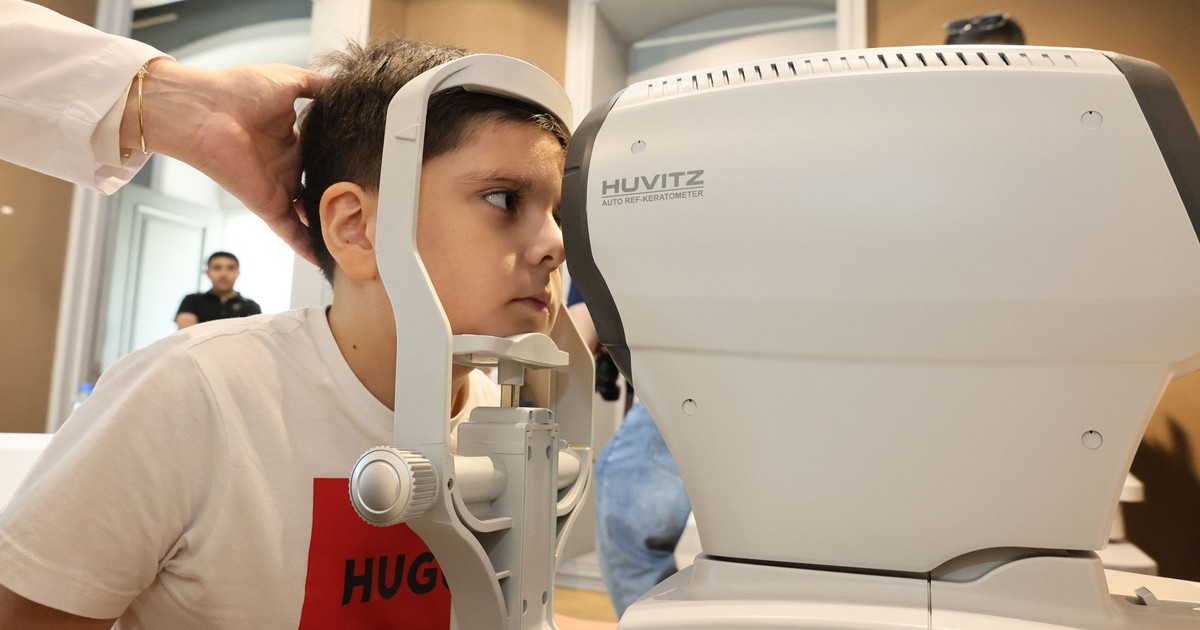
According to the National Institute of Neurological Disorders and Stroke, multiple sclerosis is a chronic neurological disorder in which people can experience symptoms including cognitive changes, vision changes, and even paralysis. Vision problems are among the most recognizable early MS symptoms – and one of the key reasons ophthalmology visits began rising eight to nine years before diagnosis in the study cohort, according to the 2025 JAMA Network Open research.
The eye symptom most commonly linked to early MS is optic neuritis – inflammation of the optic nerve that carries visual signals from the eye to the brain. Research published in the Archives of Physical Medicine and Rehabilitation found that close to 40% of individuals with MS had optic neuritis as their first reported symptom. The presentation typically includes blurred vision or a reduction in sharpness in one eye, pain behind the eye that worsens with eye movement, or a temporary loss of color vibrancy. These episodes often clear up within weeks, which is part of why they don’t always prompt a full neurological workup – but they should.
4. Numbness, tingling, and abnormal sensations

Paresthesia – the clinical term for abnormal sensations including numbness, tingling, buzzing, and burning – is one of the most prevalent physical symptoms across the full MS population. These sensations typically affect the arms, legs, trunk, or face and tend to develop gradually over days rather than appearing suddenly.
The mechanism is demyelination – damage to the myelin sheath, the protective coating that wraps nerve fibers and allows electrical signals to travel efficiently. MS is characterized by inflammation, demyelination, and degenerative changes that interrupt the flow of information within the brain and between the brain and body. When myelin is damaged, signals slow down or misfire, producing the strange sensations that patients often describe as a limb “falling asleep” without having been in an awkward position.
Numbness and tingling often arrive years before bladder or motor symptoms become obvious. If tingling spreads progressively up a limb over several days, or affects both sides of the body simultaneously, it warrants a neurological assessment rather than a watch-and-wait approach.
5. Dizziness and vertigo

Dizziness and vertigo are recognized primary symptoms of multiple sclerosis, and they rank among the vague, ill-defined complaints that drove increased general practitioner visits in the early prodromal window of the 2025 JAMA Network Open study. Dizziness in MS is not simply feeling lightheaded when standing up too fast – it can manifest as a genuine sense that the room is spinning (vertigo), or as a persistent unsteadiness that makes walking feel precarious.
Dizziness is estimated to affect 50% to 60% of people with multiple sclerosis at some point in their disease course, according to Multiple Sclerosis News Today. The underlying cause is lesions – areas of damaged nerve tissue – in the brainstem or cerebellum, the regions of the brain responsible for balance and spatial orientation. Because dizziness has many benign causes – ear infections, dehydration, blood pressure fluctuations – it rarely triggers suspicion of MS on its own. The distinguishing feature in MS-related dizziness is its tendency to cluster with other neurological symptoms, and to come and go in episodes rather than presenting as a steady, consistent lightheadedness. Anyone experiencing recurrent vertigo alongside eye symptoms, limb sensations, or unusual fatigue should ask their doctor about a neurological referral.
6. Cognitive changes — Brain fog, memory, and concentration

Cognitive problems are one of the least discussed early MS symptoms, partly because they’re so easy to chalk up to stress, poor sleep, or aging. In practice, cognitive symptoms often appear as difficulty holding a train of thought, losing words mid-sentence, or struggling to concentrate in meetings or conversations.
The cognitive dimension is often absent from popular accounts of the disease, but it affects a significant share of patients. According to the MS Society UK, somewhere between four and seven in every ten people with MS will experience some kind of changes in memory or thinking over the course of the disease.
What makes cognitive symptoms particularly difficult to catch early is that standard intelligence and memory tests may not detect them until the changes are substantial. People often notice the problem themselves – feeling slower, less sharp, or more forgetful than they used to be – before it shows up in any clinical measure. Keeping a note of when these changes began, and whether they’re worsening over time, gives a clinician the longitudinal picture that a single office visit can’t capture.
7. Muscle weakness, stiffness, and spasms

Healthcare visits for musculoskeletal, sensory, and nervous system issues increase four to eight years before MS onset, according to the 2025 JAMA Network Open study – placing these symptoms well into the prodromal window, even if they’re less early than mood and fatigue signals.
MS-related muscle problems can take several forms. According to Cleveland Clinic, muscle stiffness and muscle spasms are recognized manifestations of the disease. Spasticity – a state of abnormally increased muscle tone that makes movement feel stiff or jerky – is particularly common and can affect the legs more than the arms in early presentations. People sometimes describe it as a persistent tightness in the thighs or calves, or an unusual resistance when trying to extend or flex a joint.
Weakness without a clear muscular cause is another early red flag. When MS lesions interrupt nerve signals traveling to muscles, those muscles receive incomplete or delayed instructions, resulting in reduced strength that doesn’t respond to conditioning or exercise the way a straightforward muscular weakness would. When a pattern of unexplained weakness – particularly if it affects one side of the body more than the other – persists beyond a few weeks, it merits attention.
Read More: Study Suggests Vitamin D Supplements May Help Alleviate Multiple Sclerosis Symptoms
8. Bladder problems

Bladder dysfunction can appear surprisingly early in the disease course and represents one of the most disruptive aspects of daily life for people with MS. According to the U.S. Department of Veterans Affairs MS Centers of Excellence, between 50 and 90 percent of people with MS will have bladder problems at some point, with these problems often showing up early in the disease.
The specific problems vary. Some people experience urgency – a sudden, intense need to urinate that is difficult to delay. Others find they can’t fully empty their bladder, leading to frequent trips to the bathroom that feel incomplete. MS lesions in the brain and spinal cord disrupt nerve signals to the bladder, breaking down the smooth coordination between the nervous system and the muscles that control urination. A 2020 systematic review published in a peer-reviewed urology journal found that urinary frequency was the predominant lower urinary tract symptom in MS, with a pooled prevalence of around 73%, followed by urgency at approximately 64%.
Because urgency and frequency are also common with urinary tract infections, overactive bladder, and pelvic floor dysfunction, they rarely trigger a neurological inquiry on their own. The key differentiator is whether bladder symptoms appear alongside other items from this list – particularly limb sensations, fatigue, or vision changes. That cluster is worth reporting to a doctor explicitly, rather than addressing each complaint in isolation during separate appointments.
The Earlier MS Is Recognized, The Better The Path Forward

Multiple sclerosis may begin changing the body years before a diagnosis is made. Fatigue, mood changes, vision problems, numbness, dizziness, and cognitive changes are common complaints, but when they appear together or follow a pattern over time, they may point to something more than everyday stress or aging.
The goal is not to diagnose MS from a single symptom. It is to recognize when a collection of persistent, unexplained changes deserves a closer look. Tracking symptoms, discussing patterns with a healthcare provider, and seeking neurological evaluation when appropriate can help shorten the path to answers.
The emerging picture of MS is changing: the disease may not start when the first obvious neurological symptom appears. It may begin much earlier, and recognizing those early signals could open the door to earlier support and intervention.
Disclaimer: The author is not a licensed medical professional. The information provided is for general informational and educational purposes only and is based on research from publicly available, reputable sources. It is not intended to constitute, and should not be relied upon as, medical advice, diagnosis, or treatment. Always consult a licensed physician or other qualified healthcare provider regarding any medical condition, symptoms, or medications. Do not disregard, avoid, or delay seeking professional medical advice or treatment because of information contained herein.
A.I. Disclaimer: This article was created with AI assistance and edited by a human for accuracy and clarity.
Read More: Study Points to Two Bacteria as Possible Causes for Multiple Sclerosis