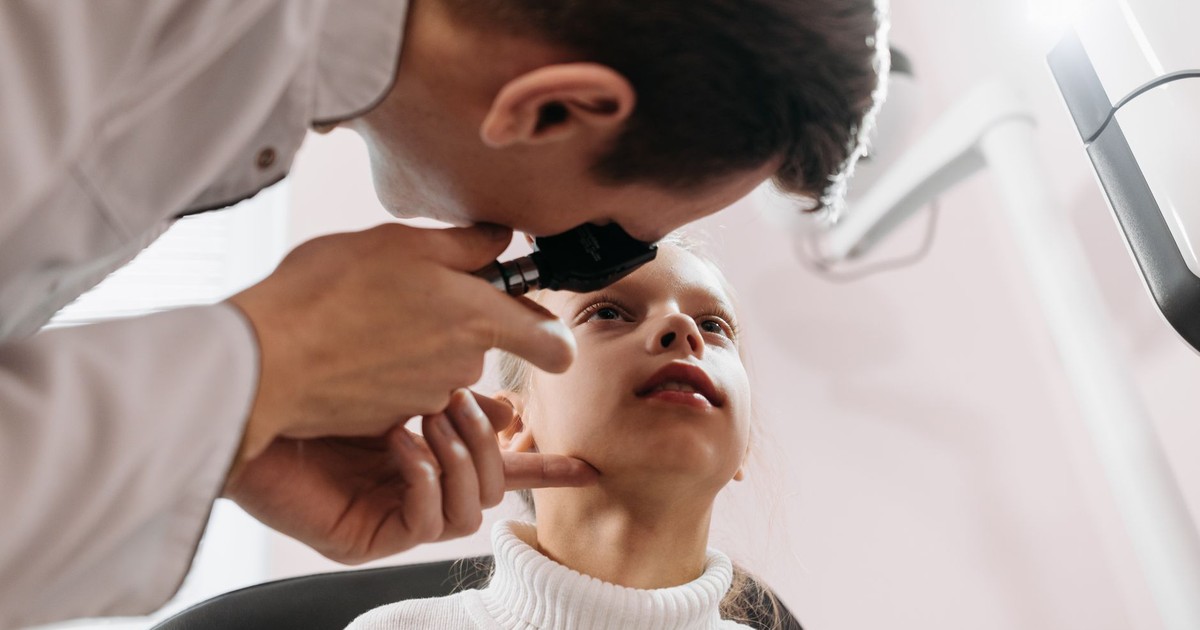

Scientists at QIMR Berghofer and Flinders University developed a genetic test. It can identify people at up to 10 times the normal risk of getting open-angle glaucoma. The findings were published in Ophthalmology in November 2026. They drew on genetic data from more than six million people. People in the highest 10% of genetic risk developed glaucoma about 25 years earlier, on average. That is compared with those in the lowest 10%.
Glaucoma damages the optic nerve and produces no symptoms in its early stages. There is no pain, no distortion, and no dramatic warning. The symptoms can begin so slowly that they go unnoticed. A complete dilated eye exam is the only way to detect the disease before damage builds up. By the time most people notice something is wrong, the harm is already done. About half of people with glaucoma don’t know they have it.
Vision loss from glaucoma is permanent. Once optic nerve damage builds up, it cannot be reversed. Nine signs the disease may already be taking hold are listed below.
1. Gradual loss of peripheral vision?
Over time, vision loss from glaucoma usually begins with side, or peripheral, vision. That is especially the part closest to the nose. Because it happens so slowly, many people can’t tell their vision is changing at first. The brain fills in gaps well. That means peripheral vision loss can go unnoticed for months or years. By the time the absence becomes obvious, significant optic nerve damage has often already occurred.
Peripheral vision loss is often the first sign of glaucoma. It typically goes unnoticed until the condition has progressed. If you catch yourself bumping into objects on one side, talk with an eye doctor promptly. The same is true if you are missing things in your side vision. These may be things you would have seen before.
2. Blurred vision?
Blurring that comes and goes can be an early signal. That is especially true when there is no obvious cause like a dirty lens or tired eyes. According to the American Academy of Ophthalmology, blurred vision is among the early symptoms. It is one that may appear. That is especially so in angle-closure glaucoma. Even in the more common open-angle form, fluctuating clarity in vision should not be dismissed. It is not simply a need for a stronger glasses prescription. Any unexplained, recurring blur warrants a proper eye pressure check and optic nerve assessment.
3. Seeing halos around lights?
Halos are those colored rings that appear around light sources like headlights or lamps. They occur when elevated pressure inside the eye affects the cornea’s ability to focus light correctly. The American Academy of Ophthalmology includes halos among the early symptoms. They should be checked as soon as possible. Other early symptoms include blurred vision, mild headache, and eye pain. Seeing halos occasionally at night when tired is common. But frequent halos are a reason to get checked. That is especially true when they are paired with any other symptom on this list.
Read More: Common Vitamin May Cut Glaucoma Risk by 66%, New Study Finds.
4. Eye pain or pressure?
Discomfort that feels like a dull ache behind or around the eye can be a signal. It can sometimes mean rising eye pressure, also called IOP. That is the pressure of the fluid inside the eye. Acute angle-closure glaucoma in particular can cause intense eye pain as one of its sudden symptoms. Even milder, chronic discomfort in the eye area should not be blamed on screen fatigue. It should not be blamed on a tension headache either. A pressure problem should be ruled out first. Measuring IOP is a routine part of a standard eye exam and takes less than a minute.
5. Mild but recurring headaches?
Headaches that originate around or above the eye can be tied to elevated eye pressure. That is especially true of those that follow a pattern and don’t respond to typical over-the-counter remedies. The American Academy of Ophthalmology includes mild headaches among the early symptoms that may accompany developing glaucoma. A headache may cluster consistently around one eye or one side of the head. That pattern is worth flagging to an eye care provider.
6. Nausea accompanying eye symptoms?
Acute angle-closure glaucoma can cause nausea as one of its sudden-onset symptoms. It often arrives alongside severe eye pain and blurred vision. This combination is a medical emergency. Nausea may arrive alongside any sudden change in vision or sharp eye pain. If it does, do not wait for a morning appointment. Acute angle-closure glaucoma can cause permanent vision loss within hours without treatment.
7. Redness of the eye?
The National Eye Institute lists red eye as one of the sudden symptoms. It is linked to acute angle-closure glaucoma. It often appears alongside pain, blurred vision, or halos. Redness from glaucoma tends to be more pronounced than minor irritation from a sleepless night. It is also more pronounced than a mild allergy. It doesn’t resolve with rest. It is usually accompanied by other symptoms.
8. Blind spots in your field of vision?
People with normal-tension glaucoma can develop blind spots in their visual field alongside optic nerve damage. In this form, eye pressure remains in the normal range. These spots are areas where vision is simply absent rather than blurry. They are distinct from the visual floaters most people experience occasionally. If you notice a fixed area where you cannot see, that is a clinical sign. It requires prompt evaluation. The same is true of a part of your visual field that consistently seems absent. The National Eye Institute lists blind spots and loss of side vision as later-stage symptoms of glaucoma. That means they may already be late. By the time they are noticeable, the disease may have been progressing silently for some time.
9. Tunnel vision in advanced cases?
As glaucoma progresses without treatment, peripheral vision loss gradually closes in from the sides. That narrows the field of view. The result, in advanced cases, is tunnel vision. That is the ability to see only what is directly ahead. It can feel as if you are looking through a narrow tube. The National Eye Institute describes this progression as moving from early peripheral vision loss to blindness. Tunnel vision represents significant, cumulative optic nerve damage. At this stage, the goal of treatment shifts from prevention to preserving whatever central vision remains.
Who is at highest risk?
Scientists at QIMR Berghofer and Flinders University developed a genetic test. It can identify people at up to 10 times the normal risk of getting open-angle glaucoma. That is the most common form of the disease. It is also the world’s leading cause of permanent blindness. The test uses a polygenic risk score. That score combines the effects of millions of genetic variations. It turns them into a single measure of a person’s inherited risk. Scientists built the new score using genetic data from more than six million people. That group included almost 300,000 people with glaucoma.
The previous version of the test, published in 2020, was based on roughly 8,000 glaucoma cases. It showed a four-fold increase in risk for the highest-risk group. The 2026 version is a large improvement in predictive accuracy. The pattern was clear in Australians of European ancestry. People in the highest 10% of genetic risk stood out. They were 10 times more likely to have glaucoma than everyone else.
The severity implications were also notable. By age 80, 24% of people in the highest genetic risk group had undergone glaucoma surgery. That compared with none in the lowest-risk group, according to the November 2026 research. The test also added meaningful predictive value beyond eye pressure measurements alone. Those measurements are currently the most commonly assessed glaucoma risk factor.
The test performed strongest in people of European ancestry. That reflects the greater availability of large genetic datasets from those populations. The scientists have stated a priority for the next phase of work. They want to expand accuracy across all ancestry groups.
A related genetic testing service called SightScore is offered by Seonix Bio. It is built on the basic research from QIMR Berghofer and Flinders University. It is available in the US. It is a different product from the specific test described in the November 2026 study. People in the US can access SightScore by obtaining a referral from their optometrist or ophthalmologist. SightScore uses a saliva test to identify people at high risk for glaucoma. That can enable earlier diagnosis and treatment, as well as more personal care.
Beyond genetics, several other risk factors are well established. People with normal-tension glaucoma have eye pressure within normal ranges but still show signs of optic nerve damage. That means that normal pressure on a single exam is not a clean bill of health. Family history carries real weight, especially having a first-degree relative with the disease. Open-angle glaucoma accounts for about 90% of all glaucoma cases. It is the world’s leading cause of permanent blindness.
A 2026 study covered by The Hearty Soul found a link with vitamin B3 supplements. The supplements were linked to a much lower risk of glaucoma in people with elevated eye pressure.
What should you do now?
A complete eye exam is the most reliable way to catch glaucoma early. Adults should have a complete eye exam around age 40, when early signs of eye disease often begin. The schedule should start earlier and repeat more often for some people. That includes anyone with a family history or elevated eye pressure. It also includes ancestry groups known to carry higher risk. Raise glaucoma by name with your eye doctor at your next appointment. Don’t leave it as an afterthought. Name it as a concern.
When glaucoma symptoms do appear, they are often late-stage signals of a process that began years earlier. Genetic risk testing, where available through a referral from an eye health professional, adds another layer of information. That can help determine how urgently and how often screening is needed. Vision loss from glaucoma cannot be reversed. That makes early detection the most effective tool available.
Disclaimer: The author is not a licensed medical professional. The information provided is for general informational and educational purposes only and is based on research from publicly available, reputable sources. It is not intended to constitute, and should not be relied upon as, medical advice, diagnosis, or treatment. Always consult a licensed physician or other qualified healthcare provider regarding any medical condition, symptoms, or medications. Do not disregard, avoid, or delay seeking professional medical advice or treatment because of information contained herein.
AI Disclaimer: This article was created with the assistance of AI tools and reviewed by a human editor.