Family Turns Down $26M From AI Company, Protects Farm That “Feeds a Nation”
A quiet stretch of farmland in Kentucky recently became the center of a much bigger conversation about the future of agriculture and technology. According to reports, a local family turned down a staggering $26 million offer from an AI company that wanted to purchase their property for development. The proposed project would have likely supported an AI data center, part of a rapidly expanding network of facilities powering artificial intelligence systems around the world.
At first glance, it looks as though a family is choosing legacy over profit. However, the deeper you look, the more complex it becomes. Their decision touches on issues that go far beyond a single farm. It raises questions about how land is used, how communities evolve, and what happens when cutting-edge technology begins competing directly with agriculture.
In many ways, this moment captures a change that is already underway. Rural land, once valued mainly for crops and livestock, is now being eyed as prime real estate for digital infrastructure. As a result, farmers, local governments, and entire communities are being forced to weigh difficult trade-offs between economic opportunity and long-term sustainability.
The Story That Sparked a National Conversation
The Kentucky family at the heart of this story is the Brockman family, longtime farmers whose roots in the region stretch back several generations. Their land, located in a fertile agricultural area known for producing staple crops, has been in the family for decades. It is not just acreage on a map; it is a living record of their history, shaped by years of planting, harvesting, and adapting to changing seasons.
At the center of the decision is Sarah Brockman, one of the current stewards of the farm. She and her family were approached with a reported $26 million offer from a company linked to artificial intelligence infrastructure. The proposal would have transformed their farmland into a site supporting a large-scale data operation.
Despite the size of the offer, Brockman made it clear that the decision was never purely about money. In interviews, she emphasized the deeper purpose behind the land, explaining that it plays a role far beyond their own family.
“This land isn’t just ours to cash out on,” Brockman said. “It feeds people. That means something, and you can’t replace that once it’s gone.”
Her perspective reflects a mindset shared by many multi-generational farmers. The land represents continuity, not just ownership. It connects past efforts with future responsibility. Selling it, especially for non-agricultural use, would break that chain.
From a financial standpoint, turning down such an offer is rare. The payout could have provided long-term security for multiple generations. However, for the Brockman family, the value of the land is tied to what it produces and what it represents, not just what someone is willing to pay for it.
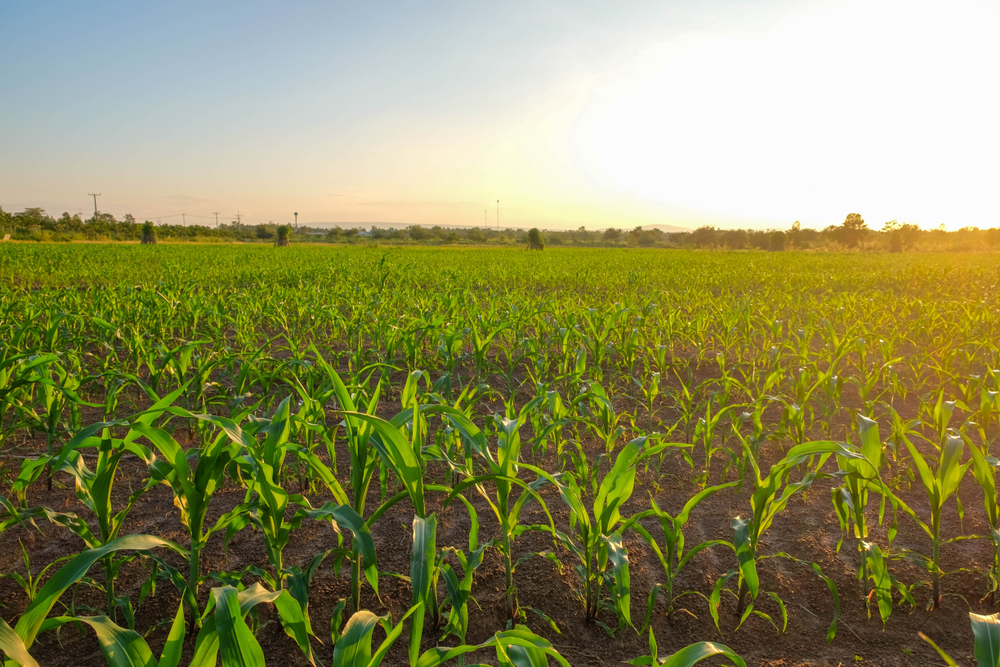
For many families, farmland represents generations of work and identity. Image credit: Shutterstock.
Their decision has resonated widely because it highlights a growing tension. Across the country, farmers are being approached with similar offers as tech companies search for land to support expanding infrastructure. Some families choose to sell, seeing it as a practical opportunity. Others, like the Brockmans, choose to hold on, even when the financial incentive is significant.
In doing so, they have unintentionally become part of a much larger conversation about how land is valued, who gets to decide its future, and what is lost when farmland is replaced by technology-driven development.
Why AI Companies Want Rural Land
To understand why an AI company would offer such a large amount for farmland, it helps to look at what these companies actually need. Despite its digital reputation, artificial intelligence relies heavily on physical infrastructure. Data centers are the backbone of AI systems. They house thousands of servers that process, store, and transmit massive amounts of information.
These facilities require several key resources:
Large, open parcels of land
Access to reliable electricity
Water for cooling systems
Proximity to fiber-optic networks
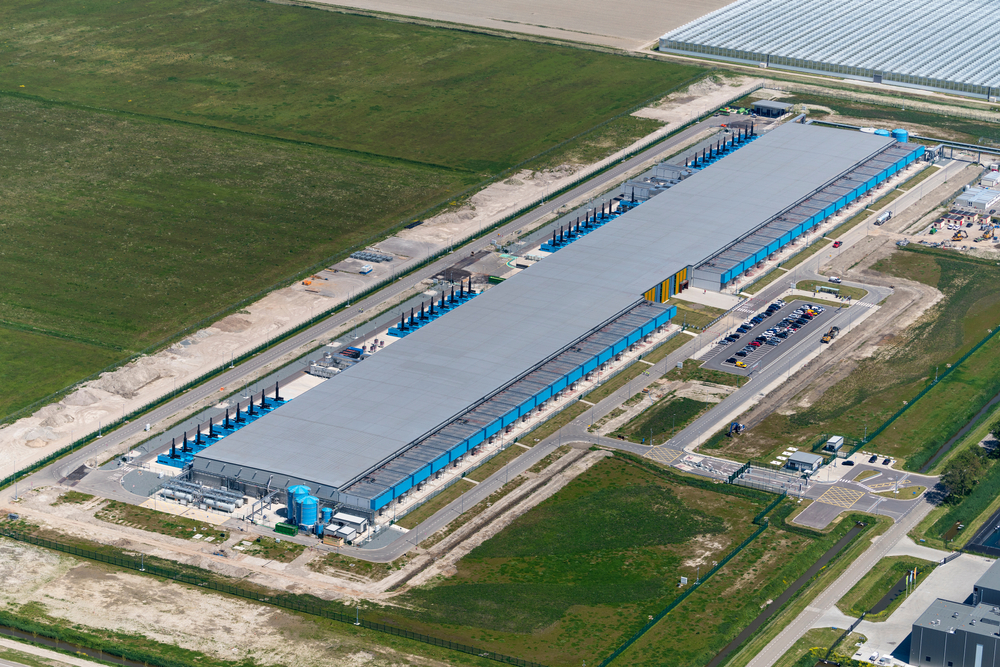
Facilities like these power artificial intelligence systems, but they also require vast amounts of land, energy, and infrastructure. Image credit: Shutterstock.
Rural farmland often meets many of these requirements. It provides space at a lower cost than urban areas. It also tends to have fewer zoning restrictions, making development easier. As a result, farmland has become increasingly attractive to tech companies. In some cases, the value of land for data infrastructure now exceeds its value for agriculture. This is changing how land is viewed and used across many regions.
The Rapid Growth of AI Data Centers
The demand for AI infrastructure has surged in recent years. As tools like large language models, automation systems, and machine learning platforms expand, so does the need for computing power. This has led to a global boom in data center construction. Major tech companies are investing billions into new facilities to keep up with demand. These projects are not small. A single data center can span hundreds of thousands of square meters and consume as much electricity as a small town.
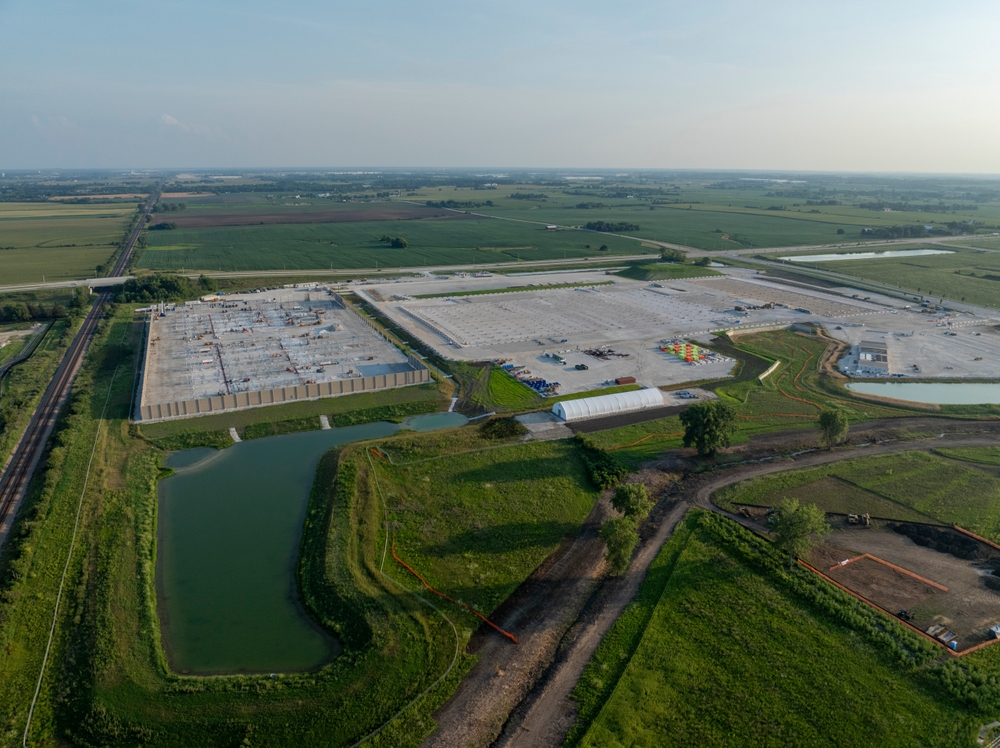
Behind every AI system is a network of servers working continuously, driving demand for more space and resources across the globe. Image credit: Shutterstock.
In the United States, data center development has accelerated across multiple states, including Virginia, Texas, and Ohio. Internationally, countries in Europe and Asia are also racing to build infrastructure that supports AI growth. While this expansion fuels innovation, it also introduces new challenges. Communities that host these facilities must deal with increased energy use, higher water demand, and changes to local landscapes.
Government Incentives and the Push for Tech Investment
One reason AI companies are expanding so quickly is the support they receive from governments and local authorities. In many cases, states and municipalities offer significant incentives to attract data center projects.
These incentives can include:
Tax breaks on property and equipment
Reduced energy costs
Infrastructure support
Fast-tracked permits
From a government perspective, the goal is to stimulate economic growth. Data centers can bring construction jobs, increase local tax revenue over time, and position regions as tech hubs.
However, the benefits are not always evenly distributed. While construction creates temporary employment, data centers typically require fewer long-term workers compared to other industries. This has led some critics to question whether the incentives are justified.
Additionally, when farmland is converted into industrial sites, the long-term impact on local economies can be significant. Agriculture often supports a wide network of related businesses, from suppliers to transport services. Losing farmland can ripple through these systems in ways that are not immediately obvious.
How Local Communities Are Affected
When a large-scale data center project moves into a rural area, the impact can be felt almost immediately. Construction activity increases, heavy equipment moves in, and the landscape begins to change.
For some residents, this represents an opportunity. Improved infrastructure can benefit the broader community. Roads are upgraded, and power systems are expanded. In some cases, local governments receive increased funding that can be used for public services.
Yet not everyone views these changes positively. Many rural communities value their quiet environment and agricultural roots. The introduction of industrial-scale facilities can alter that identity. Noise from construction, increased traffic, and the visual presence of large buildings can shift how a place feels.
As development expands into rural areas, communities face difficult choices about growth, identity, and the future of agricultural land. Image credit: Shutterstock.
Farmers often face a unique set of challenges. As land values rise due to development interest, it becomes more expensive to buy or lease farmland. This can make it harder for new farmers to enter the industry and for existing ones to expand.
There is also a sense of gradual loss. When one farm is sold and converted, it can set off a chain reaction. Neighboring properties may follow, slowly reducing the amount of land dedicated to agriculture. Over time, this can reshape entire regions. The Brockman family’s decision stands out because it interrupts that pattern. By refusing to sell, they are preserving a piece of land that remains committed to food production.
Environmental Concerns Around Data Centers
Beyond economic and social considerations, environmental concerns are becoming a central part of the conversation. Data centers require significant resources to operate, and their footprint extends far beyond the buildings themselves.
Energy consumption is one of the most pressing issues. Data centers run continuously, powering servers that generate heat and require constant cooling. In areas where electricity is produced from fossil fuels, this can contribute to increased carbon emissions.
Water usage is another major factor. Many facilities rely on water-based cooling systems to maintain safe operating temperatures. This can place additional strain on local water supplies, especially in regions already facing shortages.
Land use also plays a role in environmental impact. Converting farmland into industrial sites can disrupt soil health and local ecosystems. Agricultural land often supports biodiversity, including insects, birds, and other wildlife. When it is replaced with infrastructure, those ecosystems can be altered or lost entirely.
Some companies are working to address these concerns by investing in renewable energy and more efficient cooling technologies. However, as demand for AI continues to grow, the overall resource footprint remains a topic of concern.
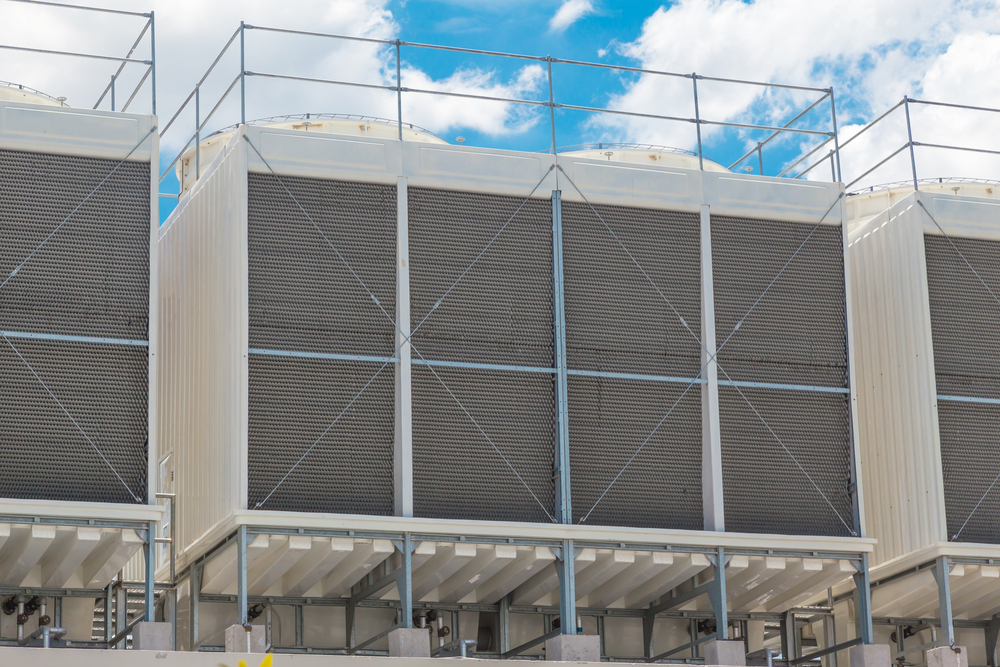
Data centers rely on intensive cooling systems, often using large volumes of water and energy. Image credit: Shutterstock.
Balancing Progress With Preservation
As communities navigate these changes, the need for balance becomes increasingly clear. Technological progress brings undeniable benefits. AI has the potential to transform industries, improve efficiency, and drive innovation. However, progress also comes with trade-offs. The expansion of infrastructure requires land, resources, and community support. Without careful planning, it can lead to unintended consequences.
Policymakers, companies, and communities all play a role in shaping how this balance is achieved. Thoughtful zoning laws, transparent negotiations, and long-term environmental planning can help ensure that development does not come at the expense of essential resources like farmland.
For farmers, the decision to sell or keep land will always be deeply personal. There is no single right answer. Each situation depends on individual circumstances, financial needs, and personal values. What stories like this one do is bring those decisions into the public eye. They encourage broader discussions about what we value and how we choose to move forward.
What Happens If This Trend Continues?
Looking ahead, the question is not whether this trend will continue, but how far it will go. As demand for artificial intelligence grows, so will the need for infrastructure to support it. That means more land, more energy, and more pressure on rural areas that were once defined primarily by agriculture.
If current patterns hold, more farmers may find themselves facing offers that are difficult to ignore. For some, selling will make sense. It can provide financial security, especially in an industry where margins are often tight and unpredictable. However, as more land changes hands, the cumulative effect could begin to reshape entire regions.
The future of farming depends on how today’s decisions balance technological progress with the preservation of land that feeds communities. Image credit: Shutterstock.
Over time, the gradual loss of farmland may start to impact food production in ways that are not immediately obvious. Supply chains could alter, local agricultural economies may shrink, and fewer opportunities may exist for the next generation of farmers. At the same time, rural communities could begin to look and feel very different, with industrial infrastructure replacing open fields.
This does not mean progress should stop. Technology will continue to evolve, and AI will remain a major part of that future. Still, it raises an important question. What balance should exist between innovation and preservation? Because once farmland is converted, it rarely returns to what it was before. And the choices being made today will shape not just the landscape, but the way future generations experience both food and community.
The Future Isn’t Just Digital, It’s Grounded in Land
The story of the Brockman family is about more than a single decision. It reflects a moment where two powerful forces, agriculture and technology, intersect in a very real way. On one side is the promise of innovation, driven by the rapid growth of artificial intelligence. On the other hand, is the enduring importance of land that feeds communities and supports livelihoods.
The family chose to hold onto their land, guided by a belief that its purpose goes beyond financial value. Their decision will not stop the expansion of data centers, nor will it resolve the broader challenges facing agriculture. However, it does something equally important. It reminds us that progress is not just about what we build, but also about what we choose to protect.
A.I. Disclaimer: This article was created with AI assistance and edited by a human for accuracy and clarity.