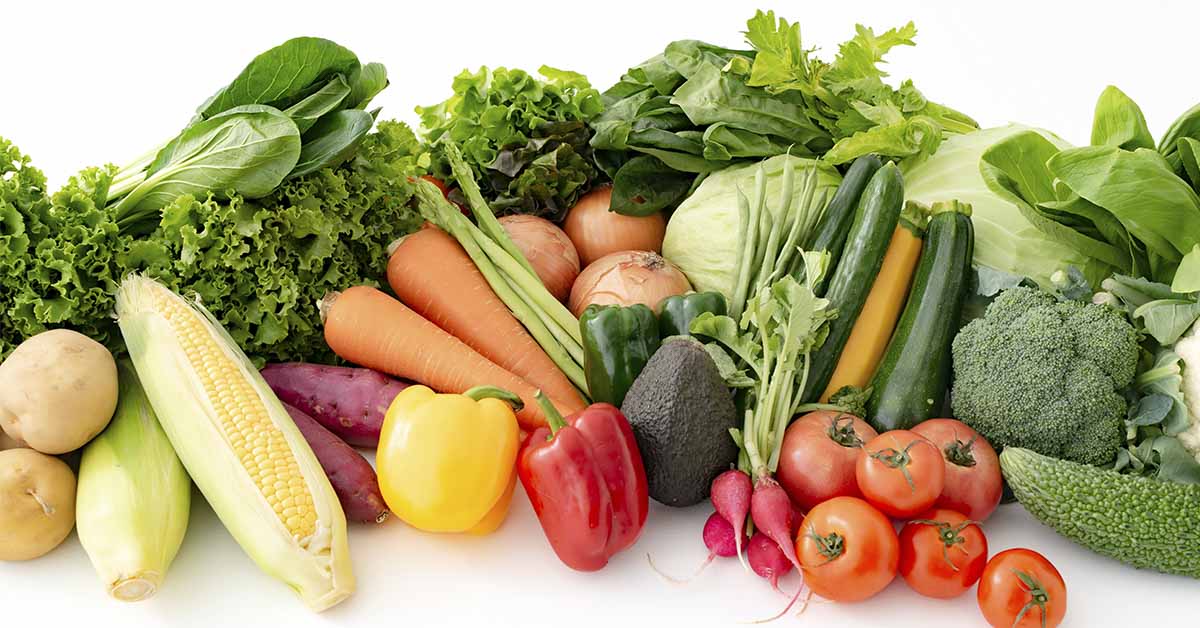

Health and wellness trends have always been ever-changing, but now with the rise of social media platforms like TikTok, those changing trends are now at hyperspeed. Whereas protein has been the reigning queen of nutrition trends, there is a new leader that has recently taken over on TikTok: Fiber. This new trend, what influencers are calling fibermaxxing, involves significantly increasing your fiber intake. This sounds like a good idea, but is it as beneficial as it seems? What are its pitfalls? This is what nutritional experts are saying about his new health trend.
What Is Fibermaxxing?
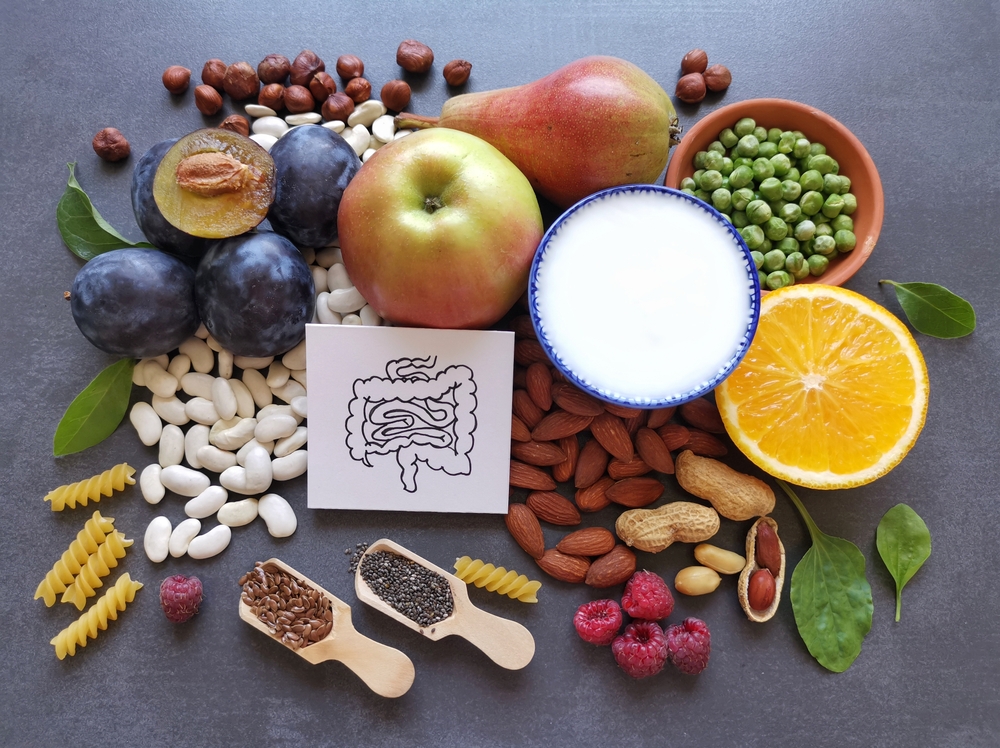
Fibermaxxing is a health trend that encourages consuming very high amounts of dietary fiber – often far beyond standard nutritional guidelines – to optimize wellness. While dietary fiber is essential to a balanced diet and good health, fibermaxxing takes this concept to an extreme. It promotes intake levels sometimes between 50 to 100 grams of fiber per day, which is significantly more than the recommended amounts. Unsurprisingly, the trend often involves increasing fiber intake through supplement powders, alongside a diet of fiber-dense foods. TikTok users share tips, recipes, and challenges focused on maximizing fiber consumption for its perceived health benefits.
The Positives: Why Fiber Matters
This trend isn’t all bad. Fiber is important, and it is true that the vast majority of people don’t eat enough fiber each day. This is largely due to the fact that ultra processed foods, which significantly lack fiber, make up anywhere from 50% to over 60% of most people’s diets. Increasing fiber intake, when done appropriately, has well-documented health advantages. These include:
- Digestive health: Fiber promotes regular bowel movements and helps prevent inflammatory bowel conditions.
- Blood sugar regulation: Soluble fiber slows down glucose absorption, aiding individuals at risk for type 2 diabetes.
- Heart health: Fiber lowers LDL (“bad” cholesterol, reducing cardiovascular disease risk.
- Cancer prevention: High-fiber diets have been linked to a lower risk of certain cancers, especially colon cancer, by facilitating the removal of bodily toxins.
For most adults, nutrition guidelines recommend eating at least 30 grams of fiber per day. This can usually easily be met by consuming wholegrain bread, fruits and vegetables with the skins left on, lentils, nuts, and seeds throughout the day.
The Negatives: Drawbacks of Fibermaxxing

As always, any trend promoting extreme intakes of any single nutrient claiming to improve your health probably is too overly-simplified to be true. This is the case with fibermaxxing. Despite fiber’s benefits, the fibermaxxing trend also carries certain health risks if fiber intake is pushed too high or increased too quickly. These risks include:
- Displacement of other nutrients: Eating excessive fiber by replacing other macronutrients – proteins, fats, carbohydrates – with fiber=rich foods or supplements may lead to nutritional imbalances.
- Digestive discomfort: Suddenly ramping up fiber, especially without adequate water intake, can cause bloating, cramping, constipation, and excessive gas – often inconvenient in daily life.
- Impaired nutrient absorption: Very high fiber intake can interfere with absorption of vital micronutrients such as iron, potentially compromising normal body functions.
- Lack of long-term research: There is little robust scientific data on the effects of consuming more than 40 grams of fiber daily over extended periods, so safety at the extreme levels promoted by the trend is unclear.
Registered dietitian Jennifer Bianchi recognizes both the positives and negatives of the fibermaxxing trend.
“Fibermaxxing is all about building meals and snacks around fiber-rich foods like fruits, veggies, beans, lentils, seeds, nuts, and whole grains, and sometimes adding in functional fiber supplements like psyllium husk and Sunfiber,” she explains. “Fibermaxxing can be totally safe and super helpful if done right, since fiber supports gut health, hormones, blood sugar, and bowel regularity… If you have active irritable bowel syndrome, SIBO, diverticulitis, or you’ve been told to follow a low-fiber diet, fibermaxxing might not be ideal.”
Best Practices: How to Increase Fiber Safely
Our first tip here is to simply not take health and nutritional advice from influencers on TikTok. This is especially if those influencers are promoting something that is in any way extreme. Remember, the key to health is balance: A healthy, balanced diet based on whole foods and in combination with balanced and consistent exercise and sleep routines. There is no magic to it – it’s just about consistency and balance. Unfortunately, that isn’t very trendy for TikTok and doesn’t allow anyone to sell you any unnecessary supplements or nutrition programs. Rather than following extreme social media trends, it’s advisable to:
- Gradually increase fiber intake toward recommended levels.
- Focus on natural sources of fiber – i.e. whole grains, fruits, vegetables, beans and legumes, nuts and seeds.
- Maintain balanced meals that include adequate proteins, fats, and carbohydrates alongside fiber.
- Ensure sufficient water consumption to aid digestion.
- Consult healthcare professionals before making drastic dietary changes.
“The magic is in the mix,” says Bianchini. “Both soluble and insoluble fiber [are] important, and most whole plant foods actually contain a combo of each, so a good rule of thumb is to eat a wide variety of plants, colors, and textures at each meal.”
Balance Over Buzzwords
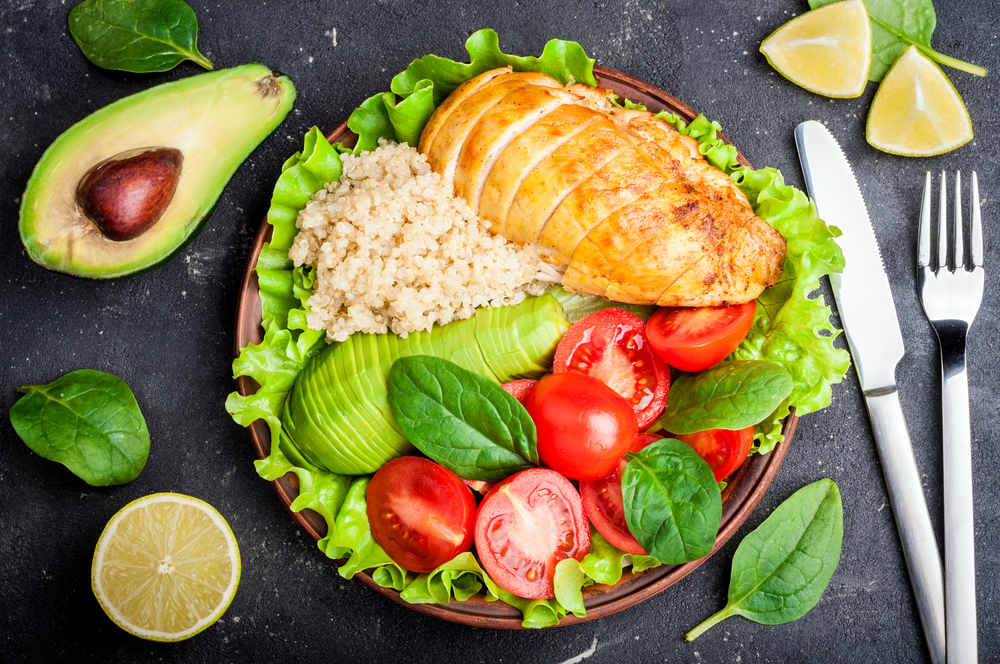
The fibermaxxing craze underscores a vital nutritional truth – many people do not consume enough fiber, often due to high consumption of ultra-processed foods that are low in fiber and nutrients. However, more fiber isn’t always better, especially in excess. Embracing a balanced diet rich in diverse whole foods remains the best way to harness fiber’s health benefits without risking potential harms. As the social media wellness world continues to evolve, sticking to evidence-based guidelines will keep your gut – and your overall health – in optimum shape.