

Your heart is one of your body’s most critical organs. Arterial health serves as a cornerstone of cardiovascular well-being, playing a pivotal role in overall health and longevity. Clogged arteries, also known as atherosclerosis, are abnormally narrowed or blocked blood vessels due to plaque buildup, leading to reduced blood flow. This reduction in blood flow can trigger serious health complications, such as heart attacks and strokes. Recognizing the signs of clogged arteries early on and implementing proactive measures can significantly impact cardiovascular health and quality of life.
Recognizing the Signs of Clogged Arteries
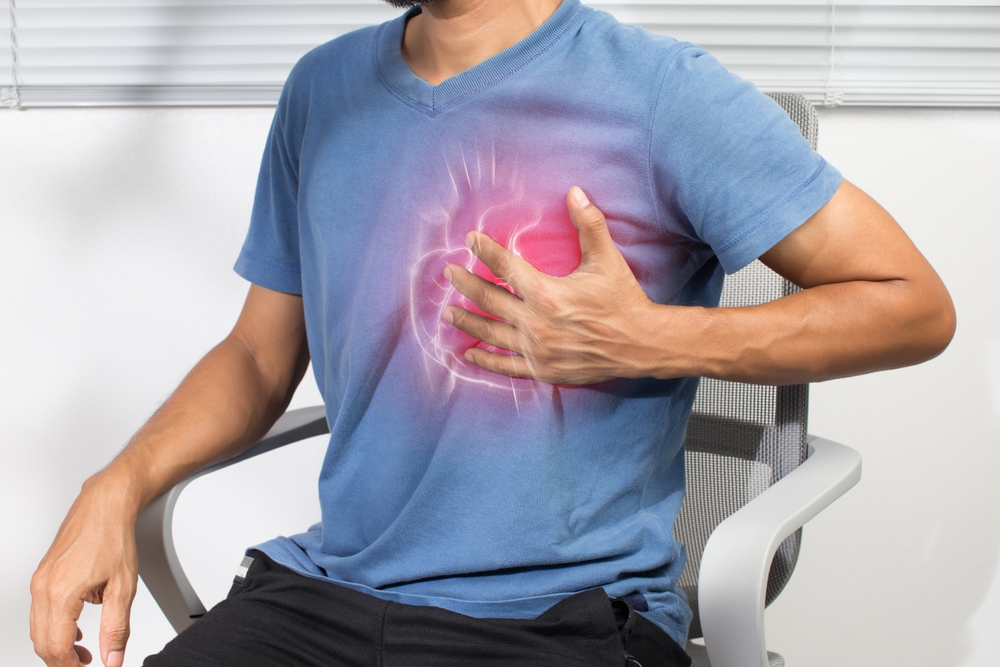
There are many common symptoms of clogged arteries that thankfully aren’t too difficult to spot, so long as you know what to look for. You may think that most of these symptoms would exist in the area around the heart, however, they tend to manifest in many places and ways in the body. If you have even one of these symptoms, it is important to go get checked out at the doctor. The common symptoms of clogged arteries include:
- Chest Pain: Known as angina, often described as tightness, pressure, or discomfort in the chest area.
- Shortness of Breath: Difficulty breathing or feeling winded during physical activity or at rest.
- Fatigue: Persistent tiredness or exhaustion even with adequate rest.
- Numbness or Weakness: Especially in the extremities.
- Coldness in Extremities: Reduced blood flow can lead to cool or discolored hands and feet.
When to See a Doctor

Seeking medical attention as soon as possible, particularly if you experience any persistent or severe symptoms, is critical. Individuals with risk factors such as high cholesterol, hypertension, diabetes, or a family history of cardiovascular disease should consider regular screenings and diagnostic tests to assess arterial health. If your symptoms of clogged arteries are quite severe, it could mean that a cardiac event is imminent.
Diet and Lifestyle: Your First Line of Defense

Even for people with a family history of heart disease and similar problems can avoid having clogged arteries themselves through a healthy diet and lifestyle. A healthy, balanced diet, regular exercise routine, solid sleep schedule, and effective stress reduction methods are the first line of defence against heart disease. The following are tips for a heart-healthy diet. Follow these, and you will have a strong, healthy heart with no clogged arteries.
- Embrace Whole Foods: Increase consumption of fruits, vegetables, whole grains, and lean proteins. This will mean that you will need to cook more with real food, not pre-packaged, industrial foods out of a box.
- Reduce Saturated Fats: Limit intake of red meat, processed foods, and high-fat dairy products. While these can all have their place in a healthy diet, they should be consumed on occasion, not regularly.
- Omega-3 Rich Foods: Incorporate sources like fatty fish, flaxseeds, and walnuts for their heart-protective benefits. If you struggle to eat these foods regularly, you can consider an omega-3 supplement. Talk to your doctor about which supplement is right for you.
- Limit Added Sugars and Sodium: Opt for natural sweeteners and seasonings to reduce the risk of inflammation. Don’t simply switch to “sugar free” products, as these use artificial sweeteners which are also not good for your health.
Importance of Regular Physical Activity

Your heart is a muscle and it needs to stay in shape. The way you achieve this is by doing cardiovascular activities. This includes brisk walking, jogging, cycling, swimming, dancing and anything that gets your heart really pumping and works on your endurance. Regular exercise such as these can improve your circulation, lower your blood pressure, and promote overall cardiovascular health. While other types of exercise, such as weight lifting, yoga, and pilates, are all fantastic, they cannot replace regular aerobic exercise for the health of your heart.
Smoking Cessation and Stress Management

Smoking and stress are major contributing factors to heart problems. If you are a smoker, there really is no way around it: You must quit, for the health of your heart (and the rest of your body, for that matter). Beyond that, learning how to manage your daily stress will take you a long way. First of all, set boundaries for yourself to limit the amount of stress you are under each day. While you can’t prevent everything, many of us invite stress upon ourselves because we don’t know how to say “no” or protect our own peace. Learn this and watch how quickly you strip much of the stress out of your life. Finally, for the stress that inevitably remains, consider stress-reducing techniques. These include meditation, yoga, or deep breathing exercises. These can all help to reduce arterial inflammation and improve heart health.
Weight Management and Sleep

Out-of-control weight and obesity puts a large amount of stress on the body, including the heart. Maintaining a healthy weight through a balanced diet and regular exercise will help you to manage how much work your heart has to do on a minute-by-minute basis. Reduced chronic stress on the heart leads to a reduced risk of heart attack. Adequate sleep is also an important factor for heart health. People who don’t sleep enough or with high enough quality are at a higher risk of developing clogged arteries and associated complications. Set yourself up with a solid sleep routine and do your best to go to bed and wake up at the same time each day and night. If you are really struggling, speak with your doctor. They can refer you to a sleep specialist who can help you to get to the bottom of your sleep problems.
Medical Interventions: When Lifestyle Changes Aren’t Enough

Sometimes we wait a little too long to implement lifestyle changes, or extenuating circumstances means that we need a little extra help. Either way, there is no shame in requiring medical intervention in conjunction with whatever lifestyle changes are necessary. The following are the most commonly prescribed medications for clogged arteries and related heart problems:
- Statins: Prescribed to lower cholesterol levels and reduce the risk of plaque buildup.
- Blood Pressure Medications: Controlling hypertension helps maintain optimal blood flow and heart function.
- Blood Thinners: Prevent clot formation and reduce the risk of heart attacks and strokes.
Beyond medications, there are also medical procedures that take the intervention one step further. These are generally only used as a last-resort, when someone’s artery and heart health are so far gone that they require surgical intervention to improve them. Lifestyle changes will still be recommended and will be an integral part of the recovery process from these procedures, they simply don’t work fast enough to prevent this person from imminent problems. These procedures include:
- Angioplasty: A minimally invasive procedure to widen narrowed arteries using a catheter and balloon.
- Stents: Implanted to keep arteries open and improve blood flow.
- Bypass Surgery: Redirects blood flow around blocked arteries using a graft to restore circulation to the heart.
Read More: 10 Foods That You Should Eat Daily For Clean Arteries
Supplements That Support Arterial Health

The best way to protect your heart health is through real food, nutritional support. Normally, eating a balanced and healthy diet will allow you to achieve all your nutrient status goals. That being said, sometimes we require a bit of extra help. This is where supplements come in. As always, it is important to speak with your doctor before starting any new nutritional supplements. This is especially important if you are already on other medications, as it is possible to have interactions with some medications that could be very dangerous. The following supplements are some of the best for protecting heart health:
- Vitamin D: Associated with lower risk of cardiovascular disease and improved arterial health.
- Vitamin K2: Supports optimal calcium metabolism and prevents calcification of arteries.
- Omega-3 Fatty Acids: Known for their anti-inflammatory properties and benefits for heart health.
- CoQ10: Acts as an antioxidant and promotes energy production in the heart muscle.
It is again important to remember that just because something is a nutritional supplement, doesn’t mean that it is 100% safe for you to take. Some vitamins, for example, are fat-soluble, meaning that it is very possible to take too much and reach toxic levels within your body. This is why it is important to work closely with your doctor and/or registered dietitian to determine the right supplements and dosages for you. It is also important to recognize that the supplement industry is not closely regulated in the same way that the drug industry is. This means that it is important to research brands and supplements well, to ensure that you are getting high-quality nutrients without unwanted ingredients.
Importance of Consulting Healthcare Professionals

It has already been said but is worth mentioning again: Before incorporating any supplements, it is essential to consult healthcare professionals to ensure compatibility with existing medications and medical conditions. While supplements have the power to greatly improve your health, they can also just as quickly destroy it, if you are not careful. Always speak to professionals, such as medical doctors and registered dietitians, before taking a new supplement.
Can Plaques Be Reversed? The Current Science

The short answer is that yes, they can be, at least to a certain extent. Research suggests that lifestyle modifications, combined with medical interventions and appropriate supplementation, can promote the regression of arterial plaques. The extent to which it achieves this will depend on many individual factors. It is not uncommon for those at high risk for heart problems to be able to greatly reduce their quantity and number of medications required simply by changing their lifestyle. While most will never be able to fully come off medication, they can reduce their reliance on them. For those who are not yet on medications but all indicators suggest that they are heading in that direction, lifestyle changes can certainly prevent them from ever having to take that step. The lesson here is that lifestyle is very powerful towards protecting your heart.
Taking Control of Your Heart Health

Arterial health is the foundation of overall well-being and demands attention and proactive management. By recognizing the signs of clogged arteries early on, making necessary lifestyle adjustments, seeking medical interventions when required, and incorporating supportive supplements under professional guidance, individuals can take control of their heart health. This will ultimately reduce their risk of cardiovascular complications. Embracing a holistic approach to arterial health empowers individuals to lead fulfilling and heart-healthy lives.
Read More: Promising Research Finds New Strategy to Prevent Clogged Arteries