

Your stomach can look measurably different at 7 a.m. versus 7 p.m. – not because body fat accumulated over the course of a single day, but because of what’s happening inside your digestive tract in between. That distinction matters more than most people realize when they go searching for foods for a flat stomach.
The word “bloating” gets used to describe two different things: the sensation of pressure or fullness in the abdomen, and the visible distension that can follow. Tamara Duker Freuman, a New York-based registered dietitian at New York Gastroenterology Associates who specializes in digestive and metabolic diseases, describes bloating as “either a feeling of uncomfortable fullness, or an actual visible distension of your abdomen, because of something going inside your digestive tract.” That mechanism is entirely different from body fat. Belly fat doesn’t greatly increase as a result of one meal or even a full day of eating; bloating, by contrast, can happen rapidly and resolve just as quickly. No food eaten at dinner selectively burns abdominal fat by breakfast. What a meal can do is temporarily change how distended the abdomen feels or appears – and for some people, certain foods make that distension far more pronounced.
A 2025 European consensus on functional bloating and abdominal distension notes that symptoms commonly fluctuate throughout the day and can be influenced by diet, intestinal contents, gut sensitivity, motility, and even how the abdominal muscles respond. Dietary triggers also differ substantially from one person to another. Reducing a food that triggers symptoms may therefore help someone feel and look less bloated, but it won’t spot-reduce stored fat from the midsection.
That’s the distinction behind the list below. These aren’t ten foods everyone needs to eliminate to get a flat stomach. They’re foods and ingredients that can contribute to bloating or abdominal distension in susceptible people. Knowing which ones affect you is far more useful than unnecessarily cutting out all ten.
1. Wheat and gluten-containing grains

Wheat, barley, and rye all contain fructans – a type of oligosaccharide and the “O” in the FODMAP acronym – that the small intestine has trouble absorbing. When these carbohydrates reach the large intestine undigested, gut bacteria ferment them and produce gas. For people with irritable bowel syndrome (IBS) or fructan sensitivity, even a modest serving of bread, pasta, or couscous can trigger significant distension within hours.
Separating this from celiac disease is useful: celiac is an autoimmune condition triggered by gluten specifically. Fructan sensitivity is a digestive issue tied to fermentation, not an immune response to the gluten protein itself. Many people who feel better after reducing wheat may be reacting to the fructans, not the gluten. If bread routinely leaves you feeling bloated and uncomfortable, a short-term trial of lower-fructan grains like rice or oats may reveal whether wheat is your trigger.
2. Onions and garlic

These two kitchen staples are among the highest-fructan foods in the average Western diet, and they cause problems even in small amounts for many people. Raw onion is particularly potent – the fructan content drops somewhat with cooking, but doesn’t disappear entirely. Garlic is similarly concentrated, and because it’s used as a flavoring base in countless dishes, people often struggle to identify it as the source of their symptoms.
Houston Methodist Hospital notes that onions and garlic are among the key high-FODMAP vegetables that people with IBS are commonly advised to limit. Garlic-infused olive oil is often recommended as a substitute for those who love the flavor but not the digestive aftermath – the fructans don’t leach into oil, so the taste comes through without the fermentable carbohydrates.
3. Dairy products
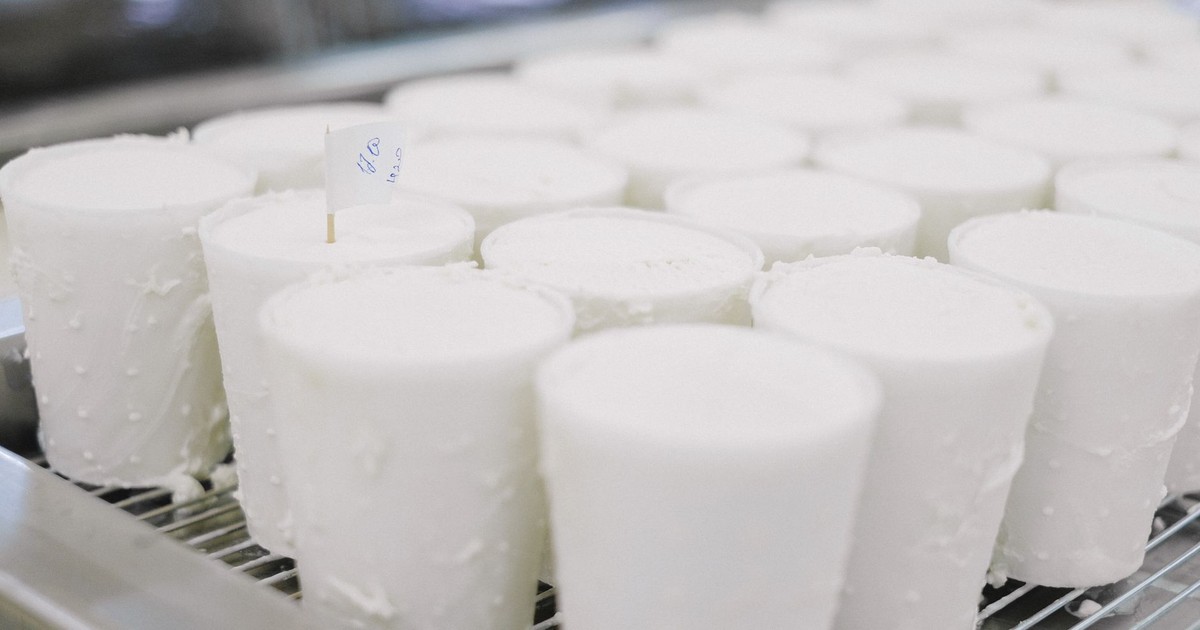
People with lactose intolerance often experience diarrhea, gas, and bloating after eating or drinking foods that contain lactose. Lactose is the sugar naturally present in milk and most conventional dairy products. When the small intestine doesn’t produce enough lactase – the enzyme needed to break lactose down – the sugar travels undigested to the colon, where bacteria ferment it and produce gas.
By adulthood, nearly 70% of people worldwide no longer produce enough lactase to properly digest the lactose in milk, which leads to symptoms when they consume dairy. That’s a significant proportion, and it means dairy-related bloating is far from a niche problem. Aged hard cheeses and butter tend to be much lower in lactose and are often tolerated well even by those who struggle with milk, yogurt, and soft cheeses. If you consistently feel bloated after dairy, lactose-free versions of the same products are a practical first step before cutting dairy entirely.
4. Beans and legumes
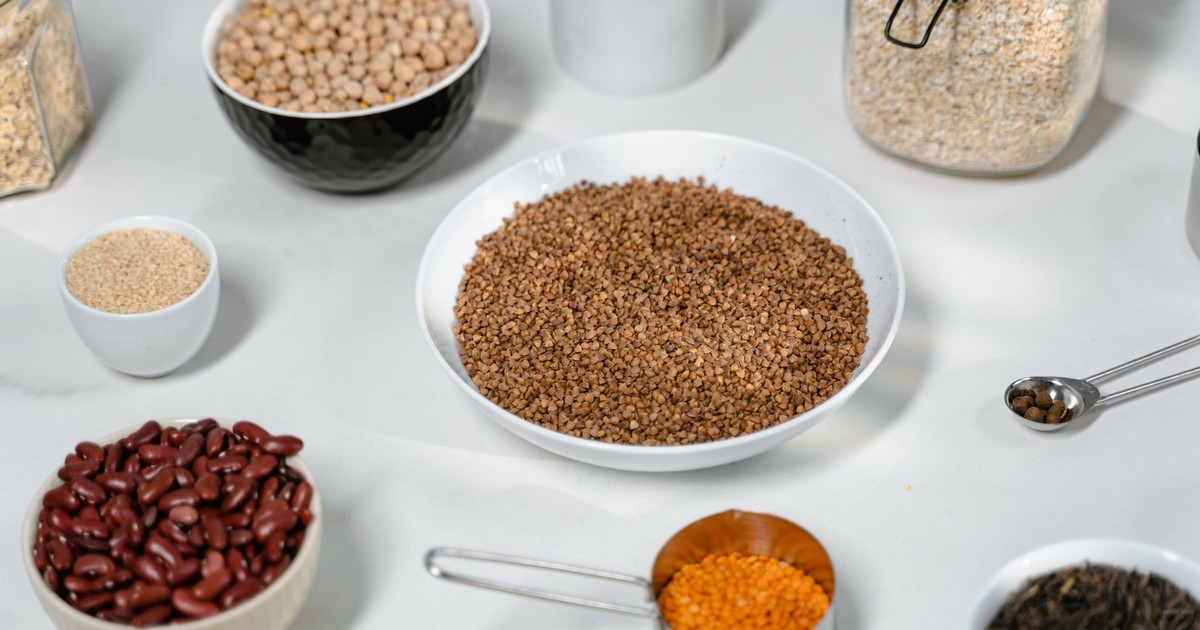
Many fiber-rich beans are packed with carbohydrates and, more specifically, sugars called oligosaccharides – a type of FODMAP that the human digestive system cannot break down on its own. Instead, intestinal bacteria do the work, and the byproduct is gas. Kidney beans, baked beans, lentils, and chickpeas are all significant sources. Split peas and falafel fall into the same category.
Soaking dried beans overnight and discarding the soaking water before cooking reduces the oligosaccharide content somewhat. Canned beans, rinsed thoroughly, also tend to be better tolerated than their dried counterparts. Portion size matters too – a small amount of legumes may cause no symptoms for someone who reacts strongly to a full serving.
5. Cruciferous vegetables
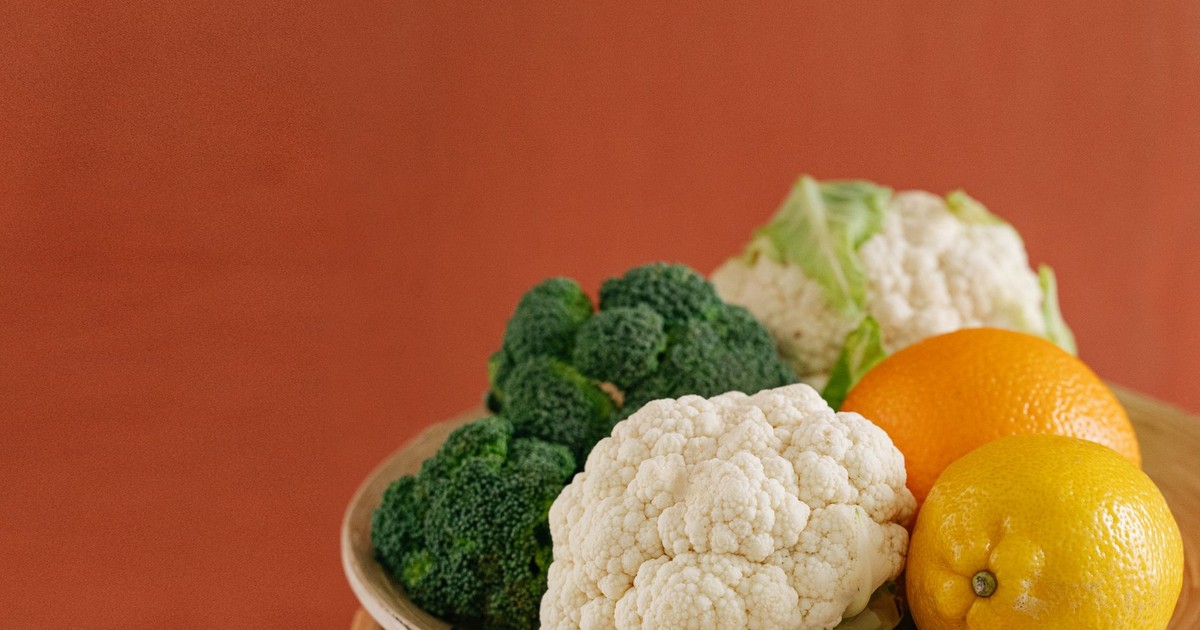
The Mayo Clinic lists cabbage, onions, broccoli, and cauliflower among the most common gas-producing foods – and all of the vegetables on that list (minus onions, covered separately above) are members of the cruciferous family. Broccoli, Brussels sprouts, cauliflower, kale, and cabbage all contain raffinose, a complex sugar that, like oligosaccharides, ferments in the gut.
Cooking these vegetables breaks down some of the raffinose and generally makes them easier to tolerate than raw versions. Steaming tends to be gentler on digestion than eating them raw in a salad. If cruciferous vegetables are a consistent source of discomfort, reducing portion sizes or swapping in cooked versions before cutting them entirely is a smarter approach – they’re nutritionally dense and worth keeping if your gut can accommodate them.
6. Carbonated drinks
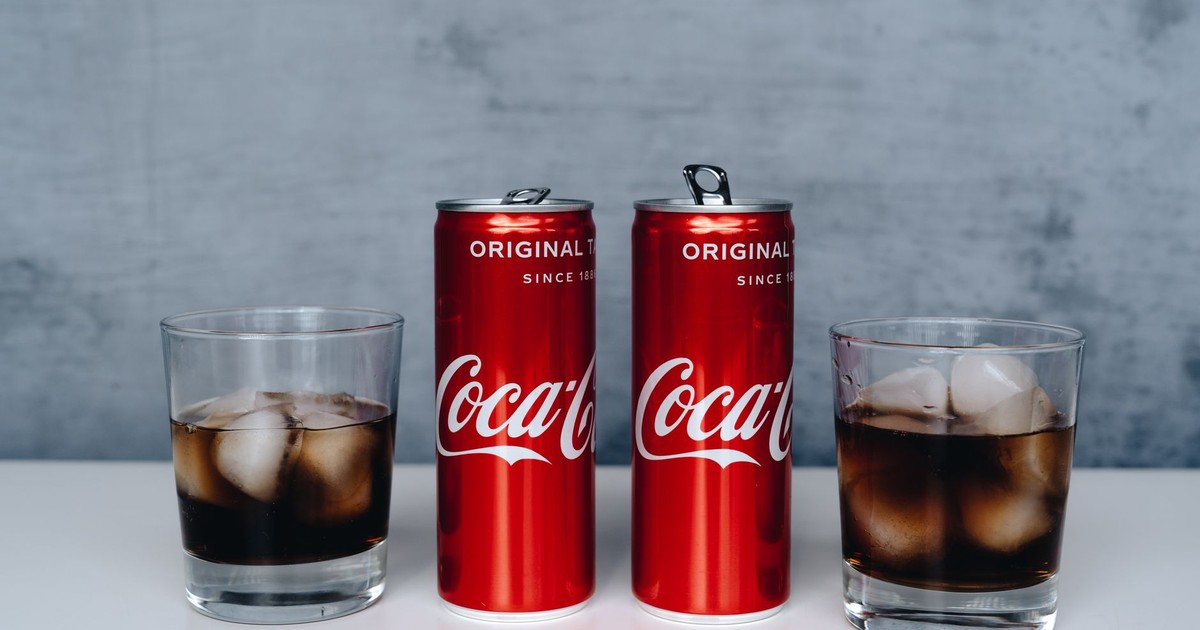
The American College of Gastroenterology notes that carbonated beverages can directly contribute to bloating and abdominal distension symptoms. The mechanism is straightforward: the CO₂ dissolved in sparkling water, soda, and fizzy drinks is released as gas once it enters the digestive system. Some of it exits through belching, but some moves further into the intestine and contributes to distension.
This applies equally to sparkling water and diet sodas – the bubbles are the issue, not the sugar content. People who drink large volumes of sparkling beverages throughout the day and wonder why they feel perpetually bloated often find that switching to still water resolves the problem within a few days. Zero-calorie sparkling drinks marketed as a healthier alternative to soda can still cause pronounced abdominal distension in people who are sensitive to intestinal gas.
7. High-sodium foods

Salt itself doesn’t produce gas, but its effect on fluid retention can make the abdomen feel and look more distended. Higher sodium intake can promote water retention and suppress digestive efficiency, both of which contribute to bloating. Ultra-processed foods – packaged snacks, canned soups, fast food, deli meats – are the largest contributors to sodium intake in most Western diets, often delivering well above the recommended daily limit in a single meal.
The bloating driven by sodium is fluid-based rather than gas-based, which gives it a slightly different character: it tends to be more diffuse, less sharp, and can affect areas beyond just the abdomen. Reducing high-sodium processed foods and cooking from whole ingredients naturally brings sodium intake down without requiring the person to measure salt from a shaker.
8. Sugar alcohols

Sugar alcohols are sweeteners found in many “sugar-free” products – protein bars, chewing gum, diet candies, and low-sugar baked goods. Sorbitol and xylitol are among the most common. According to the Cleveland Clinic, sugar-free gums and candies containing mannitol or sorbitol can cause flatulence and bloating – and the Mayo Clinic similarly notes that sorbitol, mannitol, and xylitol found in sugar-free foods and beverages may cause excess colon gas. These compounds are poorly absorbed in the small intestine and, like other fermentable carbohydrates, reach the colon where bacteria break them down and generate gas.
The challenge is that sugar alcohols are often hidden in products people consider health foods. Reading ingredient labels for names ending in “-ol” – sorbitol, xylitol, maltitol, mannitol – is the quickest way to identify them. People who eat a lot of protein bars or low-sugar convenience foods and can’t identify why they’re frequently bloated often find the answer there.
9. Fatty and fried foods

Fat is the slowest macronutrient to digest. Fatty foods, especially those that are deep-fried or greasy, can slow down digestion significantly – and this delay gives the gut more time to produce gas from whatever else is being processed alongside them. A high-fat meal also keeps the stomach fuller for longer, which contributes to that heavy, distended feeling that can persist for hours after eating.
People who feel bloated after restaurant meals often find fried foods are a contributing factor, even when other potential triggers are present. This isn’t an argument for a fat-free diet – healthy fats from olive oil, avocado, and fatty fish don’t carry the same digestive burden as deep-fried foods. The difference lies largely in the volume of fat consumed in a single sitting and how it’s been prepared.
10. High-fiber foods added too quickly

Fiber is genuinely good for gut health over the long term, but the pace at which it’s introduced matters. The National Institute of Diabetes and Digestive and Kidney Diseases notes that too much fiber at once can cause gas, which can trigger IBS symptoms. This is especially common when someone shifts quickly from a low-fiber diet to one that includes large amounts of whole grains, legumes, or vegetables all at once.
The gut microbiome – the community of bacteria living in the digestive tract – needs time to adapt to increased fiber intake. Introducing high-fiber foods gradually over two to four weeks, rather than all at once, usually prevents the temporary bloating and gas that leads people to give up on fiber-rich diets prematurely. Oats, whole grains, seeds, and certain fruits are all high-fiber foods that are otherwise well-tolerated by most people once the adjustment period has passed.
Finding your triggers is the real work

The foods above are common contributors to bloating for susceptible people – but “susceptible” is the operative word. Many people can eat beans, broccoli, onions, and whole-grain bread without any meaningful discomfort. Eliminating foods unnecessarily doesn’t improve digestive health and can reduce dietary variety in ways that have their own consequences.
The most practical approach is to identify which foods, in which amounts, consistently produce symptoms in your specific gut. An elimination diet – removing suspected trigger foods for a defined period and then systematically reintroducing them – is one of the most effective and medically recognized ways to identify individual food sensitivities. A two-to-six-week elimination phase followed by careful reintroduction, one food at a time, gives far more actionable information than a blanket restriction approach.
One dietary framework that sometimes gets recommended for bloating is the low-FODMAP diet. The NIDDK describes it as a protocol that limits foods containing carbohydrates that are hard for the body to digest – and it was developed specifically for people with diagnosed IBS, not as a general tool for occasional bloating. Johns Hopkins Medicine describes it as “a three-step process: eliminate high-FODMAP foods, reintroduce them one by one, and then avoid only the foods that cause symptoms.” It is not intended as a permanent elimination diet. Long-term restriction without reintroduction can negatively affect gut bacteria and nutrition, which is why the protocol requires professional guidance to execute properly. If you suspect IBS is behind your symptoms, the low-FODMAP approach is best done in partnership with a registered dietitian who specializes in digestive health.
For most people, the goal isn’t to eat less – it’s to eat smarter for your own gut. Keeping a simple food and symptom diary for two to three weeks will reveal patterns that no generic list can predict. The foods that bloat you may not be the ones that bloat your colleague, your partner, or anyone else. That’s not a complication; it’s the point.
Disclaimer: This information is not intended to be a substitute for professional medical advice, diagnosis, or treatment and is for information only. Always seek the advice of your physician or another qualified health provider with any questions about your medical condition and/or current medication. Do not disregard professional medical advice or delay seeking advice or treatment because of something you have read here.
AI Disclaimer: This article was created with the assistance of AI tools and reviewed by a human editor.
Read More: An Apple a Day? 5 Benefits of Apples From Gut Health to Weight Loss