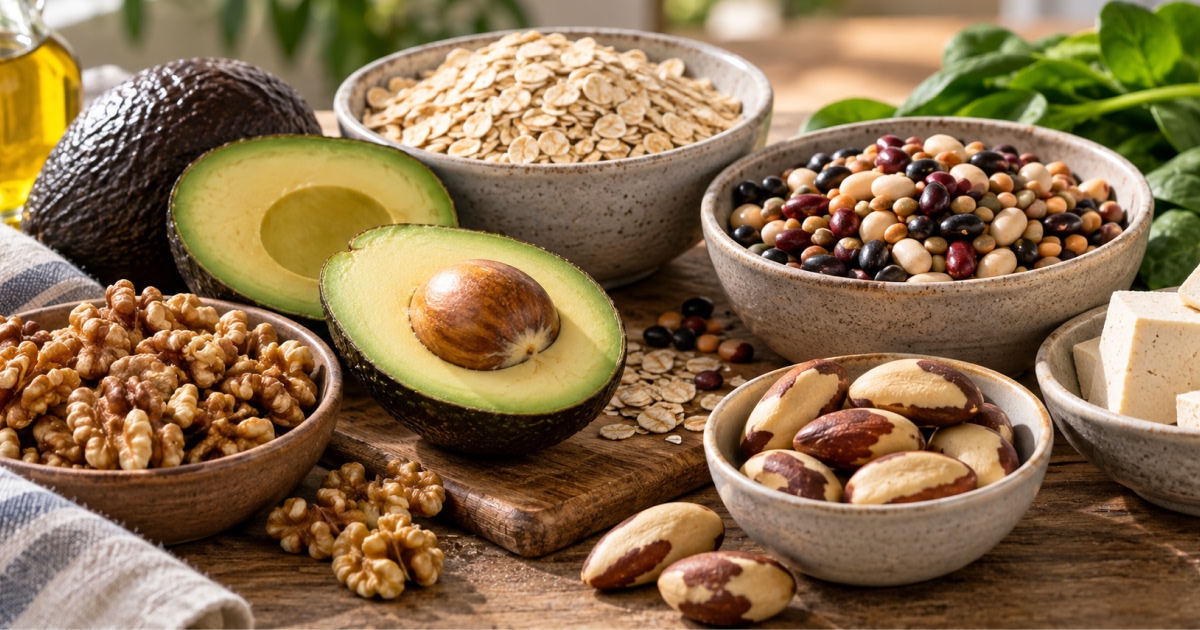

Could something you eat today actually begin changing your cholesterol sooner than you might expect?
For some foods, the evidence is surprisingly strong. Soluble fibers can interfere with the recycling of bile acids, plant sterols can reduce cholesterol absorption, and replacing saturated fats with unsaturated fats can help lower LDL over time. Foods like oats, beans, walnuts, soy, and avocado have all been studied for these effects, although the size and speed of the response varies considerably.
Then there are Brazil nuts.
In one unusual study, just ten healthy adults ate a single serving of Brazil nuts and had their cholesterol measured repeatedly afterward. Within nine hours, researchers recorded lower LDL and higher HDL after the larger servings. It’s an eye-catching finding, but also one that needs context: the study was tiny, and larger trials have not reproduced that dramatic short-term cholesterol effect.
That’s why “quickly” doesn’t mean the same thing for every food on this list. Some have evidence for modest improvements over weeks or months of regular consumption. One produced an intriguing change within hours. And none should be treated as a cholesterol-lowering shortcut.
Here are six foods researchers have studied for their effects on cholesterol, starting with one of the best-supported.
1. Oats: the beta-glucan effect is one of the best-supported claims in nutritional science
Oat beta-glucan – the soluble fiber that gives oatmeal its slightly gluey texture – has one of the longest-running bodies of evidence behind it of any single dietary component. A 2022 study in the Journal of Nutrition found that high-molecular-weight oat beta-glucan consumed at 3 to 4 grams per day in solid foods reduces LDL cholesterol by a clinically meaningful margin. Each 1 percent reduction in LDL cholesterol is associated with roughly a 1 to 2 percent reduction in coronary artery disease risk, according to the American Journal of Clinical Nutrition. A consistent LDL reduction from a bowl of oatmeal translates into meaningful cardiovascular benefit over time.
The mechanism is well understood. Beta-glucan forms a gel in the gut that traps bile acids – the digestive compounds your liver makes from cholesterol. When those bile acids are excreted rather than reabsorbed, the liver draws on more circulating LDL to make replacements, pulling it out of the blood in the process. The FDA authorized a health claim linking soluble fiber from oat sources to a reduced risk of coronary heart disease when consumed as part of a diet low in saturated fat and cholesterol – one of the few nutrition-disease relationships to clear that regulatory bar.
Three to four grams of beta-glucan translates roughly to one and a half cups of cooked oatmeal, or one cup of cooked oat bran. Rolled oats, steel-cut oats, and oat bran all count. Instant oats work too, though they tend to have a lower molecular weight of fiber, which may slightly reduce the effect. Stirring in some walnuts and sliced fruit makes the meal more filling and adds further heart-healthy nutrients.
2. Beans and lentils: regular legume consumption delivers consistent LDL reductions
Legumes – beans, lentils, chickpeas, and dried peas – are one of the most underused tools in cholesterol management. A meta-analysis of clinical trials found that common beans reduced LDL cholesterol by 19 percent while also being associated with an 11 percent lower risk of cardiovascular disease. A recent systematic review and meta-analysis of randomized controlled trials found that consuming a median of about half to two-thirds of a cup of pulses per day modestly reduced LDL cholesterol.
Legumes work through multiple overlapping pathways. Their soluble fiber binds bile acids in the same way oat beta-glucan does. They’re also rich in plant protein, which may partially replace animal protein in the diet – and swapping saturated-fat-heavy animal proteins for legumes removes a major driver of LDL production. Legumes also carry resistant starch and phytosterols, plant compounds that compete with dietary cholesterol for absorption in the small intestine.
Half a cup of cooked beans per day is an achievable target. Canned beans are nutritionally comparable to home-cooked when you rinse them first to reduce sodium. Add black beans to scrambled eggs, stir lentils into soup, or use white beans as a base for pasta. Among foods that may help lower LDL, legumes consistently appear as one of the most cost-effective options available.
3. Walnuts: unique fatty acid profile, replicated results
Walnuts occupy a distinct position among tree nuts because of their unusual fat composition. Unlike most nuts, which are predominantly monounsaturated, walnuts are rich in alpha-linolenic acid – an omega-3 fatty acid – alongside polyphenols and fiber. A 2026 meta-analysis found that walnut consumption significantly reduced triglycerides, total cholesterol, and LDL cholesterol, with no overall adverse effect on HDL. A 2024 review on walnut cardiovascular health identified walnut bioactive ingredients – including omega-3 fatty acids, antioxidants, fiber, and polyphenols – as contributors to improved lipid profiles and cardiovascular risk factors.
Research published by the American Heart Association found that healthy older adults who ate roughly half a cup of walnuts daily for two years modestly lowered their LDL cholesterol levels. The cholesterol effect from walnuts accumulates over weeks of regular consumption.
A one-ounce serving of walnuts, around 14 halves, fits easily into a daily routine. They work well on oatmeal, in salads, blended into pesto, or eaten plain. Their higher omega-3 content makes them a better choice than most other nuts for someone specifically targeting LDL.
4. Avocado: monounsaturated fat and plant sterols working together
Avocados are unusually fat-dense for a fruit – and that’s where their cholesterol benefit comes from. A 2023 study on avocado and cholesterol found that avocados are rich in monounsaturated fatty acids, fiber, and plant sterols, all of which carry cholesterol-lowering properties. The monounsaturated fat in avocados, when it replaces saturated fat in the diet, reduces LDL cholesterol without lowering HDL – a favorable tradeoff that saturated fats don’t offer.
A 2022 prospective study in the Journal of the American Heart Association found that individuals consuming at least two servings of avocado per week had a 16 percent lower risk of cardiovascular disease compared to those who ate little or none. Two servings per week is roughly one whole avocado spread across meals.
The plant sterols in avocados compete with cholesterol for absorption in the gut – the same mechanism behind legumes and oats. A diet that includes several of these foods simultaneously tends to produce more consistent results than rotating through them individually.
5. Soy foods: a modest effect, and an ongoing scientific debate
Soy is the most contested food on this list. A meta-analysis of 11 randomized trials found that soy isoflavones – the plant estrogen compounds in soy – decreased serum LDL cholesterol by approximately 3.58 percent.
The same American Heart Association advisory cautioned that the evidence did not support a significant role for soy isoflavones specifically in cholesterol reduction on average across larger populations. The protein fraction of soy, rather than the isoflavones, appears to carry more of the cholesterol-lowering effect. Whole soy foods – tofu, tempeh, edamame, soy milk – likely contribute more benefit than isolated isoflavone supplements.
Twenty-five grams of soy protein daily is achievable with a cup of edamame (about 17 grams) plus a serving of firm tofu at dinner. Using unsweetened soy milk in oatmeal is another simple layering strategy that addresses two items on this list simultaneously.
6. Brazil nuts: the strange nine-hour cholesterol finding
Brazil nuts are the most concentrated dietary source of selenium on earth. A single nut can supply the full adult daily requirement of 55 micrograms, sometimes more, depending on soil conditions where the tree grew.
But it’s their potential effect on cholesterol that produced one particularly surprising study. In a small 2013 trial involving just ten healthy adults, participants consumed either 0, 5, 20, or 50 grams of Brazil nuts on a single occasion. Researchers measured their cholesterol over the hours and days that followed. By nine hours, LDL cholesterol was significantly lower and HDL cholesterol higher after the 20- and 50-gram servings.
It’s an intriguing result, but an extremely small study shouldn’t be mistaken for evidence that eating a handful of Brazil nuts can reliably transform someone’s cholesterol in a matter of hours. A 2022 systematic review and meta-analysis of randomized clinical trials found no significant overall effect of Brazil nut consumption on LDL, HDL, or total cholesterol.
What Brazil nuts do reliably offer is selenium. The same 2022 meta-analysis found that Brazil nut consumption significantly increased blood selenium concentrations and glutathione peroxidase activity, even though significant improvements in standard cholesterol measures weren’t observed overall.
Selenium serves as a building block for glutathione peroxidase, an antioxidant enzyme that helps protect cells from oxidative damage. Oxidized LDL, LDL that has been modified through oxidative processes, is involved in the development of atherosclerosis. Supporting the body’s antioxidant defenses could therefore be relevant to cardiovascular health, although that doesn’t mean selenium supplementation or Brazil nuts have been shown to prevent cardiovascular disease through this mechanism.
There’s also a reason not to overdo them. The National Institutes of Health notes that Brazil nuts contain particularly high amounts of selenium and that chronically excessive selenium intake can cause adverse effects. Selenium concentrations in individual nuts can also vary considerably. Brazil nuts are an exceptionally rich source of selenium, but the evidence isn’t strong enough to rely on them as a way to meaningfully lower your cholesterol.
The Bigger Picture on Food and Cholesterol
The Brazil nut study makes for the most surprising headline, but it shouldn’t obscure the more useful finding: cholesterol responds to what you eat, and some dietary changes have considerably stronger evidence behind them than others.
Oat beta-glucan and the soluble fiber found in legumes have repeatedly demonstrated LDL-lowering effects. Walnuts, avocado, and whole soy foods can contribute through combinations of unsaturated fats, fiber, plant sterols, and plant protein. These aren’t overnight transformations, but modest changes repeated consistently can add up.
Brazil nuts are the outlier. The rapid cholesterol changes observed in that tiny study are interesting, but they haven’t been convincingly replicated. Their much stronger nutritional case is as an exceptionally concentrated source of selenium, which also means more isn’t necessarily better.
Ultimately, the goal isn’t to find one food capable of “fixing” cholesterol. It’s to build an eating pattern that repeatedly nudges LDL in the right direction: more soluble fiber and minimally processed plant foods, more unsaturated fats in place of saturated fats, and fewer foods that push LDL upward.
And if your LDL is high enough that you’ve been prescribed cholesterol-lowering medication, these foods are complements to treatment, not replacements for it. Diet can meaningfully influence cholesterol, but the most effective approach depends on your overall cardiovascular risk, not what happens after a single meal.
Disclaimer: This information is not intended to be a substitute for professional medical advice, diagnosis, or treatment and is for information only. Always seek the advice of your physician or another qualified health provider with any questions about your medical condition and/or current medication. Do not disregard professional medical advice or delay seeking advice or treatment because of something you have read here.
AI Disclaimer: This article was created with the assistance of AI tools and reviewed by a human editor.
Read More: The Cholesterol Particle Your Doctor Isn’t Testing — and Why It Matters