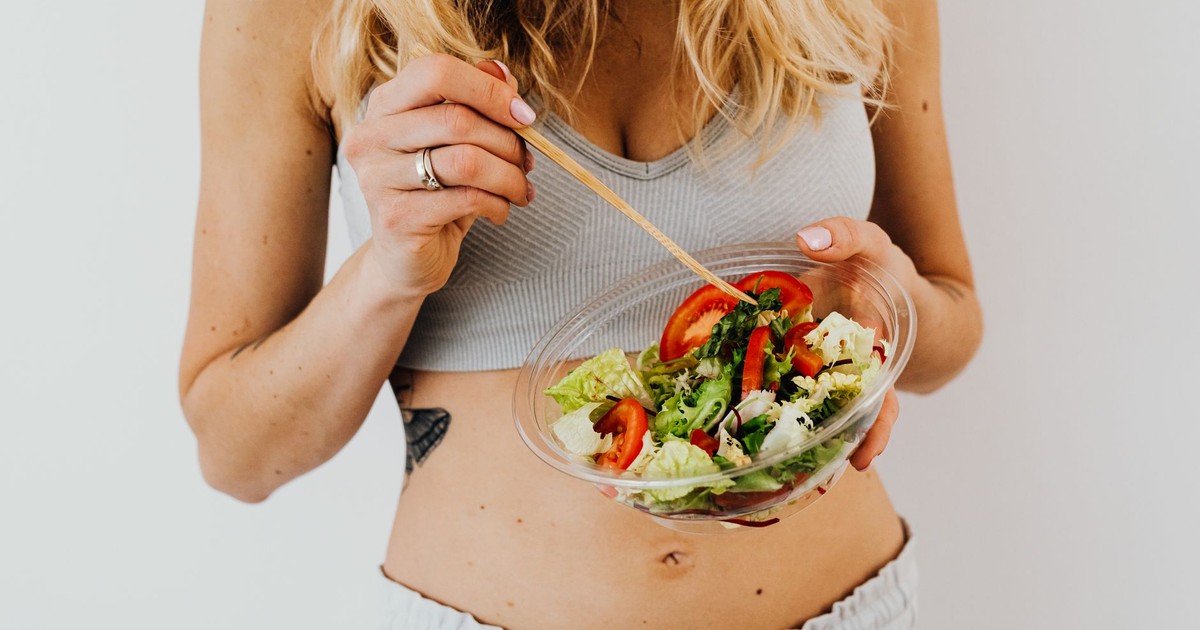

Roughly 1 in 3 adults worldwide is currently living with fat accumulated in their liver – most of them without a single symptom. The condition, known as metabolic dysfunction-associated steatotic liver disease (MASLD, formerly called nonalcoholic fatty liver disease or NAFLD), has a US prevalence of 38%, having increased by 50% within the past three decades. Modeling studies project that global prevalence could reach 55.7% by 2040, and the disease plays a significant role in increasing the risk of cirrhosis and hepatocellular carcinoma.
Medication options remain limited. The first drug approved by the FDA specifically for NASH – resmetirom – only received authorization in March 2024, and only for adults with moderate to advanced liver fibrosis. For the vast majority of people with early or moderate liver fat accumulation, diet remains the primary lever. Fructose, heavily used in soft drinks and processed foods, has been strongly linked to MASLD. Several foods, meanwhile, have well-documented, direct effects on liver fat, blood sugar, and cholesterol, working through different mechanisms in each case.
Avocados, walnuts, and blueberries each do something measurable inside the liver, and they each bring secondary benefits to blood glucose and lipid levels that make them particularly relevant for anyone managing metabolic health. The research behind each one is specific enough to act on.
1. Avocados
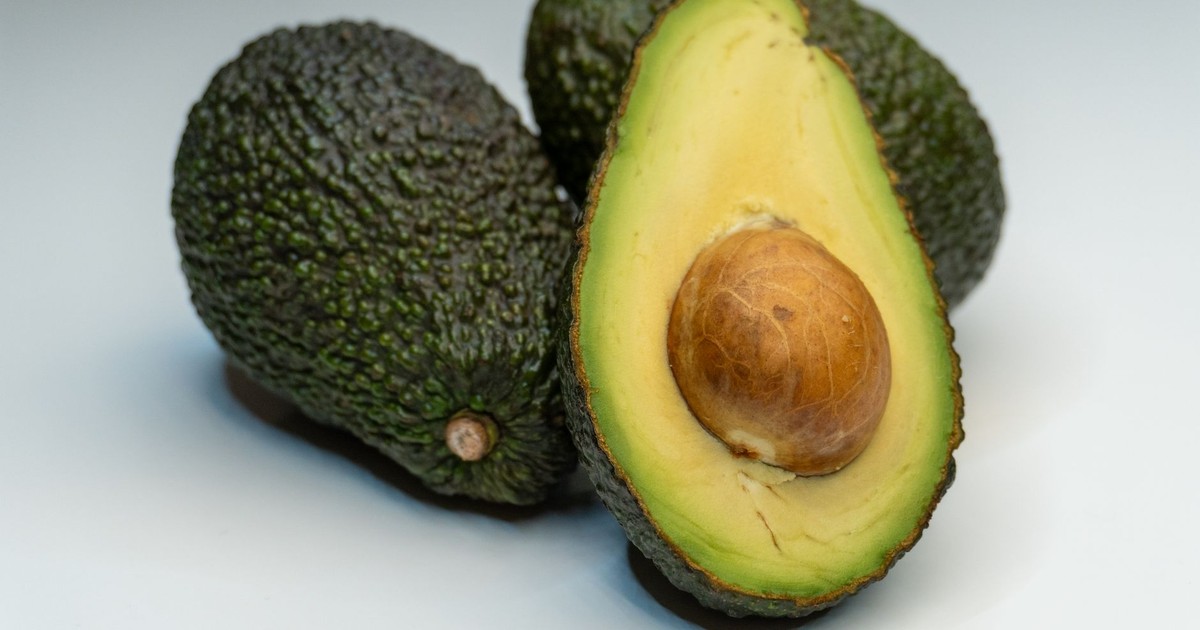
The global prevalence of NAFLD among people with type 2 diabetes is over 65%, which puts blood sugar control squarely in the center of any conversation about liver fat. Avocados address both problems simultaneously and through distinct biological pathways.
On the blood sugar side, avocados earn their reputation through composition rather than any single magic compound. MASLD is closely associated with type 2 diabetes, and managing post-meal glucose spikes is a meaningful part of slowing liver fat progression. Avocados help here because, according to Medical News Today, their low carbohydrate content, combined with high fiber, helps manage blood sugar levels without causing spikes. Fiber slows digestion and delays glucose absorption, keeping blood sugar steadier after meals – a direct benefit for anyone whose liver is already under metabolic strain.
The cholesterol picture is equally specific. The same source notes that the monounsaturated fatty acids (MUFAs) in avocados can improve heart health by raising HDL (the “good” cholesterol) and lowering LDL (the “bad” cholesterol). Monounsaturated fats are associated with better lipid profiles in part because they don’t trigger the same fat-synthesis pathways in the liver that refined carbohydrates and trans fats do. For practical use, half a medium avocado per day – sliced over a salad, mashed on whole-grain toast, or blended into a smoothie – delivers a meaningful dose of both fiber and MUFAs without dramatically changing calorie intake.
2. Walnuts: Foods That Lower Liver Fat and Rebalance Lipids
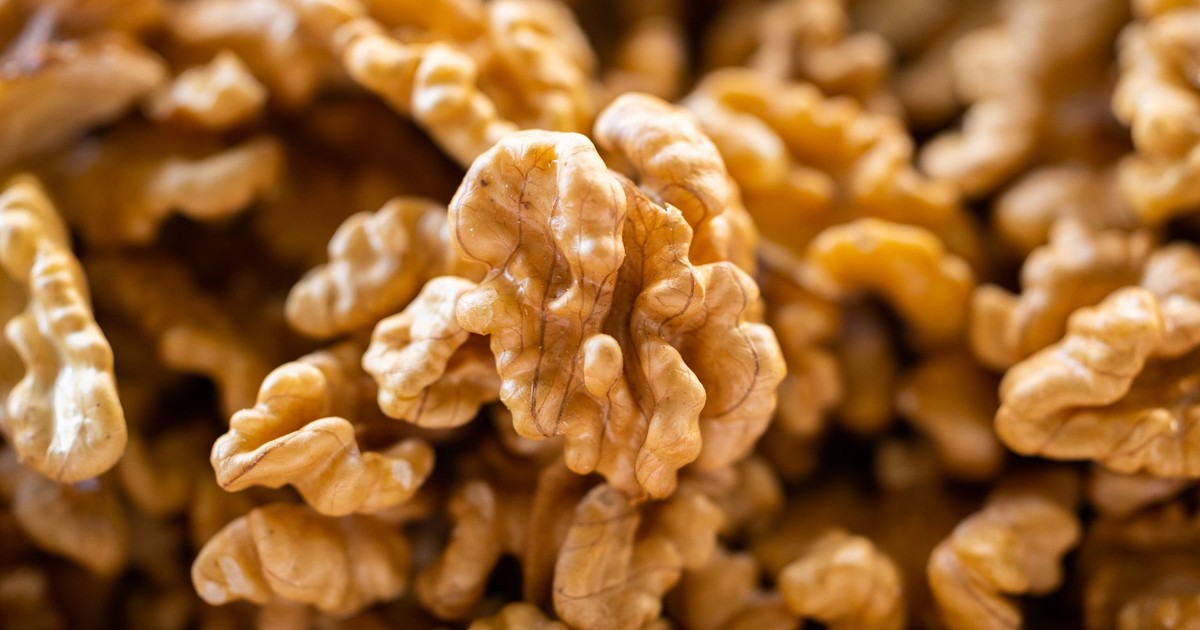
Walnuts occupy a different corner of the metabolic picture. Their benefit for the liver is tied to a specific biological mechanism that distinguishes them from most other nuts. A 2016 study published in PLOS ONE found that walnut supplementation in high-fat diet mice prevented the inactivation of AMPK – an enzyme that regulates fat metabolism – accompanied by a reduction in fat synthesis in the liver. AMPK (AMP-activated protein kinase) acts like a fuel sensor for cells; when it’s active, the body burns fat rather than storing it. When it’s suppressed – as happens in fatty liver disease – fat accumulates. Walnuts appear to help keep that switch in the “on” position.
The cholesterol effects are backed by human data. A 2021 study in the journal Applied Sciences found that walnut-enriched diets can significantly reduce blood levels of total cholesterol, LDL cholesterol, and triglycerides. These aren’t minor statistical shifts – all three markers are directly relevant to cardiovascular risk, which matters because cardiovascular disease is the main cause of mortality among people with NAFLD. Treating liver fat and cholesterol together, rather than separately, is exactly the kind of dual-action that walnuts deliver.
For people who follow a Mediterranean-style eating pattern – which the Mayo Clinic recommends as the dietary approach best supported by evidence for people with MASLD – walnuts fit naturally. A small handful (about 28 grams or one ounce) consumed daily is consistent with the amounts used in research. They work well added to oatmeal, mixed into salads, or eaten as a standalone snack between meals.
For anyone looking to build out a broader liver-supportive eating pattern, this guide to herbs that support a healthy liver covers several complementary options backed by recent research.
3. Blueberries
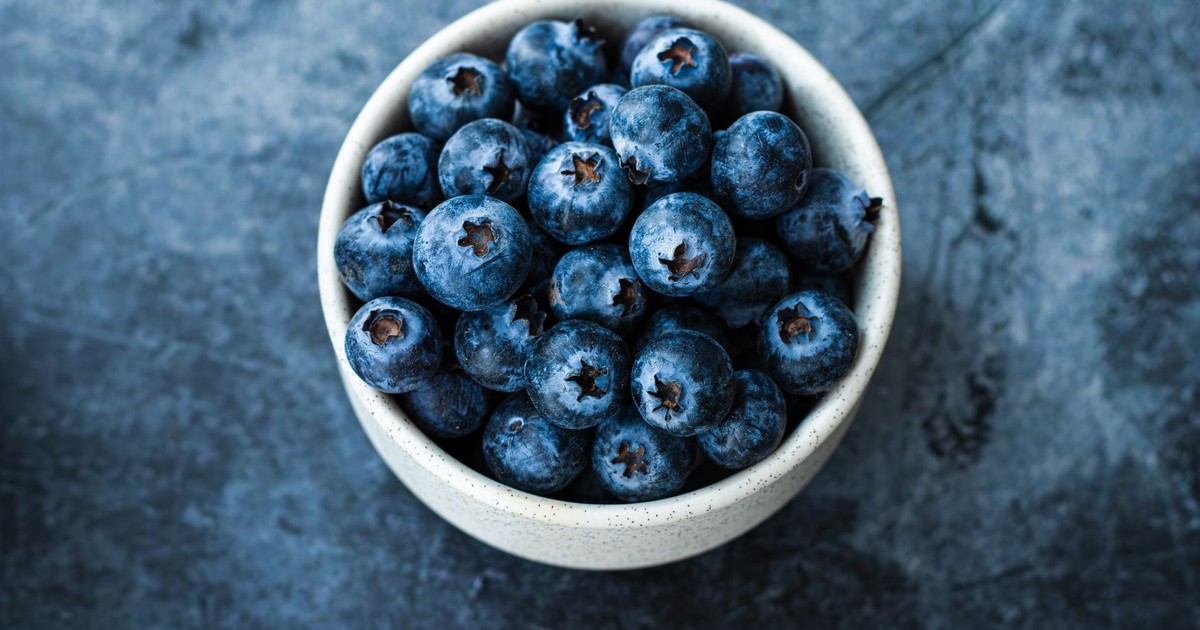
Blueberries bring a different kind of firepower: antioxidant compounds called anthocyanins, which give the berries their deep blue-purple color. A 2020 study published in Nutrients found that blueberries contain anthocyanins, polyphenols, and flavonoids and appear to have the highest antioxidant capacity among commonly consumed fruits. Antioxidant capacity matters for the liver because oxidative stress – damage caused by unstable molecules called free radicals – is one of the drivers of fatty liver progression from simple fat accumulation to inflammation and scarring.
Research suggests that anthocyanins may have a beneficial impact on liver health, particularly in the context of NAFLD, by balancing lipid storage and metabolism. A 2025 animal study published in Nutrients found that blueberry extract rich in anthocyanins notably diminished lipid accumulation in both the serum and liver, and reduced hepatic steatosis and oxidative stress in mice fed a high-fat diet. The honest caveat is that most of the strongest blueberry data comes from animal models and cell studies rather than large-scale human trials. Some small human studies have suggested that regular consumption may be associated with improved insulin sensitivity, reduced blood pressure, and favorable lipid profiles – all factors relevant to NAFLD management – though findings are not universal and further research is needed.
That nuance doesn’t undermine the case for eating blueberries. Whole foods with strong antioxidant profiles and no meaningful downside are worth including in any diet targeting metabolic health – and blueberries are cheap, widely available, and easy to incorporate. A cup of fresh or frozen blueberries daily, added to yogurt, oatmeal, or eaten on their own, provides a practical dose of the polyphenols researchers have been studying. Frozen blueberries retain their anthocyanin content well, making them an accessible year-round option.
Read More: 9 Foods That Support Liver Function
What to Do With This Information

Diet is the most accessible tool most people have for managing liver fat. NAFLD global prevalence is 30% and increasing, which requires urgent and comprehensive strategies to raise awareness. The three foods covered here – avocados, walnuts, and blueberries – work through genuinely different pathways: avocados manage blood sugar and raise HDL cholesterol through fiber and MUFAs; walnuts activate fat-burning enzymes and lower triglycerides; blueberries deliver antioxidant compounds that reduce the oxidative stress driving liver inflammation. They’re most effective as part of a broader dietary pattern rather than used individually.
Global NAFLD prevalence increased by over 50% between 1990 and 2019. The Mayo Clinic’s 2025 guidance on MASLD notes that losing 5% to 10% of body weight can significantly improve MASLD outcomes – and the foods most associated with that kind of sustainable weight loss happen to be exactly the ones with the strongest direct liver benefits: whole foods rich in fiber, healthy fats, and antioxidants. Adding avocados, walnuts, and blueberries to your regular rotation is a low-effort, evidence-backed starting point for anyone working to reduce liver fat through diet.
Disclaimer: The author is not a licensed medical professional. The information provided is for general informational and educational purposes only and is based on research from publicly available, reputable sources. It is not intended to constitute, and should not be relied upon as, medical advice, diagnosis, or treatment. Always consult a licensed physician or other qualified healthcare provider regarding any medical condition, symptoms, or medications. Do not disregard, avoid, or delay seeking professional medical advice or treatment because of information contained herein.
AI Disclaimer: This article was created with the assistance of AI tools and reviewed by a human editor.
Read More: Harvard Doctor Recommends 4 Weekly Snacks to Combat Fatty Liver