

Understanding how predators choose victims can feel a bit unsettling at first, but learning about it also gives people more awareness while they move through the world. A viral video shared by a young forensics student recently brought this old conversation back into the spotlight. She explained how attackers sometimes rely on subtle walking cues when selecting a target, and her breakdown made the topic easier for many people to understand. It also helped show that this idea, which people argued about for years, actually has some research behind it.
The video spread quickly across social media because the student used simple language instead of heavy academic terms. She talked about how someone’s walk can convey confidence, fear, distraction, or hesitation. These clues often reveal something long before anyone even speaks. Although the full subject is complex, it still offers insight into how people get read by others. Researchers found that some offenders do look for patterns in movement, and these patterns often appear in a person’s gait.
The Research That Started the Conversation
The idea that attackers study movement is not new at all. Back in the early 1980s, two researchers named Betty Grayson and Morris I. Stein ran a tiny but famous study. They filmed people walking on a street, doing nothing special, then showed the clips to incarcerated offenders who had committed violent crimes. Many of them pointed to the same walkers as the easiest targets. They were not judging people by strength or age. They were judging something else, which researchers later linked to rhythm, posture, speed, and how someone carried their arms.
A few decades later, a 2013 study expanded this work and made the whole idea even more interesting. In this newer research, inmates watched short walking videos and guessed who looked most vulnerable. The participants who scored higher on psychopathy tests often made the most accurate predictions. Some people found this surprising, but others thought it made sense. These offenders seemed to pick up on emotional signals that regular observers often miss. The forensics student mentioned this study in her video, though she explained it in a casual and easy way, which probably helped the video become popular.
The researchers behind the work never said every offender chooses based on gait alone. They wrote that gait gives quick clues, but it is only part of a bigger picture. Attackers often select people who seem distracted or isolated, and gait sometimes reveals those details faster than appearance or speech. When this is understood properly, the topic becomes more about awareness and less about fear. No one needs to walk around acting like a robot. They just need to understand how movement gets seen by others.
Researchers also warn about the environment’s role. Many crimes happen because a setting makes them possible. Gait matters, but it does not outweigh lighting, distance from others, or how crowded a place is. The student did mention this briefly, though people often focus more on the walking part because it feels easier to control. Still, gait stays a relevant piece of the puzzle.
How Gait Signals Confidence or Hesitation
When the forensics student talked about gait, she pointed out tiny things that most people ignore. A walker with short steps, lowered head, or stiff arms sends a quiet message. That message says something like, ‘I do not feel steady right now’. Attackers notice this. A hesitant gait may come from stress, worry, or distraction, but an offender often reads it as low resistance.
In contrast, some walkers take large uneven steps or swing their arms too wide. These movements look loose or clumsy. Predators sometimes interpret clumsiness as a lack of control, which they find appealing for the wrong reasons. The student never said these signs guarantee danger, but she explained why they attract the type of person who searches for weakness.

Then there is the natural, balanced gait, which feels relaxed and steady. A person who walks upright, with a smooth pace and light arm swing, tends to look more grounded. They also usually show better awareness because their body is not locked in tension. When people walk this way, attackers often skip them because they seem like too much trouble. Confidence, even mild confidence, changes perception.
Gait does not involve one single part of the body either. Arms, legs, torso, and the head all express information at once. When the movements line up, the body seems coordinated. Offenders read this as strength or certainty. When the movements do not line up, they may read the person as uncertain. Again, none of this blames victims for anything. It only describes how criminals view the world. Once you learn how someone might misread your body language, the science becomes more practical.
Why Predators Pay Attention to Movement
If you think about it, most people do this too. We read people without thinking about it. We notice who looks stressed, who seems relaxed, or who might be struggling. Offenders use that same instinct but twist it into something harmful. They look for people who seem unaware or easy to approach. Movement becomes their shortcut because it shows emotion without speech.
The interesting part is that this assessment happens really fast. Attackers sometimes look at someone for only three or four seconds, then form a decision. They do not need much time because gait gives so much information. A confident stride suggests awareness. A hesitant one suggests fear or distraction. Attackers want someone who will not react quickly, so they search for these small giveaways.
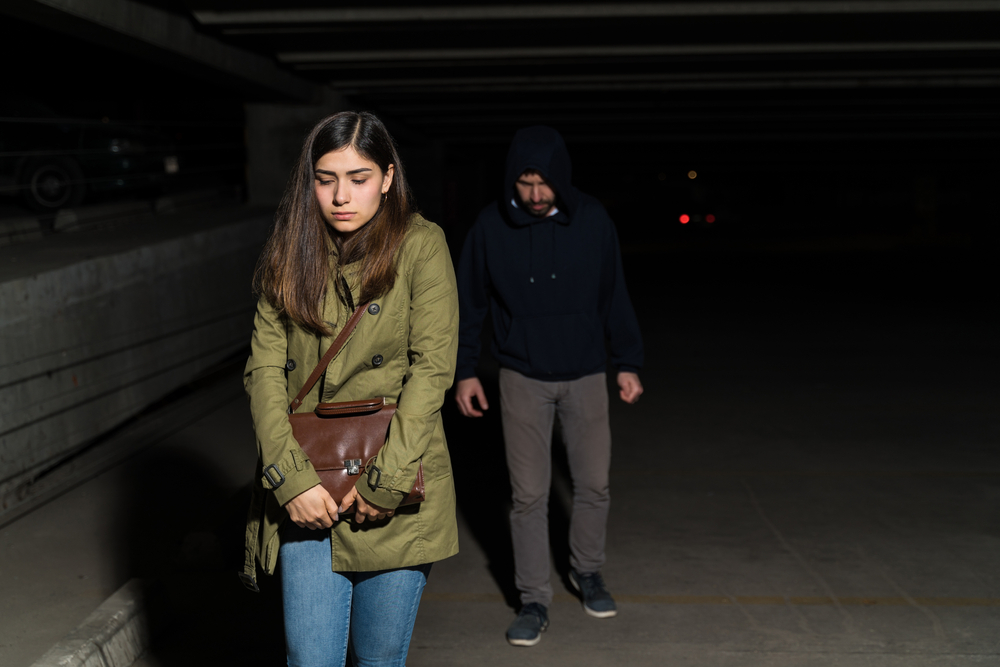
Researchers call this process nonverbal leakage. A person who feels anxious often reveals it through behavior instead of words. They might shorten their steps, lower their shoulders, or grip their hands tighter. These signals come out naturally. Offenders, especially those who learned to spot patterns, read these signals like a map.
Still, none of this means gait alone creates safety. Many people walk awkwardly for harmless reasons. Someone may have an injury, a disability, or simply a tired day. The goal of the research is awareness. When people understand how predators interpret movement, they can adjust small things in moments where they feel uncertain. But no one should think they are responsible for danger because of how they walk.
Offenders rarely describe their methods openly. Studies uncover patterns because researchers ask questions that offenders might never reveal on their own. Without these studies, the public would not know that gait plays a small part in victim targeting.
The Role of Situational Awareness in Victim Selection
Even with all the talk about gait, the environment still shapes danger the most. Attackers look for places where they have control. These spaces include low lighting, quiet streets, parking structures, or any area with poor visibility. In such spots, how someone walks becomes only one detail in a much bigger moment. A confident walker in a risky location still faces a threat, while a hesitant walker in a safe and busy space may not face anything at all.
Researchers often say that opportunity drives most attacks. Gait can guide selection, but the environment makes the predator act. This is why safety instructors teach situational awareness. Knowing who is near you, staying alert to exits, and noticing unusual behavior reduces opportunity. Awareness limits the attacker’s options, and once options shrink, the danger often fades.

How Walkers Can Use Awareness Without Fear
Research shows that people should move in ways that feel natural, but with a little added attention when they sense something strange.
Posture
Someone who lifts their head slightly and lets their shoulders sit in a loose and open way often looks aware of what is happening around them. This does not mean standing tall like a soldier. It means avoiding the automatic curling inward that comes from stress. A small shift in posture often helps people feel more grounded, which changes how others read them.
Speed
People who walk with a steady pace appear more in control. A very slow pace can sometimes signal distraction, while a rushed, uneven pace can look overwhelmed. A steady rhythm reads as balanced and tuned in. Attackers often avoid people who seem tuned in, which researchers suggest is because reaction time improves with awareness.
Awareness
Awareness means paying attention to surroundings calmly and routinely. Notice who is walking behind you. Look up before crossing a street. Check reflections in windows when something feels off. These habits reduce opportunity without increasing fear. People all over the world practice them daily without even thinking about it.
Walking with intention
A person who moves with a clear direction seems less vulnerable. Offenders notice when someone wanders without focus. They also notice when someone looks lost or overly unsure. Moving with a sense of direction, even if it is casual, communicates control, which often discourages predators.
Small habits change perception. Again, no habit removes all risk, but one or two shifts in body language may reduce how attackers interpret vulnerability. The forensics student tried to show that awareness is a gentle shift, not a lifestyle built on fear.
Why Different Predators Notice Different Cues
Another thing people forget is that predators are not a single group. They think differently, react differently, and choose targets for different reasons. Some look for physical weakness, while others look for distraction. Some want someone who appears lonely. Others seek people who seem less likely to call for help. Because motives vary, the cues they value also change.

Image credit: Shutterstock
This means that gait may influence one type of offender but not another. A person looking for a quick grab may study arm position or stride length. Someone planning a more complex attack may watch for phone use or isolation instead. There is no single formula for how predators think, and researchers have said this many times.
Still, the studies about gait remain helpful because they show something universal. Many attackers study movement in some way. They may not even realize they do it. Humans detect vulnerability through instinct, and predators use that instinct differently than the rest of us. This insight helps people understand why some walkers attract unwanted attention while others do not.
The mind of a predator often processes movement in a faster and more automatic way. Some offenders have trained themselves, through repeated harmful behavior, to recognize subtle cues. Others rely on gut instinct, which may still be influenced by gait without them even noticing. This part of the research clarifies why walking style shows up in so many studies.
Read More: Beneath The Glossy Surface Of Dubai Lies A Hidden World You Never Imagined
Learning From Real World Accounts
Over the years, people have shared personal stories about strange encounters on streets or in parking lots. Many of them describe moments when they felt watched or followed. Some mention that as soon as they stood taller or turned around with clear focus, the person behind them changed direction or lost interest.
A woman once wrote online that she felt uneasy walking home late, then remembered advice she had heard before. She adjusted her stride, lifted her head, and scanned around. She said the man trailing her slowed down and moved away. This is not scientific evidence, but when many people tell similar stories, the experiences align with the research in an interesting way.

Image credit: Shutterstock
Self-defense instructors also report similar patterns. They say students who practice natural but confident movement often feel safer in public. Instructors teach these skills because they help the body communicate awareness. Communication, even silent communication, sometimes prevents trouble before it starts.
The student who posted the viral video did not claim that every single story proves anything. She simply explained how these accounts fit with what researchers have studied for decades. People connect to stories because they feel real, even when the science behind them remains complex.
Balancing Science With Real Life
Science does not have all the answers about how predators choose victims. Studies often use small samples, controlled environments, or artificial scenarios. In real life, people walk differently every day depending on mood, pain, clothing, or weather. Some have movement patterns shaped by disabilities. Others walk fast because they are running late. None of these things defines vulnerability.
The value of the research lies in adding awareness to daily life. Movement can influence how others see us, but movement is also part of being human. The trick is finding a balance. A person does not need to change their entire style. They only need to understand how certain cues might be interpreted when safety feels uncertain.
Closing Thoughts
Learning how predators choose victims helps people understand how fast judgments happen. Movement can show confidence, fear, or distraction in just a few seconds. Offenders watch these signals because they want someone who seems easier to approach. Yet awareness changes the picture. A steady walk, a lifted head, and calm scanning of the surroundings often reduce the opportunity for danger.
Still, none of this research suggests that victims cause crimes. Responsibility always sits with the predator. Gait is simply one part of how humans read one another, and predators twist that instinct for harmful reasons. When people understand these patterns, they gain one more tool for moving through the world with greater clarity.