
What is the safest way to drink if you want to avoid microplastics? Surely, you should avoid plastic bottles and rather use glass bottles, right? Well, a study in France recently measured the levels of microplastics in various types of beverages sold in the country. Believe it or not, they found that all of the drinks were contaminated, including those sold in glass bottles. Plastic production has been on the increase since the 1950s, and much of the devastating pollution we find in both land and sea is driven by single-use plastics. When these plastics degrade, they shed microplastics that end up everywhere from the mountain tops to the ocean floors. So, how did microplastics get into glass bottles, and what are the glass vs plastic bottles health risks?
The Glass vs Plastic Bottles Health Risks
Many studies have recently been carried out regarding the presence of microplastics in everything from our environment to the foods we eat and our very own bodies. One study led by the National Research Institute for Agriculture, Food and Environment and the Institute for Research in Materials in France found that microplastics were found in 75% of the soil samples taken across 33 different sites. This has brought to light the serious risks that these plastics pose to agriculture and natural ecosystems. Without adequate toxicological data, the health risks linked to the consumption of microplastics still remain unclear. However, we do know that micro and nano plastics are able to penetrate organs, such as the colon, lungs, skin, reaching as far as the placenta, kidneys, and even testes.
Microplastics have even been detected in human brain tissue, according to a report by the Parliamentary Office for Scientific and Technological Assessment. There, they have been recorded as reaching as high as 0.5% by weight. They additionally found that the concentration of microplastics in the lungs increases as we grow older. This further suggests that these plastics remain inside long-term. Studies have suggested that exposure to microplastics can potentially increase the risk of developing conditions such as myocardial infarction, stomach cancer, and stroke. Furthermore, the toxicity of these plastics can be linked to the dangerous chemicals that they contain or are able to absorb from the surrounding environment. There are more than 4,000 such chemicals that are classified as dangerous to human health.
The ANSES Study
Most of the microplastics we ingest are from contaminated drinks and food. Various studies have found microplastics in both tap and bottled water, and in foods including fruits, vegetables, meat, eggs, rice, and tea. A study by the French Agency for Food, Environmental and Occupational Health & Safety (ANSES) measured microplastic counts in soft drinks, bottled water, beer, wine, bottled water, iced teas, and lemonades. While the levels varied from beverage to beverage, they picked up microplastics measuring between 30 μm and 500 μm in every beverage. The bottled water contained comparatively low levels at 2.9 MPs/L. Sodas contained 31.4 MPs/L and lemonades contained 101.5 MPs/L. Iced teas contained around 14.6 MPs/L and beer contained 84 MPs/L.
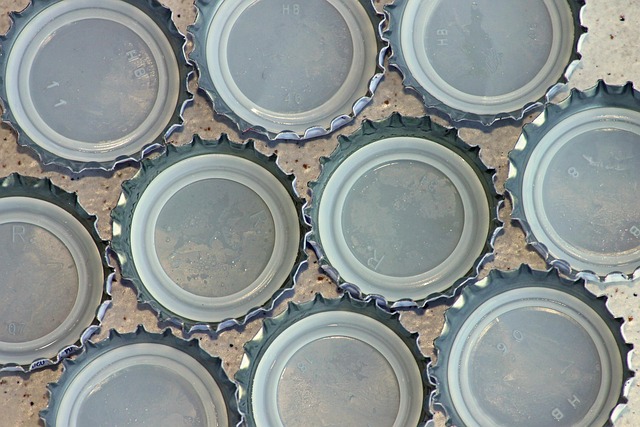
Lastly, wine sold in glass bottles averaged around 12.0 MPs/L. Surprisingly, beverages sold in glass bottles were found to actually contain higher amounts of microplastics than those sold in cans or plastic bottles. The researchers found that the microplastics in the bottles matched the polymer composition and color of the cap materials. This indicates that cap abrasion caused during large-scale storage is likely causing the contamination. They have suggested that washing the caps before sealing the bottles can significantly reduce the levels of microplastics in the beverage.
Wine bottles stood out from the rest of the glass bottle beverages, as corks are used instead of plastic caps. If your tap water is safe to drink, a reusable stainless-steel bottle filled from the tap likely reduces exposure to microplastics. Also, keep in mind that hot liquids typically accelerate the shedding of plastic from packaging. While these steps may not completely eliminate exposure, they may significantly reduce it. However, as we have learned, nanoplastics can already be found in our lungs and brain tissue.
The Bottom Line
The French ANSES study has flipped the common belief that plastic bottles contain more micro and nanoplastics on its head. This is because the painted metal caps end up shedding polyester fragments during storage and handling. These fragments then end up in the beverage when the bottles are sealed. Studies have shown that cleaning the caps before sealing the bottles can significantly cut down on contamination. There are steps that you can take as a consumer, too. For one, if your tap water is safe to drink, then fill up a stainless steel bottle or a reusable glass bottle.
Read More: Doctors Claim To Have Discovered a Method to Remove Microplastics from the Human Body