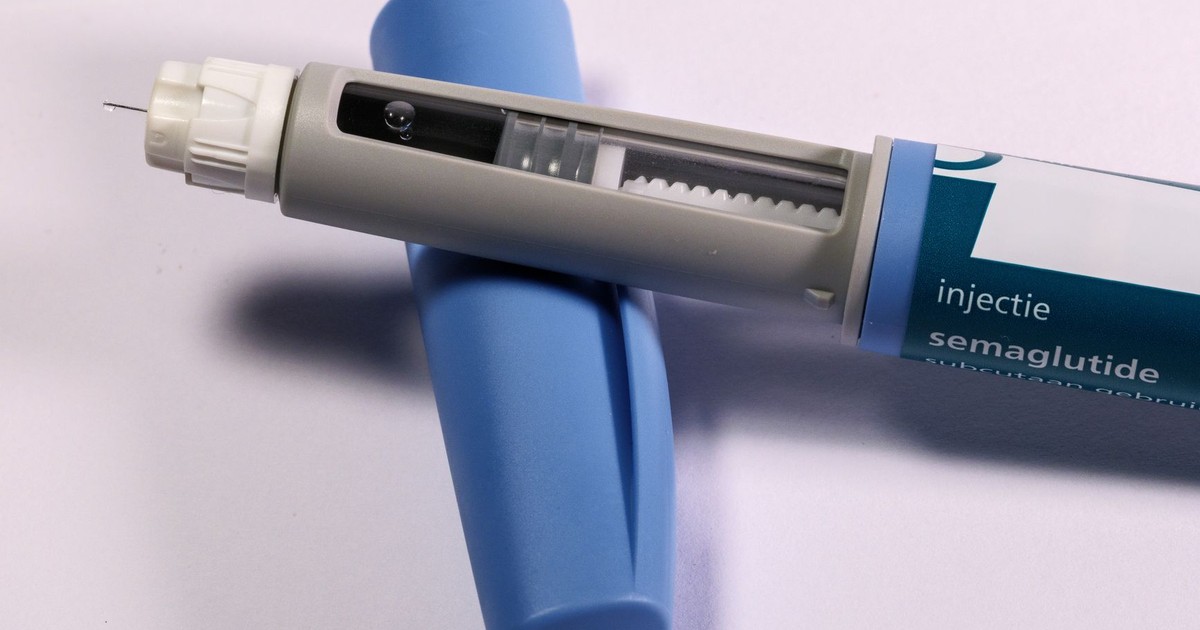

Semaglutide lowered markers of nerve-cell damage by roughly 10 percent in people who already had Alzheimer’s disease. That biological signal did not turn into a measurable clinical benefit within the trial period. The gap between a lab marker changing and patients actually doing better is central to the current debate about GLP-1 drugs and brain health.
The drugs in question are some of the most prescribed medicines in the world. Animal studies show that GLP-1 drugs can affect memory and learning. Patient-record studies have linked GLP-1 treatment to a lower risk of dementia in people with Type 2 diabetes. Those findings have generated real interest. But a 2026 review published in Science by researchers Stina Börchers and Christoffer Clemmensen raises a question the data has not yet answered. Are these drugs protecting the brain directly? Or are they simply fixing the metabolic problems that damage the brain in the first place?
Editor’s note: The headline says these drugs are linked to possible effects on brain health. The strongest trial evidence so far comes from the EVOKE studies. Those trials did not show that semaglutide slowed thinking decline in people who already had early Alzheimer’s disease. Any direct brain benefit is still unproven.
What do GLP-1 drugs actually do?
GLP-1 is a natural hormone released from the gut after eating. The drugs that mimic it belong to a class called GLP-1 receptor agonists. GLP-1 receptors are found in the gut, the pancreas, and the brain. That is why semaglutide can slow how quickly the stomach empties. It can also act on the reward and hunger centers of the brain.
Semaglutide is the active ingredient in Ozempic and Wegovy. It is a lab-made version of GLP-1, changed so it can be taken once a week. Tirzepatide, sold as Mounjaro and Zepbound, also works on hunger-regulating regions of the brain. It slows how quickly food leaves the stomach. It quiets appetite hormones while boosting those that signal fullness. Semaglutide targets only GLP-1 receptors. Tirzepatide also activates GIP receptors, a second gut-hormone pathway that further reduces appetite and promotes fullness.
Both drugs produce meaningful weight loss. They also improve blood sugar, blood pressure, and heart and blood vessel health. That metabolic profile is why researchers started watching what happened to the brains of people taking them.
Read More: Your Diabetes Medication May Also Be Protecting Your Brain
How are metabolic health and brain health connected?
The conditions that GLP-1 drugs treat include obesity, Type 2 diabetes, high blood pressure, and blood vessel disease. Those are also among the strongest changeable risk factors for thinking decline. GLP-1s reduce stroke risk and improve blood sugar, blood pressure, and weight. Those conditions can directly contribute to vascular dementia, a form of dementia tied to blood-vessel damage.
GLP-1 drugs are known to reduce inflammation and improve how the body responds to insulin. Both of those changes could, in theory, help protect against thinking decline. Long-term insulin resistance is especially relevant here. Research has linked it to nerve-cell death, inflammation, and oxidative stress in the brain. Oxidative stress is damage from unstable molecules. When GLP-1 drugs improve insulin sensitivity in the body, there may be later effects in brain tissue as well.
The question Börchers and Clemmensen examine in Science is whether that indirect pathway is doing all the work. Or are the drugs also acting on the brain through separate means? Animal studies have shown that GLP-1 may increase synaptic plasticity, meaning how connections between nerve cells change. They may also reduce inflammation and nerve-cell damage. Those are key factors in diseases that wear down the brain. Animal findings don’t always hold up in humans, and the human trial results have been mixed.
What do patient-record studies show?
Large observational studies have associated GLP-1 receptor agonists with a lower risk of thinking problems and dementia. These findings come from analyses of patient records, not from controlled trials that randomly assign people to a drug or a comparison group.
One study was led by researchers at Case Western Reserve University and published in the Journal of Alzheimer’s Disease. It found that semaglutide was linked to a 46 percent lower risk of Alzheimer’s-related dementia compared with insulin. It was also linked to a 33 percent lower risk compared with metformin. That was in a real-world group of people with Type 2 diabetes. A group study of 109,778 people by Cheng and colleagues was published in Diabetes/Metabolism Research and Reviews. It found a reduced dementia risk among GLP-1 users.
Observational studies cannot prove that the drugs themselves caused the lower dementia risk. People prescribed GLP-1 drugs may be healthier or more engaged with their care. They may also have better-controlled metabolic conditions than people who are not. Those differences alone could explain lower dementia rates.
What happened in the EVOKE trials?
Novo Nordisk ran two large Phase 3 trials to find out whether semaglutide could directly slow Alzheimer’s disease. The EVOKE and EVOKE+ trials enrolled 3,808 adults aged 55 to 85. The participants had mild thinking problems or mild dementia due to Alzheimer’s disease. Mild cognitive impairment means thinking problems that are noticeable but not severe enough to be called dementia.
Neither trial showed that oral semaglutide slowed thinking decline or overall decline compared with a placebo. The people in the trials already had early-stage Alzheimer’s disease. Combined analyses also did not show a delay in the time it took for people with mild thinking problems to progress to dementia.
The trials did report biomarker changes that fit with how researchers think semaglutide may work in the body. A biomarker is a biological signal measured in tests. Reductions of about 10 percent were seen in certain markers of nerve-cell damage. Those changes did not turn into a measurable clinical benefit within the trial period.
GLP-1 receptor agonists interact with pathways involved in brain inflammation. Lab and animal research has suggested these drugs may reduce that inflammation. That biological signal was not enough to produce a measurable clinical benefit once brain-cell damage was already established. The negative outcomes suggest that limited entry of semaglutide into the brain may be a key factor. The drug may not cross the blood-brain barrier in large enough amounts. That barrier is the tight filter that controls what enters the brain. Once damage is already underway, too little may get through to have a meaningful effect.
Is prevention different from treatment?
Animal studies show that GLP-1 drugs can affect memory and learning, but findings in humans have been mixed. The evidence from patient records is strongest in people who have metabolic risk factors for dementia but have not yet developed it. That suggests the window for benefit, if there is one, may come years or decades before symptoms appear.
Stina Börchers, first author of the Science review, works with the universities of Gothenburg and Copenhagen. She has noted that any benefit may depend on starting treatment before major damage occurs. The Science review concluded that the most likely candidates for a thinking benefit are people with obesity or Type 2 diabetes. Their thinking difficulties are linked to treatable factors like blood sugar, blood pressure, blood vessel health, and sleep.
If GLP-1 drugs do help the brain, the available evidence points toward protecting it from metabolic and blood-vessel damage that builds up over decades. It does not point toward reversing disease that is already established.
What does this mean if you take a GLP-1 drug?
The GLP-1 and brain health story is still at an early stage. GLP-1s reduce stroke risk and improve blood sugar, blood pressure, and weight. Those conditions can contribute to vascular dementia. Observational data also links them with lower dementia rates across several large datasets. The randomized trial evidence in people with established Alzheimer’s disease came up negative. Those two findings point in different directions, toward different groups of people and different stages of disease.
If you have obesity or Type 2 diabetes, and your doctor has recommended a GLP-1 medicine for those conditions, a possible thinking benefit is a fair secondary question to raise. If you are otherwise healthy and thinking about starting one of these drugs only to protect your brain, the current evidence does not support that decision. Bring the question to your doctor. They can weigh your individual risk, your metabolic health, and what the research actually says. This is not a reason to start, stop, or change any medication on your own.
Disclaimer: The author is not a licensed medical professional. The information provided is for general informational and educational purposes only and is based on research from publicly available, reputable sources. It is not intended to constitute, and should not be relied upon as, medical advice, diagnosis, or treatment. Always consult a licensed physician or other qualified healthcare provider regarding any medical condition, symptoms, or medications. Do not disregard, avoid, or delay seeking professional medical advice or treatment because of information contained herein.
AI Disclaimer: This article was created with the assistance of AI tools and reviewed by a human editor.