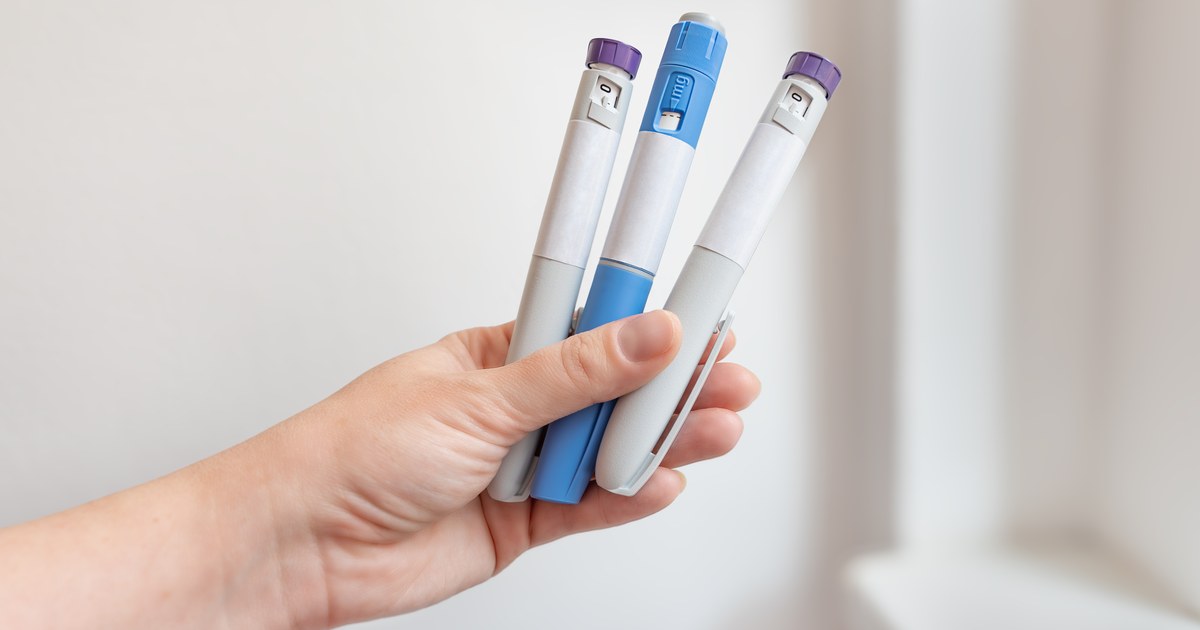

On November 9, 2026, the FDA told the makers of all GLP-1 drugs to add a new warning to their labels. That includes Ozempic, Wegovy, Mounjaro, and Zepbound. The warning is about a possible higher risk of NAION. This is a rare eye condition. It can cause sudden vision loss in one eye, and that loss can be permanent.
The eye condition itself is not a brand-new concern. In September, hundreds of people were suing drugmakers over vision loss. At that time, the FDA had not added a U.S. label warning. Now it has. The FDA says the risk is rare. Eye doctors quoted by the BBC say any added risk appears small. They say not to stop your medicine without talking to your doctor.
The GLP-1 Eye Condition Warning: What the FDA Found
NAION is short for non-arteritic anterior ischemic optic neuropathy. In plain terms, blood flow to the front of the optic nerve gets blocked. The optic nerve carries signals from the eye to the brain. NAION can cause sudden, painless vision loss in one eye. According to the FDA’s Drug Safety Communication, NAION cases have been reported for all GLP-1 drugs now on the market.
To reach its decision, the FDA looked at 126 clinical trials. These trials covered 134,253 patients. Of those, 78,217 took a GLP-1 drug and 56,036 took a placebo or a different diabetes drug. The FDA found 15 probable cases of NAION. Ten were in the GLP-1 group and five were in the placebo group. That works out to 6.4 cases per 100,000 patient-years on a GLP-1 drug. The other group had 3.8. A patient-year is one person taking the drug for one year.
Read More: Hundreds Sue Over Alleged Vision Loss Linked to Ozempic and Other GLP-1 Drugs
The FDA concluded there is a possible higher risk of rare NAION events with these drugs. It does not know why. Its review of animal data did not find a way the drugs could cause it. Many people who take these drugs also have risk factors for NAION. That made the data hard to read. Those risk factors include smoking, diabetes, high blood pressure, sleep apnea, anemia, and kidney disease.
The warning applies to the whole drug class. The FDA is requiring it in the Warnings and Precautions section of every GLP-1 label. The BBC reported that a safety arm of the European Medicines Agency weighed in last year. It said up to 1 in 10,000 people taking semaglutide may be affected.
Symptoms to Watch For, and When to Call Your Doctor
The FDA lists four NAION symptoms to watch for:
- Sudden, painless vision loss in one eye, which you may notice when you wake up.
- Blurred or missing areas of vision, such as blind spots or tunnel vision.
- Colors that look distorted or off.
- Less sharp central vision, such as a blurry or hazy spot in the middle of what you see.
Contact your doctor right away if you notice any of these symptoms. The American Academy of Ophthalmology (AAO) told the BBC to see an eye doctor promptly if you notice sudden, painless vision loss in one eye. There is no known treatment to reverse vision loss caused by NAION, the BBC reported. The FDA also says that if NAION happens in one eye, the risk goes up for the other eye.
What Eye Doctors and Drugmakers Say
In a statement to the BBC, the AAO said “any added risk appears small, and it has not been established that these medications cause NAION.” The group says NAION is the most common cause of sudden optic nerve injury in people over 50.
Novo Nordisk makes Ozempic and Wegovy. The company told the BBC it believes the data “do not establish a cause-and-effect relationship.” It also said patient safety is a top priority. It will keep watching the safety of its medicines.
Concern grew after a 2024 study in JAMA Ophthalmology. The BBC reported that it looked at 17,000 patients. Those taking semaglutide were four times more likely to be diagnosed with NAION than those not taking it. One of its authors, Harvard ophthalmology professor Dr. Joseph Rizzo, called the findings “significant but tentative.” He said more research was needed in a more diverse group of people.
GLP-1 labels already carry warnings for other problems, the BBC noted. These include pancreatitis and gallbladder disease. Nausea, vomiting, and stomach pain are among the most common side effects of semaglutide.
What to Do Now
“GLP-1 medications offer important benefits for people with diabetes, obesity, and heart disease, so our message to patients is simple,” the AAO told the BBC. “Don’t stop your medication without talking to your doctor, and if you notice sudden, painless vision loss in one eye, see an ophthalmologist promptly.”
If you have had NAION, the FDA says to talk with your doctor about whether to keep taking your GLP-1 drug. If you have no vision symptoms and are worried, do not stop your medicine on your own. Bring up your concerns with your doctor. The FDA lists smoking, diabetes, high blood pressure, and sleep apnea among NAION risk factors. If any of these apply to you, ask your doctor about your eye risk.
Disclaimer: The author is not a licensed medical professional. The information provided is for general informational and educational purposes only and is based on research from publicly available, reputable sources. It is not intended to constitute, and should not be relied upon as, medical advice, diagnosis, or treatment. Always consult a licensed physician or other qualified healthcare provider regarding any medical condition, symptoms, or medications. Do not disregard, avoid, or delay seeking professional medical advice or treatment because of information contained herein.
AI Disclaimer: This article was created with the assistance of AI tools and reviewed by a human editor.