

When 17-year-old senior Sophia Shumaker at Rampart High School in Colorado Springs asked to decorate her paid parking space, she only wanted to express her faith. She painted a shepherd, a staff, and sheep with a verse from 1 Corinthians 13:4, which says love is patient and kind. But school officials said no, claiming her artwork broke the rules. What started as a small disappointment became something much bigger about religious freedom in schools.
Her story soon caught attention, and after she challenged the decision, Sophia won. The district agreed to change its policy so she and other students could include faith-inspired art. It became more than a win for her, it was a lesson in courage and belief.
A Senior Tradition with Color and Meaning
Every year, seniors at Rampart High School in Colorado Springs can pay for a parking space and decorate it with artwork. It’s supposed to be a fun tradition, a way to show personality before graduation. Students usually paint sports logos, quotes, jokes, or favorite designs.
The district policy had limits, though. It banned offensive language, drug or weapon references, political symbols, and religious imagery. When Sophia sent in her idea, she wanted to base it on Jesus’ parable of the lost sheep. Her design showed a shepherd, staff, and sheep, along with the words of a Bible verse.
Officials turned her down right away. They said her art was not allowed because of its religious theme. She had to come up with a new design, one that avoided anything faith-related. It felt unfair. Sophia said she was hurt because her friends got to paint what mattered to them, but she couldn’t.
Determination For Rights
Sophia didn’t just let it go. She decided to take a stand. Feeling that her rights were being ignored, she reached out for help. That’s when she contacted the First Liberty Institute, a group in Texas that works to protect religious freedom in schools and other public places.
The lawyers at First Liberty studied her situation and sent a formal letter to the superintendent and the principal. In it, they said the school’s decision violated her First Amendment rights. They pointed out that other students in the same district had been allowed to paint crosses and Christian symbols before.
That inconsistency became the key argument. If one school allowed Christian designs but another didn’t, the rule was being applied unfairly. The group said the parking space artwork counted as private speech, not school speech. So the district couldn’t block Sophia’s art just because it mentioned religion.
In their letter, they wrote that the district “cannot deny Ms. Shumaker’s private, religious speech without violating the First Amendment.” They gave the school a clear choice: change the policy or face legal action.
The Law Behind Her Case
The lawyers relied on old but important Supreme Court decisions about student rights. Cases like Tinker v. Des Moines said that students do not lose their freedom of speech when they enter school grounds. As long as their message doesn’t disrupt learning or harm others, it’s protected.

The tricky part was figuring out whether Sophia’s art counted as private speech or government speech. If the school had forced every student to paint a certain way, then it could control the message. But because the school invited seniors to decorate their own spots, the artwork was an act of personal and freedom of expression.
By banning only religious messages, the school created what lawyers call viewpoint discrimination. It allowed some messages but not others, simply because of their viewpoint. That violates the Constitution’s protection of student religious rights.
A Change of Heart from the District
After weeks of discussion, the district decided to change its mind. In late October, Academy School District 20 announced a new policy. Students could now include religious themes in their parking space designs, as long as the artwork followed general rules against offensive or harmful content.
Sophia was thrilled. She finally got to repaint her space with her original shepherd design and the Bible verse she had chosen from the start. Officials said the new rule would keep things “clear and fair for all students.”
Her lawyer, Keisha Russell from First Liberty Institute, praised the move. She said, “The First Amendment protects students’ private expressions of faith in public schools. We’re happy the district now allows students like Sophia to include their beliefs in their art.”
The district also said it might make the change permanent. If that happens, future seniors will be able to express their beliefs too.
Why This Case Matters
Sophia’s story might sound small, just a student painting a parking spot, but it touches something deeper. It shows how religious freedom in schools works in real life, not just in law books.
Fairness and Equal Expression
When schools invite students to share artwork or ideas, they open a space for personal expression. That space must be fair for everyone. If a school allows cultural or social designs, it has to allow religious ones too. Otherwise, it sends the message that faith-based ideas are less welcome.
Identity and Belonging
For Sophia, her religion isn’t just something she practices on Sundays. It’s part of who she is every day. Being told to leave that part out of her design made her feel excluded. Allowing her to include her faith restored that sense of belonging and helped show that schools can respect freedom of belief in education without showing favoritism.

Image credit: Shutterstock
Lessons for Administrators
The district likely meant well when it made the rule. It probably wanted to avoid conflict. But by banning religious imagery, it ended up creating a new kind of problem. Fairness doesn’t mean removing all beliefs from sight; it means giving everyone a chance to express theirs equally.
The Personal Side of It
Sophia said she drew courage from conservative commentator Charlie Kirk, who co-founded Turning Point USA. She admired how he spoke about standing up for faith and what’s right. His example inspired her to do the same.
She said, “I was upset because other people got to express themselves, and Christianity is my whole identity. I just really wanted to express that.” Those words capture what many young people feel when their beliefs are pushed aside.
It wasn’t easy for her to take a public stand. Not many high school students would take on their school’s policy. But she did. And in doing so, she helped others too.
The Bigger Picture
Her case didn’t just stop in Colorado. Around the country, more students are starting to challenge similar restrictions. A high school senior in New York also fought her school after it banned her religious parking-space design. She won, too. These victories show that religious freedom in schools is gaining new recognition.
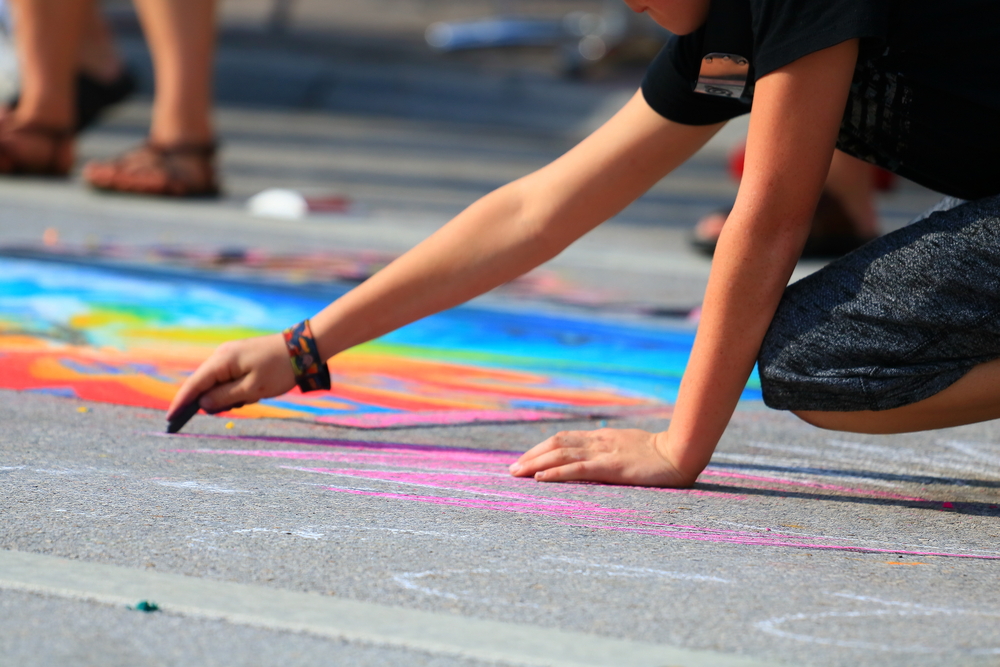
The Constitution has always protected free speech, and courts have said again and again that this protection includes student expression. Sophia’s case reminded people that faith-based art is as valid as any other form of expression.
Balancing Rights and Neutrality
Public schools walk a fine line. They must stay neutral about religion while still respecting each student’s rights. That means they can’t promote one faith, but they also can’t silence anyone’s beliefs. Sophia’s victory shows that balance can be achieved.
Letting her include a Christian image didn’t mean the school was promoting Christianity. It just showed respect for personal expression. The district’s new policy could become a model for others, proving that respecting religious freedom in schools doesn’t harm inclusivity, it actually strengthens it.
Lessons for Everyone
There’s a lot to learn from what happened in Colorado, not just for students but for schools, parents, and even lawmakers. Sophia’s case might seem small, but it’s full of lessons about courage, equal rights, and how important it is to protect personal belief.
Students Have Voices
Sophia’s story shows that young people can make real change when they speak up. She could have stayed quiet or repainted her parking space without complaint. Instead, she took action. She asked questions, reached out for help, and stood up for what she believed was right. That takes guts, especially when you’re still in high school.
Many students don’t realize they have the same rights as adults when it comes to free speech. This case reminds them that they do. Their opinions, art, and faith matter. When one student stands up, it can encourage others to do the same. Sophia’s choice showed that even one voice can shift an entire district’s policy.
Read More: People Upended Their Lives and Quit Their Jobs Thinking The World Was Ending, and It Didn’t.
Image credit: Shutterstock
Schools Need Consistency
Rules are only fair when they’re applied equally. If a school allows one student to paint a quote from a favorite movie or a peace sign, then it should also allow another to include a Bible verse or a symbol of faith. What matters is that the artwork follows general standards for respect and decency.
By treating religious designs differently, the district sent the message that faith was somehow less acceptable. That’s where they went wrong. Fairness doesn’t mean avoiding religion completely, it means giving everyone the same chance to share what’s meaningful to them.
For administrators, Sophia’s story is a reminder to double-check policies and make sure they don’t accidentally discriminate.
Diversity Means All Beliefs
True inclusivity isn’t about hiding belief systems, it’s about letting them coexist. A school that welcomes cultural designs, social messages, and personal creativity should also make space for faith-based ideas. Diversity includes religious freedom in schools, because religion is a part of culture too.
When students see their peers expressing different beliefs peacefully, it helps build understanding. It teaches respect. Sophia’s design wasn’t about forcing her faith on anyone. It was about expressing who she is. That’s what real diversity looks like, not everyone being the same, but everyone being seen.
Parents and Communities Play a Role
Parents can help by teaching their kids to understand both their rights and responsibilities. Freedom of expression doesn’t mean freedom from respect. It means finding a way to speak your truth while respecting others. Communities, too, can support schools in setting balanced policies that respect all voices, not just the loudest ones.
Small Acts Can Have Big Ripples
It’s easy to overlook something as simple as a painted parking space. But Sophia’s decision to stand firm had ripple effects far beyond her school. It reminded others across the country that student expression still matters. Her courage started a conversation that may inspire similar changes elsewhere.
In the end, her story teaches that everyone, no matter how young, can stand up for fairness. It also shows that schools don’t have to fear faith, they just need to treat it with the same respect they give to everything else. When that happens, classrooms, hallways, and even parking lots can reflect equal opportunity and shared respect.

Looking Ahead
Sophia will graduate soon, but her parking space will stay behind for a while, a quiet symbol of her faith and her stand. Other students will see it every day when they pull into the lot, maybe thinking a little more about what they believe too.
The district’s decision to update its policy is progress, but it will need to stay consistent. If fairness means equal expression, then that fairness must last. Sophia’s case showed that even small actions can have lasting impact.
For her, it wasn’t just about paint or policy. It was about being free to express what she believes without shame. For other students, it’s an invitation to be open about who they are too, without fear of being told to hide it.
Closing Thoughts
What started as a high school art project became a reminder of how religious freedom in schools still matters today. Sophia Shumaker’s victory showed that personal faith and public education can coexist. Her courage encouraged others to speak up when they feel unheard.
With help from the First Liberty Institute, she proved that students have rights worth defending. Her story shows that fairness doesn’t mean erasing belief; it means making room for everyone.
Now, her shepherd and sheep painting isn’t just a symbol of her faith. It’s a reminder that in America’s schools, every student deserves the same chance to express who they are, whether through art, words, or quiet conviction.
Read More: Mel Gibson Starts Filming ‘The Resurrection of the Christ,’ Casts New Actor as Jesus