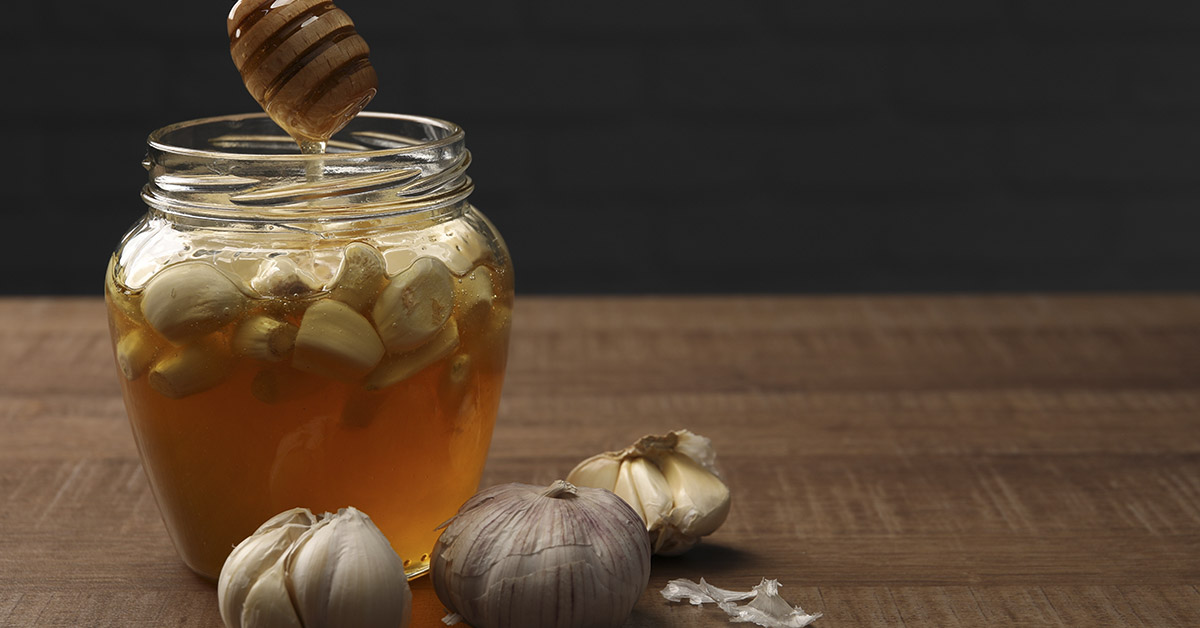

Since the beginning of our existence, human beings have used their resources to find remedies for whatever ailment they find themselves suffering from. In modern times, we have the scientific knowledge and technology to create remedies that our ancient predecessors could never have imagined – both natural and otherwise. Today, in the age of social media, these ancient remedies are being elevated to viral sensations. One kitchen mixture, however, has captured the collective curiosity of millions: the simple, yet potent, combination of garlic, cloves, and honey. Videos and posts featuring jars of this golden-hued, aromatic infusion have spread across Facebook, Instagram, TikTok, and others. Enthusiasts tout this mixture as a natural elixir for everything from boosting immunity to fighting off the common cold. This sudden surge in popularity highlights a fundamental desire: to find accessible, natural ways to support health.
The question is: is this “elixir” really as powerful as natural health influencers claim it is? Let’s move beyond the social media hype and scrutinize the individual components, look at what the science says, the logic behind combining them, and potential risks. If you’re curious about integrating this time-honored trio into your health and wellness routine, this is all the information that you will need.
The Power Players: Deconstructing the Individual Ingredients
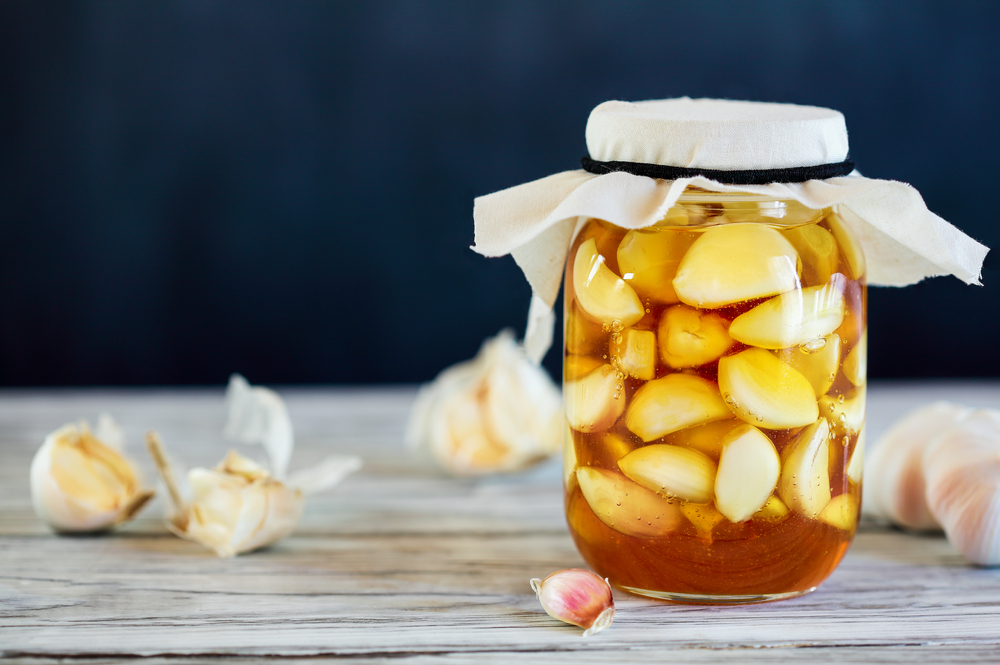
To understand the potential of the final mixture, we must first understand the three individual ingredients: Garlic, cloves, and honey. This means getting a grasp on the complex biochemistry and historical context of each of these ingredients. Don’t be afraid of the word biochemistry – we will break it down as simply as possible.
Garlic (Allium sativum): The Pungent Protector
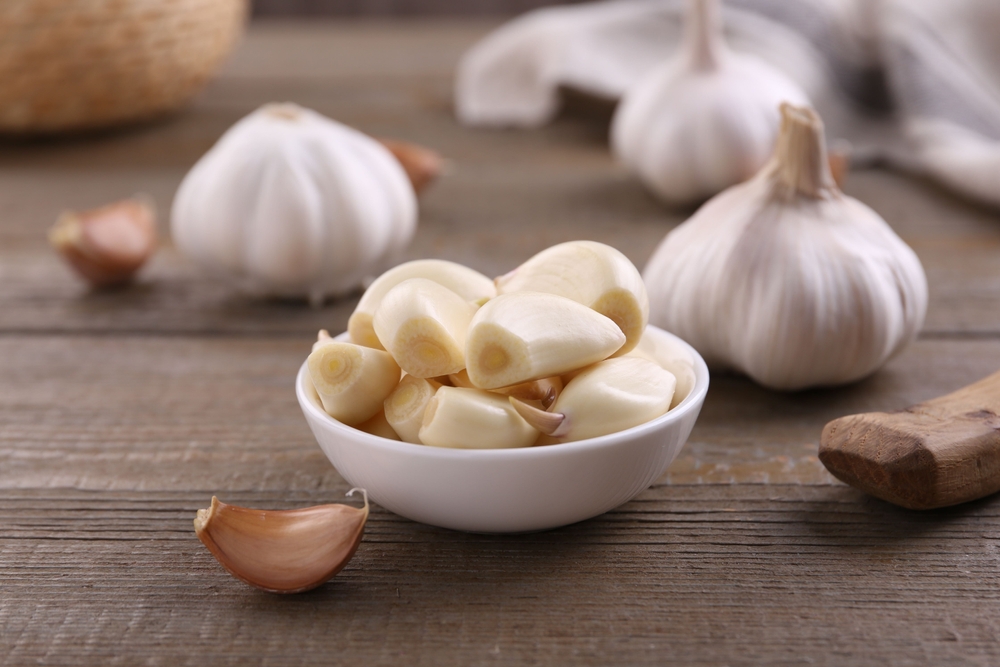
Image credit: Shutterstock
Garlic is one of the oldest known medicinal plants, used by ancient Egyptian, Roman, Greek, and Chinese civilizations for its therapeutic properties. Modern science has validated many of these traditional uses, primarily tracing its health benefits back to its rich content of sulfur-containing compounds.
1. The Chemistry of Allicin and Sulfur Compounds (The Good Stuff in Garlic)
The primary compound responsible for garlic’s potent biological activity and distinctive smell is allicin. Allicin is not present in raw, intact garlic; it is formed only when the enzyme alliinase comes into contact with its precursor, alliin. This is a process that happens when garlic cloves are crushed, chopped, or chewed.
Allicin is highly volatile and unstable, quickly breaking down into other fat- and water-soluble organosulfur compounds like diallyl disulfide (DADS), diallyl trisulfide (DATS), and ajoene. These breakdown products are believed to be the main agents of garlic’s long-term health effects. The efficacy of garlic often hinges on how it is prepared (raw, aged, or heated), which significantly impacts the retention of these bioactive compounds.
2. Immune-Supporting and Antiviral Properties
Garlic’s reputation as an immune booster is well-supported by preliminary research. We can break this research up into three categories: immune cell-stimulating, cold and flu reduction, and direct antimicrobial action. Studies suggest that garlic and its extracts can stimulate various types of immune cells, such as macrophages, lymphocytes, and natural killer (NK) cells. This effectively boosts the body’s natural defenses.
For cold and flu reduction, a landmark study found that a daily garlic supplement reduced the incidence of the common cold compared to a placebo. Those who did catch a cold experienced a shorter duration of symptoms. This lends credit to its traditional use during cold and flue season. Finally, garlic compounds have been shown in laboratory settings to inhibit the growth of bacteria, fungi, and even some parasites. This broad-spectrum antimicrobial activity is a cornerstone of its traditional medicinal use.
3. Possible Cardiovascular and Anti-Inflammatory Effects
Immune system support isn’t the only effect that garlic has on our health, and in preventing us from falling ill. It has also been extensively researched for its role in cardiovascular health. Some clinical trials indicate that garlic consumption, particularly aged garlic extract, can contribute to modest reductions in elevated blood pressure. It also may help lower total and LDL (“bad” cholesterol levels. In addition, the sulfur compounds act as powerful antioxidants, helping to neutralize harmful free radicals that contribute to cellular aging and disease development.
Cloves (Syzygium aromaticum): The Aromatic Antioxidant
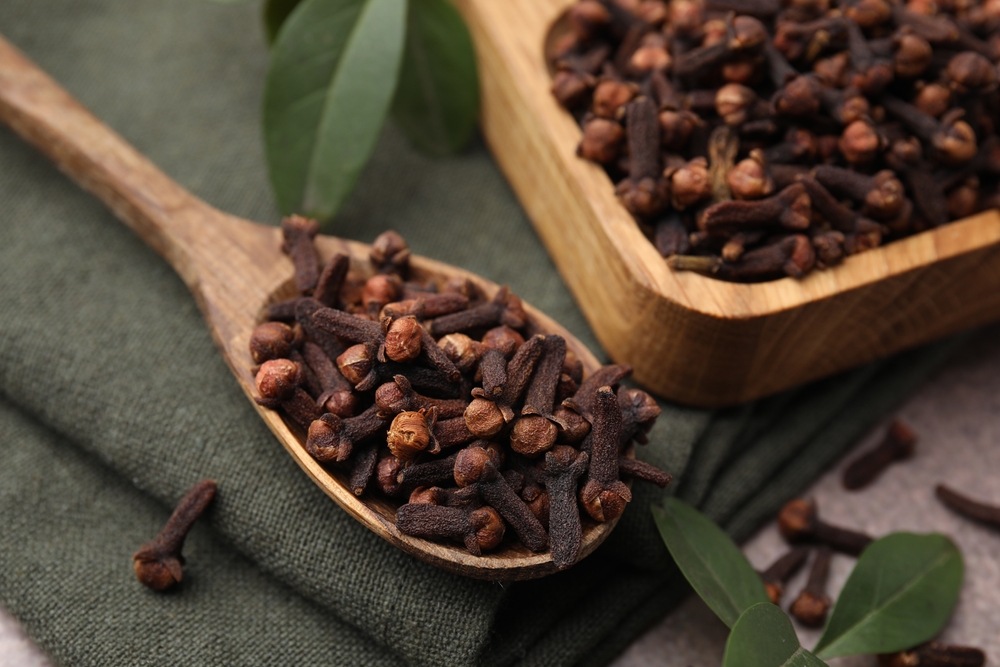
Image credit: Shutterstock
Let’s move onto the second ingredient: cloves. These are the dried flower buds of the Syzygium aromaticum tree, an intensely aromatic spice native to Indonesia. They have been valued for millennia in both culinary and medicinal practices, particularly in Ayurvedic and Traditional Chinese Medicine. The vast majority of clove’s health benefits are attributed to its dominant active constituent, eugenol.
1. The Dominance of Eugenol
Eugenol is a phenolic compound that makes up between 70-90% of cloves’ essential oil. This single compound is a potent bioactive molecule with a wide range of documented pharmacological activities.
2. Anti-inflammatory and Pain-Relieving Properties
Clove’s traditional use as a topical pain reliever, especially for toothaches, is directly related to eugenol. Firstly, because of COX-2 inhibition. Research suggests eugenol acts as a mild inhibitor of the cyclooxygenase-2 (COX-2) enzyme, similar to how many common nonsteroidal anti-inflammatory dugs (NSAIDs) work. This are medications like Advil and ibuprofen. By reducing COX-2 activity, eugenol helps reduce the synthesis of inflammatory mediators. It also has a local anesthetic effect. Eugenol has a proven local anesthetic effect. This explains its historical and continued use in dentistry to temporarily numb the pain of an irritated gum or tooth.
3. Exceptional Antioxidant Capacity
Clvoes consistently rank among the highest of all spices in terms of Oxygen Radical Absorbance capacity (ORAC), a measure of antioxidant potency. The high concentration of phenolic compounds allows cloves to effectively scavenge and neutralize free radials. This exceptional antioxidant power is vital for protecting cellular integrity and reducing systemic oxidative stress, a key factor in chronic diseases.
4. Gut Health and Antimicrobial Activity
Traditional medicine often uses clove oil to soothe the digestive tract and for its potent antimicrobial nature. Laboratory studies confirm that eugenol and other close compounds possess significant antibacterial and antifungal properties, even against certain drug-resistant strains. This makes them a compelling agent for natural microbial balance.
Honey: The Golden Soother and Vehicle

Image credit: Shutterstock
Honey is a complex, supersaturated solution made by bees using the nectar from flowers. It has long been loved for its sweet taste, but also for its medicinal properties, since ancient times. It is featured prominently in nearly all traditional healing systems. In the context of the viral mixture, honey plays three critical roles: a medicinal agent, a preservative, and a palatable carrier.
1. Cough Suppression and Soothing
Honey is arguably the most scientifically validated natural remedy for respiratory symptoms. Its thick, viscous nature gives it a demulcent effect. It forms a soothing, protective film over irritated mucous membranes in the throat, which helps to calm the cough reflex. Numerous clinical trials, particularly in pediatric medicine (for children over one year old), have demonstrated that a small dose of honey before bedtime is often more effective than common cough suppressants like dextromethorphan in reducing the frequency and severity of nocturnal coughing.
2. Natural Antimicrobial and Antioxidant Properties
Honey’s properties extend beyond mere soothing. Many types of honey, when diluted, produce trace amounts of hydrogen peroxide, contributing to its antimicrobial activity. Its high sugar and low moisture content creates a hypertonic environment, which draws water out of bacterial cells, inhibiting their growth. Lastly, honey contains various plant-derived compounds, including phenolic acids and flavonoids, which contribute to its significant antioxidant load. This varies greatly, however, depending on the types of flowers that the beeds got the nectar from.
3. Preservation and Bioavailability
In the garlic and clove mixture, honey acts as a natural preservative. Its low water activity effectively discourages the growth of most spoilage microogranisms. Furthermore, its solubility may help the body absorb the beneficial non-polar (fat-soluble) compounds from the garlic and cloves more efficiently.
The Synergy of the Mixture: Bridging Tradition and Evidence
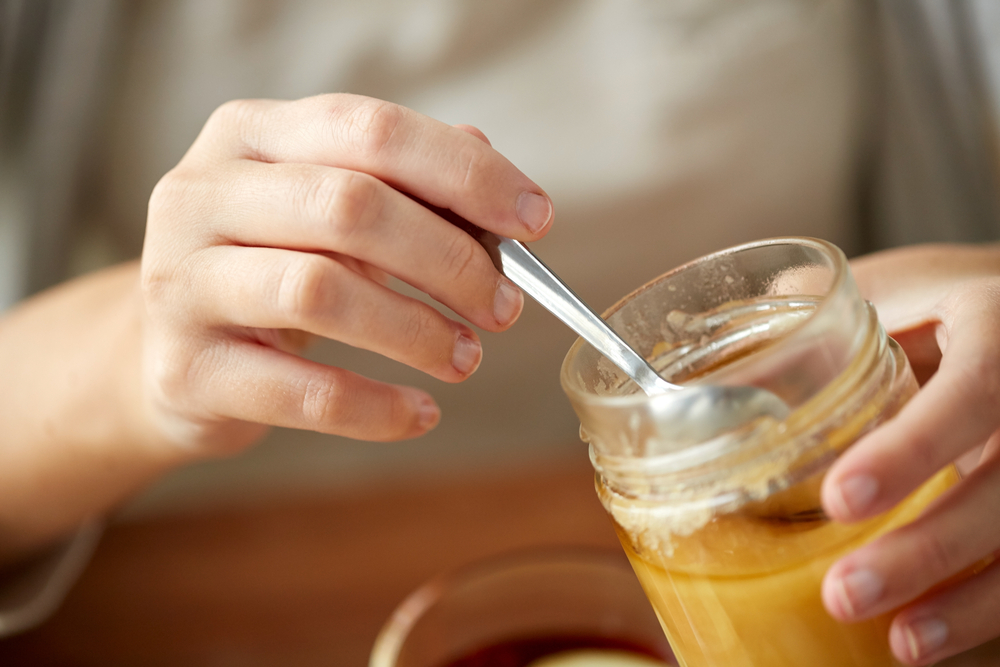
The modern trend lies in combining these three potent, yet distinct, ingredients. While the individual components boast substantial scientific literature, there is virtually no specific, peer-reviewd clinical research on the efficacy or mechanism of the the combination. This include claims of raw garlic, cloves, and honey for treating colds or any other condition.
The Rationale for Combination: Synergy and Traditional Logic
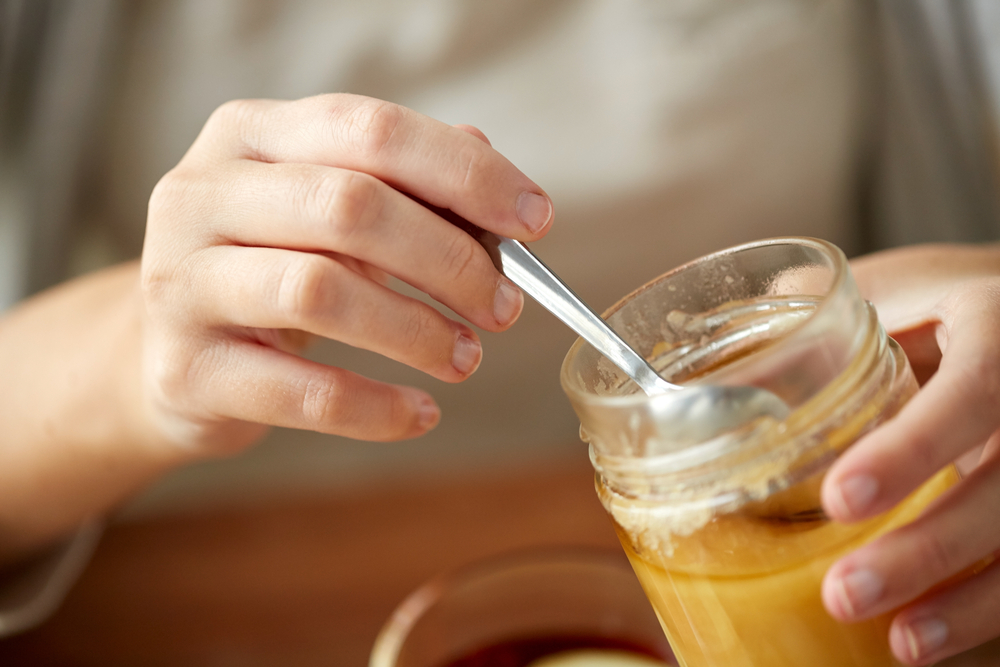
The practice of combining ingredients in traditional medicine is rooted in the concept of synergy, where the combined effect is greater than the sum of the individual ingredients. For the garlic, cloves, and honey combination, there are three main points of rational for this. The first is its capacity for broad-spectrum attack. Separately, garlic provides broad antibacterial and antiviral sulfur compounds. Cloves offer intense anti-inflammatory and antioxidant eugenol. Honey, for its part, adds soothing and mild antimicrobial action. Combined, they present the body with a wider range of active compounds to combat multiple facets of an infection: microbial attack, inflammation, and symptom relief.
The second of these is protection and delivery. Honey’s rols as a protective carrier is crucial. It shields the delicate, active compounds like garlic’s allicin breakdown products and delivers them to the mucous membranes of the throat and digestive system. Its palatability also ensure the user can tolerate the intense, pungent flavors of raw garlic and cloves.
Finally, some have found an enhanced microbial inhibition effect. While specific clinical trials are absent, laboratory studies looking at similar combinations, such as garlic and honey, have sometimes shown an enhanced inhibitory effect against certain bacteria and fungi compared to using either substance alone. This provides a theoretical basis for the mixture’s popularity.
Anecdotal and Traditional Use
The current viral trend is a modernization of age-old kitchen pharmacy practices. Historically, traditional remedies often involved infusing strong spices and herbs into honey or vinegar (known as oxymels) not just for preservation, but because the long steeping time was thought to extract and concentrate the compounds. Users today report finding the mixture effective for three instances, primarily:
- Prophylactic use: Taking a teaspoon daily during the change of seasons to “boost” the immune system.
- Acute symptom relief: Taking it at the first sign of a scratchy throat, congestion, or body aches.
- Sore throat and cough: Using it specifically for the soothing demulcent effect of the honey combined with the anti-inflammatory action of the cloves.
Practical Application and Critical Safety Considerations
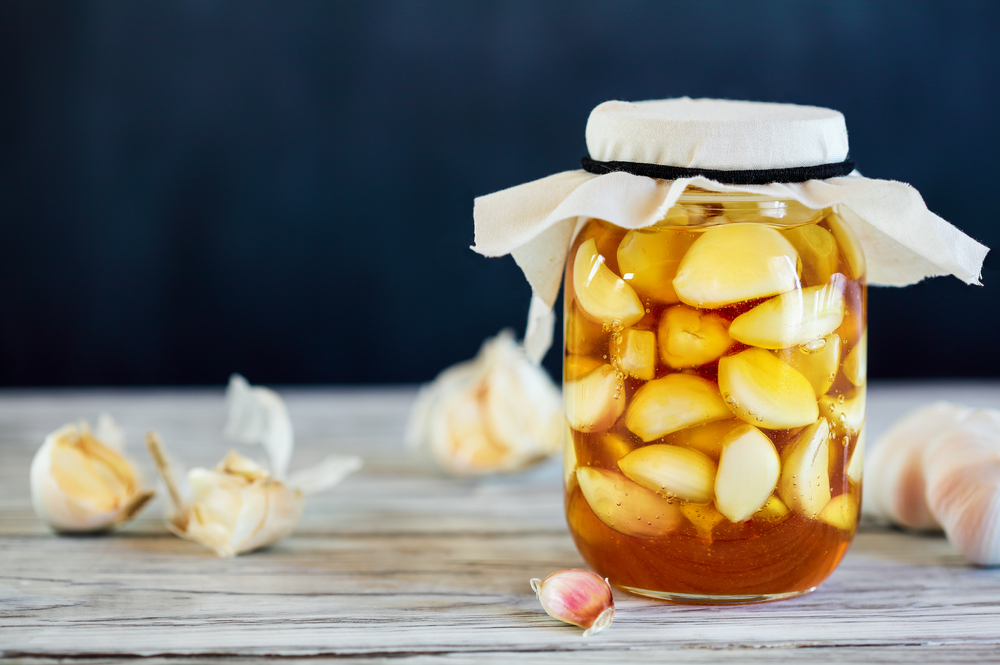
Image credit: Shutterstock
The mixture is typically prepared by submerging peeled, lightly crushed raw garlic cloves and whole or lightly ground cloves into raw, unpasteurized honey in a clean, airtight jar. Then, you allow it to infuse for days or weeks. This fermentation process is key to extracting the compounds.
Preparation and Use (The Viral Method)
The following recipe is one that has exploded in popularity online. That being said, there are likely other methods of preparation, too. First, collect your ingredients, then prepare the infusion, and then take as necessary.
- Ingredients: Use raw, local honey, as it is often less processed and retains more natural compounds, and fresh garlic. Cloves can be whole or coarsely ground.
- Infusion: Allow the garlic and cloves to slowly steep in the honey. The honey will often become thinner over time as moisure is drawn out of the garlic. This creates a dynamic, fermented product.
- Consumption: The most common usage is 1 teaspoon of the infused honey (with or without the solids) 1 to 3 times per day, often stirred into warm tea or taken on its own.
Critical Safety and Risk Assessment

We’ve said it before, and we’ll say it again: just because something is natural, it doesn’t mean that it doesn’t come with potential risks. Though they are natural, the components are pharmacologically active and pose real risks. Consult with a healthcare professional before using this product, especially if you have any health conditions, are taking any medications, are pregnant, or are considering giving this mixture to your children,
1. Blood Thinning and Medication Interactions
Garlic is a natural antiplatelet agent, meaning that it can inhibits blood clotting. This is beneficial for cardiovascular health but becomes a critical safety concern when mixed with prescription medications. Combining the mixture with prescription blood thinners such as Warfarin, Aspirin, and Plavix can dangerously enhance the an their anti-clotting effect. This significantly increases the risk of bleeding or bruising. Anyone with an upcoming surgery or dental procedure should also use caution. Due to the risk of bleeding, individuals should stop consuming large amounts of garlic or this mixture at least two weeks before any scheduled surgey or dental procedure.
The Mechanism of Garlic’s Anti-Platelet Action
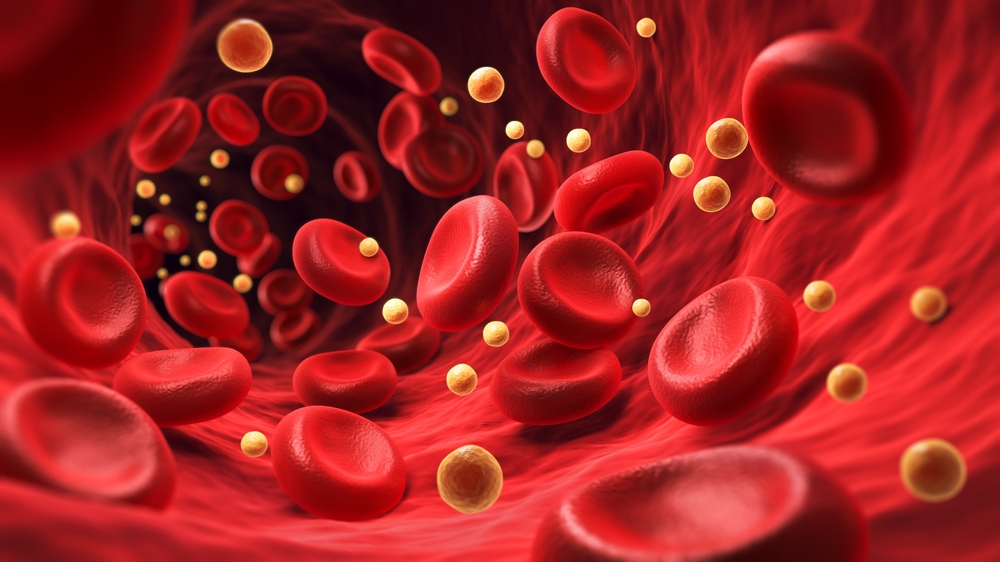
This anti-coagulant effect is a serious one, so it is important that we have a full understanding of how it works. The anti-clotting (also called antithrombotic) activity of garlic is not due to a single action but a multifaceted attack on the coagulation cascade. This primarily targets the function of blood platelets. The main active compounds responsible are the breakdown products of allicin, particularly ajoene, and various diallyly sulfides (DADS, DATS).
Inhibition by Ajoene: Affecting the Platelet Membrane
The most potent and well-studied antiplatelet agent derived from garlic is Ajoene, which is formed when garlic is crushed. Ajoene primarily interferes with the final steps of platelet activation. It is thought to achieve this by integrating into the platelet’s plasma membrane. Studies suggest this physically modifies the lipi bilayer’s microviscosity, aka makes it more fluid. This physical change impaies the fusion of the platelet’s internal granules with the plasma membrane. Since the release of these granule contents is essential for recruiting other platelets and amplifying the clotting response, inhibiting their release effectively stops the cascade.
Ajoene also directly inhibits the binding of fibrinogen, a key clotting protein, to the activated platelet receptor Glycoprotein IIb/IIIa (GPIIb/IIa). This receptor complex is the final common pathway linking together to form a stable clot.
Inhibition of Thromboxane A2 (TXA2) Formation
One of the most critical steps in initiating blood clotting is the production of TXA2 by platelets. TXA2 is a potent vasoconstrictor and platelet aggregator. Garlic interferes with this process in two key ways, similar to how Aspirin works. Garlic extracts and their compounds inhibit the activity of the COX-1 enzyme within the platelet. COX-1 is responsible for converting arachidonic acid (a fatty acid) into TXA2. By suppressing this enzyme, garlic reduces the overall amount of TXA2 available to trigger aggregation. Garlic may also inhibit the activity of phospholipase, the enzyme that releases arachidonic acid in the first place, cutting off the TXA2 pathway at an earlier stage.
Suppression of Intracellular Calcium (Ca2+) Mobilization
Calcium ions (Ca2+) are the master switch for platelet activation. When a platelet is activated by an agnoist such as collagen or thrombin, there is a transient, sharp increase in free cytoplasmic Ca2+. This spike triggers shape change, granule release, and the activation of the GPIIb/IIa receptor. Garlic’s organosulfur compounds are believed to suppress the mobilization or influx of Ca2+ into the platelet cytoplasm. By keeping Ca2+ levels low, garlic effectively prevents the platelets from receiving the signal to fully activate and clump.
Nitric Oxide (NO) Modulation
Garlic, particularly its aged extracts, is known to influence the production of Nitric Oxide (NO) in the vascular endothelium, the inner lining of blood vessels. Garlic stimulates the enzyme Nitric Oxide Synthase (NOS), leading to increased production of NO by the blood vessels. NO is a potent vasodilator (aka it widens veins and arteries), and, crucially, a powerful inhibitor of platelet aggregation. By increasing local NO levels, garlic helps keep blood flowing smoothly and prevents unnecessary clotting.
Read More: Under the Weather? Try ‘Nana’s’ DIY Cold and Flu Remedy
Critical Takeaway
If that was too much scientific jargon for you, the critical takeaway is this: because garlic works via multiple, overlapping pathways, it can significantly enhance the effect of prescribed anti-platelet and anticoagulant medications. These medications, such as aspirin, Plavix, or Warfarin, often target one or two of these same pathways. This synergistic effect is why medical caution is so strongly advised for patients on blood thinners who consume high amounts of raw garlic.
2. Gastrointestinal Distress

Image credit: Shutterstock
Another consideration is the fact that raw garlic is notoriously pungent and highly concentrated in sulfur compounds. This means that ingestion, especially on an empty stomach, frequently causes significant heartburn, gastroesophageal reflux (GERD), and general stomach irritation in sensitive individuals. On top of that, it can cause both bad breath and body odor. The volatile sulfur compounds are metabolized and expelled not only through the breath but also through the pores, causing distinctive, persistent body odor.
3. Allergies
Although rare, allergies to garlic, cloves, or honey are possible and can range from mild dermatitis to severe anaphylaxis. People with known allergies to other members of the Allium family (onions, leeks) should be cautious with garlic.
4. The Risk of Botulism (The Most Serious Concern)
This is the most critical food safety hazard associated with infusing low-acid, low-moisture ingredients into honey. Honey can naturally contain dormant spores of Clostridium botulinum, the bacteria that cause botulism. This is a rare but potentially fatal form of food poisoning. Second, there’s the low-oxygen environment. When garlic, a low-acid ingredient, is submerged in honey, it creates an anaerobic (aka oxygen-free) environment at the bottom of the jar. If the garlic is not perfectly clean or if there is excessive moisture, this environment can encourage the C botulinum spores to germinate and produce the toxin.
To minimize risk, experts generally recommend consuming the mixture within a week or, for longer preservation, storing the infusion in the refrigerator. Under no circumstances should honey be given to children under 12 months of age due to the immediate and severe risk of infant botulism, regardless of what the honey is mixed with.
Informed Use in the Modern Wellness Landscape
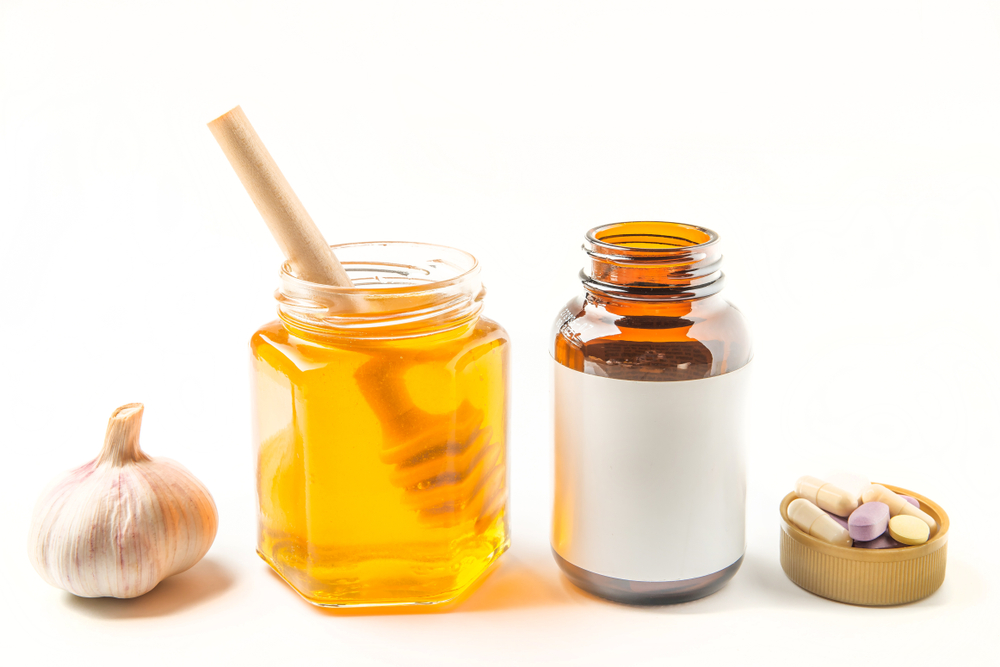
The viral popularity of the garlic, cloves, and honey mixture is a testament to the enduring appeal of traditional, natural remedies. When we unpack the evidence, we find that the trend is built upon a solid foundation. The three individual ingredients are all scientifically documented to possess powerful antioxidant, anti-inflammatory, and antimicrobial properties, validating their long history for immune and respiratory support.
The mixture itself, though lacking direct clinical trials, represents a logical synergy: a braod-spectrum combination delivered in a soothing, palatable, and naturally preserved medium. It is an excellent example of how kitchen staples can serve as potent allies in supporting general wellness and mitigating common cold symptoms.
Separating Anecdote from Science
Moving away from a viral post to informed practice, however, requires a responsible shift in perspective. The mixture is a food supplement and traditional remedy, not a scientifically proven pharmaceutical cure. Users must approach it with respect for its pharmacological activity, particularly regarding its potential for drug interactions and the serious, though preventable, risk of botulism when improperly stored.
Ultimately, this ancient trio deserves a place in the modern wellness toolkit, not as a miracle cure, but as a well-understood, historically supported source of beneficial compounds. The best advice remains: enjoy the tradition, appreciate the science, and always consult a healthcare professional before integrating any potent natural supplement into your health regimen. This is especially if you have pre-existing conditions or are taking medication.
Disclaimer: This information is not intended to be a substitute for professional medical advice, diagnosis or treatment and is for information only. Always seek the advice of your physician or another qualified health provider with any questions about your medical condition and/or current medication. Do not disregard professional medical advice or delay seeking advice or treatment because of something you have read here.
Read More: Could a Medieval Remedy From 1,000 Years Ago Become an Antibiotic? Scientists Think So