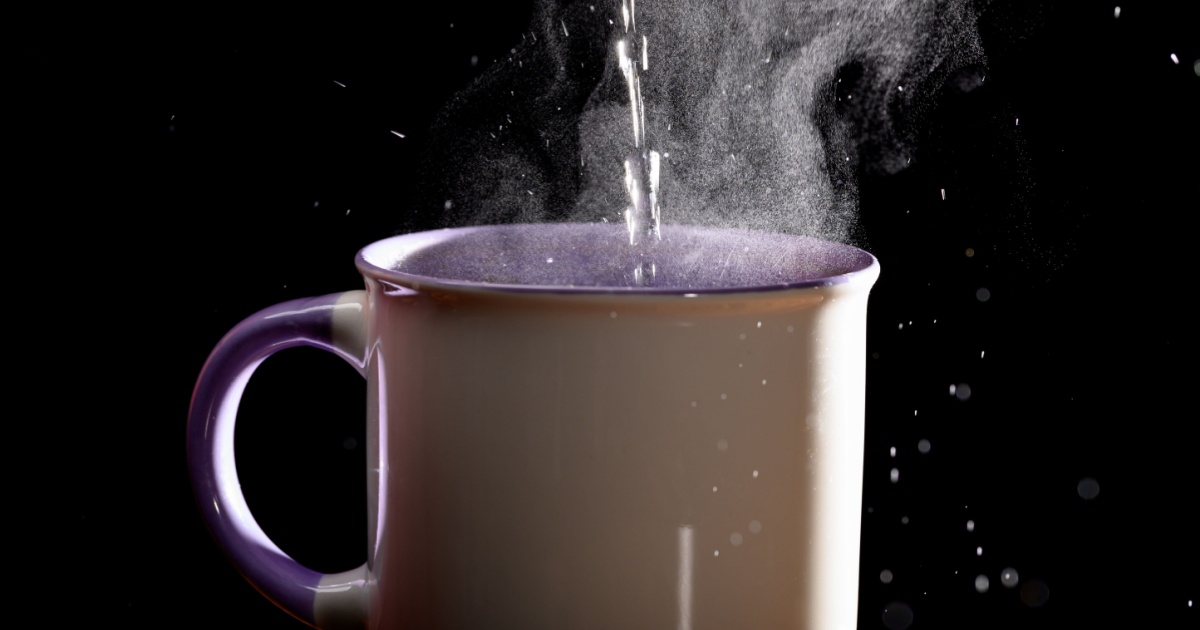

As always, wellness trends are making their way around the internet. The latest trend is a little unusual, as people claim that drinking a cup of hot water daily can help with everything from skin health to weight loss. The question is, should you trust the hype?
Cold water, not warm, produces a marginally greater calorie-burning (albeit very minimal) effect when you drink it. The body has to work to heat cold liquid up to core temperature, burning a small amount of energy in the process. That detail quietly dismantles one of the most repeated justifications for this hot water weight loss trend that’s swept through wellness content lately, particularly on TikTok, an example of which you can see below.
The trend itself is straightforward enough: drink plain hot water every day, ideally first thing in the morning, and watch the pounds drop while your skin clears. On social media, the habit gets credit for everything from melting belly fat to curing acne. The appeal is obvious. It costs nothing, requires no prescription, and feels virtuous in the way that warm beverages always do. The actual science behind it, though, tells a more interesting and more useful story.
Current evidence finds little strong scientific support showing that hot water has unique health benefits over cool or room-temperature water, beyond what hydration alone can deliver, and there are no high-quality human trials showing that drinking hot water by itself causes meaningful weight loss. That finding doesn’t mean hydration is worthless for your weight or your skin. It means the temperature is almost certainly irrelevant.
@sherryxiiruii Can chinese baddies add something more in their hot water? Sharing my hot water “recipe” hahaha. #chineseamerican #chineseculture #asianamerican #sherry #chinesegirl ♬ original sound – sherry
What Water Actually Does for Weight
The mechanism that makes water genuinely useful for weight management has nothing to do with heat. Drinking water before a meal triggers gastric distension, which is the physical stretching of the stomach wall, and that process reduces appetite and increases satiety. When your stomach senses volume, it sends a satiety signal to the brain before you’ve taken in a single calorie.
Studies comparing groups given a water preload before a test meal to those not given the preload found that overall energy intake was lower in the preload group. A 2018 study suggests that drinking water before meals may help make you feel less hungry and eat less, though it’s unclear how well this applies to people who are overweight or have obesity. Timing matters here: drinking water after a meal produces no such effect on calorie intake.
The question is whether any of this is specific to hot water. A 2024 meta-analysis published in the journal Nutrients concluded that water intake may not significantly impact adiposity among overweight and obese individuals, though replacing sugar-sweetened beverages with water might offer a modest benefit in inducing weight loss. Water helps at the margins. Hot water doesn’t help more than cold.
What moves the needle modestly is replacing higher-calorie drinks with water altogether. Consistently replacing high-calorie beverages such as sweetened sodas, fruit juice, or alcohol with water can aid weight loss over time. These are real but small effects. They come from cutting liquid calories, not from drinking anything warm.
The Metabolism Argument, Examined
One claim that circulates widely is that hot water “boosts metabolism.” The reality is that any water, at any temperature, can produce a temporary uptick in metabolic rate. Whether water intake stimulates energy and fat metabolism is controversial, with findings showing that metabolic increases are modest and temporary at best.
The temperature twist cuts against the hot water weight loss argument directly: cold water produces a slightly greater thermogenic effect than room-temperature water because the body expends additional energy warming it to core temperature. The water we drink must be heated up to body temperature, a process requiring energy expenditure called thermogenesis – though more recent studies have found no evidence that drinking water burns off many calories, calling the thermogenesis explanation for water-induced weight loss into question. If metabolic nudging is the goal, a cold glass of water is technically more effective, though the practical difference is negligible for either temperature.
According to the National Academies of Sciences, Engineering, and Medicine, women who appear to be adequately hydrated consume an average of approximately 2.7 liters of total water daily, and men average approximately 3.7 liters. Most people fall short of that baseline. Getting closer to that target, at whatever temperature you prefer, matters far more than which temperature you choose.
Hot Water and Your Skin: What the Evidence Shows
The skin claim follows a logical thread: hot water increases circulation, circulation feeds nutrients to skin cells, therefore hot water improves your complexion. There’s a problem with that reasoning at each step.
The skin barrier is one of the body’s first lines of protection against environmental stressors, and water is essential for maintaining that barrier’s function and overall water content. Being consistently well-hydrated does support skin elasticity and resilience. What isn’t established is that hot water specifically achieves this better than room-temperature or cool water.
When it comes to topical skin contact, hot water works against you. Research has found that hot-water exposure significantly increases transepidermal water loss (TEWL), which is the rate at which water evaporates through the skin, compared to cooler water – meaning hot water exposure can actively damage the skin barrier rather than protect it. TEWL is one of the clearest markers of skin barrier integrity. A damaged barrier loses moisture, becomes more reactive, and ages faster.
Dermatologists and skin allergy specialists consistently recommend washing with cool or lukewarm water to avoid irritation, a recommendation that comes directly from this body of evidence. Drinking hot water is different from bathing or washing in it, but the principle that heat stresses skin tissue rather than nourishing it is consistent across both contexts.
For people who are chronically under-hydrated, the skin effect of simply drinking more fluid of any temperature may genuinely be noticeable. While no amount of water can erase wrinkles, staying adequately hydrated helps support the skin’s structure, elasticity, and ability to repair itself, and even mild dehydration can make skin appear less plump and accentuate signs of aging that are already present. Drinking more water won’t stop aging, but getting adequate daily fluid intake does help the skin function at its best.
Read More: What Happens to Your Body When You Drink Water Every Day
Hydration, Stress, and the Cortisol Connection
One area where the research on water intake has grown sharper recently has nothing to do with weight or skin. Research has found that individuals who drank less than 1.5 liters of fluid daily had a markedly higher cortisol response to stress compared to those meeting daily water recommendations. Cortisol is the body’s primary stress hormone, and chronically elevated cortisol is linked to fat storage, disrupted sleep, and inflammation.
The mechanism is physiological. Dehydration triggers increased release of vasopressin, a hormone that acts on the brain’s stress-response center, the hypothalamus, where it can influence the release of cortisol. Chronic stress and chronic dehydration reinforce each other in a way that can make weight management harder without anyone ever connecting the two. Meeting your daily fluid intake is one of the more underappreciated tools for stress regulation.
The Digestion Question
Another claim frequently attached to hot water is that it “aids digestion” by thinning mucus, loosening food, or diluting digestive enzymes. The digestive dilution concern can be set aside entirely: the stomach produces enough gastric juices to digest food regardless of any transient dilution from drinking water with meals. And while liquids move through the digestive tract faster than solids, a review published by Healthline notes that liquids have no significant effect on the digestion speed of solid food.
One small study does suggest that warm water may stimulate gut movements called peristalsis (the rhythmic muscular contractions that move food through the intestines), which could support regularity. The effect was modest and hasn’t been replicated in large trials, and it says nothing about fat burning or weight loss. If constipation or sluggish digestion is a concern, warm water may provide a minor comfort benefit. Expecting it to change your body composition is a different matter.
What to Do With This
The hot water weight loss trend isn’t dangerous, with one exception: water hot enough to scald the mouth, throat, or esophagus carries real risk. In 2016, the International Agency for Research on Cancer (IARC), the cancer research arm of the World Health Organization, classified drinking very hot beverages above 65°C (149°F) as “probably carcinogenic to humans,” with esophageal cancer particularly associated with the habit. Warm to hot but not scalding is the practical threshold for anyone who finds a hot morning drink helpful.
Beyond that safety note, the habit is benign and may have real indirect value. If drinking hot water in the morning helps someone consume more total fluid across the day, that increased hydration will do genuine work: supporting the skin barrier, blunting cortisol responses to stress, helping with satiety before meals, and contributing to better kidney function. None of those benefits require heat specifically. They require volume.
Replacing a sugar-sweetened beverage with a cup of water of any temperature is a more evidence-backed approach to weight management than temperature manipulation. If swapping an afternoon soda for a cup of warm water feels more appealing and more sustainable, that swap is worth making on those terms alone.
The Bottom Line
The honest version of the hot water weight loss story is simpler than the trend version. Water is genuinely useful for managing appetite, supporting skin barrier function, and regulating stress hormones through its effect on cortisol. None of those benefits are delivered by heat. A glass of room-temperature water at around 500ml, drunk before each meal and counted toward a daily total of roughly 2.7 to 3.7 liters, does more for your weight and skin than any particular temperature ritual.
If you enjoy hot water in the morning and it helps you hit your hydration goals, drink it. If cool water is easier to consume in larger amounts, that’s the better physiological choice. The question worth asking isn’t whether hot water is better than cool water. It’s whether you’re drinking anywhere near enough water in the first place – because for most adults, the answer is no, and closing that gap, at any temperature, is where the real effect is.
Disclaimer: This information is not intended to be a substitute for professional medical advice, diagnosis, or treatment and is for information only. Always seek the advice of your physician or another qualified health provider with any questions about your medical condition and/or current medication. Do not disregard professional medical advice or delay seeking advice or treatment because of something you have read here.
AI Disclaimer: This article was created with the assistance of AI tools and reviewed by a human editor.
Read More: People Are Jumping On a New Ozempic Trend That Is Proving To Be Effective