
While COVID may feel like old news, the truth is that researchers are still uncovering new ripple effects as time goes by. Recently, studies have revealed that there was a link between having COVID and developing male fertility issues. These studies specifically looked at COVID and its effect on sperm quality. New mouse studies have additionally indicated that infection in fathers could influence the brain development and behavior of their offspring. However, these findings are still in their early stages and very complex, and they do not necessarily prove that the same thing happens in people. Let’s take a closer look at these studies and what they could potentially mean for couples planning a pregnancy.
The Link Between COVID and Male Fertility Issues
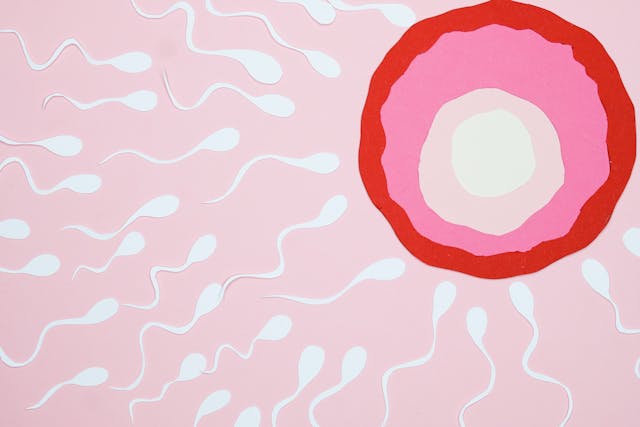
A recent study tracked men before and after having a COVID infection. After the illness, many of the men exhibited fewer moving sperm and lower overall counts. Additionally, more sperm showed DNA damage, referred to as a higher fragmentation index. In lab tests, they found that this kind of damage can make fertilization less likely. The results were mixed across groups because people were tested at different times. They discovered that various health factors also affected the results, such as age or other existing conditions. The experts believe that fever and inflammation may temporarily “stress” the testicles.
You see, scientists rarely find the virus itself inside semen samples. That means that these effects are being caused indirectly, rather than being caused by the presence of the virus in that area. A 2021 case report also revealed high amounts of sperm DNA damage after having COVID. The researchers also found that as men recovered over time, their follow-up tests often showed improvement. Taken together, the human data suggest short-term sperm issues for some men, which typically seem the strongest in the first weeks to months. However, larger and longer studies are still needed to confirm the exact risks that men might face.
Are These Issues Permanent?
Image Credit: Pexels
Although the timing varies from person to person, most men typically recover over a few months. In fact, several studies suggest that semen quality rebounds by four to five months, roughly matching a full sperm cycle. Other research has revealed some improvement within three to six months after a COVID infection. However, a smaller group of males recovers more slowly, especially after experiencing severe illness. Various factors, such as the duration of the fever, inflammation, and oxidative stress, may slow down the recovery process. Additionally, your lifestyle, heat exposure, and certain medications can also have an effect.
Since results vary, many doctors actually suggest repeated testing before reaching any conclusions. This is because one test could simply be reflecting temporary stress, not actual permanent damage. When it comes to counselling couples, care should be tailored to each couple’s situation, including age, fertility history, and timeline. If pregnancy is time-sensitive, speak with a clinician about various other options such as IUI or IVF. Many teams suggest allowing a brief recovery window after having COVID, then repeating semen testing before choosing a specific path. When these tests are repeated on a consistent schedule, the outcome becomes clearer as the couples can then weigh timing, costs, and likelihood of success with this information.
Results of Recent Mouse Trials
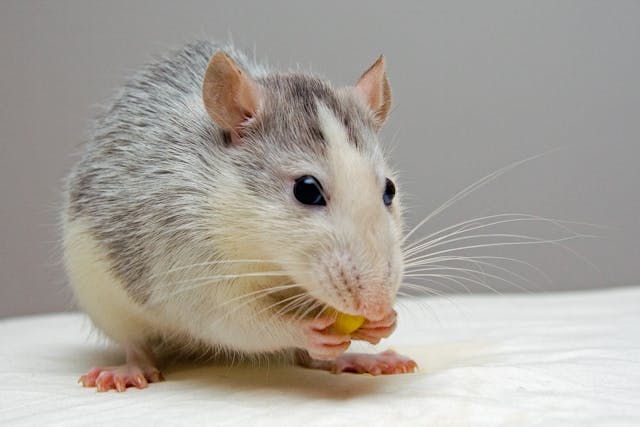
It seems that there is more to the story than just COVID and sperm quality, though. In fact, a new mouse trial has revealed that having COVID may affect your offspring, too. Recently, Australian researchers infected adult male mice with a mouse-adapted SARS-CoV-2 strain and waited four weeks. They then bred the recovered males with healthy females and studied the baby offspring. These offspring showed more anxiety-like behaviors compared to the control group, with stronger effects observed in the female pups. Furthermore, brain tissue analysis revealed gene expression changes in the hippocampus, which is responsible for learning and emotional regulation.
The researchers also profiled sperm small RNAs in the infected fathers and found altered small noncoding RNAs linked to pathways involved in brain development. These molecules basically help tune early embryonic gene expression after fertilization has occurred. The mouse study suggests a “message-passing” route rather than a DNA mutation. When a male mouse gets COVID, his body mounts an inflammatory response. While new sperm are forming, that inflammation can tweak the chemical packaging and tiny RNA molecules carried inside the sperm. However, the research team has not claimed that this happens in humans. While these mouse models can reveal interesting results, human development is typically far more complicated. The next step would be to see if these results can be observed in human trials.
The Importance of Sperm RNAs
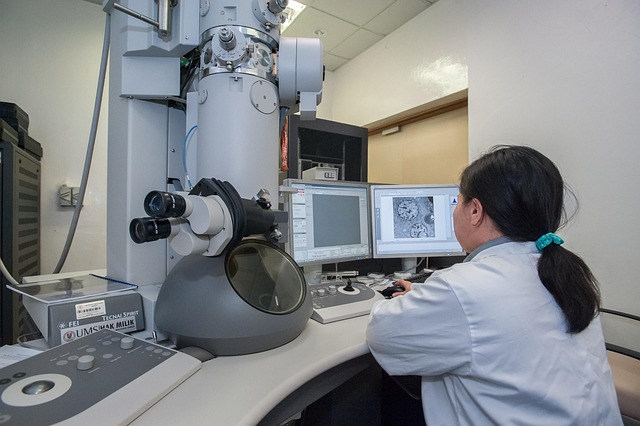
Epigenetics describes changes in how genes work without changing DNA letters. Sperm carry more than DNA; they also bring chemical tags and small RNAs that help guide early development. Stressors like fever, inflammation, or illness can nudge those signals while the sperm are still forming. In the mouse study, males infected with the virus later had altered sperm RNAs. Many of these changes pointed to brain development and synapse function. When those males bred, their offspring displayed more anxiety-like behavior, especially the females. The simplest explanation links the father’s illness to shifted sperm signals, then to subtle developmental changes.
Animal studies have shown similar chains for toxins and stress, yet translating this to people is hard, but our tools are improving. Researchers can now map RNAs and DNA methylation at single-cell resolution. The next step is to see if men show the same sperm signatures after COVID. Additionally, research teams will also follow children conceived after paternal infection, using strict controls. However, many other factors can shape results, including parental age and maternal health. Therefore, any human signal must emerge across different families and backgrounds to matter clinically.
What About Couples Who Want to Conceive?

If you had COVID recently and plan to conceive, it’s important to consider your timing. Waiting two to three months after recovery allows enough time for a fresh sperm cycle to occur. Studies have shown that many metrics improve as new sperm replace those that were affected during the illness. If conception is delayed, a semen analysis offers useful insights. Getting tests often helps the clinician distinguish transient dips from persistent issues. Males can also help support their recovery by practising certain fundamentals that protect testicular function. For example, you should aim to sleep well, eat a balanced diet, and exercise on most days.
It also helps to avoid tobacco and limit heavy alcohol consumption during the recovery period. You can also reduce heat exposure from hot tubs and insulating, tight clothing. Keep laptops off laps for prolonged sessions if possible. You should also address any fevers immediately and follow medical guidance for infections. It is important to note that vaccination lowers severe disease risk, in turn reducing systemic stressors on fertility. Couples on assisted reproduction should discuss timing and potential cryopreservation strategies if needed. Having a personalized plan helps to both reduce anxiety and respect the couple’s goals. Most importantly, remember that many men see improvement with sufficient time and care.
Post-Pandemic Mental Health Issues

Anxiety in young adults rose during and after the pandemic and Federal survey dashboards still show levels above pre-pandemic baselines. A 2023 analysis estimated that about half of adults aged 18 to 24 reported symptoms. Newer federal releases continue to show elevated distress in many groups and these numbers reflect a level of suffering that deserves proper care and support. However, higher anxiety rates do not necessarily prove a direct biological pathway from infected fathers to anxious children. In fact, many forces helped shape the mental health of the general population during this period, including isolation, bereavement, disrupted routines, and financial stress.
Adding to that feeling of anxiety was growing uncertainty about the future and constant exposure to fearful social media posts. Data collected from the educational sphere reveals a similar, complicated story. In fact, national assessments reported significant declines in reading skills between 2019 and 2024. A large share of eighth graders scored below the Basic level, meaning that many students struggled with grade-level comprehension and basic vocabulary. Obviously, these losses were observed more in students who were already behind. Since then, recovery has generally been uneven, with gaps even widening in some districts. This is due to various factors, such as access to tutoring, school resources, home stability, and broadband. They do not point to a single biological cause. Therefore, the mouse study is best viewed as a starting signal, not a final verdict.
Other Potential Issues after Having COVID

COVID can leave effects beyond the lungs, sometimes lasting months or longer. Many people experience persistent fatigue, breathlessness, sleep problems, and brain fog. Dizziness when standing, palpitations, and chest pain are also reported. These symptoms may fluctuate, resolve, and reappear over time. Some people develop functional limitations that affect work and daily life. Children can also experience lingering symptoms after infection. Vaccination remains the best tool for reducing severe disease and long COVID risk. Clinicians now approach long COVID as a serious, multifaceted condition.
Cardiovascular risks deserve careful attention after recovery, as large cohort studies have revealed higher rates of both heart attack and stroke. Researchers also observed increased risks of arrhythmias and heart failure, finding these risks persisted well beyond thirty days after infection. Elevations were seen even after mild initial illness, and those with prior hospitalization faced the greatest risks over time. Clinicians advise monitoring new chest pain or shortness of breath. Follow-up may include lipid panels, blood pressure checks, and ECGs, as early evaluation can help reduce preventable complications. Metabolic changes have also emerged in recent analyses, and several studies suggest an increased risk of new-onset diabetes.
Elevated risk typically appears within months of infection. The researchers believe that the mechanisms may involve inflammation, autoimmunity, and stress on beta cells. Lipid abnormalities have been reported in some post-COVID cohorts, and clinicians may therefore recommend checking glucose and lipids after recovery. Autonomic dysfunction has gained attention, including POTS. Systematic reviews and new studies document post-COVID POTS cases, with management including hydration, salt loading, compression, and graded rehab. Specialist care may add various medications if the symptoms persist. Smell and taste issues can also linger for many months, yet most people recover by six months. If you are unsure, get tested, as early identification improves long-term metabolic outcomes.
Read More: Are Your Workout Clothes Affecting Your Fertility? Here’s What the Science Says
Female-Specific Issues Linked to Long COVID

While we focused on the effects of COVID on male fertility, there are also several effects that women typically experience after an infection. For example, large U.S. studies from NIH RECOVER found women have a higher risk of Long COVID than men, and the difference varies by age, pregnancy, and menopausal status. Symptoms can include fatigue, brain fog, disordered sleep, pain, and autonomic issues. Clinicians increasingly recognize post-COVID dysautonomia, including POTS, which is frequently reported in younger women.
Women also reported menstrual changes, which are typically temporary, but can be disruptive. After infection or vaccination, some women reported cycle shifts, such as longer or shorter cycles, heavier flow, or breakthrough bleeding. However, most studies describe these as short-lived, resolving over subsequent cycles. Pregnancy raises the risk of severe COVID compared with non-pregnant peers. Additionally, infection is associated with higher odds of preterm birth and stillbirth in observational studies. Furthermore, several studies indicate that COVID infection increases the risk of venous thromboembolism during pregnancy and in the 6–12 weeks after delivery.
The Bottom Line
COVID’s story is still unfolding, and fertility is part of that picture. Human studies show that some men have temporary drops in sperm count, movement, and DNA integrity after infection. However, most men report seeing improvement over several months, which fits the known biology of sperm renewal. The key is patience, repeated testing, and healthy habits during recovery. A single poor result rarely reveals the full story. Furthermore, the recent mouse research adds a thought-provoking layer about epigenetics. It suggests a possible route from a father’s recent illness to subtle changes in offspring behavior. Those findings are important but remain early and animal-based.
People are more complex, and many social factors shape early development. For couples hoping to conceive, a calm, stepwise plan helps. Allow two to three months after recovery when possible. If conception is slow, consider a semen analysis and repeat it on a set schedule. Support overall health with sleep, nutrition, exercise, and avoidance of tobacco. Talk with a clinician about timing, medications, and options if time is tight. Finally, remember the broader context. The pandemic affected bodies, minds, schools, and communities. Good decisions come from clear information, realistic timelines, and compassionate care. As stronger studies arrive, guidance will sharpen. Until then, steady habits and sensible planning remain your best tools.
Disclaimer: This article was created with AI assistance and edited by a human for accuracy and clarity.
Read More: ‘The Big One’ Could Be Deadlier Than COVID, Expert Warns of 7million+ Death Toll