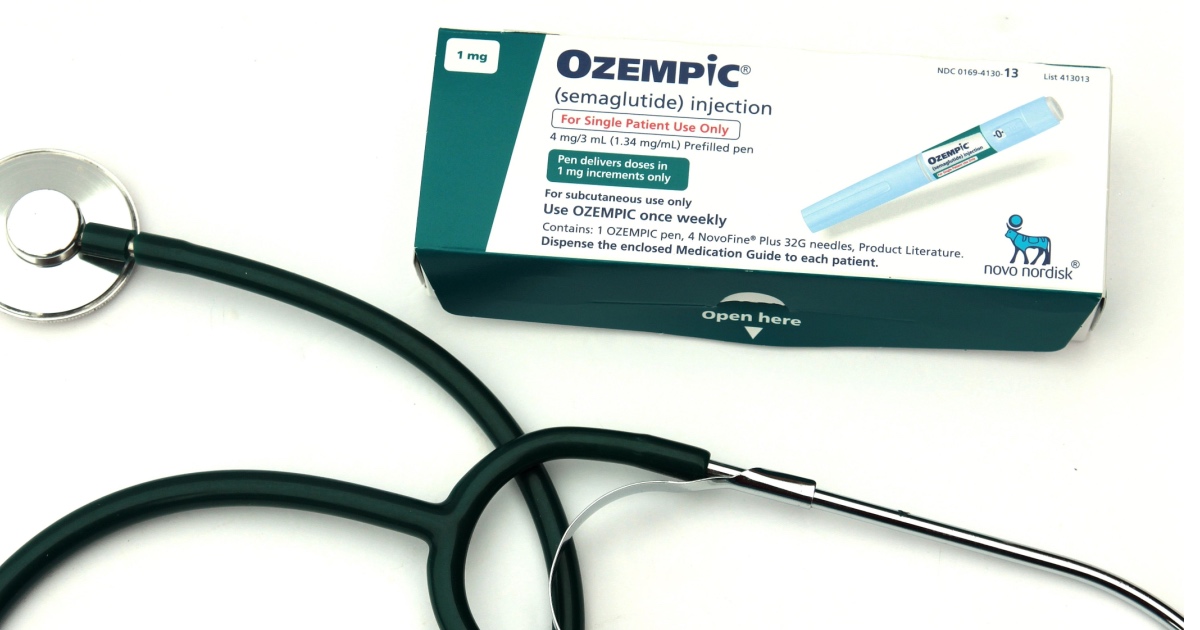

Millions of people have used Ozempic, Wegovy, or Mounjaro to lose significant weight or manage their blood sugar. And for many, the medication has worked remarkably well. But here’s what most people never get told when they start: stopping is a completely different challenge from starting.
Whether you’re thinking about coming off because of cost, side effects, pregnancy planning, or because you’ve simply hit your goal, what you do in those first few weeks off the medication matters enormously. Some people navigate the transition smoothly. Others find themselves right back where they started, or worse, within a year. The difference almost always comes down to how the decision was made and whether there was any kind of plan in place.
Doctors who specialize in obesity medicine have a lot to say about this process, and most of it isn’t complicated. But it does require you to understand what’s actually happening in your body when these drugs leave your system, and that’s where most people fall short.
1. Understand What These Medications Are Actually Doing
Before you can stop a GLP-1 medication wisely, you need to know what it’s been doing for you. Medications like Ozempic, Wegovy, Mounjaro, and Zepbound belong to a class of drugs known as GLP-1 receptor agonists (glucagon-like peptide-1 receptor agonists), which work by mimicking the effects of a natural hormone called GLP-1 to regulate blood sugar levels. In plain terms: your body already makes this hormone, but these drugs supercharge its effects.
These medications work in several ways. For starters, they slow down digestion. Your stomach doesn’t empty as quickly, so you get fuller on smaller portions. The drugs also act on hormonal pathways to reduce appetite and food cravings, both the physical feelings of hunger and mental cravings in the brain. That’s a lot of heavy lifting, and all of it stops when the medication leaves your system.
Semaglutide, the active ingredient in Ozempic and Wegovy, requires about 5 weeks for 97% elimination from the body after the last dose. Tirzepatide, found in Mounjaro and Zepbound, takes 4 to 5 weeks as well. That’s a long window, and it’s why changes in hunger and blood sugar don’t always happen immediately after you stop. But once that clearance happens, the effects of the drug are gone. Your body is on its own.
2. Always Talk to Your Doctor First – Not After
A large real-world study published in JAMA Network Open found that more than half of patients prescribed GLP-1 medications for obesity or diabetes discontinue treatment within one year. This pattern highlights how many users stop therapy relatively early, often without sustained clinical support or long-term follow-up guidance.
Discontinuing a GLP-1 after long-term use should always be a decision made in close collaboration with a healthcare provider. Working closely with them to create a transition plan that considers current health status, weight history, and goals is critical. If you’re taking one of these medications for type 2 diabetes, this is especially true. If you have health conditions such as type 2 diabetes, your doctor will want to monitor you closely to make sure your blood sugar stays controlled.
Even early in treatment, stopping should involve guidance from a healthcare provider. They can help assess why you’re considering stopping, whether it’s side effects, unmet weight loss expectations or another concern, and advise on whether a pause, dose adjustment or gradual taper might be safest. That conversation could change your approach entirely.
3. Know Why You’re Stopping
Your reason for stopping matters, and it changes what your doctor will recommend. The most common reasons patients stop taking GLP-1 medications are side effects such as nausea, diarrhea, vomiting, constipation, and abdominal pain. People also sometimes stop because the medication isn’t affordable for them. Others have insurance barriers or don’t want to make the long-term commitment.
Each of these situations calls for a different approach. If side effects are driving your decision, lowering the dose can sometimes help manage them without stopping entirely. If cost is the issue, a conversation about maintenance dosing or even stretching out injection intervals may be worth having before walking away from the medication completely. If you’ve hit your weight goal, you may no longer need the medication. But for those taking it only for weight loss, insurance may no longer cover it once a goal weight is reached.
If you’re planning a pregnancy, that’s another important reason to stop – and to stop with enough lead time. Patients planning pregnancy should discontinue semaglutide at least 2 months before conception due to its extended half-life. This is a clinical recommendation that many patients aren’t aware of, which is exactly why having the conversation with your doctor early is so important.
4. Taper Gradually Rather Than Stopping Cold Turkey
If a person abruptly stops GLP-1s, they may regain between 50% and 80% of the weight they lost. This is because the medication suppresses appetite and metabolism. A sudden halt causes a spike in appetite while metabolism lags behind, creating a perfect storm that may cause rebound weight gain.
Gradual tapering is the strategy most obesity medicine physicians prefer. Tapering is the process of either gradually lowering your dose over the course of several weeks or stretching out your dose frequency, going from weekly injections to every other week, then every three weeks, and so on. There’s no single protocol that fits every patient, but the direction is consistent: slower is better.
Research presented at the European Congress on Obesity in 2024 found that people who gradually reduced their dose to zero over an average of nine weeks maintained a stable body weight in the first 26 weeks after tapering. That’s an encouraging early finding, though larger studies are still needed. A separate study published in Diabetes, Obesity and Metabolism found that switching from a weekly GLP-1 dose to a dose every other week helped people maintain about 75% of their weight loss. These results suggest that how you leave the medication may be just as important as how long you stay on it.
You can read more about managing the complexities of weight loss medications in this article on Ozempic and weight gain.
5. Expect Your Appetite to Come Back – and Plan Ahead
About a week after stopping the medication, you will start to notice that your hunger and cravings may return. For people who had been on these drugs for months or years, this can feel startling. The “food noise,” which refers to persistent, intrusive thoughts about food, returns. Portions that once felt filling no longer do. The appetite suppression that felt effortless is suddenly gone.
When you stop Ozempic, Wegovy, or Mounjaro, appetite typically returns within weeks. The hormonal suppression of hunger reduces, and food becomes more rewarding again. Alongside this, eating behaviors that were quieter during treatment begin to re-emerge. Snacking, larger portions, and more reactive eating patterns often return unless they have been addressed.
The practical move here is to build the habit before the drug is gone. The best way to accomplish this is to focus on protein, especially from lean meat, poultry, fish, soy, and dairy products. Protein helps maintain lean body mass and the body burns significantly more calories digesting protein than it does carbohydrates and fats. Fiber is also key, as increasing your intake is one of the best ways to help mimic the fullness effects of a GLP-1. Dietitians at Massachusetts General Hospital’s Weight Center specifically recommend this protein-and-fiber approach as a post-GLP-1 transition strategy.
6. Understand the Real Risk of Weight Regain
The research on what happens after stopping these medications is stark, and it’s better to understand it clearly than to be caught off guard. One year after stopping once-weekly semaglutide 2.4 mg, participants in the STEP 1 trial extension regained two-thirds of their prior weight loss, with similar reversals in cardiometabolic markers. That’s a significant finding from a large clinical trial.
A study published in JAMA Internal Medicine in November 2025 followed 308 people taking tirzepatide for 36 weeks, then randomized them to either continue or switch to a placebo for another 52 weeks. Among those who stopped the GLP-1, 82 percent who lost weight regained 25% or more of their initial weight loss within a year. Blood sugar levels, cholesterol, and blood pressure also moved back toward pre-treatment levels when weight returned.
Obesity is a chronic, complex condition. Taking tirzepatide or semaglutide can help the body get rid of fat, but it doesn’t fix the reasons a person gained weight in the first place. Doctors often compare it to blood pressure medication: stopping the treatment means the underlying disease comes back. Obesity is a chronic condition, and changes to medications and management are part of the process, not a personal failure. Understanding this framing helps people respond to weight regain with a plan rather than shame.
Read More: Doctor Explains How Ozempic Could Cause You To Gain Weight Once You Stop Using It
7. Build the Lifestyle Foundation That Carries You Forward
The evidence is consistent: people who make healthy lifestyle changes, like a balanced diet and regular exercise, as part of their weight loss plan are more likely to keep the weight off after they stop taking the medications. This isn’t a back-up plan. It’s the plan.
Strength training matters more here than most people expect. When GLP-1 medications help you lose weight quickly, some of what’s lost can be muscle tissue. The first three to six months after dose reduction often carry the highest risk for metabolic relapse. Proactive monitoring is essential. Follow-up visits every one to three months allow clinicians to track weight trends, waist circumference, A1C, fasting glucose, blood pressure, and lipid profiles.
Mental tools to cope with stress and boost resilience are also invaluable when stopping GLP-1s. They can help you deal with food cravings, find the motivation to maintain food and exercise routines, and face challenges that arise. Avoiding all-or-nothing thinking is a helpful strategy. If you overeat at one meal, keep moving forward and manage your portions better at the next one. And if your weight starts creeping up despite real effort, that’s data, not defeat. If lifestyle changes alone are not enough to maintain weight loss, your doctor may recommend trying a lower-cost anti-obesity medication, such as metformin or naltrexone/bupropion. Restarting the GLP-1 at a lower dose is also a valid option for many people.
What to Do Now
Stopping Ozempic, Wegovy, or Mounjaro is not as simple as skipping your next injection. The medications have been doing a lot of physiological work on your behalf, and when that work stops, your body needs time to adjust. The people who do best after stopping are those who started planning before their last dose, not after.
Talk to your doctor, taper slowly if possible, and take the return of appetite seriously as a biological reality rather than a willpower failure. Focus on protein and fiber to help control hunger without the medication. Keep regular check-ins scheduled, especially in the first three to six months. And if you do regain some weight, know that this is a chronic condition being managed, not a story that’s over. The evidence shows that with the right transition plan, many people can preserve a meaningful portion of their progress – and build on it for years to come.
Disclaimer: The author is not a licensed medical professional. The information provided is for general informational and educational purposes only and is based on research from publicly available, reputable sources. It is not intended to constitute, and should not be relied upon as, medical advice, diagnosis, or treatment. Always consult a licensed physician or other qualified healthcare provider regarding any medical condition, symptoms, or medications. Do not disregard, avoid, or delay seeking professional medical advice or treatment because of information contained herein.
AI Disclaimer: This article was created with the assistance of AI tools and reviewed by a human editor.
Read More: ‘Ozempic Sex’: The Surprising Side Effect Users Are Talking About