

Idaho just passed a broad “Medical Freedom” law that blocks vaccine mandates for schools, employers, and many other places. It cleared a veto fight and took effect over the summer. Supporters call it a reset on rights after the pandemic, while critics are concerned it could bring back preventable diseases and confuse institutions. Florida’s leaders want to go even further by ending every state vaccine mandate, including school entry rules. That idea grabbed national attention and drew sharp pushback from pediatric groups. So the big question is simple. What happens if more states copy Idaho or follow Florida? The answer touches everything. It affects everything from public health to business routines, personal rights, and social trust. It also depends on many factors, such as real-time data and rapid political moves.
How Idaho Passed the “Medical Freedom” Law
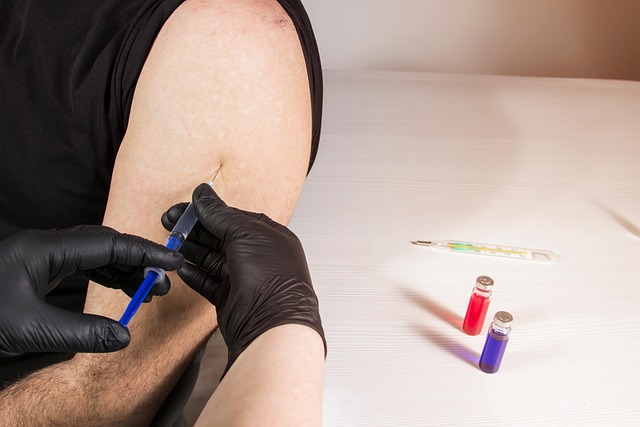
Back in April 2025, Idaho passed Senate Bill 1210 after a similar one got vetoed earlier. They basically took the old “Coronavirus Stop Act,” cleaned it up, and renamed it the “Idaho Medical Freedom Act.” The new Idaho vaccine mandates says governments, private businesses, schools, and even day cares in Idaho cannot require a vaccine or any medical treatment just to work there, get services, or walk through the door. There are a few exceptions when federal rules or funding conditions apply, because the state cannot override those. It kicked in on July 1, 2025, after a last-minute push at the end of the session. People who support it say it protects personal choice and stops discrimination based on medical status. People who oppose it worry it could undercut school vaccination programs and make infection control harder in places like hospitals and nursing homes. Public health folks also think Idaho’s move could nudge nearby states to try something similar. If you want to check, the official bill text and timeline are posted publicly.
Florida’s Bid to End All Vaccine Mandates

Image Credit: Pixabay
In September 2025, Florida’s surgeon general said he wants to end every state vaccine mandate, even the long-standing school entry ones. The governor backed the idea but said lawmakers still need to change the statutes to make it real. Lots of doctors, medical groups, and editorial boards raised alarms right away. They pointed to rising exemption rates and recent measles outbreaks as warning signs. Reporters and journals also said a statewide rollback like this would be a first in modern times. National leaders jumped in, reminding everyone that vaccines protect communities. Now the big question is whether the legislature will actually pass it. Even before a vote, the announcement changed the national conversation, because other states are eyeing similar bills. Florida’s move shows how fast policy can shift when top officials and legislators are aligned. What happens there will tell us if other states go even further than Idaho.
Current State of Play Across the States
Every state, plus D.C., requires certain vaccines for kids to attend school. The twist is in the exceptions. Each state handles exemptions differently, and quite a few have broadened non-medical opt-outs over the past decade. Idaho is an outlier now because it blocks vaccine mandates for most employers and schools. Florida’s leaders are talking about ending school mandates altogether, but they still need lawmakers to pass it. If you look at the national maps, you can see which shots are required at each grade, and where religious or philosophical exemptions are allowed. The rules live in state laws or regulations, and they spell out exactly who can be exempt and how. When states tweak those rules, coverage rates shift, which is why you’ve seen so many changes this past year. More debates are already lined up, so this policy space is moving fast.
Here’s how the bans actually differ. Some only cover state agencies and state workers. Others reach private employers, universities, day cares, and K-12 schools. Idaho’s law is one of the widest, since it blocks mandates tied to jobs, services, and entry. It also swaps the old COVID-specific wording for a broad “medical intervention” rule. Florida’s idea goes even further by removing school mandates entirely. Why does scope matter, though? Different places have different safety duties. Hospitals care for very vulnerable patients. Universities bring in students from all over the world. Employers think about injuries, insurance, and basic duty of care. Federal rules still shape some spaces, like programs tied to certain funds or international travel. Idaho’s law nods to that and allows compliance where federal law applies. The most visible flash point is school entry. If those rules change, immunity in young kids can drop, and enrollment gets more complicated.
Why Supporters Pushed and Supporters Warned About the Idaho Vaccine Mandates

So, how do the supporters see the Idaho vaccine mandates? Well, they put individual liberty first and worry about government pushing too far. You’ll hear the phrase “medical freedom,” which mixes privacy, consent, and personal belief. The pandemic shaped a lot of this because many people disliked the mandates and restrictions. They also say that when disease risk goes up, people will choose to vaccinate without being forced. Politics is a big part of it now. In many states, the fight breaks along party lines, especially during primaries. The messages center on bodily autonomy, religious conscience, and distrust of distant experts. Conservative groups and party outlets leaned hard on that framing in Idaho. At the same time, national coverage talks about a wider wave of bills that curb public health powers, touching vaccines, water fluoridation, and even milk rules. If you know the motivations, you can guess where similar bills might pop up.
Lawmakers track local opinion, recent outbreaks, and primary threats when they write these proposals. The incentives are strong in a lot of state capitols, so you’ll likely see more of this. As for the opponents, they have a different view. They’re looking at the outbreaks and the drop in vaccine coverage and saying, this is trouble. Measles in 2025 hit the highest levels in more than 30 years, with several big flare-ups. Federal reports say over 90% of cases were either unvaccinated or not clearly documented. Pediatric experts warn that even small dips in coverage can spark clusters, and Johns Hopkins and others keep showing that childhood vaccination rates are sliding. Health agencies also say kindergarten exemptions hit a record this school year. Idaho shows up in outbreak counts, and Florida’s exemptions have jumped. That’s why hospital leaders and school nurses are nervous. They’re the ones setting up isolation rooms and calling health departments when cases pop up. Opponents argue that statewide bans take away basic guardrails.
Business and Higher Education Implications

So, what do the Idaho vaccine mandates mean for workplaces? If a state bans mandates, employers need policies that follow those rules but still keep people safe. Companies that operate in several states have to create one approach that works in both strict and loose states. That means sorting out leave, outbreak plans, and reasonable accommodations. Colleges have the same headaches in dorms, labs, and clinical rotations. Many will push voluntary vaccination, make shots easy to get, and follow partner requirements when students go into hospitals. Those hospital partners can still set their own rules. Insurers also look at risk. If vaccination drops, premiums or coverage limits can change. HR teams will build layered plans. Think clear education, sick leave that supports staying home when sick, and step-by-step outbreak playbooks. Stability is the goal, because messy rules slow everything down. Idaho’s law already triggered employer advisories that spell out the do’s and don’ts. Leaders in other states are reading those closely.
Intersections with Federal Requirements and Long-Standing School Rules

States set their own school vaccine rules, usually following national recommendations, but no federal agency forces them to vaccinate students. Still, federal policy can matter. Travel rules, immigration medical checks, and some workplace standards push people to get certain shots. Most COVID-specific federal mandates have faded, but older program rules and funding conditions still carry weight. Idaho’s law even notes that when federal law applies, it can override state limits. Public health guides lay out how states design school entry rules and exemptions, which is why those mandates stayed steady for decades. But when lawmakers decide to change them, things can move fast. If more states pass broad bans, expect court debates over what trumps what. In the meantime, schools and employers feel the mess first. They have to match state bans while still meeting outside requirements, especially in healthcare and international programs.
Measuring Benefits and Risks

Banning mandates, supporters say, gives people real choice and cuts down on fights at work and school. Your job shouldn’t hinge on your medical status. Small businesses and day cares also get a break, since they aren’t chasing records or handling exemption forms. Families see less paperwork at enrollment, which makes life easier. Advocates think clear information, easy access to shots, and trusted local voices can keep vaccination strong without rules. They also argue the economy benefits, because a friendlier regulatory climate attracts workers and helps companies keep staff. The proof won’t show up overnight. It depends on disease trends and day-to-day experience. Supporters believe Idaho can show that freedom and health can live together. We’ll see in the next couple of school years, when coverage, absenteeism, and outbreak costs tell the story.
Public health folks say outbreaks come with predictable costs. Measles can put people in the hospital and shut down schools for weeks. Contact tracing and exclusion orders eat up tons of staff time across agencies. This year’s federal updates show repeated surges and bigger outbreak footprints, and universities and pediatric experts are seeing the same thing. As more states allow exemptions, community protection drops below safe levels. Families end up juggling quarantines and mixed rules, which is exhausting. Big companies may default to the strictest policy across all locations just to keep things simple. Colleges could face travel limits for unvaccinated students placed at partner hospitals. Insurers may respond with higher premiums or tighter outbreak clauses. And when rules change from one zip code to the next, people start to doubt the system, which can spill over into other health programs. That growing mistrust, plus the rising outbreaks, is what opponents point to as the clearest warning sign.
What the Data Reveals and Legal Challenges Ahead

In 2025, the CDC has logged more than 1,600 measles cases across over 40 jurisdictions, and most of them are part of outbreaks. Weekly updates earlier in the year already broke recent records. Johns Hopkins flagged this as the biggest measles load since the U.S. declared the disease eliminated in 2000. KFF also found that kindergarten exemption rates rose during the 2024 – 2025 school year. If you check the national maps from major outlets, you can see which states allow religious or philosophical exemptions and where coverage has slipped. Remember, coverage is a lagging signal. The decisions schools make this year may show up as outbreaks next year. So analysts say to watch a few things closely: rising exemptions, more absences, and hospitalizations. They’re also tracking county hotspots where coverage fell below safe levels. Those signals will tell the real story faster than any hearing or press release. The next twelve months should test everyone’s claims.
Courts may need to clarify conflicts between state bans and external requirements. Universities that place students in clinical settings often rely on partner policies. Those partners sometimes require vaccines for patient safety. Idaho’s law allows compliance when federal law applies, yet many gray areas remain. School exclusion rules for sick students still exist and may gain importance. Attorneys expect challenges that test disability accommodations, religious claims, and privacy protections. National reporting has noted that some states are considering bills that reach beyond vaccines to other public health powers. If Florida repeals school mandates, advocates anticipate lawsuits from parents and medical groups. The outcomes would shape national norms. Courts often weigh states’ historic authority over school health against modern rights claims. That balance can shift with new facts. Outbreak data, hospital strains, and travel disruptions could influence judicial views. Legal uncertainty, therefore, becomes a practical cost for institutions that need stable rules.
Business, University, and K-12 Playbooks

After Idaho’s law and Florida’s proposal, a lot of employers updated their playbooks. They’re leaning on informed consent, on-site or pop-up clinics, and even paid time to get shots. They’re also tightening outbreak leave and isolation rules that don’t rely on mandates. Universities are cleaning up paperwork for clinical rotations and study-abroad, and they’re adding clear notes when partner hospitals or programs have their own requirements. K-12 schools are focusing on communication. Families hear from school nurses and local doctors, and there’s a simple plan for spotting cases early and getting kids back to class safely. Public health teams are still doing outreach, especially in communities that have trouble accessing care. Some places are upgrading ventilation and using rapid tests to lower risk. All of this is about keeping work and learning on track while following changing state laws. Idaho already has detailed advisories for employers, and leaders in other states are ready to borrow those if similar laws pass.
Read More: Father Shares Experience of Illness Following Pfizer COVID Vaccine, Discusses Recovery
What to Watch Next and Comparisons

So, will other states copy Idaho or Florida? The Advisory Board thinks more might try. Second, the details matter a lot. Narrow bans cause fewer conflicts than wide ones that touch private employers and schools. Third, the numbers will speak. Exemptions and outbreaks will test every claim on both sides. Fourth, watch how sectors respond. Hospitals, universities, and big companies will publish new policies, and reporters will compare attendance and disease patterns across states. Fifth, keep an eye on Washington. Leaders already weighed in on Florida’s plan, urging vaccination. New funding rules or guidance could reshape local choices. Put these pieces together, not just the slogans. The next school year will be a big test, especially in tourism hubs and border regions where importations can spread fast.
Other countries do this differently. Some have national mandates for certain childhood shots. Others rely on strong recommendations and school checks. Europe shows a mix, and several nations require multiple pediatric vaccines. The United Kingdom does not mandate vaccines, yet uptake stays high through its national program. The United States has left school rules to the states, and that setup now meets a wave of mandate bans. Global experts keep saying the same thing. Measles anywhere can become measles everywhere because travel moves it quickly. When states open exemptions widely, clusters form and spread faster. The past year’s U.S. data fits that pattern. Looking across countries helps voters see what designs keep coverage steady. It also makes the tradeoffs clearer than a quick headline.
The Core Tradeoff and Practical Choices Regarding the Idaho Vaccine Mandates

At the end of the day, one side puts personal choice first and the other side puts shared protection first. Most families want both freedom and safety. The real test is keeping schools open and hospitals steady when coverage slips. There are practical ways to lower the heat either way. Trusted messengers can answer questions and book easy appointments. Sick leave and flexible schedules help parents keep kids on track. Clear dashboards build trust when they show progress and gaps. Schools and employers can plan fair, transparent outbreak steps in advance. States can also support communities that struggle to access care. None of this requires mandates. It does require steady effort and resources. Idaho will show what voluntary strategies actually work. Florida’s final call will shape the larger debate. In the end, outcomes come from daily practice, not just new laws.
So, here’s where we are. Idaho’s law moves hard toward medical choice at work and school. Florida’s push to end school mandates would go even further. Supporters see less conflict and more liberty. Opponents see more outbreaks, less trust, and heavier pressure on schools and hospitals. Both say they serve the public good. The next year will turn talk into evidence. Watch exemption rates, outbreak maps, attendance trends, and hospital strain. Those signals will show if freedom and safety can balance without mandates. They will also show whether other states copy Idaho or follow Florida’s lead. The stakes are local and national at the same time. Families want open classrooms and dependable care. So the question lies with all of us. Given the new data and visible costs, where should we draw the line between mandates and choice?
Disclaimer: This article was created with AI assistance and edited by a human for accuracy and clarity.
Read More: ‘Universal’ Cancer Vaccine Shows Promise for Treating Multiple Forms, Enters Human Testing