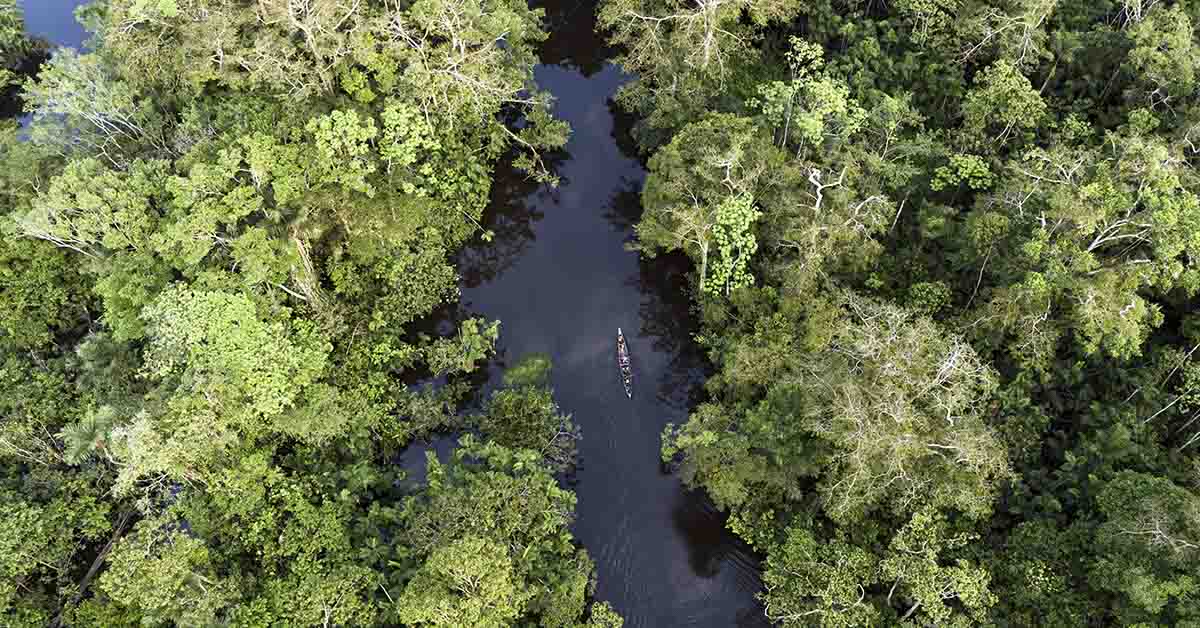
The Mashco Piro live deep in the Peruvian Amazon and are among the largest indigenous tribes to shun the outside world. However, members of the Amazon tribe have recently been seen entering a nearby village as loggers continue to encroach on their territory. This has raised alarm bells as they typically stay away from outsiders and can die from diseases that are usually harmless to others, as they have developed no immunity to them. Recent logging activities in the area have included the construction of a bridge that leads to their territory. This could potentially also lead to violent conflicts, such as an incident that occurred in 2024, when two loggers were killed by the tribe after entering into unprotected areas.
The Amazon Tribe Known as the Mascho Piro
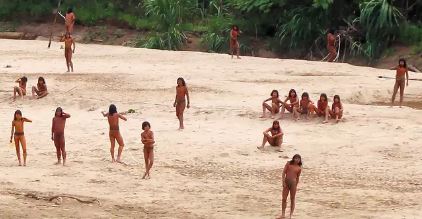
The Mashco Piro are hunter‑gatherer nomads who live in the Amazon rainforest in southeastern Peru. They call themselves the Nomole, and it is estimated that there are around 750 individuals remaining in the tribe as of 2024. They were forced into hiding during the rubber boom in the 19th century and have largely avoided any contact with the outside world ever since. Yet, despite years of voluntary isolation, they have recently been spotted going into nearby villages. According to the president of the Yine community, Enrique Añez, members of the Mashco Piro tribe had been seen around the Nueva Oceania village. He went on to say that heavy machinery near the village had been cutting paths into the territory of the Amazon tribe.
A logging company by the name of Maderera Canales Tahuamanu (MCT) is constructing a bridge across the Tahuamanu River and straight into Mashco Piro territory. According to Teresa Mayo, a researcher at Survival International, “Exactly one year after the encounters and the deaths, nothing has changed in terms of land protection, and the Yine are now reporting to have seen both the Mashco Piro and the loggers exactly in the same space, almost at the same time. The clash could be imminent.” In that statement, she was referring to the 2024 incident in which loggers were shot and killed with bows and arrows. The Forest Stewardship Council (FSC) temporarily suspended MCT’s sustainability certification until November. However, it appears that logging has already resumed, and construction of the bridge still continues.
What Is the Local Government Doing About the Situation?
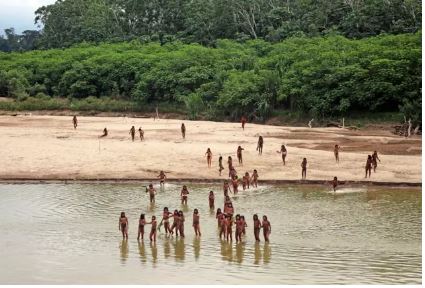
The government of Peru has taken several steps towards protecting the Amazon tribes. For example, there are eight reserves marked out for isolated tribes with another five still pending. Additionally, the protection budget as more than doubled this year. However, critics have stated that existing contradictory policies significantly undermine these measures.
For instance, there are large regions of tribal ancestral land that remains outside of these reserves and have been encroached on by logging activity. “wherever land isn’t protected, there are miners, drug traffickers, loggers … pushing the Mashco Piro closer,” warns Anthropologist Beatriz Huertas.
The Reserva Indígena Mashco Piro was established in 2016 and encompasses around 8,160 km² in Alto Purús National Park. Yet, so much of this Amazon tribe’s traditional land lies outside of this area.
What Is at Stake For the Mashco Piro Amazon Tribe
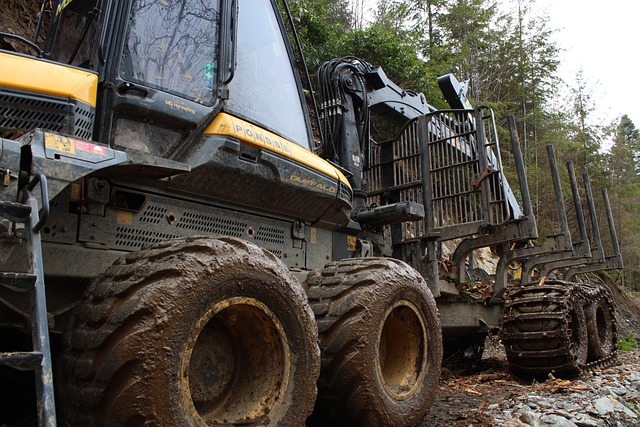
Contact with the outside world could prove disastrous for the tribe. Even a common cold could lead to an outbreak among the population that has no immune defense against it. There is also the issue of cultural erosion as interaction could drastically change their way of life.
The arrival of curious tourists wanting to take a picture or loggers wanting to take timber can lead to violent confrontations and loss of life. According to César Ipenza, an environmental lawyer working in Peru, “The growing presence of forestry operations will almost certainly lead to renewed contact with isolated Indigenous peoples, creating a violent situation that endangers them as well as the workers in the area.”
Additionally, it is not only the habitat of the tribe that is getting destroyed, but also all the wildlife that depends on it for survival.
The continous destruction of the Amazon can have a disastrous impact on climate change. The governments need to do more to not only ensure the survival of the Amazon tribes, but of our entire planet and species.
Caroline Pearce from Survival International has stated that allowing these loggers to operate under FSC certification is both dangerous and disrespectful. “This is the Mashco Piro’s ancestral forest, and it is their home,” Pearce stated, adding, “Indigenous land must be in Indigenous hands, not subject to corporate greed.”
It is essential that the government of Perus prioritize the sovereignty of the Amazon tribes over economic interests that only benefit some people in the short term. With only 750 members left in the tribe, the time for action cannot come any sooner.
Read More: Yurok Tribe Reclaims Ancestral Lands in California After More Than a Century