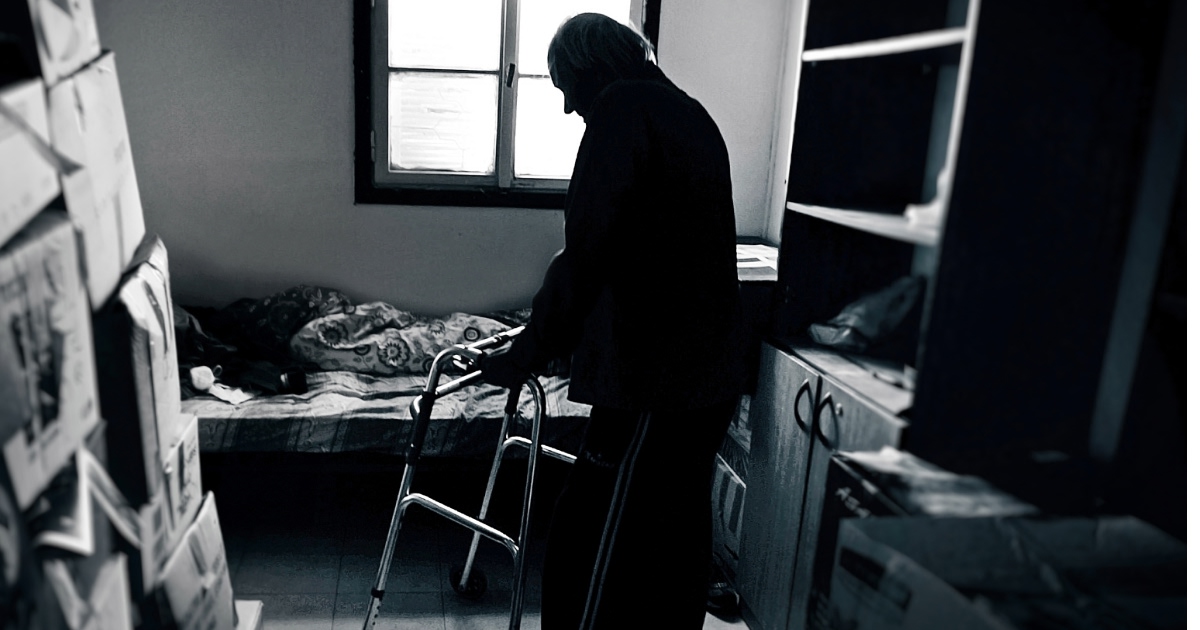

Singapore has the longest-lived population on Earth, with the average citizen expected to survive well past their 85th birthday. The same 2026 analysis in The Lancet Public Health that placed Singapore at the top of the global life expectancy ranking also found an 11.2-year window – the equivalent of a full decade of adult life – that Singapore’s residents can expect to spend in poor health.
Living to 85 is one thing. Living well to 85 is another, and the gap between those two figures turns out to be far larger, and far more consequential, than the headline life expectancy by country numbers suggest. Researchers have a specific term for this divergence: the morbidity gap. Morbidity refers to the burden of illness and disability. The morbidity gap is the difference between how long a person lives and how many of those years they can reasonably expect to live in good health.
The “compression of morbidity” hypothesis long proposed that effective prevention and care would delay disability more than death, shrinking this gap over time. The Global Burden of Disease Study 2023, published in July 2026, found the opposite: the gap has widened in nearly every country on the planet.
In a press release from the National University of Singapore, Associate Professor Marie Ng, director of the NUS-IHME Global Burden of Disease Research Centre at NUS Medicine and a co-author of the study, said: “Singapore’s position as a global leader in life expectancy and healthy life expectancy is a major public health achievement. However, the widening morbidity gap shows that living longer does not automatically mean that every additional year is lived in good health. The next frontier for Singapore is therefore not simply to add more years to life, but to reduce the burden of chronic illness, disability, and functional decline across the life course. This will require stronger prevention, earlier intervention, rehabilitation, and sustained support to help people remain healthy and independent as they age.”
What the research actually measured
The study used Global Burden of Disease 2023 estimates of life expectancy and healthy life expectancy at birth for 204 countries and territories from 1990 to 2023, calculating the morbidity gap as life expectancy minus healthy life expectancy (HALE).
Healthy life expectancy, or HALE, is the metric the World Health Organization uses to capture this distinction. Rather than simply counting the years a person lives, HALE adjusts life expectancy downward to account for time spent in states of reduced health – living with chronic pain, significant disability, sensory loss, or serious disease. The result is a figure that reflects years lived in something approximating full health, not just years lived.
Between 1990 and 2023, global life expectancy rose from 64.6 to 73.8 years, while healthy life expectancy rose more slowly – from 55.9 to just 63.1 years. Within a single generation, the global morbidity gap widened by nearly two years, from 8.8 years in 1990 to 10.7 years in 2023. In 2023, people spent an average of 14.5% of their lives in poor health, up from 13.6% in 1990.
The study’s geographic breadth makes its central finding hard to dismiss as a regional anomaly. Researchers analyzed data from 204 countries and territories, finding worsening trends in 203 of them. The single exception was Palestine – and even that outlier likely reflects the specific circumstances of conflict rather than better health policy.
The countries with the largest gaps
When the data is ranked by morbidity gap rather than by raw life expectancy, the countries that appear at the top are not the poorest nations, nor are they places with the shortest lives. The countries with the widest gaps between lifespan and healthspan are predominantly wealthy, high-income nations with sophisticated medical systems.
The US had the largest morbidity gap in 2023 at 14.0 years, followed by Australia at 13.9 years and Canada at 13.7 years. High-income countries as a group experience the widest morbidity gaps – gains in lifespan that have not been matched by gains in healthy years of life.
A large morbidity gap in a wealthy country reflects the fact that people there live long enough to spend many years managing chronic conditions – and that the healthcare system, social conditions, environment, and public policy all shape how many of those years are spent with significant illness or disability. High-income nations had the largest morbidity gap at nearly 13 years on average. Sub-Saharan Africa, by contrast, had the smallest average gap – not because people there age more healthily, but because shorter overall lifespans leave less room for the late-stage chronic disease burden that accumulates in wealthier populations.
Singapore’s case illustrates the paradox directly. The Lancet Public Health analysis found Singapore ranked first in the world for both life expectancy and healthy life expectancy in 2023. Singapore’s life expectancy reached 85.4 years while its healthy life expectancy was 74.1 years, leaving an 11.2-year gap between the two. Living longer than almost anyone else on the planet still means, on average, more than a decade of life shaped by disease or disability.
Women consistently live longer than men but spend more years in poor health, with a global morbidity gap of 12.1 years compared with 9.3 years for men. The pattern is consistent across countries and income levels, though the reasons are not fully settled scientifically.
What is driving the gap
Five predominantly non-fatal groups of conditions accounted for 57.4% of the morbidity gap in 2023: musculoskeletal disorders, mental disorders including depression and anxiety, sense organ diseases such as age-related hearing loss, unintentional injuries, and non-communicable diseases.
Musculoskeletal conditions are the leading cause of disability globally, based on years lived with disability. Low back pain tops this list – it is the leading cause of years lived with disability worldwide. The condition is rarely fatal, which is precisely why it contributes so heavily to the morbidity gap: it keeps people alive while significantly limiting what they can do and how they feel for years or decades.
As populations age and sedentary lifestyles prevail, the global prevalence of conditions such as low back pain, osteoarthritis, and related musculoskeletal disorders has risen. In high-income countries specifically, high body-mass index and high fasting plasma glucose are leading risk factors contributing to the morbidity gap – pointing directly to the growing burden of type 2 diabetes and obesity-related conditions, diseases that rarely kill quickly but can reduce quality of life over many years.
Mental disorders, particularly depression and anxiety, rank among the top contributors to healthy years lost globally. Age-related hearing loss completes a pattern: the dominant drivers of the morbidity gap are chronic, non-lethal conditions that accumulate gradually and persist for years. The widening morbidity gap was observed across the adult lifespan, showing that people are spending more years in poor health throughout adulthood – not just in the final chapter.
Injuries matter here too, particularly falls. The National Council on Aging reports that 1 in 4 Americans aged 65 and older – roughly 14 million people – falls each year, making falls the leading cause of both fatal and non-fatal injuries in this age group.
Lifespan vs. healthspan: why the distinction matters
Lifespan – the total number of years lived – is what most people mean when they discuss life expectancy by country. Healthspan is the years within that total during which a person maintains the physical and cognitive function to live independently, without significant pain or chronic disease dominating their daily experience. You can read more about the habits that support both in research on how and when the aging process accelerates.
For decades, medical progress focused almost entirely on extending lifespan. Vaccines, antibiotics, surgical techniques, and intensive care protocols kept people alive through illnesses that previously killed quickly. The result, as this research makes clear, is that more people are now surviving into conditions that would once have been terminal – but living with those conditions for much longer. Life expectancy has increased substantially since the mid-twentieth century, but parallel healthspan expansion has not followed, largely impeded by the growing burden of chronic diseases in an aging global population.
The 2026 Lancet data quantifies exactly how large this divergence has become. Because the widening gap was observed across the entire adult lifespan, this is not simply a problem of final-years decline. People in their 40s, 50s, and 60s are accumulating years with back pain, depression, metabolic disease, and hearing loss that will shape the full arc of their later life.
What can actually be done?
Country-level morbidity gaps are shaped by healthcare systems, public infrastructure, food environments, housing quality, occupational conditions, and social policy. No individual behavior can fully offset those structural forces. A 55-year-old in a country with poor access to mental healthcare or a food environment dominated by ultra-processed products faces a different set of constraints than any person-level policy conversation can resolve.
The five dominant contributors to the morbidity gap all have known, modifiable risk factors. Risk for low back pain and related musculoskeletal conditions is increased by physical deconditioning, obesity, and tobacco use – factors that respond to regular movement, strength training, and sustained healthy body weight. Key modifiable risk factors for musculoskeletal health include high body-mass index and occupational ergonomic exposures, with management strategies spanning weight management, physical activity promotion, and ergonomic interventions.
Depression and anxiety – the mental disorders that rank among the largest contributors to global years lived in poor health – are meaningfully addressed through sleep, social connection, physical activity, and, where appropriate, evidence-based clinical treatment. Age-related hearing loss, while partially genetic, accelerates with noise exposure. Protecting hearing from a young age, and treating hearing loss when it develops rather than ignoring it, reduces the downstream cognitive and social burden that compounds into later-life disability.
For falls – the injury category that accounts for a significant portion of the global morbidity gap – the evidence on prevention is well-established. Strength and balance training in people over 60 consistently reduces fall frequency and severity. Osteoarthritis, osteoporosis, and sarcopenia are rising in prevalence with global aging, increasing disability rates among older adults, but these conditions respond to movement, resistance exercise, and adequate protein intake across the adult lifespan, not just in old age.
For diabetes and cardiovascular disease – the non-communicable diseases that drive much of the gap in high-income countries – the preventive levers are well known. Blood glucose management, physical activity, reduced ultra-processed food consumption, and blood pressure control all reduce the years spent managing these conditions. The challenge is that the systems people live within either support those behaviors or work against them.
What this means for you
The morbidity gap is not a verdict on any individual’s aging. It is a population-level measurement that reflects the combined effect of biology, environment, healthcare access, and decades of public policy – and it is widening almost everywhere, regardless of how long people live. The Global Burden of Disease Study 2023, published in The Lancet Public Health, found the global morbidity gap reaching 10.7 years in 2023, up from 8.8 years in 1990, while people spent 14.5% of their lives in poor health compared with 13.6% in 1990.
The ranking measures years lived with disease or disability – it does not measure how quickly anyone is biologically aging, and it does not determine your personal outcome. The dominant threats to healthy years are not the ones that kill you first. They are the conditions that accumulate slowly, often beginning in midlife: back pain, hearing loss, depression, metabolic disease, and falls. Sustained physical activity, resistance training, sleep, hearing protection, metabolic health monitoring, and strong social connection are where the evidence most consistently points. The morbidity gap builds across the full arc of adulthood, not just at its end, which means that work is worth starting well before the final decade of life.
Disclaimer: This information is not intended to be a substitute for professional medical advice, diagnosis, or treatment and is for information only. Always seek the advice of your physician or another qualified health provider with any questions about your medical condition and/or current medication. Do not disregard professional medical advice or delay seeking advice or treatment because of something you have read here.
AI Disclaimer: This article was created with the assistance of AI tools and reviewed by a human editor.
Read More: One Type of Physical Activity May Be Linked to Higher Dementia Risk