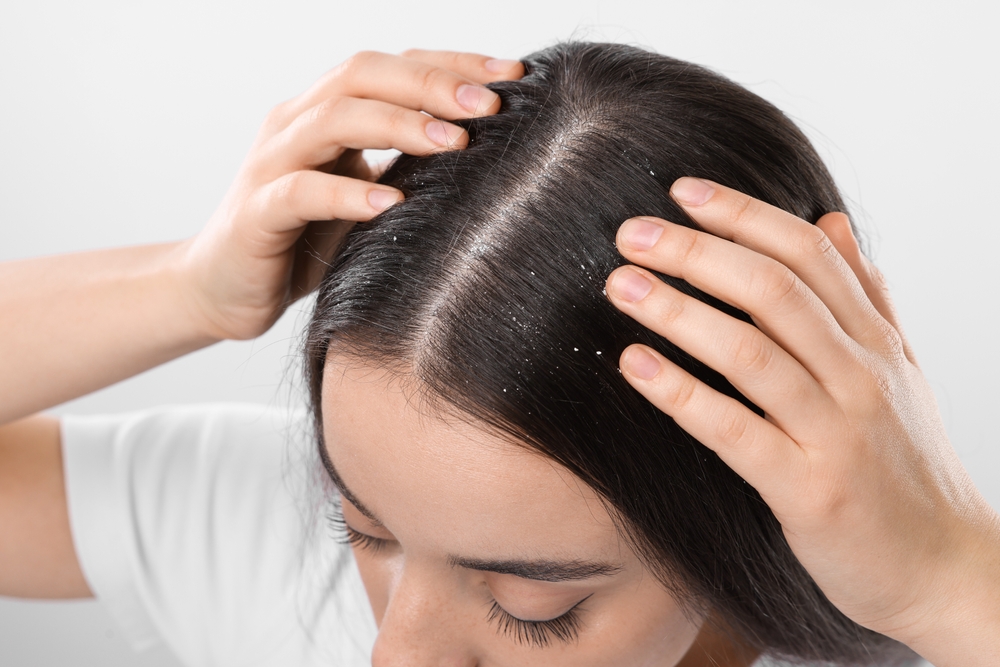

The skin is often the first place the body shows signs of internal imbalance. Beyond dryness or irritation, changes in texture, tone, or healing ability can point to nutrient problems. In fact, many vitamin deficiencies that show up on your skin are warning signals of deeper issues. These deficiencies do not only affect appearance, they also influence immune health, energy levels, and overall well-being. By learning which vitamins are tied to skin changes, you can better understand what your body is telling you. Early recognition means earlier correction through food, supplements, or medical guidance.
Skin as a Visual Health Indicator

The skin is the body’s largest organ, acting as a barrier against injury, infection, and dehydration. Because it constantly renews itself, it requires a steady supply of vitamins, minerals, and healthy fats. When something is missing, the skin often reflects it faster than other organs. Breakouts, unusual dryness, or slow healing may be signs of nutrient deficiencies or imbalances. Doctors sometimes use skin appearance as part of early diagnostic clues for underlying health problems. Paying attention to skin changes can provide valuable information about overall health long before lab tests are done.
What Shapes the Way Skin Looks

Skin health is influenced by multiple factors beyond genetics. Nutrition plays a central role, as the skin depends on vitamins such as A, C, and E to maintain strength and elasticity. Environmental factors, including sun exposure, pollution, and climate, accelerate wear and tear. Illnesses like diabetes or thyroid disorders also impact skin texture and healing. Even stress and poor sleep affect collagen production and hydration. This complex interaction explains why skin often mirrors both lifestyle and underlying medical conditions. Recognizing when changes may signal vitamin deficiencies that show up on your skin helps separate normal variations from true warning signs.
1. Vitamin A Deficiency: Rough, Scaly Skin

Vitamin A supports normal skin cell turnover. Without it, dead skin cells accumulate, causing rough, bumpy patches often seen on the arms and thighs. This condition, called follicular hyperkeratosis, gives skin a sandpaper-like texture. Dryness and flaking can also worsen, especially in colder climates.
What to Do: Add foods like carrots, sweet potatoes, and spinach to meals. Supplements may be recommended for those with absorption issues.
2. Vitamin C Deficiency: Bruising and Poor Healing

Vitamin C is crucial for collagen production. Deficiency weakens connective tissue, leading to easy bruising, bleeding gums, and wounds that heal slowly. Skin may also look rough, with tiny pinpoint bleeding spots known as petechiae. In severe cases, this can progress to scurvy, a disease almost entirely caused by lack of vitamin C.
What to Do: Increase intake of citrus fruits, bell peppers, and strawberries. Supplements are safe and effective if diet alone is not enough.
3. Vitamin D Deficiency: Eczema and Infections
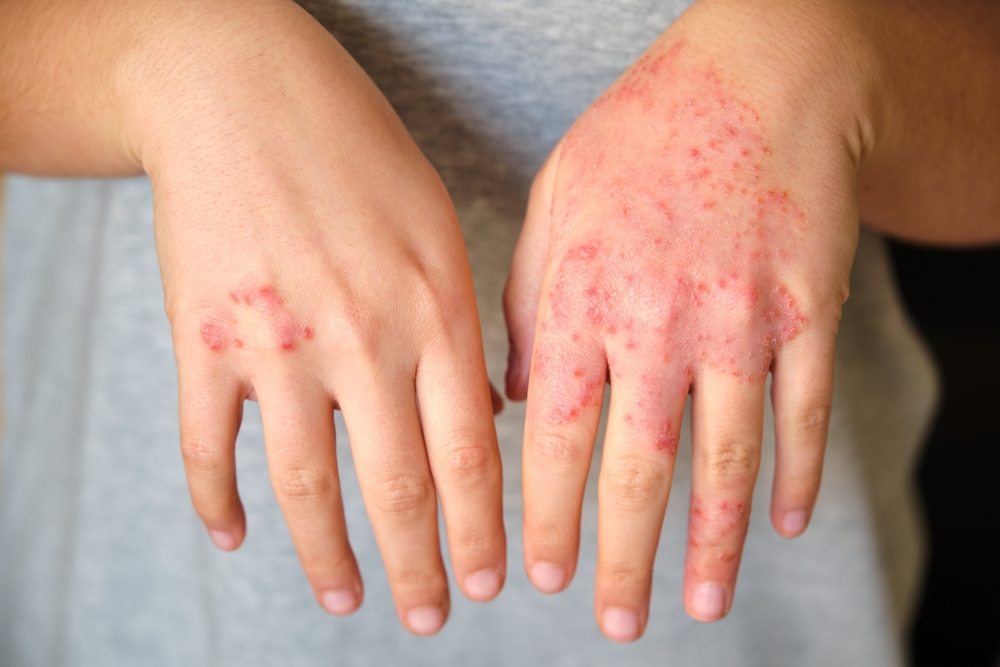
Low vitamin D levels can weaken the skin barrier, making it prone to eczema flare-ups and frequent infections. Studies link deficiency to inflammatory skin conditions, including psoriasis and atopic dermatitis. People with darker skin or limited sun exposure are especially at risk.
What to Do: Moderate sun exposure, fatty fish like salmon, and fortified dairy help restore vitamin D. Supplements may be needed in colder months.
4. Vitamin E Deficiency: Dryness and Fragility

Vitamin E acts as an antioxidant, protecting skin from oxidative damage and UV rays. Deficiency often causes excessive dryness, irritation, and increased sensitivity to sunlight. In severe cases, skin becomes fragile and prone to tearing.
What to Do: Include almonds, sunflower seeds, and avocados in the diet. If supplements are used, doses should be carefully monitored to avoid excess.
5. Vitamin B2 (Riboflavin) Deficiency: Cracks and Sores
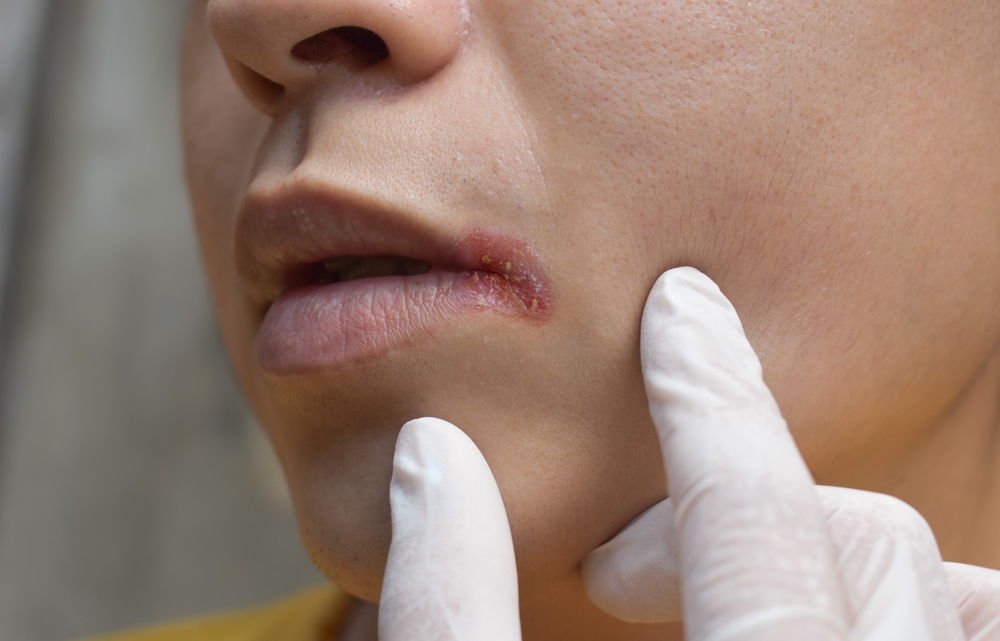
A lack of riboflavin shows up as painful cracks around the mouth and lips, called angular cheilitis. The skin may also appear greasy or inflamed, especially around the nose and forehead. Because B2 helps with energy metabolism, fatigue often appears alongside these visible signs.
What to Do: Add eggs, leafy greens, dairy, and fortified cereals to meals. Supplements can quickly restore balance in severe cases.
6. Vitamin B3 (Niacin) Deficiency: Red, Scaly Patches
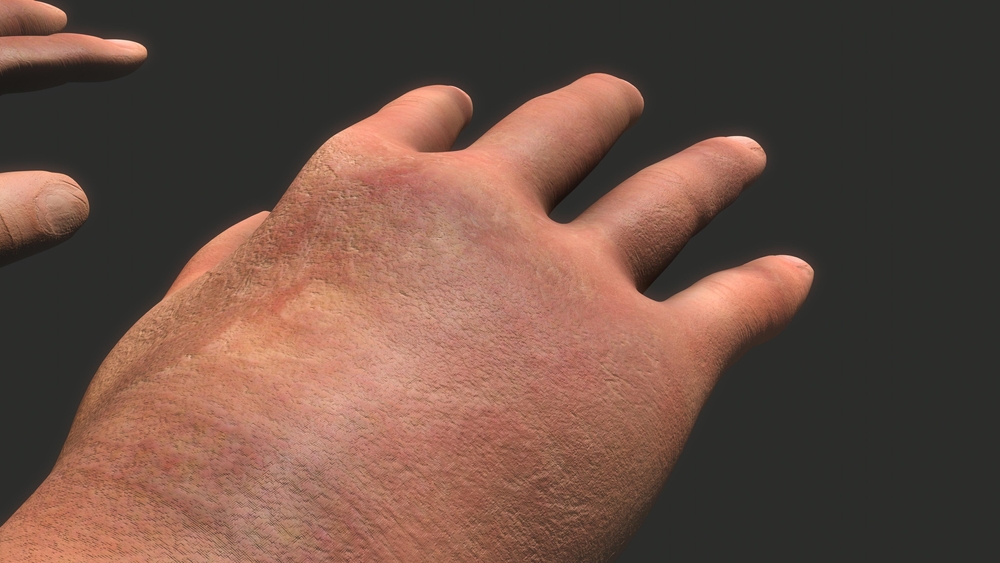
Niacin deficiency is marked by rough, darkened skin that worsens with sun exposure. The condition, called pellagra, also includes redness and scaling, especially on areas exposed to light like the hands and neck. Unlike sunburn, these patches do not heal easily without treatment.
What to Do: Eat more poultry, fish, peanuts, and legumes. Supplements are used in diagnosed cases but should be supervised by a doctor.
7. Vitamin B7 (Biotin) Deficiency: Rashes and Hair Loss

Biotin is vital for producing keratin, a protein that keeps skin, hair, and nails strong. Deficiency may lead to red, scaly rashes around the eyes, nose, and mouth. It can also cause brittle nails and thinning hair. Pregnant women and those on long-term antibiotics are at higher risk.
What to Do: Eggs, nuts, seeds, and whole grains are excellent sources. Biotin supplements are available but usually unnecessary with a balanced diet.
8. Vitamin B12 Deficiency: Pale or Jaundiced Skin
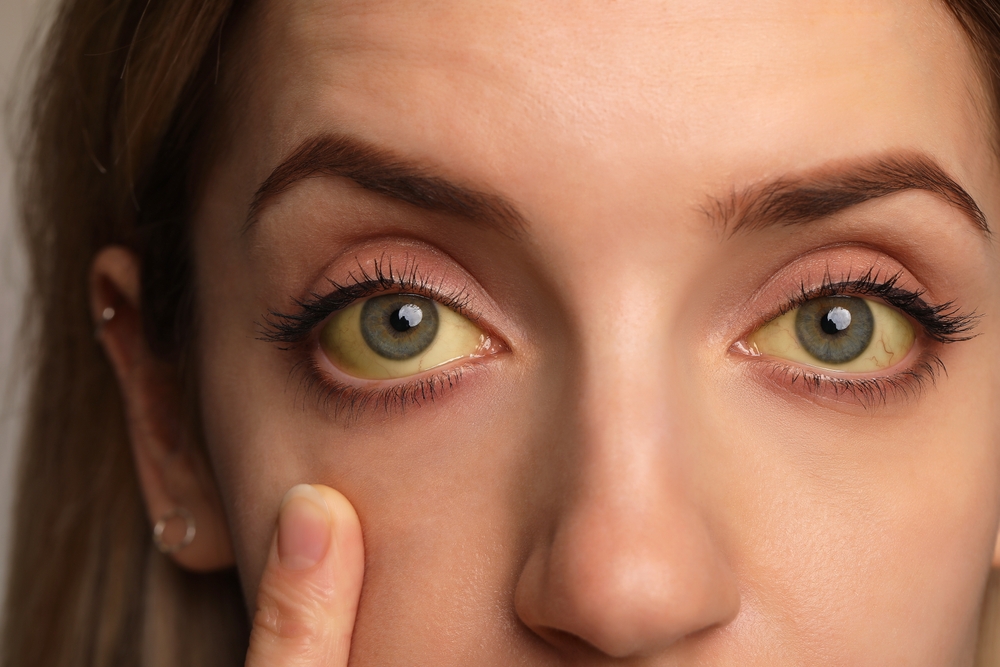
Low vitamin B12 levels affect red blood cell production, often leading to pale or yellow-tinted skin. Some people also develop darker patches of pigmentation, usually on the hands or face. Because B12 deficiency also damages nerves, skin symptoms may appear with tingling or numbness.
What to Do: Include dairy, fish, and fortified cereals. People with absorption problems may need injections prescribed by a doctor.
Ways to Improve Skin Health Overall

Beyond correcting deficiencies, overall skin health benefits from hydration, balanced diet, and sun protection. Drinking enough water helps maintain elasticity and natural glow. Antioxidant-rich foods, such as berries and leafy greens, combat oxidative stress that accelerates aging. Using sunscreen daily prevents UV damage, even on cloudy days. Good sleep and stress management support hormone balance, reducing breakouts and irritation. Regularly checking for skin changes can provide valuable insights into deeper health conditions.
Pay Attention to the Signals Your Skin Sends

The body often reveals hidden problems through the skin, and many vitamin deficiencies that show up on your skin provide early warning. Dryness, rashes, slow healing, and unusual pigmentation should never be ignored. Correcting deficiencies through diet or supplements improves not only skin but also long-term health. Because skin renews quickly, improvements can often be seen within weeks of restoring proper nutrition. Treating your skin as a messenger for internal health is one of the best ways to protect overall well-being.
Read More: The Complete Guide to 14 Essential Minerals: What to Eat and How to Spot the Deficiencies
Disclaimer: This article was created with AI assistance and edited by a human for accuracy and clarity.