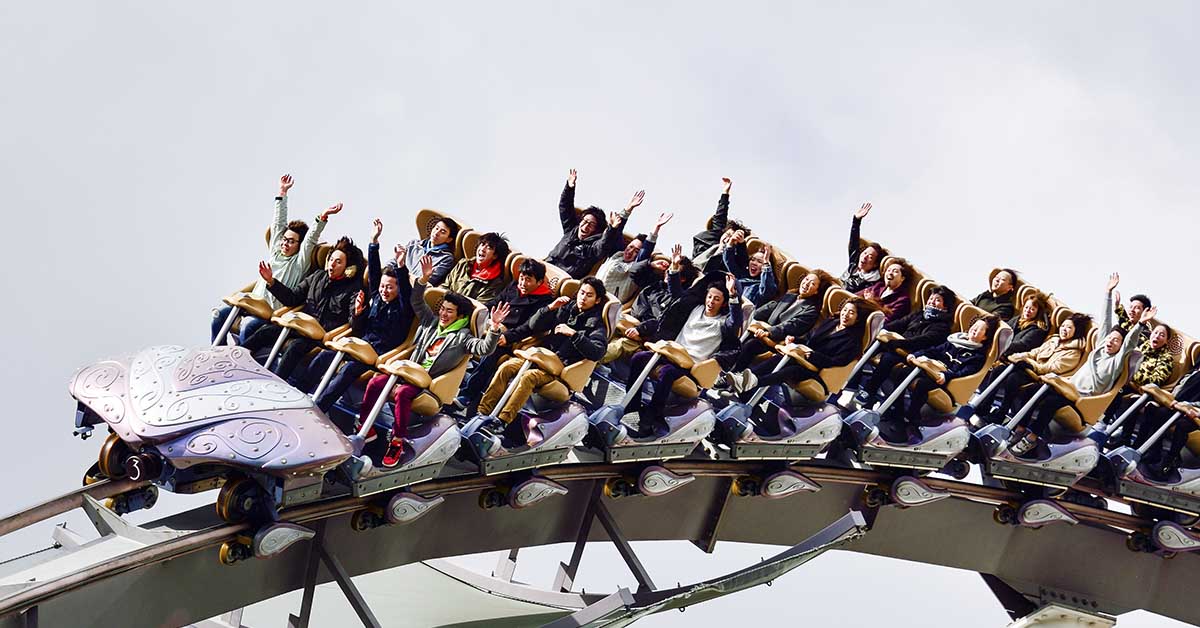

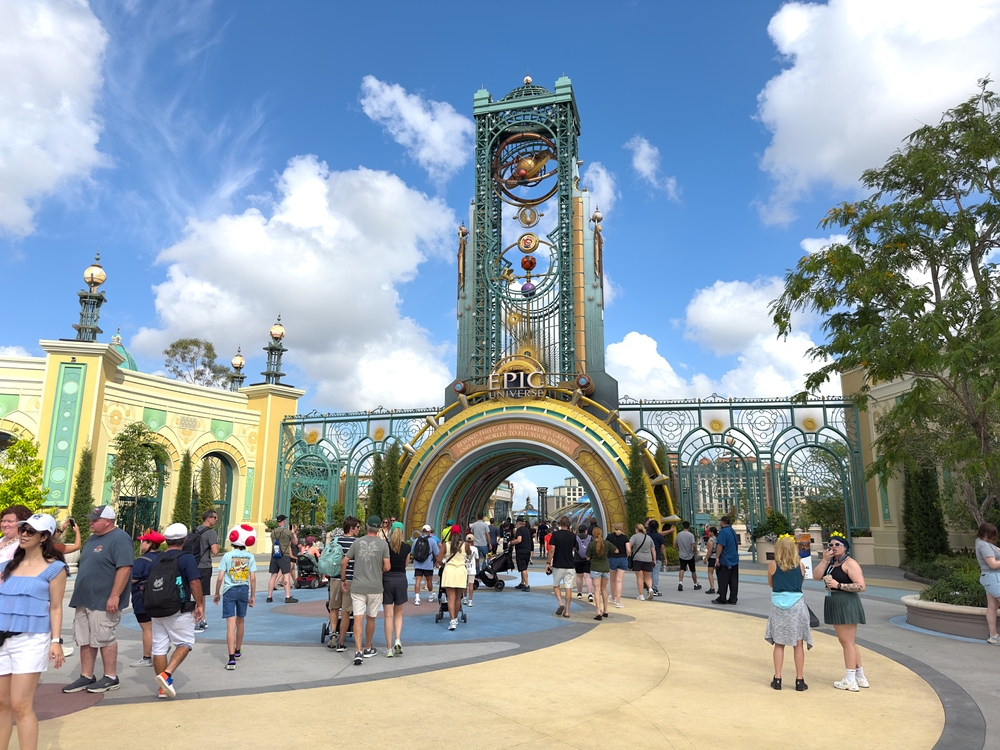
News of a death on one of Epic Universe’s roller coaster has left many guests shaken and wondering how something so tragic could happen at a brand new theme park. Kevin Rodriguez Zavala became unresponsive while riding the Stardust Racers, one of the most popular new attractions at Universal Orlando’s Epic Universe in Florida. The park only opened this year, with the coaster itself launching in May 2025, making this loss even harder for visitors and staff to grasp. The incident has now raised tough questions about safety, health risks, and the future of thrill rides at the park.
What Happened and How the Park Responded
Reports said the Stardust Racers was running normally before the emergency. When the ride ended, it became clear the man was unresponsive. Staff rushed in and called medical crews who transported him to a hospital. Sadly, he did not survive. Universal Orlando later confirmed the roller coaster tragedy in a short statement, saying they were devastated and deeply sorry. They also shut down the coaster while investigators review what happened.
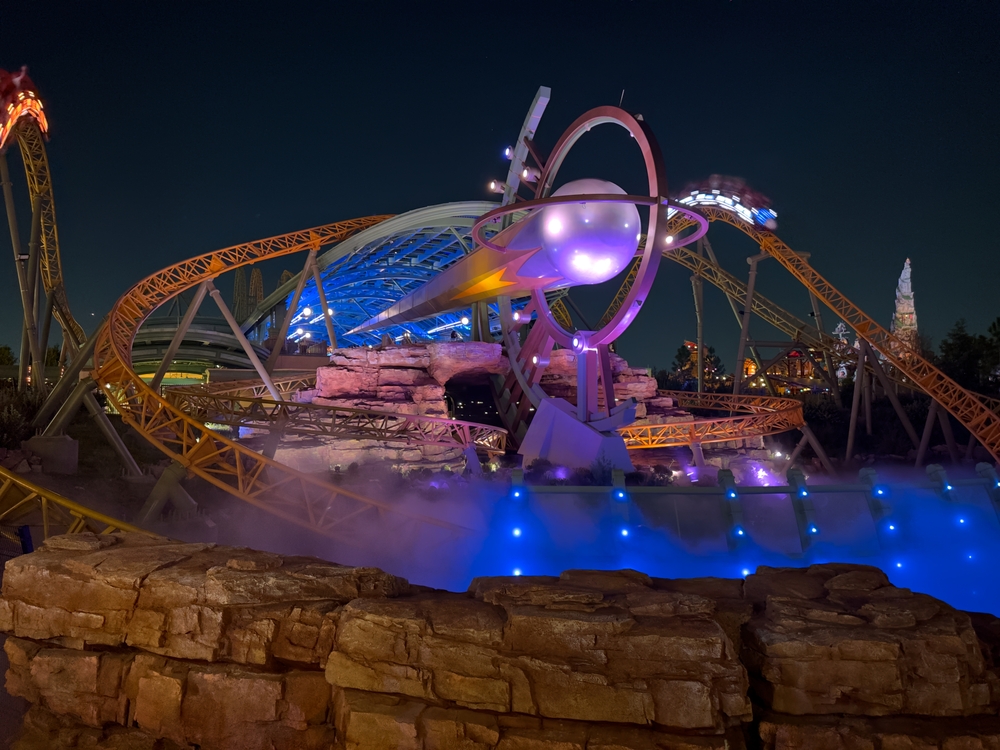
The Stardust Racers itself was designed as a highlight for Celestial Park. At 133 feet tall with speeds up to 62 miles per hour, it was marketed as a fast and futuristic thrill. Riders described the feeling as racing through space, making it one of the park’s biggest draws. Because it is new, many assumed it was the safest attraction, which only adds to the shock around this case.
Past Accidents and Current Investigations
This is not the first time Universal has faced a roller coaster death linked to its rides. According to LADBible, in 2003, a woman suffered a heart attack on the Hulk Coaster, and in 2004, a man died from a head injury on Revenge of the Mummy. In both situations, ride technology worked as intended, but the human body could not handle the physical stress. That same pattern may be a factor here too.
Right now, the Orange County Sheriff’s Office is investigating, with the Florida Department of Agriculture also expected to review safety records. Officials have not confirmed whether this death came from a pre-existing health condition, a ride fault, or both. Investigations usually cover ride logs, mechanical systems, and medical details if available. The coaster will remain closed until answers are clear.
Health Risks, Emergency Responses, and Guest Reactions

Roller coasters push the body through sudden drops, turns, and high G-forces. While most people only feel excitement, hidden heart or blood pressure issues can become life-threatening. Theme parks place warning signs, but sometimes guests do not realize their risks until it is too late. That’s why this tragedy feels so unsettling.
Theme parks prepare for emergencies, with staff trained to respond fast. Medical stations are nearby, and paramedics are always on site. In this case, teams acted quickly, but Zavala still did not survive. Even with fast responses, not every outcome can be changed.
Guests at Epic Universe spoke of shock and sadness after seeing emergency crews arrive. Some were escorted away from the coaster, while others shared their concerns online. One witness even said he noticed a piece of metal loose from the chair that Zavala was seated in, but this is yet to be confirmed. Many wondered if stricter checks should be required before allowing guests on intense rides. While the park remained open, the mood across the grounds was heavy.
Safety Standards and Impact on Universal
Florida has strict rules for ride safety. Parks must report accidents and pass inspections, but with millions of riders each year, rare roller coaster death still happen. Companies like Universal and Disney spend huge amounts on safety systems, yet human health risks remain harder to control.
For Universal, the loss is emotional and practical. The Stardust Racers was promoted as a flagship ride, and closing it so soon is a big setback. More importantly, trust is everything in the theme park industry. Even one theme park roller coaster fatality can linger in public memory for years, influencing decisions about what to ride or even whether to visit.
Lessons for Visitors and the Industry
Guests can lower their risk by paying attention to ride warnings, listening to staff, and being honest about their own health. Parents should double-check safety rules for children. Thrill rides are designed to be safe, but no system removes every danger.
Each incident teaches lessons. Past tragedies have led to stronger restraint systems and new safety procedures. This tragic death may bring stricter rules and closer checks in the future. While no one wanted such a lesson to come this way, the hope is that improvements will prevent more heartbreak later.
The Bottom Line
Kevin Rodriguez Zavala’s death on the Epic Universe’s roller coaster is a sad reminder of how fragile life can be, even in a place built for fun and joy. Investigators are searching for answers, the park community is grieving, and visitors are left thinking twice about how safe thrill rides really are.
For guests, the lesson is to respect warnings, listen to their bodies, and know their limits. For the industry, it is a push to keep strengthening safety, even when rides appear flawless on paper.
Theme parks are meant to bring wonder, not tragedy. Even with this painful story, the drive to keep experiences safe and magical will continue. People will still come back, but this story will remain part of Epic Universe’s history.
Read More: Fake Doctor Accidentally Kills Indian Teen After Performing Surgery Learned From YouTube Tutorials