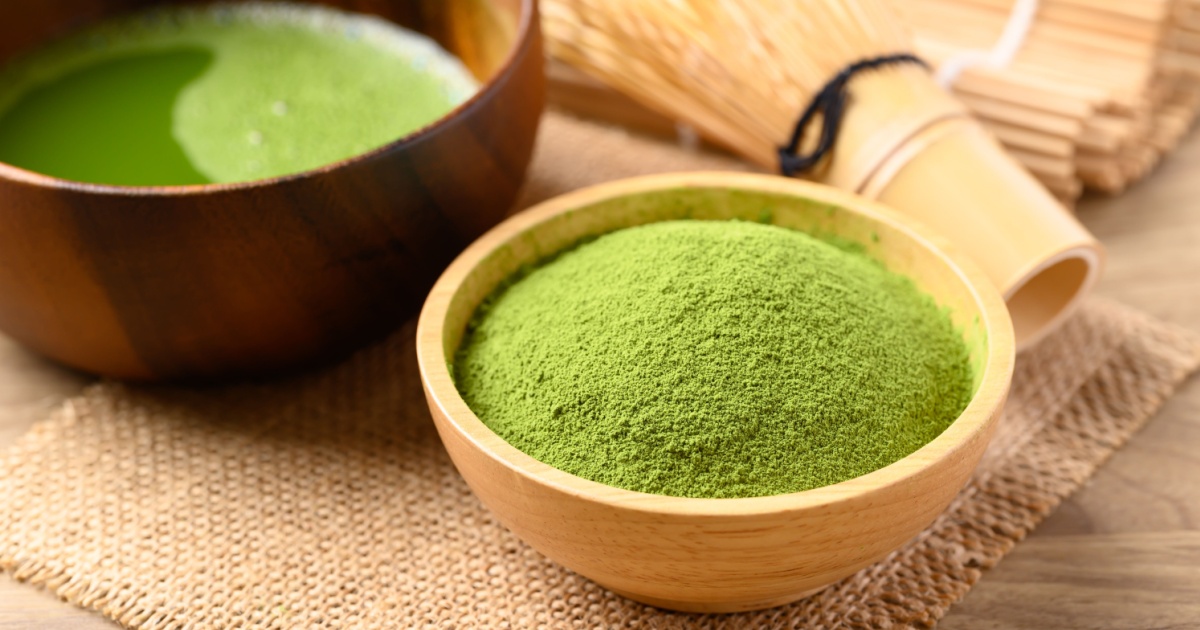

Few beverages have moved from niche ritual to mainstream obsession quite as fast as matcha. It’s in your coffee shop, your grocery store, your social media feed. The vibrant green powder has inspired everything from ceremonial tea traditions centuries old to trendy afternoon lattes. But beyond the aesthetics, a real question sits underneath all of it: what is this stuff actually doing to your body?
The answer turns out to be more interesting and more complicated than most of the marketing suggests. Some of what matcha promises is well-supported by research. Some is plausible but unproven. And a few popular claims deserve a much harder look before you accept them at face value. Sorting one from another requires getting into the chemistry of the leaf itself.
Matcha is made from the same plant as ordinary green tea. The difference is in how it’s grown, processed, and consumed. Because you’re drinking finely ground whole leaves rather than steeped water, you’re taking in a fundamentally different concentration of compounds. That distinction matters enormously for understanding what the science actually says.
What Matcha Is, and Why It’s Not Just Another Green Tea
Matcha comes from the Camellia sinensis plant, but it’s grown differently and has a distinct nutrient profile. Farmers shade the plants for most of the growth period, which increases chlorophyll production, boosts amino acid content, and gives the leaves a darker green hue. After harvesting, producers remove stems and veins and grind the leaves into a fine powder.
Matcha contains the nutrients from the entire tea leaf, and as a result contains more caffeine and antioxidants than are typically present in brewed green tea. The health-promoting properties of matcha are mainly attributed to its micronutrients and antioxidative phytochemicals, specifically epigallocatechin gallate (EGCG), L-theanine, and caffeine. EGCG is a type of catechin, the family of polyphenol antioxidants that gives green tea its health reputation, and it is the most studied compound in matcha.
In matcha, catechins make up 90% of its polyphenols. The most abundant and biologically active of these is epigallocatechin-3-gallate, or EGCG. EGCG is the dominant catechin in matcha and has been extensively investigated for its biological properties, which include fighting inflammation, maintaining healthy arteries, and promoting cell repair.
One figure that circulates widely is that matcha contains 137 times the antioxidants of regular green tea. This number is based on a single study comparing matcha to one brand of bagged green tea and has been widely misrepresented. What that study actually reported was that matcha contained 137 times greater EGCG than the amount found in a single brand of bagged tea (Tazo Chinese Green Tip), and even that comparison was not conducted rigorously. The more honest summary is that matcha does contain significantly more antioxidants than standard brewed green tea, because you consume the whole leaf, but the precise multiple depends heavily on the product and preparation.
The Shading Process: Why Growing Method Changes Everything
Climate, cultivar, leaf maturity, grinding process, and brewing temperature all affect the overall quality of matcha. Shading the plants prior to harvest significantly increases the contents of L-theanine and chlorophyll in the leaves. This shading step is not incidental. It’s the reason ceremonial-grade matcha tastes different from culinary-grade powder and, more practically, why the amino acid content can vary so substantially between products.
Matcha and the Brain: What the Evidence Actually Shows
The cognitive angle is where matcha’s reputation has perhaps grown the fastest, and where the science is most instructive.
Matcha delivers caffeine alongside L-theanine, an amino acid that modulates caffeine’s absorption and subjective effects, producing a state researchers describe as “calm alertness” rather than the jittery stimulation associated with coffee. Multiple randomized controlled trials have found that the caffeine-L-theanine combination improves attention-switching accuracy, reaction time, and subjective alertness more consistently than caffeine alone.
The mechanism behind this is measurable. L-theanine boosts alpha brain wave activity. Alpha waves sit in a frequency band associated with relaxed but alert attention, the mental state people sometimes describe as “flow” or calm focus. In a controlled trial, subjects who took L-theanine showed significantly enhanced alpha wave activity along with lower heart rates, better visual attention, and faster reaction times.
A systematic review of the combined effect of L-theanine and caffeine concluded that the combination results in clinically significant enhancements in cognitive function. Practically, this means matcha is likely to offer a cleaner, less anxious form of alertness compared to coffee, though individual responses vary considerably.
Beyond the acute caffeine-and-L-theanine effect, longer-term research is beginning to emerge. A 2024 randomized controlled study published in PLOS ONE suggests that matcha consumption enhances certain cognitive functions, including facial expression recognition and attention, and improves sleep quality in older adults with cognitive decline. Researchers conducted a year-long randomized, double-blind, placebo-controlled trial with 99 participants aged 60 and up, split into two groups: one received 2 grams of matcha daily, while the other got a placebo. After 12 months of daily matcha consumption, participants showed significant improvements in social cognition, including better ability to interpret facial expressions and emotional cues. Those in the matcha group also reported fewer symptoms of depression.
These findings are intriguing. They are not, however, a license for overclaiming. Randomized clinical trials to date show that matcha decreases stress, slightly enhances attention and memory, and has no consistent effect on mood. Results regarding the effect of matcha on cognitive function are contradictory, and more RCTs are needed. Matcha supports brain function. It does not treat or prevent neurological disease.
Cardiometabolic Health: A Credible Signal, Still Being Clarified
Heart and metabolic health is arguably where the most coherent evidence base sits, even though much of it comes from green tea research more broadly.
The compounds in matcha are similar to those in green tea, which have been shown to lower the risk of heart disease compared to coffee. The catechins in matcha and green tea may lower oxidative stress and prevent inflammation. Catechins could also lower your risk of atherosclerosis (the hardening of your arteries), high blood pressure, and heart disease.
Research suggests that EGCG can reduce the risk of heart disease by improving cholesterol levels, lowering blood pressure, and enhancing overall cardiovascular function. The operative word here is “suggests.” Most cardiovascular studies have been conducted on green tea extracts or brewed green tea, and directly extrapolating to matcha requires caution. Some research suggests that green tea, which has a similar nutrient profile to matcha, may help protect against heart disease. Green tea consumption has been linked with a lower risk of cardiovascular disease compared with coffee, and some studies suggest it might help lower blood pressure and other complications in people with heart disease. The compounds in matcha are similar, and it may have comparable benefits, though at least one animal study appears to contradict this.
An animal study published in Molecular Nutrition & Food Research found that long-term matcha treatment led to lowered HDL cholesterol, impaired cholesterol transport, and increased vascular stiffness in hypercholesterolemic rabbits, with increased susceptibility for atherosclerotic lesion development. This is an important counterpoint: animal models don’t always translate to humans, but the finding is a reminder that matcha’s cardiovascular effects are not uniformly positive across all study conditions.
For blood sugar regulation, emerging evidence suggests matcha may play a role in managing blood sugar levels. Some studies indicate that EGCG may improve insulin sensitivity and reduce blood sugar levels, though more research is needed to clarify matcha’s specific role in diabetes management.
A 2025 study published in ScienceDirect examining green tea and matcha consumption across a population sample found that green tea and matcha consumption was linked to improved cardiovascular health markers, with the study also showing potential benefits of matcha in managing obesity and diabetes risk.
If you’re looking to support cardiometabolic health through diet, the anti-inflammatory potential of foods like matcha is a promising area of research, though matcha works best as one component of an overall dietary pattern, not as a standalone intervention.
The Liver Question
Some studies have found that matcha may help protect liver health. A 2015 meta-analysis published in IJCEM reviewed the body of evidence on green tea consumption and liver disease risk, finding a significant reduction in liver disease risk among green tea drinkers. The analysis covered 15 studies across multiple liver conditions. However, some experts noted that while matcha may benefit people with MASLD, (Metabolic dysfunction-Associated Steatotic Liver Disease) by reducing liver enzymes, it may actually increase liver enzymes in people with it. MASLD was previously known as Non-Alcoholic Fatty Liver Disease (NAFLD). This nuance is important: matcha is not universally “good for the liver.” The effect appears to depend on baseline liver status, and people with existing liver conditions should talk to a doctor before significantly increasing their matcha consumption.
Gut Health and Weight Management
A study published in Frontiers in Nutrition investigated matcha’s effects on gut-liver axis homeostasis in a high-fat diet-induced obese mouse model, finding that matcha green tea ameliorated the development of obesity, lipid accumulation, and hepatic steatosis induced by the high-fat diet. This is a relatively new and emerging research direction, and importantly, it was conducted in animals, not humans. Drinking a daily cup or two of matcha has been linked to improved cognitive health in older women, healthy changes to the gut microbiome, and lower stress.
Matcha is high in antioxidants, including catechins, which may help prevent cell damage and lower the risk of certain diseases. Some studies also suggest that the catechins and caffeine found in matcha may offer mild benefits for weight loss and management. The weight evidence is modest and primarily observational. Matcha is not a fat-burning supplement; it’s a beverage with a nutritional profile that may contribute to metabolic health over time as part of a balanced diet.
Quality Matters More Than Grade Labels
The marketing of matcha tends to revolve around “ceremonial grade” versus “culinary grade” designations. These terms are not regulated. What they loosely describe, however, points to a real difference in quality.
Growing conditions including climate, cultivar, and leaf maturity affect the overall quality of matcha. Adequate shading before harvest significantly increases theanine and chlorophyll content. Higher-quality matcha, typically shade-grown, stone-ground, and sourced from Japan, tends to be brighter green, smoother in texture, and richer in the compounds that researchers study.
Some studies show that green tea extracts and supplements may cause liver damage. Rather than supplements, choosing pure green teas and high-quality matcha is the safer approach. For practical purposes, a vibrant green color and a smooth, slightly sweet taste are reasonable markers of quality. Avoid powders that look dull or yellowish, as this typically indicates age, poor growing conditions, or heat degradation. Once opened, matcha powder stays fresh for about two months when stored in an airtight container in a refrigerator or freezer.
A 2023 review published in ScienceDirect noted that the ground whole tea leaf powder delivers the greatest benefits to consumers, underscoring why the form matters. Capsule supplements and matcha-flavored products with minimal actual powder may not deliver the same effects studied in research.
Who Should Be Cautious
Matcha is not without real caveats, and these deserve honest treatment rather than a brief footnote.
Caffeine sensitivity. A typical serving of ceremonial matcha (2g) contains approximately 50 to 70mg of caffeine and 30 to 50mg of L-theanine. For people sensitive to caffeine, even this amount can disrupt sleep, elevate heart rate, or cause anxiety, particularly in the afternoon or evening. The L-theanine softens these effects for most people, but it doesn’t eliminate them.
Pregnancy. The American College of Obstetricians and Gynecologists (ACOG) recommends limiting total caffeine intake to 200mg per day during pregnancy. One cup of matcha typically contains 60 to 80mg of caffeine, though this varies. Catechins in matcha may also reduce the absorption of folate and iron when consumed with meals, two nutrients critical during pregnancy. Women who are pregnant should discuss their matcha intake with their healthcare provider before continuing or starting.
Medications. Some medications may interact with caffeine, affecting how the body processes either substance. Discussing your complete supplement and beverage routine with a healthcare provider is advisable. This is particularly relevant for people taking blood thinners, stimulants, or medications metabolized through specific liver enzymes.
Liver conditions. As noted above, people with existing liver disease or elevated liver enzymes should not assume matcha is protective. The picture is complicated, and clinical guidance applies.
How Much Is Actually Useful
One of the more grounded recommendations in the current literature is that more is not necessarily better. Drinking a daily cup or two of matcha may provide a number of health benefits. This aligns with the dosing used in several of the studies cited here, including the 12-month cognitive trial that used 2 grams daily.
Antioxidants are sensitive to heat. Matcha is often prepared as a tea with hot water or baked into food products, which could mean a reduced antioxidant effect. If maximizing EGCG intake is a priority, preparing matcha with water that is hot but not boiling, typically around 70 to 80°C (160 to 175°F), is the practical takeaway.
There have also been studies suggesting matcha might help slow premature aging and reduce the risk of certain cancers, but more research is needed. These findings are early-stage and come primarily from cell and animal studies, not human clinical trials. They should be understood as promising preliminary signals, not established facts.
What This Means for You
The honest summary of the science is this: matcha is a genuinely nutritious beverage with a credible, if still-developing, evidence base. The research supports an enhancing effect on cognitive function, cardiometabolic health, and potential anti-tumor properties, though the strength of that evidence varies considerably by outcome. Cognitive effects from the caffeine-L-theanine combination are among the best-documented. Cardiovascular and metabolic benefits are plausible and supported by population-level green tea data, but matcha-specific human RCTs remain limited. Claims about cancer prevention and longevity are extremely preliminary.
For healthy adults, one to two cups of quality matcha daily sits squarely in the range studied and carries minimal risk. Choose products that are stone-ground, shade-grown, and preferably Japanese in origin. Store properly after opening. Prepare with water just below boiling to preserve antioxidant activity. And keep expectations proportionate to the evidence: matcha supports a healthy lifestyle, it doesn’t replace one.
People who are pregnant, highly sensitive to caffeine, on complex medication regimens, or managing a liver condition should speak with a physician before making matcha a daily habit. For everyone else, the case for adding this ancient beverage to a thoughtful, varied diet is solid enough to take seriously.
Disclaimer: This information is not intended to be a substitute for professional medical advice, diagnosis, or treatment and is for information only. Always seek the advice of your physician or another qualified health provider with any questions about your medical condition and/or current medication. Do not disregard professional medical advice or delay seeking advice or treatment because of something you have read here.
AI Disclaimer: This article was created with the assistance of AI tools and reviewed by a human editor.
Read More: 8 Health Benefits of Coffee and Tea