
McDonald’s burger seasoning is 86% salt and 14% pepper. That’s the entire formula – no proprietary spice blend, no secret rub – just two ingredients in a specific ratio. Chef Mike Haracz, a former McDonald’s corporate chef who now shares insider knowledge on his TikTok channel, confirmed this ratio publicly, and it quietly undercuts every rumor that those beef patties get their flavor from something more elaborate. The real secrets at McDonald’s tend to work exactly like that: hiding in plain sight, behind processes and policies most customers never think to ask about.
There are currently more than 40,000 McDonald’s locations worldwide, and millions of people eat there every day without knowing what’s actually happening on the other side of the counter. Some of the McDonald’s employee secrets involve surprisingly robust food safety procedures. Others involve ingredient facts that would genuinely change how you order. A few are the kind of operational details that explain years of customer frustration – the broken ice cream machine being the most obvious example. Taken together, they paint a picture of a fast-food operation that is simultaneously more sophisticated and more chaotic than most people assume.
The list below draws on confirmed company disclosures, food safety documents, federal outbreak data, and accounts from current and former employees. Whether you’re a regular or an occasional visitor, at least a few of these will make your next order a different experience.
1. The Burger Seasoning Is Just Salt and Pepper in a Specific Ratio
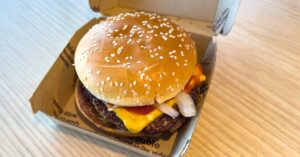
The 86/14 salt-to-pepper ratio is the entirety of McDonald’s burger seasoning. No garlic powder, no onion blend, no secret spice combination. Burger patties in the U.S. are made with 100% USDA-inspected beef, with salt and pepper as the only seasoning additions. The seasoning is applied directly on the grill as the patty cooks, which is why the flavor varies slightly depending on the surface contact and cook time.
As Haracz has explained across multiple videos on his channel, the burger seasoning is simple – just salt and pepper – but getting it right means nailing those 86/14 proportions. That precision matters more than the ingredients themselves. Home cooks who’ve tried to recreate McDonald’s burgers often find the patties bland, not because they’re missing a secret spice, but because they’re under-salting by weight. The ratio is the recipe.
2. The Fries Aren’t Vegetarian in the U.S.
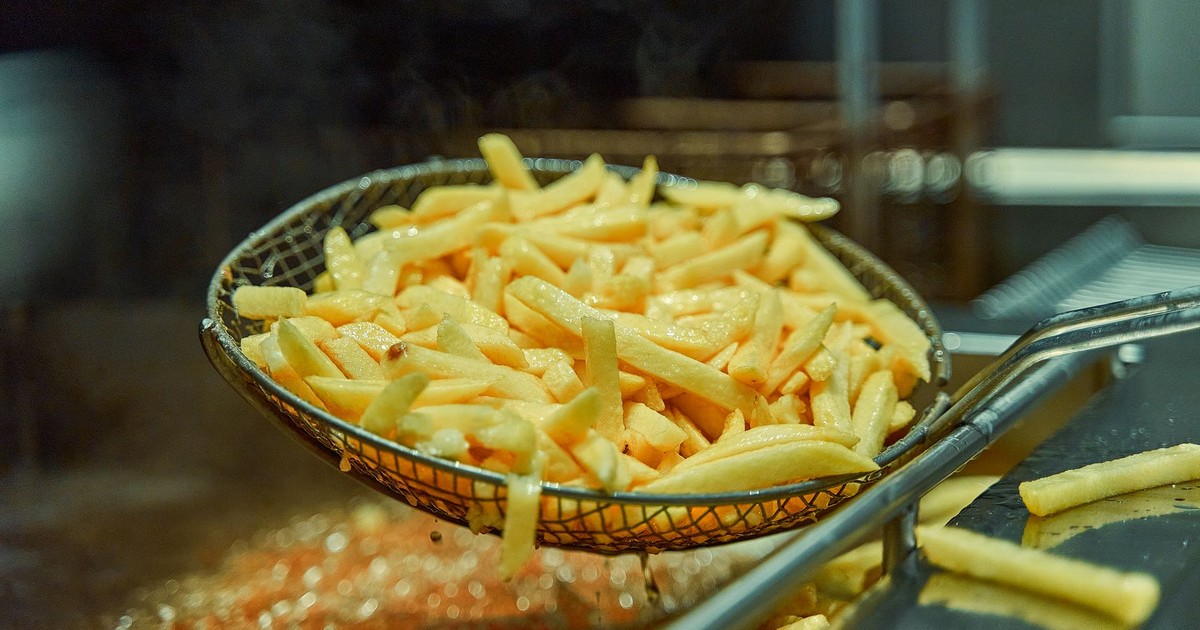
This one catches people off guard. McDonald’s U.S. fries look like a simple side of fried potatoes, but the reason they aren’t vegetarian is that they contain added natural beef flavor as one of the ingredients – despite being fried in vegetable oil. The history behind it is straightforward: McDonald’s used to fry in beef tallow, switched to vegetable oil in the early 1990s under public pressure over saturated fat, and then added a beef-derived flavoring to recreate the original taste.
According to McDonald’s own FAQ page, suppliers partially fry the cut potatoes in “an oil blend that contains beef flavoring.” The full ingredient statement lists “Natural Beef Flavor [Wheat And Milk Derivatives],” with the natural beef flavor containing hydrolyzed wheat and hydrolyzed milk as starting ingredients – meaning the product carries both wheat and milk allergen flags most customers never expect from a side of fries. Fries at McDonald’s UK locations do not contain the beef flavoring and are considered vegan-friendly. The same product, sold under the same brand name, has a completely different ingredient list depending on which country you’re in.
3. The Ice Cream Machine “Broken” Sign Is Technically Accurate
The machine that churns out McFlurries and milkshakes is a complicated piece of equipment that needs to be broken down and cleaned frequently, and only some employees are trained for the task. Sometimes that disassembly has to be done during prime hours – so even though your local machine might be out of order when you want your treat, it’s being properly cleaned.
The Taylor brand machines McDonald’s uses run a nightly pasteurization process that heats leftover ingredients to 151 degrees Fahrenheit for 30 minutes. That’s a federally compliant pasteurization cycle meant to prevent bacterial growth in the dairy mix overnight. The full biweekly cleaning is an 11-step process that requires removing seven different parts, including more than 20 variously-sized O-rings. The pasteurization or cleaning cycle can render the machine unavailable for hours. The “broken” sign is technically accurate – it’s just not telling you why.
4. Asking for No-Salt Fries Gets You a Fresh Batch
Asking for fries with no salt forces staff to cook a new batch, since the pre-cooked fries are already salted. You can then add salt to taste once you receive your fresh, hot fries – a method confirmed by multiple McDonald’s workers as an effective way to get the freshest batch possible.
The reason this works is operational. McDonald’s pre-salts fries immediately after they come out of the fryer, and those fries then sit in the holding station until ordered. A no-salt request can’t be filled from that station, so a new batch gets cooked. The downside is wait time – a fresh batch of fries takes several minutes. Order this when you’re not in a hurry, and you’ll get the best fries the restaurant is capable of producing.
5. The Drive-Thru Speaker Hears Everything
Employees aren’t listening only when you place your order. Between the time a customer rolls up to the drive-thru speaker and when they reach the pick-up window, workers hear everything – and some can even see you. What customers say to their passengers while waiting, comments about the menu, complaints about the price – all of it comes through the headset.
This isn’t a surveillance policy; it’s just physics. The microphone at the order point stays live throughout the transaction window. Kitchen staff have described picking up full conversations, phone calls, and in-car arguments through the headset system. The practical takeaway: treat the drive-thru speaker the same way you’d treat an open phone call with someone you respect, from the moment you pull up to the moment you pull away.
6. The Eggs Are Not All Created Equal
The round egg on a McMuffin comes from a fresh-cracked egg, and that’s why it tastes noticeably better. Mike Haracz confirmed in a video discussing McDonald’s food quality that it’s the freshest egg option at McDonald’s – cooked in a ring mold so it fits perfectly on the sandwich. That round shape isn’t just aesthetic; it signals a different product entirely.
The folded egg on biscuits and bagels is frozen, and the scrambled eggs in the Big Breakfast come from a liquid mix. A McMuffin with a round egg is genuinely a different breakfast product than a biscuit sandwich – not just in shape, but in how the egg was sourced and prepared. If egg quality matters to you, the round egg on any McMuffin is the one to order.
7. The Coke Really Does Taste Different – and There Are Structural Reasons for It
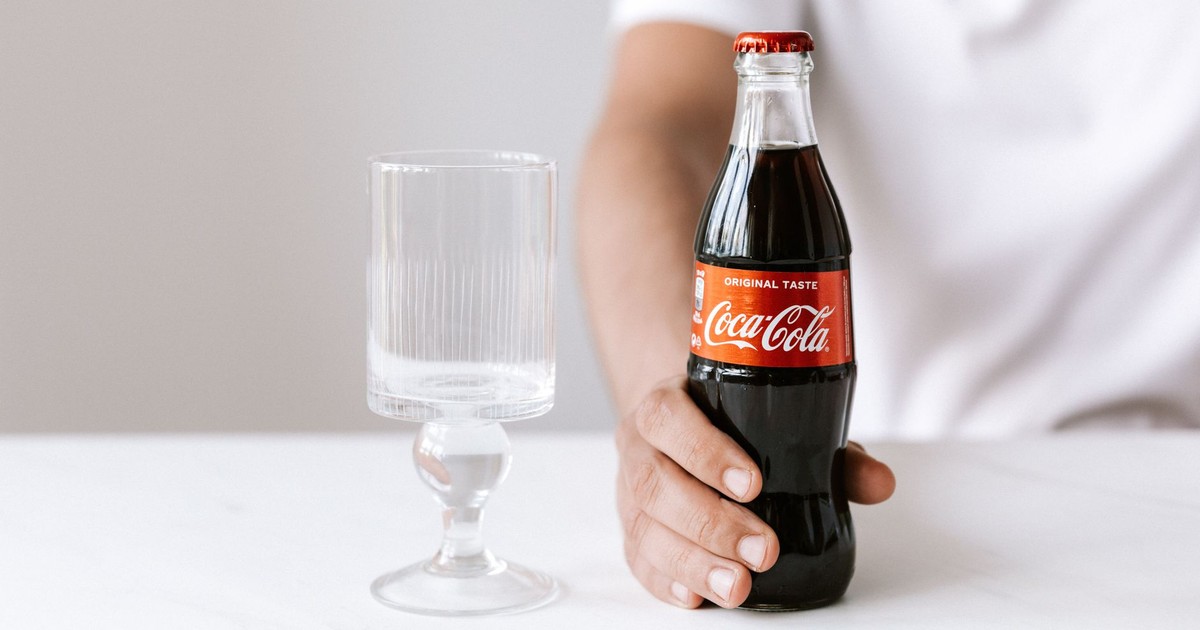
McDonald’s Coke is noticeably different, and the straw has something to do with it. The chain pre-chills the water and syrup before it hits the dispenser so every sip stays cold and refreshing, with the syrup ratio set to account for ice melt. The straws are also wider than standard, delivering more flavor with each sip.
McDonald’s has a unique agreement with Coca-Cola that involves syrup delivered in stainless steel tanks rather than the plastic bags used at most other restaurants. Stainless steel is less permeable to flavor changes from light and temperature. Combined with the pre-chilled lines and the wider straws, the result is a product that’s engineered to taste better than the same Coke you’d get elsewhere – not by changing the formula, but by protecting it at every stage before it reaches you.
8. The Sweet Tea Has a Startling Amount of Sugar
McDonald’s sweet tea recipe – which employees have described online and which aligns with the chain’s publicly available nutritional data – calls for combining large quantities of brewed tea with approximately a 4-pound bag of sugar per batch, resulting in around 40 grams of sugar per small cup. That’s roughly equivalent to a can of soda, often ordered by people who chose tea over soda specifically because they thought it was the healthier option.
According to the American Heart Association, women should consume no more than 25 grams of added sugar per day, and men no more than 36 grams. A small McDonald’s sweet tea hits either of those ceilings before you’ve even opened your meal. Unsweetened iced tea with a lemon wedge is available at most locations and carries none of that sugar load.
9. Some Menu Items Sit Far Longer Than Others
Items that don’t move quickly experience low turnover. Grilled chicken is among the most vulnerable – because it doesn’t sell fast enough, it can become unappetizing long before its official hold time expires. McDonald’s hold-time guidelines allow grilled chicken to sit in the heated cabinet for up to 60 minutes, but workers have noted it dries out and deteriorates in texture well within that window.
The principle applies beyond grilled chicken. Any item that isn’t a core bestseller – certain salads, specialty sandwiches, seasonal items – may sit longer than you’d expect before being served. The highest-turnover items at McDonald’s are the burgers, fries, and McNuggets. If you’re ordering something off that core list, factor in that the kitchen may not have made a fresh batch in the last few minutes.
10. Employees Wash Their Hands on a Timer
Food handlers at McDonald’s are required to wash their hands using an antibacterial cleanser once every 30 minutes per food safety standards. That’s a mandated interval, not a guideline. Employees who handle food are on a schedule, not just washing when they feel like it.
McDonald’s food safety infrastructure also includes hands-free taps installed at kitchen and beverage cell handwashing units, along with hands-free paper towel dispensers. The hands-free setup exists specifically to prevent recontamination after washing – the tap and dispenser are operated without touching surfaces. McDonald’s kitchens, at their best, operate with sanitation standards that rival many full-service restaurants.
11. The Burger Patties Have No Fillers or Artificial Preservatives
A persistent rumor – still circulating – holds that McDonald’s beef contains binders, fillers, or chemical preservatives. All burger patties in the U.S. are made with 100% USDA-inspected beef. None of the classic burgers or Quarter Pounder burgers contain artificial preservatives, artificial flavors, or added colors. The exception is condiments like pickles, which are processed separately.
What McDonald’s beef does contain is a relatively high fat content compared to lean ground beef – the patties are formulated to achieve specific cook results on a flat-top grill. That fat content is by design, not a sign of adulteration. The 100% beef claim has been confirmed repeatedly through independent testing, and the company’s ingredient disclosures have been consistent on this point for years.
12. A 2024 E. Coli Outbreak Came From the Toppings, Not the Beef
In late 2024, McDonald’s faced a significant food safety incident that made national news and was widely misattributed. According to the CDC’s outbreak investigation, a total of 104 people infected with the outbreak strain of E. coli O157:H7 were reported from 14 states. The assumption in early coverage was that the beef was the source. It wasn’t.
Fresh, slivered onions served at McDonald’s were identified by the CDC as the likely source of the outbreak. Those onions were supplied by Taylor Farms, a commercial produce company, which initiated a voluntary recall of yellow onions on October 22, 2024. One death was reported, 34 people were hospitalized, and 4 people developed hemolytic uremic syndrome (HUS) – a serious kidney complication that can follow E. coli infection, particularly in children. The outbreak is a reminder that produce, not beef, is among the most common vehicles for E. coli contamination in the U.S. food supply.
13. The App Order Is Actually Better for Employees
Many people have wondered whether ordering through the McDonald’s app is helpful or annoying for employees. The most common response from workers is that it’s helpful – seeing customized orders listed out clearly eliminates the situation staff find most frustrating: customers staring at the menu for a long time before deciding.
The app also lets customers specify customizations precisely, which reduces back-and-forth at the register and decreases the chance of an order being made wrong. If you’re someone who makes modifications – extra sauce, no pickles, specific bun – placing that through the app communicates it directly to the kitchen in text form, rather than relying on verbal transmission through a headset and register screen. Some McDonald’s systems also switch to the lunch menu at 10:20 a.m., ten minutes before the official 10:30 a.m. breakfast cutoff – meaning breakfast orders placed in that window are sometimes canceled by the system. Order breakfast before 10:15 if it matters.
14. You Can Request Almost Anything They Have Ingredients For
If you ask for an off-the-menu item, workers might not know how to make it – but if you tell them exactly what you want, they’ll put together almost anything using what’s available. The chain doesn’t have a true secret menu with standardized recipes, but the ingredients for dozens of combinations exist in any given kitchen at any given time.
Contrary to persistent rumor, there’s no formal secret menu at McDonald’s – but that doesn’t mean you can’t get something not listed on the board. One commonly requested item is a grilled cheese sandwich. A McDouble with Big Mac sauce and shredded lettuce – effectively a cheaper Big Mac – is another custom order that crews describe making regularly. The key is specificity. Don’t ask for “something like a Big Mac but cheaper.” Tell them exactly which patty, which sauce, which toppings. They’ll make it.
15. The Oil Color Tells You How Long It’s Been Since It Was Changed
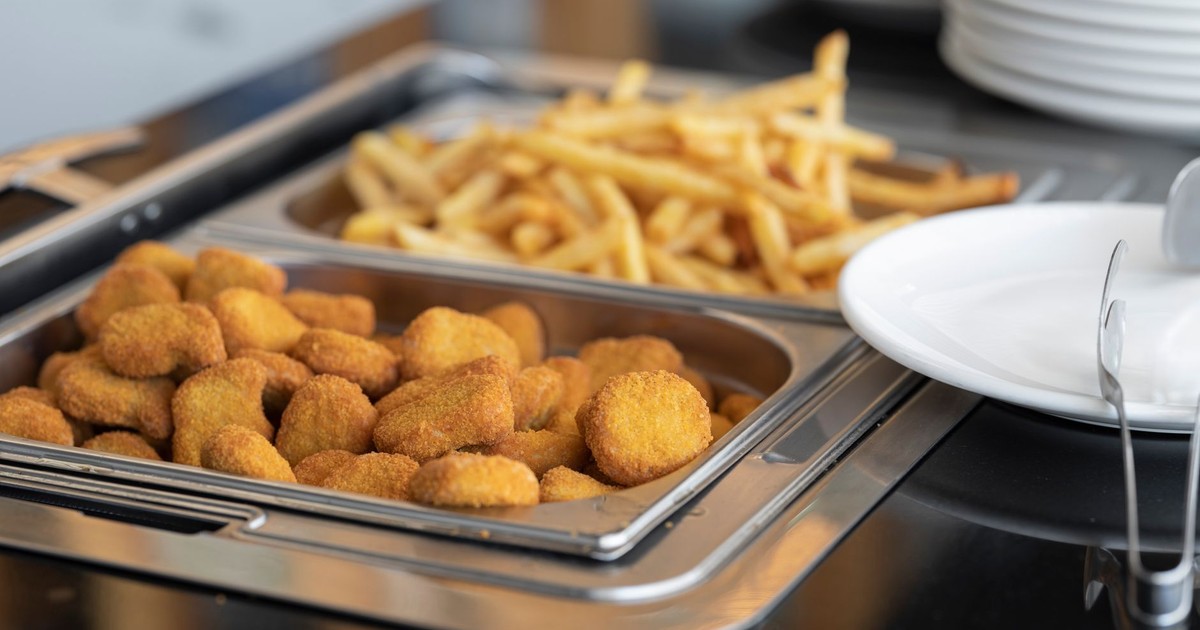
Pale, almost-white fries indicate fresh oil. Yellow or brownish fries are a sign the oil hasn’t been changed in a while. This visible quality signal requires no insider knowledge to use – just knowing what to look for.
McDonald’s uses a blend of canola, corn, and soybean oil for frying, formulated to have zero grams of trans fat per serving. Oil degrades with heat and repeated use, and degraded oil produces darker fries with a slightly bitter finish. Fresh oil yields a lighter color, a cleaner taste, and less residual flavor from previous batches. At busy locations, oil turnover is faster and the problem is less common. At slower locations during off-peak hours, the odds of older oil increase.
16. The McNuggets’ Sodium Load Adds Up Fast
A six-piece serving of Chicken McNuggets contains 280 calories and 540mg of sodium – nearly a quarter of the daily recommended sodium limit in a single side order. Most people ordering a McNugget meal don’t do that math in the moment. Add a medium order of fries and a soda, and you’ve cleared 1,000mg of sodium before accounting for dipping sauces.
The calorie figure for McNuggets is relatively modest for a protein item, which is why they’re often perceived as the “lighter” option compared to a burger. Sodium is where they quietly escalate. McDonald’s provides ingredient and allergen information for the nine most common allergens identified by the FDA, so full nutritional data is available – but it requires looking it up, which most drive-thru customers don’t do.
If you’re curious about what fast food does to your body beyond a single meal, this breakdown of fast food’s long-term health impact covers the systemic effects in detail.
Read More: Why Do McDonald’s Fries Have Almost 10 Ingredients?
What to Do With All of This
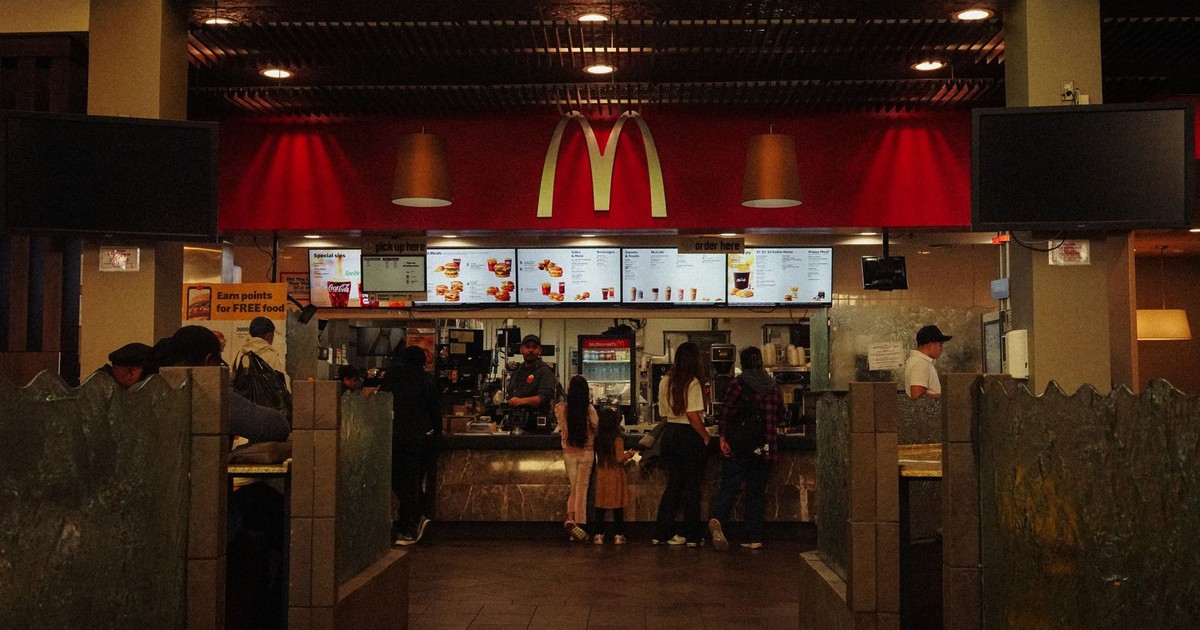
Knowing these McDonald’s employee secrets doesn’t have to change whether you eat there. But several of them translate directly into better decisions at the drive-thru. Order the round egg on a McMuffin if you want a fresh, real egg. Skip the sweet tea if you’re monitoring sugar – at 40 grams per small cup, it blows past the American Heart Association’s daily limit before your meal even starts. Ask for no-salt fries if you want the freshest batch. Order before 10:15 a.m. if you want breakfast, and use the app if you want your customizations to be accurate.
The food safety picture is more layered than either critics or defenders of McDonald’s tend to acknowledge. The 30-minute handwashing intervals and hands-free station equipment reflect genuine infrastructure – not just PR. At the same time, the 2024 E. coli outbreak showed that no amount of kitchen protocol protects against a contaminated ingredient arriving from a third-party supplier. Over 100 people across 14 states were sickened, and one person died, from slivered onions – a topping, not the beef. The safest approach at any fast-food chain remains the same: pay attention to what’s in your order, use the nutritional data that’s available, and don’t assume the calorie count on the menu board tells the whole story.
Disclaimer: This information is not intended to be a substitute for professional medical advice, diagnosis, or treatment and is for information only. Always seek the advice of your physician or another qualified health provider with any questions about your medical condition and/or current medication. Do not disregard professional medical advice or delay seeking advice or treatment because of something you have read here.
AI Disclaimer: This article was created with the assistance of AI tools and reviewed by a human editor.
Read More: The Surprising Reason One McDonald’s Uses Turquoise Arches