

Medicare’s Part B premium crossed $200 a month for the first time this year. That’s a fact that lands differently when you’re on a fixed income, watching each dollar of your Social Security check get allocated before it arrives. But the premium increase is just one piece of a much broader set of Medicare plan changes now in effect for 2026, and some of them work strongly in beneficiaries’ favor.
The picture is genuinely mixed. Costs for outpatient coverage and hospital stays have gone up, while prescription drug costs have, in many cases, dropped significantly. The structure of Medicare Advantage has shifted. A new prior authorization program is being piloted in six states. And for the first time in the program’s history, Medicare is applying federally negotiated prices to a group of widely used medications. Seniors who review these changes carefully stand to save hundreds, or even thousands, of dollars this year. Those who don’t may pay more than they need to.
Seven changes are in effect for 2026 that can directly affect your premiums, drug costs, hospital bills, and coverage options.
1. Part B Premium and Deductible Both Rise

The standard monthly premium for Medicare Part B will be $202.90 for 2026, an increase of $17.90 from $185.00 in 2025. That makes this the first time the Part B premium has cleared the $200 mark. For most enrollees, this deduction comes directly out of their Social Security benefit check, which means the increase is felt immediately, every month, without any action required.
The annual deductible for all Medicare Part B beneficiaries will be $283 in 2026, an increase of $26 from the annual deductible of $257 in 2025. The deductible is the amount you pay out of pocket for covered outpatient services before Medicare begins picking up its share. After meeting the deductible, beneficiaries typically pay 20% coinsurance, unless they have a Medicare Supplement plan, commonly called Medigap, which covers that coinsurance portion.
The increase in the 2026 Part B standard premium and deductible is mainly due to projected price changes and assumed utilization increases that are consistent with historical experience. For anyone whose income puts them above the standard threshold, the cost is even higher. People with higher incomes pay more due to income-related monthly adjustment amounts, known as IRMAA. The Social Security Administration determines IRMAA based on your tax return, and if applicable, you will receive an IRMAA letter notifying you of the increased premium amount.
2. Part A Hospital Deductible Increases

The Part A deductible will be $1,736 in 2026, an increase of $60. Part A covers hospital admissions, and this deductible applies per benefit period, meaning a new stay that begins after 60 days of being out of a hospital could trigger a second deductible in the same calendar year.
In 2026, beneficiaries must pay a coinsurance amount of $434 per day for the 61st through 90th day of a hospitalization ($419 in 2025) in a benefit period and $868 per day for lifetime reserve days ($838 in 2025). For beneficiaries in skilled nursing facilities, the daily coinsurance for days 21 through 100 of extended care services in a benefit period will be $217.00 in 2026 ($209.50 in 2025). These numbers matter most for people with serious or chronic conditions who may face extended hospital stays.
Most people with Medicare do not pay a premium for Part A because they or their spouse worked at least 40 quarters and paid Medicare taxes. But the deductible and coinsurance costs apply to everyone. If you’re managing a condition that could lead to a hospital stay, knowing these figures in advance helps you budget more accurately and think through whether supplemental coverage makes sense.
3. Part D Drug Costs Are Capped, and Some Drugs Cost Less

Part D enrollees will face a $2,100 cap on annual out-of-pocket prescription drug expenses in 2026, up from $2,000 in 2025, when the cap was introduced. Once you reach that amount, you won’t pay anything more for covered medications for the rest of the year. This cap, introduced as part of the Inflation Reduction Act, represents a major structural change for people managing expensive chronic conditions. Before this protection existed, there was no ceiling on what a beneficiary could spend at the pharmacy in a given year.
The maximum deductible for a Medicare Part D drug plan in 2026 is $615, up from $590 in 2025. That’s the most a plan can charge before coverage begins, though many plans set their deductibles lower. Checking whether your specific plan applies the full deductible to all drugs, or only to certain tiers, can make a meaningful difference in your early-year costs.
The first negotiated drug prices from Medicare took effect on January 1, 2026. These negotiated prices became effective on January 1, 2026. The negotiated prices represent discounts ranging from 38% to 79% off the 2023 list prices. On the highest end, negotiations led to a price decrease for Merck’s Januvia, a diabetes drug, from $527 for a 30-day supply to $113, down 79%.
4. Nearly 9 Million Beneficiaries to Save $1.5 Billion on Negotiated Drugs

Nearly 9 million Medicare Part D enrollees who use the drugs are expected to save an estimated $1.5 billion in out-of-pocket costs. The lower prices for these 10 medications, which include treatments for arthritis, blood clots, cancer, and diabetes, are expected to improve quality of life for millions of beneficiaries.
Overall, Medicare enrollees will see their costs for the negotiated drugs drop by an average of 51%, according to AARP’s analysis of changes in 56 stand-alone plans between 2025 and 2026. When the negotiated prices go into effect in 2026, people enrolled in Medicare prescription drug coverage would save under the projected defined standard benefit design an estimated $1.5 billion, according to the Centers for Medicare and Medicaid Services.
The drug that may offer the biggest dollar cost reduction is Stelara, used to treat autoimmune conditions. Average monthly enrollee costs for that treatment may drop by $5,046, or 68%, in 2026 based on AARP’s analysis of data on the Medicare Plan Finder website. Cancer therapy Imbruvica and Enbrel, a treatment for autoimmune diseases, round out the top three for most significant price drops, potentially saving patients more than $1,000 per month. If you take any of the 10 negotiated drugs, check your plan’s formulary or ask your pharmacist whether the new negotiated price is being applied to your prescription.
5. Medicare Advantage Premiums Drop, But Plan Choices Narrow

For Medicare Advantage plans with prescription drug coverage, the average monthly premium is estimated to decrease from $16.40 in 2025 to $14.00 in 2026. That’s a welcome drop for the majority of beneficiaries enrolled in Medicare Advantage rather than original Medicare.
The out-of-pocket limit for Medicare Advantage plans may not exceed $9,250 for in-network services in 2026, down slightly from $9,350 in 2025. Most plans set their actual caps well below this ceiling, but this limit provides a critical safety net for those with frequent medical needs.
The number of plans available, though, has contracted. The total number of available Medicare Advantage plans nationwide will decrease slightly from 5,633 in 2025 to approximately 5,600 in 2026. Standalone prescription drug plan choices have shrunk more sharply: the number of standalone prescription drug plans, known as PDPs, has dropped by 22%, from 464 in 2025 to 360 in 2026. Despite the narrowing selection, over 99% of Medicare beneficiaries still have access to at least one Medicare Advantage plan.
If Medicare Advantage enrollees who used the plan finder during their first three months on a new plan discover that its information was wrong and their doctors are not in-network, they’re eligible to switch to a new plan that includes their providers, or go to original Medicare during a special enrollment period for 2026 only. If you signed up for an Advantage plan believing your doctor was in-network and discovered otherwise, this special enrollment period may apply to you.
6. Insulin Stays Capped at $35, and Behavioral Health Gets New Protections
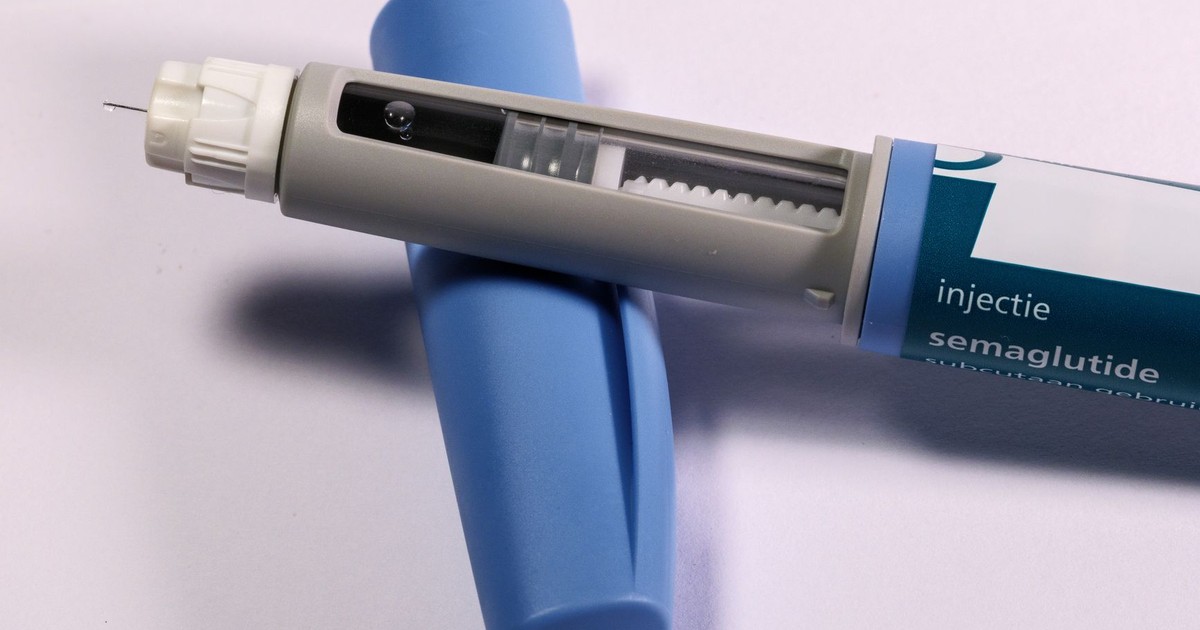
Insulin costs remain controlled in 2026. Insulin is capped at the lesser of $35, 25% of the negotiated price, or 25% of the Maximum Fair Price, and no deductible applies to insulin purchases. For the roughly 3.3 million Medicare beneficiaries with diabetes who use insulin, this cap removes one of the most unpredictable pharmacy costs they faced before the Inflation Reduction Act passed.
Mental health coverage also gets stronger in 2026. Medicare Advantage plans are now required to notify healthcare providers immediately when the plan makes a coverage decision regarding services requested for a patient while that patient is in the hospital. Patients’ rights to appeal coverage denials that impact ongoing treatment are now explicitly clarified under the new rule.
Medicare Advantage plans now face tighter restrictions on supplemental benefits they can cover. Benefits and treatments not permitted in 2026 include certain cosmetic surgeries and procedures, such as facelifts, treatment for facial lines, and remedies for atrophy of collagen and fat. A supplemental benefit must be able to demonstrably improve or maintain a patient’s health. The new lower prices must be made available to all eligible beneficiaries, and all Medicare Advantage plans with drug coverage and stand-alone Part D drug plans must list the negotiated medications as part of their formularies. For those tracking mental health or substance use treatment costs, check with your plan directly, as the new cost-sharing rules may have reduced what you owe per visit.
7. A New Prior Authorization Pilot Launches in Six States

Original Medicare is piloting the use of artificial intelligence tools to improve the prior authorization process, known as the WISeR program. The pilot will run in six states in 2026: Arizona, New Jersey, Ohio, Oklahoma, Texas, and Washington. It targets 17 outpatient services that CMS has flagged as overused or vulnerable to fraud and abuse.
Prior authorization, for those unfamiliar with the term, is a process where your insurer must approve a treatment, procedure, or service before it’s provided. Traditionally, this has been handled under Medicare Advantage but not under original Medicare. This pilot extends a version of that review process to select Part B services in the six named states for the first time.
The goal is for the AI tools to speed up prior authorization for seniors who legitimately require those services. If you live in one of the six pilot states and use original Medicare, ask your doctor’s office whether any planned procedures are on the list of services that now require prior authorization. Getting that information before a scheduled appointment is the simplest way to avoid unexpected delays or denials.
Read More: Social Security Trust Fund Could Run Dry in 2032 – Here’s What That Means for You
What to Do Now

A beneficiary on original Medicare in Arizona who takes Stelara for an autoimmune condition faces a higher Part B premium and a new prior authorization requirement, but will see dramatic lower drug costs at the pharmacy. Someone on Medicare Advantage with high prescription spending will benefit from the $2,100 out-of-pocket cap and lower average premiums, but may find their specific plan has changed its formulary or network. No single change affects everyone the same way, which is exactly why reviewing your coverage against your actual prescriptions and providers is worth doing each year.
If you take one of the ten negotiated drugs, confirm with your pharmacist that the new maximum fair price is being applied at the register. Enrollees in the voluntary Medicare Prescription Payment Plan, which spreads out-of-pocket drug costs into predictable monthly payments, will automatically be re-enrolled for 2026 unless they opt out. While it does not lower overall costs, this plan can make expenses easier to manage throughout the year. If you were enrolled last year and want to leave the program, contact your plan directly before costs begin accruing.
Open enrollment for Medicare plans runs from October 15 through December 7 each year. Use the Medicare Plan Finder on Medicare.gov to check whether your current prescriptions are covered at the new negotiated prices, confirm your doctors are still in-network, and compare your current plan’s 2026 out-of-pocket cap against alternatives. Free, unbiased help is available through your state’s SHIP program, which provides personalized Medicare counseling at no cost.
Disclaimer: This information is not intended to be a substitute for professional financial advice, investment advice, tax advice, or legal advice, and is provided for informational purposes only. Always seek the guidance of a qualified financial advisor, accountant, or other licensed professional regarding your personal financial situation or investment decisions. Do not make financial, investment, or tax decisions based solely on information presented here. Past performance is not indicative of future results, and all investments carry risk, including the potential loss of principal.
AI Disclaimer: This article was created with the assistance of AI tools and reviewed by a human editor.
Read More: Before You Claim Social Security at 67, Ask Yourself These 4 Questions