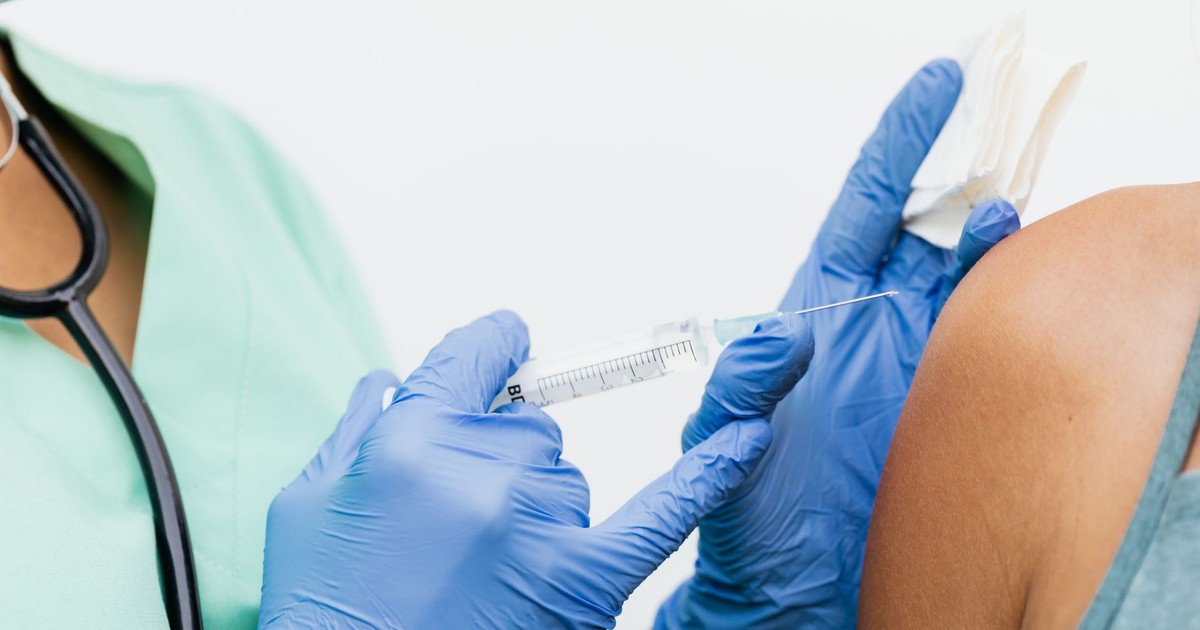
A custom mRNA melanoma vaccine was used along with the immune therapy drug Keytruda (pembrolizumab). Keytruda helps the immune system find and attack cancer cells. Together, they cut the risk of the cancer returning or the patient dying by 42%. This was found in a carefully set-up Phase 3 trial of 1,137 adults. Their skin cancer had been removed by surgery.
BBC News covered the results on October 23, 2026. The trial results were formally presented at the ESMO 2026 Presidential Symposium. The trial is called INTerpath-001.
Merck and Moderna have said they are talking with regulators. They could file for approval as soon as next year. The vaccine is not approved anywhere yet. More time is still needed to show whether patients live longer overall.
What the INTerpath-001 Trial Actually Found
Merck said the midpoint of later checks was 24.6 months. Patients who got both drugs were 42% less likely to have their cancer return or to die. That is compared to those who got Keytruda alone. At two years, 82.2% of people in the both-drug group were free of the cancer coming back. In the Keytruda-only group, that figure was 70.0%.
The trial also measured how often the cancer spread to distant parts of the body. The pair reduced that risk by 38% over two years compared to Keytruda alone. At two years, 88.5% of patients in the both-drug group were free of distant spread. That compares with 80.2% in the control group.
One limit is clear: data on how long patients lived are not yet mature. Independent cancer experts, as cited by BBC News, have said this. A positive trend has been seen in how long patients live. The study is continuing because those data are not yet mature.
The trial was conducted across 157 sites globally. Patients were randomly assigned in a 2:1 ratio. About two-thirds got the intismeran vaccine plus Keytruda. The remaining third got a placebo injection plus Keytruda.
The results have not yet come out in a reviewed medical journal, as BBC News noted. The findings were presented at the ESMO 2026 Presidential Symposium. That step is where outside experts can review the full data set.
How the Melanoma Vaccine and Keytruda Pair Works
Intismeran autogene (also called V940 or mRNA-4157) was made by Moderna and Merck. It uses the same mRNA platform as some COVID-19 vaccines. The key difference is that it is built just for each patient. After surgery removes the tumor, its genetic material is studied. This step finds up to 34 unique gene changes called neoantigens. These are cancer markers tied to the gene changes in that patient’s tumor. A vaccine is then made to train the immune system to spot those markers. If cancer cells carrying them come back, the immune system can attack them.
Read More: University Researchers Report Progress Toward Universal Cancer Vaccine
In 91% of patients in INTerpath-001, the full set of 34 neoantigens was successfully identified. The vaccine was successfully made for 99% of patients assigned to the both-drug group. The midpoint time from surgery to the first vaccine dose was 64 days.
Both groups in the trial got Keytruda. Keytruda is a standard immune therapy drug. It helps the body’s immune system find and attack cancer cells. Intismeran is intended to work alongside it. The vaccine is built from each patient’s own tumor gene changes. It trains the immune system to find and attack those cancer cells if they come back.
Patients got intismeran as a 1 mg injection into the muscle. It was given every three weeks for up to nine doses. Keytruda was given at 400 mg every six weeks for up to nine cycles.
What an Earlier, Smaller Trial Found
INTerpath-001 builds on a smaller Phase 2b trial, known as KEYNOTE-942. That trial included 157 patients with high-risk stage III or IV melanoma. At five years of later checks, that earlier study found the pair reduced the risk of the cancer coming back or of death by 49%. That compares to 42% in the larger Phase 3 study.
Financial analysts noticed that the Phase 3 figure was not quite as strong as the Phase 2b number. BBC News reported that investors sold stock. Analysts said the results were not quite as strong as those from the earlier, smaller trial.
The Phase 2b trial’s 49% figure is where the description “almost half” originates. The Phase 3 figure is 42%, a large drop but not the same as nearly halving the risk. The 42% reduction applies to patients who had melanoma removed by surgery. It does not apply to the general public’s risk of getting the disease.
Who Was in the Trial, and Who Would Benefit
INTerpath-001 enrolled 1,137 adults. All had melanoma fully removed by surgery. Their cancer was stage IIB to IV cutaneous (skin) melanoma. These patients faced a meaningful chance of the cancer coming back after surgery.
Melanoma is very treatable when found early. But advanced cases can spread to the lymph nodes and internal organs. Extra drugs given after surgery help lower the chance of cancer coming back. They matter most for higher-stage disease, where that risk is greatest.
Skin cancer is the most common cancer in the United States. Melanoma makes up only about 1% of skin cancers. But it causes most skin cancer deaths. The American Cancer Society estimates about 112,000 new invasive melanomas will be diagnosed in the U.S. in 2026.
Expert Reactions and What’s Still Unknown
Prof. Alan Melcher, from the Institute of Cancer Research in London, called the results “very impressive.” He also warned against reading too much into one trial. “We can’t assume from one melanoma trial that the same approach will work across all cancers,” he said. He added that longer later checks would matter for understanding the effect on how long patients lived.
Prof. Pippa Corrie is a cancer doctor who helped run part of the study. Her patients were treated at Addenbrooke’s Hospital in Cambridge. She called a custom approach “the next step up.” She also described the trial as “the first proof of principle.”
Two years after starting treatment, patients who got the vaccine were much less likely to see the melanoma come back or spread. But it has not yet been shown that patients live longer on average. Data on how long patients lived are not yet ready. But a positive trend has been seen with both drugs. The study remains ongoing to evaluate this further.
One person in the trial was Tony Chapman, 75, from Corby in the East Midlands. He was diagnosed with melanoma in 2019 and had the tumor removed from his chest. Then a lump appeared under his arm, showing the cancer had spread to his lymph nodes. After a second operation, he joined the trial. Like everyone in the trial, he still doesn’t know whether he got the vaccine or the placebo. Three years on, his checks every six months show he remains cancer-free. “This just seemed like a really good example of moving science forward, as well as getting some benefit for yourself, so what’s to lose?” he told the BBC.
The Road to Approval, and What Stands in the Way
If approved, intismeran would not work like a standard off-the-shelf drug. Each dose needs the patient’s own tumor tissue. That tissue is then studied to find the patient’s specific neoantigens. The vaccine must then be made for that patient alone. That process took a midpoint of 64 days after surgery in the trial. Scale, cost, and access will all be factors in how widely it could be used. BBC News noted that broad NHS use in the UK would also depend on cost. Each patient needs their tumor gene-tested and a personal vaccine made for them.
The same mRNA-based approach is now being tested in other cancers. These include kidney, bladder, and lung cancer, MSD and Moderna say.
What This Means for You
If you or someone you know has had high-risk melanoma removed, this trial may be worth a talk with a cancer doctor. The pair is not currently available outside of trials in people. No approval has been granted, and no filing has yet been made as of late 2026.
The INTerpath-001 results come from a large, well-controlled Phase 3 trial. Adding a custom vaccine to standard immune therapy lowered the chance of melanoma returning. This is based on two years of later-check data. The size of that benefit will become clearer as the study’s later checks go on. So will the question of whether it extends lives.
Ask your cancer doctor whether custom drugs given after surgery are relevant to your stage and situation. Ask about trials in people that test them, too. If you have a suspicious skin lesion, have it assessed rather than waiting.
Disclaimer: The author is not a licensed medical professional. The information provided is for general informational and educational purposes only and is based on research from publicly available, reputable sources. It is not intended to constitute, and should not be relied upon as, medical advice, diagnosis, or treatment. Always consult a licensed physician or other qualified healthcare provider regarding any medical condition, symptoms, or medications. Do not disregard, avoid, or delay seeking professional medical advice or treatment because of information contained herein.
AI Disclaimer: This article was created with the assistance of AI tools and reviewed by a human editor.