

Midlife hits fast, and your body gets more opinionated about everything with age. However, that is not a crisis; it is a cue to start paying attention. Think of each midlife health warning as a friendly tap on the shoulder that says, “Maybe check this now, so you don’t have any major issues tomorrow.” Some signs are pretty obvious, such as a new swelling or a sudden feeling of breathlessness. However, some are more gradual or subtle, such as changes to the skin or brain fog.
Yet none of them should lead you to panic, but rather to become more proactive. In this guide, we will find out how to turn these small concerns into practical steps that you can easily follow. Learn how to understand what each symptom is trying to say to you, instead of simply dismissing them or making you worry the whole day. Most problems are easier to deal with the earlier you face them. So, with that in mind, let’s take a look at the 8 midlife health warnings that you should start looking out for.
Difficulties Urinating

Needing to pee more often can wear down your patience very quickly. Typical complaints from men in their 40s include frequent nighttime trips to the toilet and a weak stream. Clinicians group these into lower urinary tract symptoms, often abbreviated as LUTS. Benign prostate enlargement is a frequent driver as you enter midlife. Overactive bladder, urinary infections, and stones can also contribute to urinary issues. Additionally, taking certain medicines, drinking caffeine, and alcohol may worsen your symptoms noticeably. Cancer is less common, yet still remains a consideration. The initial evaluation is pretty straightforward and usually performed in primary care. You typically fill out a symptom score sheet and then provide a urine sample, after which a prostate exam is usually given.
Treatment depends on the cause and how much the symptoms bother you. Sometimes doctors suggest “watchful waiting” with regular check-ins and symptom tracking. Thankfully, there are certain simple habits that can help more than you expect. For example, try limiting fluids two to three hours before bed and cut back on caffeine and fizzy drinks that may irritate the bladder. If your symptoms persist, there are medicines that can relax or shrink the prostate, which your doctor can prescribe for you. Alpha-blockers help improve flow, and 5-alpha-reductase inhibitors help gradually reduce the size of the prostate. Some of the available options include UroLift, Rezūm water-vapor therapy, or surgical TURP. It’s important to seek help immediately if you notice blood in your urine or if you find that you cannot urinate.
Shortness of Breath

Getting winded after walking up a steep hill can be normal. However, experiencing sudden and unexplained breathlessness should never be ignored. Call for help immediately if it is accompanied by chest pain, fainting, confusion, or blue-tinged lips. Those midlife health warning signs can potentially indicate a blood clot in the lungs or an evolving heart attack. Furthermore, recent long-haul travel or surgery significantly increases the risk for dangerous clots. Common non-emergency causes of shortness of breath include asthma, COPD, anemia, deconditioning, medication effects, and ongoing post-viral recovery symptoms.
Additionally, needing extra pillows to sleep or experiencing breathlessness when lying flat can suggest fluid buildup from heart failure. Waking suddenly at night, gasping for air, may indicate fluid shifting into your lungs while sleeping. It’s important to get checked out as doctors are able to read these patterns and then choose targeted tests, such as oxygen checks, ECGs, chest X-rays, and bloodwork. Treatment depends entirely on the underlying diagnosis, not the symptom alone, which is why a proper evaluation really matters.
Erectile Dysfunction

While erectile dysfunction is more common after the age of forty, it is not always simply the result of aging. The penile arteries are quite narrow and very sensitive to damage from various vascular risk factors. That means that erection issues can often appear before any heart symptoms become apparent. In fact, several reviews have linked erectile dysfunction with subsequent cardiovascular events later in life. This association makes sense after accounting for factors such as blood pressure, smoking, cholesterol, and weight.
Treating erectile dysfunction is achievable and can improve the quality of life for many people. If you start to experience erectile dysfunction, treat it as a signal to have your heart risk assessed. Many men actually see their sexual function improve as their vascular health improves. It is important that you do not let embarrassment stop you from having a potentially beneficial conversation. Just remember that these doctors deal with this every day and are able to help you without passing judgment. Also, ask them to check out your blood pressure, fasting lipids, and blood sugar.
Read More: Scientists Reveal Surprising New Use for Viagra That Could Help Millions
Skin Tags
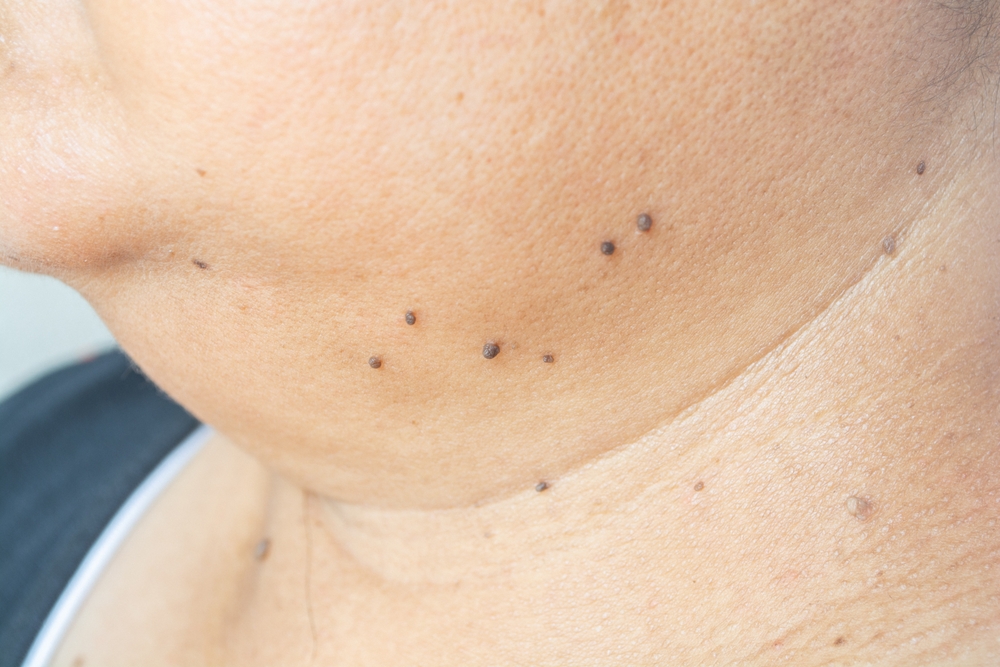
Skin tags are small, soft growths that typically appear wherever your skin rubs against itself. They are especially common on the neck, armpits, and eyelids. Most are harmless and easily removable in a clinic without requiring much fuss. However, what tends to surprise many people is the potential metabolic link. Multiple studies have found an association between clusters of skin tags and insulin resistance and metabolic syndrome. However, the skin tags do not directly cause diabetes. They may simply indicate higher insulin and growth signals in the individual’s skin. Acanthosis nigricans, characterized by a velvety darkening in the skin folds, can also be associated with tags and insulin resistance.
Spotting the two together deserves medical attention and a quick lab check. Ask your clinician to check fasting glucose or A1c, plus a full lipid panel. Also, have your blood pressure reviewed and your waist measured. If these tests reveal that your numbers are high, there are various lifestyle changes that can improve insulin sensitivity. In fact, regular activity, protein-rich meals, and fiber seem to help most people. Additionally, your clinician can also snip, freeze, or cauterize the tags if they really bother you. But please try to avoid any home remedies that increase your risk of infection or scarring. You should also go for a check-up if you start noticing a sudden increase in new skin tags.
Fatigue and Dry Mouth

Feeling like you have no energy all day is not necessarily just a sign of aging, but could be another midlife health warning to be aware of. For example, sleep apnea is common in midlife and yet often slips under the radar. Loud snoring can be a clue, but not everyone with apnea snores. Waking with a dry mouth or a headache is another sign, as are daytime sleepiness, inability to focus, and irritability. Left untreated, apnea can worsen insulin resistance and increase the risk of having a stroke and developing heart disease.
Women often present more subtly and are therefore underdiagnosed, simply feeling tired rather than actually snoring. The good news is that testing for sleep apnea is quite straightforward and easy. Treatment typically ranges from various oral appliances to CPAP and positional therapy. Losing weight and not drinking alcohol close to bedtime also helps. In fact, many people feel better within days of consistent treatment. Additionally, it’s usually the partner who notices the difference first, as the quieter nights benefit them too. If any of the above-mentioned symptoms fit your nightly struggle, then go for a proper evaluation rather than ignoring the problem.
Testicle Lump
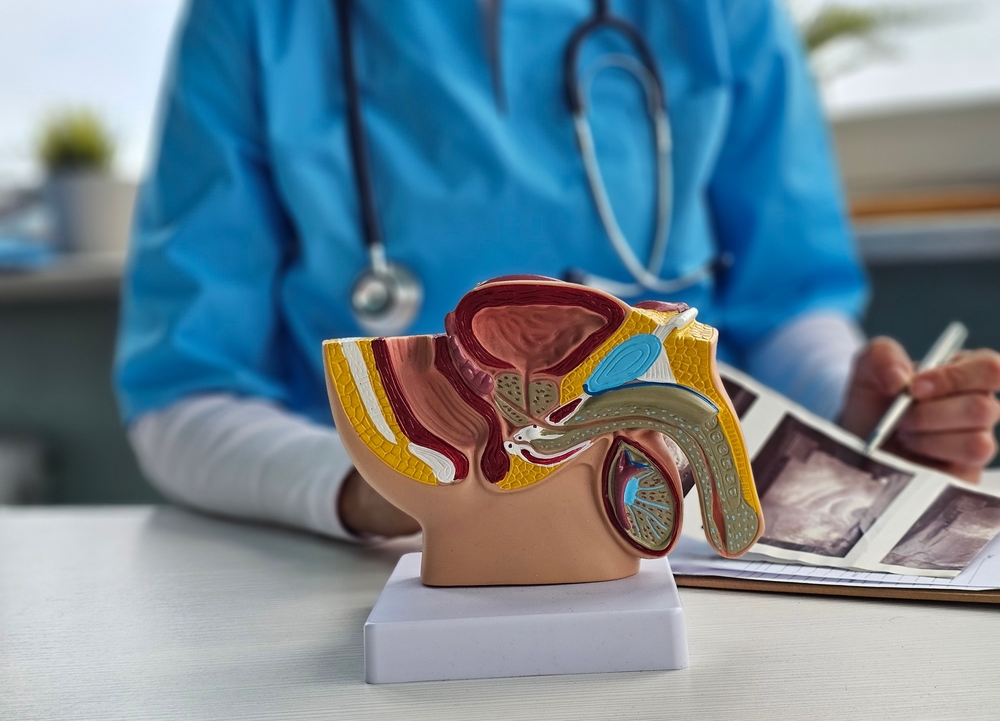
It’s always a good idea to go to a doctor as soon as you can if you notice a new lump in your testicles. Many lumps are benign cysts or fluid collections, yet you cannot reliably tell by touch which lumps are dangerous. Testicular cancer is typically uncommon, yet most prevalent in younger and midlife men. The lump is usually firm and painless, but some men report a feeling of heaviness in their scrotum or a dull stomach ache. When it comes to diagnosing these lumps, ultrasounds are usually used, which provide lots of information and are both painless and quick.
If a tumor is found early on, cure rates are usually very high. Formal monthly self-exam for everyone is still debated by experts, and what helps most is knowing what is normal for you and acting on any changes you notice. If you notice a new mass, don’t wait weeks hoping it will just disappear on its own; rather, book within the next day or two. It’s a win-win situation, as either it turns out not to be a real issue or you can start the necessary treatment as soon as possible.
Leg or Back Pain

Most midlife back pain is mechanical and therefore improves with movement. Strains, sprains, and irritated discs are the causes of most everyday cases. Heat, short courses of over-the-counter pain relief, and gentle core work often help within a few weeks. Many cases improve within several weeks without imaging, injections, or specialist referrals, or extended time off work. However, experiencing certain midlife health warnings may indicate that you should seek evaluation as soon as possible to rule out serious problems quickly. For example, fever, recent infection, cancer history, or major trauma are particularly notable warning signs that require urgent assessment. Constant night pain or unexplained weight loss also deserves attention from your clinicians.
Experiencing any new weakness in a leg or foot is another red flag requiring medical attention as soon as possible. Additionally, any numbness around the groin or saddle area is particularly concerning and should be seen to promptly in order to prevent any lasting nerve damage. Furthermore, any new bladder retention issues represent an emergency that requires same-day care in order to protect spinal nerves and function. Together, those features can potentially indicate cauda equina compression requiring immediate imaging and specialist care to avoid any permanent damage.
Tearing back or abdominal pain can signal a life-threatening aortic emergency demanding urgent evaluation, especially in older adults. Tearing back or abdominal pain can potentially indicate an aortic emergency. These can be life-threatening, so it’s vital to seek medical attention immediately. However, most people still have straightforward mechanical back pain, even when one red flag appears, so don’t get too worried and expect the worst before going for an evaluation. Yet missing a serious issue carries its own risk, so make sure you get evaluated either way. Clinicians can weigh these red flags and decide whether urgent imaging or referral is appropriate.
New Ankle or Leg Swelling

Ankles swell after long standing, heat, or salty meals fairly often. However, bilateral swelling that worsens throughout the day suggests potential venous issues. Chronic venous insufficiency causes pooling and changes in skin color. Furthermore, brown staining near the ankles can appear after months of high venous pressure. Compression socks, leg elevation, and walking breaks usually help relieve some of these issues. You should be concerned about potential clots if you notice swelling on one side without any notable cause, such as an injury. Another particularly concerning symptom is experiencing painful and tense swelling in one of your calves.
Urgent evaluation matters because clots can eventually travel to the lungs. Experiencing shortness of breath or chest pain along with leg swelling is also considered something that requires immediate medical attention. Heart failure can also cause swelling with breathlessness, and fatigue. Your clinician will use your history and a quick examination to triage the causes. An ultrasound is also often used to help confirm or rule out a deep vein clot. If heart failure is suspected, then blood tests and an ECG may also be required. Acting early helps prevent any complications, and simple measures often relieve symptoms while the root cause is treated.
The Bottom Line on Midlife Health Warnings

Midlife health is a marathon, not a sprint, requiring patient attention and steady effort over years. Your body sends useful midlife health warnings long before trouble peaks, if you learn to notice patterns. Study those patterns without spiraling into worry over every twinge or brief discomfort that quickly passes. Keep a brief diary tracking symptoms, triggers, timing, and what changes actually helped you last week. Bring those details to appointments so clinicians make sharper, safer, faster decisions with your present information. Treat clear red flags as prompts for action, not excuses for panic or avoidance, or delay.
Lumps, severe breathlessness, one-sided swelling, or new neurological deficits deserve immediate professional evaluation without hesitation today. Many conditions prove manageable when identified early, assessed thoroughly, and treated with evidence-based interventions by experts. Pair medical care with daily habits that steadily protect your future health and resilience through consistency. Move most days, prioritize sufficient sleep, and focus meals around minimally processed whole foods for vitality.
If your sleep is suffering, try limiting alcohol near bedtime and observe how your body responds over weeks carefully. Revisit preventive checks appropriate for your age, family history, medications, and personal risk profile regularly scheduled. Ask about blood pressure, A1c, cholesterol, and sleep quality during routine visits and screenings each year. Invite your partner to compare observations, because loved ones often notice subtle early changes in you. None of this requires perfection, heroic discipline, or extreme routines to work effectively for health gains. Small, consistent steps compound into substantial benefits that accumulate steadily across many future years of life. Your future self will feel grateful you began today, even with modest, manageable changes toward health.
Disclaimer: This information is not intended to be a substitute for professional medical advice, diagnosis or treatment and is for information only. Always seek the advice of your physician or another qualified health provider with any questions about your medical condition and/or current medication. Do not disregard professional medical advice or delay seeking advice or treatment because of something you have read here.
This article was created with AI assistance and edited by a human for accuracy and clarity.
Read More: Stage 4 Cancer Patient Urges Others Not to Ignore These Subtle Warning Signs