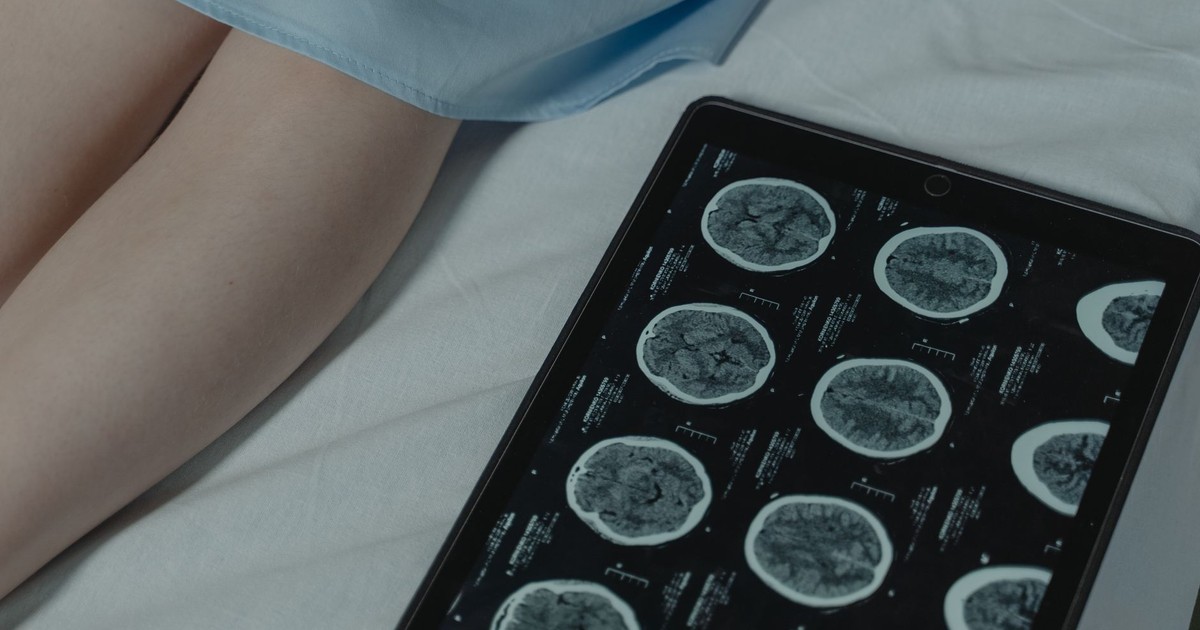

A mini-stroke can last only minutes. The weakness disappears, speech returns to normal, and brain scans may show no evidence of a stroke. But a massive new study suggests the neurological story may be far from over once those symptoms disappear.
Researchers tracking more than 113,000 people who experienced a transient ischemic attack, or TIA, found that about 19% developed dementia over an average of seven years. Compared with similar people who hadn’t experienced a stroke, those with a TIA had a 34% higher risk of developing dementia, with the difference especially pronounced during the first year.
The findings challenge the common perception of a TIA as simply a temporary or “mini” version of a stroke. A TIA occurs when blood flow to part of the brain is temporarily interrupted, producing stroke-like symptoms that resolve. It’s already recognized as an important warning sign for a future stroke. The new research suggests it may also identify people facing a longer-term threat to their cognitive health.
Published in Neurology, the study drew on two decades of health records from Ontario and is one of the largest investigations yet into dementia following a TIA. It doesn’t prove that the TIA itself causes dementia. Instead, it raises an important possibility: a brief neurological event that leaves someone feeling completely normal afterward may reveal vascular problems in the brain that continue to matter years later.
What the Ontario study found
Researchers looked at two decades of health data in Ontario, Canada to identify 113,081 people with an average age of 70 who had a first transient ischemic attack. None had a prior dementia diagnosis. Each person in the TIA group was matched by age, sex, and cardiovascular risk factors to people who had not had a stroke, and the group was also compared separately with people who had experienced a first stroke.
The study found that having a TIA is associated with a 34% higher risk of developing dementia over an average of seven years. Because participants averaged 70 years old, dementia was already common in the comparison group, at 15%. The TIA group’s rate was about four percentage points higher over the study period. In absolute terms, that gap is meaningful. In percentage terms, the 34% figure reflects how significantly a TIA elevates risk above what aging alone would predict.
The timing of that risk deserves attention. People with a TIA had a 75% increased risk of dementia in the first year after the attack. That number then declined but never fully returned to baseline. The elevated risk persisted across the full 20-year follow-up window, settling at the 34% overall figure. Joundi described the pattern as “a large and sustained increase in dementia risk,” adding that “dementia occurs far more frequently after a TIA than having a stroke,” and that “prevention strategies after a TIA should go beyond stroke prevention and consider dementia as a major long-term complication.”
Over the full follow-up period, dementia was three times more common after a TIA than after a later stroke. The shorter-term picture was different: in the first year, people with a TIA had a 33% lower dementia risk compared to people who had experienced a stroke, but after five years the gap closed and the risk was similar. Stroke survivors with the most severe brain damage tend not to survive long enough to develop dementia. TIA patients, by contrast, go home, live longer, and carry the accumulated burden of underlying vascular disease with them for years.
Why the mini-stroke dementia risk doesn’t end when symptoms do
The study does not prove that a TIA causes dementia; it only shows an association. It can identify who faced higher risk, but it cannot show that the TIA itself triggered dementia. Shared causes – such as narrowed or damaged small blood vessels in the brain – could drive both.
Small vessel disease, the gradual narrowing and stiffening of tiny blood vessels deep in the brain, is one of the most common culprits in this story. It raises the risk of TIA, it raises the risk of stroke, and it raises the risk of dementia, often at the same time, and often silently for years before any clinical event occurs. A TIA may be the first visible signal that this underlying damage has reached a critical threshold – not the cause of what follows, but a window into a process already underway.
A limitation the researchers themselves acknowledged was that they did not have detailed brain imaging to determine if people had hidden disease at the start of or during the study. Without that imaging, some participants may have already had early, undetected brain pathology before their TIA occurred. That could partly explain why dementia risk spiked so sharply in the first year – a pattern that might reflect pre-existing disease made newly visible by the clinical event rather than damage caused by the TIA itself. The study was also conducted in Ontario, and results may look different in populations with different age distributions, healthcare access, or diagnostic patterns.
Earlier research from the United Kingdom offers cross-validation. In the population-based Oxford Vascular Study, published in The Lancet Neurology, 5.2% of patients were diagnosed with dementia within one year of a TIA, and 16.2% within five years. The Ontario rates are higher, likely reflecting the older average age of that cohort, but the trajectory is consistent: mini-stroke dementia risk rises fast in the first year and remains measurably elevated for years afterward.
Who is at highest risk
Many TIAs share underlying risk factors with stroke, including diabetes, heavy alcohol use, overweight and obesity, high blood pressure, heart disease, and high cholesterol. Atrial fibrillation – an irregular heart rhythm that can cause clots to travel from the heart to the brain – is another major contributor. According to the American Stroke Association, at least 240,000 Americans experience a TIA each year, and they become more common as people age. Most occur in adults over 60, which is precisely why the dementia connection is so clinically significant: the same population already carrying the highest dementia risk is the one most likely to experience a TIA.
According to CDC stroke data, more than 795,000 people in the United States have a stroke each year. About 12% of all strokes are preceded by a TIA. Adult children are often the ones who first notice something brief and strange in an aging parent – a few minutes of confused speech, an arm that suddenly wouldn’t cooperate, a facial droop that disappeared before anyone called 911. Those episodes get dismissed as fatigue, dehydration, or stress. The Ontario data make a strong case that they deserve a very different response.
For people who have already had a TIA and wonder about their cognitive future, TIA warning signs overlap heavily with what eventually surfaces as early memory and thinking changes – making the post-TIA period a critical window for baseline brain health assessment.
Recognizing a TIA and responding correctly
TIA symptoms are similar to those of stroke. Most occur suddenly and usually go away within an hour, though they may last up to 24 hours. Symptoms include numbness or weakness in the face, arm, or leg – especially on one side of the body – trouble seeing in one or both eyes, difficulty walking, dizziness, confusion, difficulty talking or understanding speech, and loss of balance and coordination.
The BE FAST acronym, used by neurologists and emergency physicians, covers the core warning signs: Balance, Eyes, Face, Arms, Speech, and Time. There is no immediate way to tell whether symptoms are from a TIA or a stroke, which is why anyone experiencing them needs emergency medical care right away. Call an ambulance. Do not try to drive to the hospital.
The urgency is real and immediate. The risk of a debilitating stroke can be as high as 5% during the first 72 hours after a TIA. An emergent evaluation and treatment by a stroke specialist could reduce that risk to 2%. The difference between those two numbers represents the window where rapid medical response can fundamentally change the outcome.
Read More: This New Nasal Spray Could Transform Emergency Stroke Care
What to do after a mini-stroke
The standard post-TIA follow-up has historically focused on preventing a subsequent stroke, and that remains essential. Blood pressure control, cholesterol management, blood sugar monitoring, and assessment for atrial fibrillation are all standard components of post-TIA care. People who have had a TIA can also make lifestyle changes to prevent stroke, including eating a balanced diet, staying at a healthy weight, exercising, cutting back on alcohol, and quitting smoking.
The first year after a TIA, when dementia risk is highest, is the logical time to establish a cognitive baseline. A brief cognitive screening – the kind that can be done during a regular office visit – takes minutes and gives both the patient and their physician a reference point for the years ahead. New difficulty managing finances, trouble navigating familiar routes, personality changes, and forgetfulness that feels different from normal aging are all worth reporting to a doctor, particularly in the 12 months following a TIA.
Medicare’s Annual Wellness Visit includes a check for cognitive impairment at no cost for eligible beneficiaries, and that visit can be a practical first step for anyone who has recently had a TIA.
A TIA May Be Brief, but the Risk Isn’t
The defining feature of a TIA is that the symptoms go away. That’s also what can make it deceptively easy to dismiss.
The Ontario study suggests the underlying risk may persist much longer. Over an average of seven years, roughly one in five people who experienced a TIA developed dementia. The association was strongest during the first year but remained elevated over long-term follow-up.
That doesn’t mean a TIA causes dementia, nor does it mean someone who experiences one is destined to develop cognitive decline. The same vascular problems that contribute to a TIA, including high blood pressure, diabetes, high cholesterol, atrial fibrillation, and disease affecting blood vessels in the brain, may also help explain the association. The researchers also lacked detailed brain imaging that could determine how much disease was already present before the TIA occurred.
What the findings do reinforce is that a TIA shouldn’t be treated as insignificant simply because the symptoms disappear. Sudden stroke-like symptoms require emergency medical attention, and preventing a subsequent stroke remains the immediate priority. Over the longer term, changes in memory, thinking, or everyday functioning are also worth discussing with a healthcare provider.
More research will be needed to determine whether specific monitoring or treatment after a TIA can reduce the subsequent risk of dementia. But with more than 113,000 people followed across two decades of Ontario health records, this study adds substantial evidence that the consequences associated with a TIA may extend well beyond the first days and weeks.
A TIA may disappear in minutes. What it reveals about the health of the brain could matter for years.
Disclaimer: This information is not intended to be a substitute for professional medical advice, diagnosis, or treatment and is for information only. Always seek the advice of your physician or another qualified health provider with any questions about your medical condition and/or current medication. Do not disregard professional medical advice or delay seeking advice or treatment because of something you have read here.
AI Disclaimer: This article was created with the assistance of AI tools and reviewed by a human editor.