

The internet is currently abuzz with a simple nighttime ritual: drinking a concoction of chamomile tea, apple cider vinegar, and cinnamon to “clear excess sugar” and “melt fat” while you sleep. Viral posts and testimonials suggest that this miracle drink acts as a biological vacuum, sweeping away the day’s dietary transgressions and resetting your metabolism overnight. For millions of people managing prediabetes or type 2 diabetes, the promise of an effortless, natural fix for blood sugar spikes is understandably enticing.
However, while the ingredients themselves are backed by legitimate metabolic research, the claim that a single cup of tea can “clear” sugar or bypass the body’s complex insulin signaling is a significant scientific stretch. This article deconstructs the viral trend by examining the independent evidence for each ingredient. We will separate the marketing hype from the clinical reality, exploring how these components might actually support your health and where the “miracle” claims fall short of the truth.
The Viral Sensation: What Are the Claims?

The “bedtime blood sugar-clearing drink” typically consists of a warm cup of chamomile tea, to which a tablespoon or two of apple cider vinegar (ACV) and a half-teaspoon of ground cinnamon are added. Variations might include a squeeze of lemon or a dash of honey, though these additions can alter the core premise, especially if sugar is involved (and yes, adding honey means adding sugar).
The proponents of this drink make several bold claims. These include:
- Clears excess sugar overnight: This is perhaps the most significant claim, suggesting that the drink somehow flushes out or metabolizes excess glucose from the bloodstream while you sleep, leading to lower fasting blood sugar levels in the morning.
- Boosts metabolism and burns fat: Many versions of the trend also promise accelerated metabolism and direct fat burning, particularly around the abdominal area, attributing this to the synergistic effects of the ingredients.
- Improves insulin sensitivity: It’s often suggested that the drink makes your body more responsive to insulin, helping cells absorb glucose more efficiently.
- Reduces cravings: Anecdotal reports frequently mention a reduction in nighttime snacking and general sugar cravings after incorporating the drink into a nightly routine.
These claims are certainly appealing, especially given the rising prevalence of type 2 diabetes and prediabetes globally. However, it’s crucial to understand that the human body’s metabolic processes are far more intricate than these claims suggest. The term “clearing excess sugar” itself is a simplification. The body naturally manages blood sugar through a complex interplay of hormones like insulin and glucagon, storing glucose as glycogen or converting it to fat when energy intake exceeds immediate needs. A drink, no matter how potent its individual ingredients, cannot fundamentally override these physiological mechanisms in the way implied by the viral trend.
Deconstructing the “Miracle”: A Look at the Ingredients
To truly understand whether this bedtime concoction holds any water, we need to move beyond the sensational claims and examine the scientific evidence for each component individually.
1. Apple Cider Vinegar (ACV): Aiding Glucose Metabolism
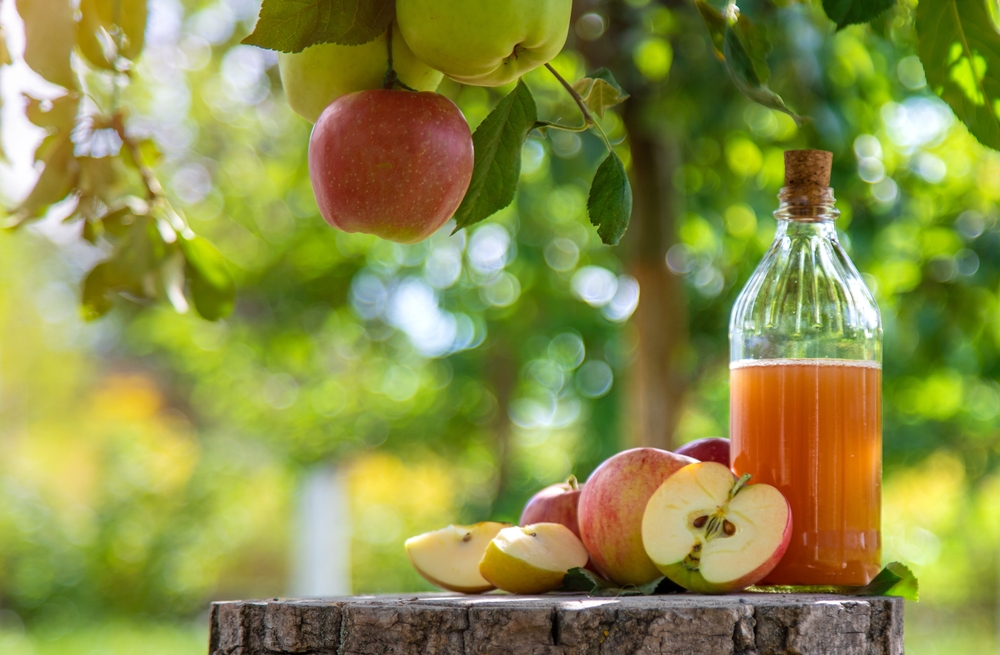
Apple cider vinegar has enjoyed a long reign in the wellness spotlight, and as a result, there has been considerable misinformation. When it comes to blood sugar, ACV’s potential benefits are among the most studied. The active ingredient responsible for most of ACV’s metabolic effects is acetic acid.
Apple cider vinegar has enjoyed a long reign in the wellness spotlight. When it comes to blood sugar, ACV’s potential benefits are among the most studied. The active ingredient responsible for most of ACV’s metabolic effects is acetic acid.
The evidence:
- Post-meal glucose reduction: A 2004 study published in Diabetes Care found that consuming ACV before a high-carbohydrate meal significantly reduced post-meal blood glucose levels in insulin-resistant individuals. The mechanism involves a delay in gastric emptying, meaning food stays in the stomach longer, leading to a slower release of glucose into the bloodstream.
- Insulin sensitivity: A study from 2007 showed that consuming ACV at bedtime could positively influence morning fasting blood glucose levels in individuals with type 2 diabetes, although the effect was modest.
Takeaway for ACV: ACV is most effective when consumed with or just before a meal. It doesn’t “clear” existing sugar; instead, it helps the body process new sugars more efficiently. While it may slightly lower waking glucose, it is not a “detox” that removes sugar already stored in the body.
2. Cinnamon: Mimicking Insulin and Beyond

Cinnamon is more than just a spice. It contains bioactive compounds, primarily focusing on polyphenols, that may impact metabolic health.
The Evidence:
- Insulin-like activity: Some compounds in cinnamon are believed to mimic the action of insulin, helping glucose enter cells more readily.
- Improved insulin sensitivity: Meta-analyses have indicated that cinnamon supplementation can significantly reduce fasting blood glucose and HbA1c (a long-term marker of blood sugar control) in individuals with type 2 diabetes. A 2013 meta-analysis in Annals of Family Medicine confirmed these modest but statistically significant decreases.
Responsible Takeaway for Cinnamon: Cinnamon offers real evidence for supporting blood sugar control, but the effects require consistent daily intake over weeks or months. One teaspoon in a nightly tea is a healthy addition, but it won’t provide an “instant fix” for a high-sugar diet.
3. Chamomile Tea: More Than Just a Calming Brew

Image credit: Shutterstock
Chamomile is often dismissed as a simple sleep aid, but its indirect benefits for metabolic health are noteworthy.
The Evidence:
- Anti-inflammatory effects: Chronic inflammation is a driver of insulin resistance. Chamomile’s flavonoids possess anti-inflammatory properties that may support long-term metabolic health.
- Improved sleep: Perhaps the most significant benefit is sleep quality. Poor sleep is a well-established risk factor for insulin resistance and increased cortisol (a stress hormone that raises blood sugar). By improving sleep, chamomile helps stabilize the hormonal environment necessary for blood sugar regulation.
Responsible Takeaway for Chamomile: Chamomile tea is a fantastic, healthy replacement for sugar late-night snacks. While it doesn’t “burn fat” or “clear sugar” directly, it promotes the rest your body needs to manage glucose effectively the next day.
The “Miracle Drink” Claim: A Reality Check
When we scrutinize the sugar-clearing claim, there are several issues that emerge. The first of these is that there is no direct sugar clearing. No drink can physically strip glucose from the blood. The body uses insulin to move sugar into the cells, or the kidneys to filter it out if levels are dangerously high.
Secondly, timing matters. ACV’s most potent effects occur during digestion. Drinking it hours after your last meal limits its ability to impact the glucose response of that meal. Finally, there is a distinct lack of synergy data. There is no clinical research investigating these three ingredients as a specific elixir. While they are healthy separately, there is no proof that they work miracles together.
Responsible Blood Sugar Management

Image credit: Shutterstock
For those with prediabetes or type 2 diabetes, relying on a miracle drink can be a dangerous distraction. Proven strategies for managing blood sugar include:
- Dietary management: Prioritize fiber-rich whole foods and lean proteins.
- Regular physical activity: Muscles burn glucose for energy during and after exercise.
- Weight management: Losing even 5-10% of body weight can dramatically improve insulin sensitivity.
- Stress management: High stress triggers glucose release from the liver.
Read More: The Surprising Role of Lungs in Blood Formation
Healthy Habits Over Hype

Image credit: Shutterstock
While the ingredients in the viral sugar-clearing drink – apple cider vinegar, cinnamon, and chamomile – demonstrate individual benefits for metabolic health, they are not a magical cure-all. They work as supportive aids that help the body manage glucose more efficiently over time, rather than acting as a rapid “detox” for excess sugar.
The true miracle in blood sugar management is found in sustained, evidence-based habits: balanced nutrition, movement, and quality rest. Incorporating this tea into your nightly routine is a healthy, low-risk habit, but it should be viewed as a small piece of a much larger wellness puzzle, not a replacement for medical care or a healthy lifestyle.
Disclaimer: This information is not intended to be a substitute for professional medical advice, diagnosis or treatment and is for information only. Always seek the advice of your physician or another qualified health provider with any questions about your medical condition and/or current medication. Do not disregard professional medical advice or delay seeking advice or treatment because of something you have read here.
A.I. Disclaimer: This article was created with AI assistance and edited by a human for accuracy and clarity.
Read More: 30 Best Herbs To Support Lung Health and Aid in Clearing Mucus