

While previous studies have revealed the effects of additives on a substance-by-substance basis, none have investigated the effects of these additives combined. However, in a recent study, researchers looked into the potential link between combinations of commonly consumed additives and type 2 diabetes development. For the study, they analyzed the health data of more than 100,000 participants in the French NutriNet-Santé cohort. The researchers found that two of the five mixtures that were tested were associated with an increased type 2 diabetes risk. This was most apparent in one mixture that contained various emulsifiers and modified starches, and another that contained various acidifiers, colourings, and sweeteners.
Combination of Food Additives Linked to Type 2 Diabetes Development
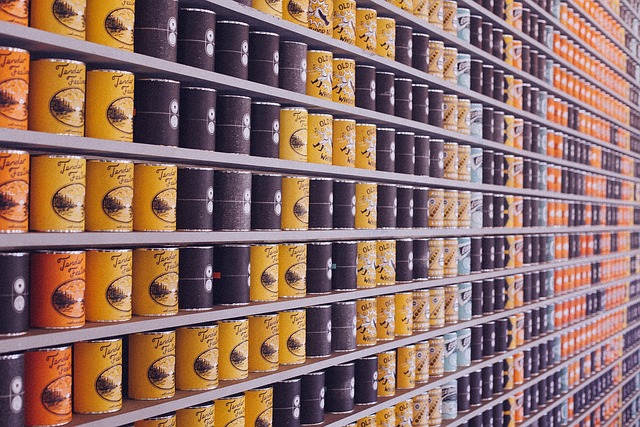
Due to their widespread use by the agri-food industry, food additives are typically found in many ultra-processed products. Previous studies have already revealed a link between various food additives and the development of chronic inflammation, metabolic disorders, and an imbalanced gut biome. Recent studies have furthermore revealed a link between food additive consumption and increased type 2 diabetes, cardiovascular disease, and cancer risk. However, all of these studies only examined the effect of these substances on their own. Up until now, no study has examined the potential impact of these additives combined.
This is a considerable blind spot in our understanding, especially considering that many ultr-processed foods typically contain additive combinations that each have their own particular properties. To address this blind spot, a team of researchers led by Inserm research director Mathilde Touvier analyzed the participants of the NutriNet-Santé cohort’s data. The participants were required to provide up to 15 days’ worth of dietary records, consisting of everything they had eaten or drunk during that period. The researchers identified five main additive combinations that are regularly consumed together. Two of these combinations were found to be associated with an increased type 2 diabetes risk. Furthermore, they noted that this link existed regardless of the diet’s nutritional quality or various lifestyle and sociodemographic factors.
Read More: Many Who Have Type 2 Diabetes May Be Suffering From a Different Disease
The Additive Combinations Associated with Type 2 Diabetes
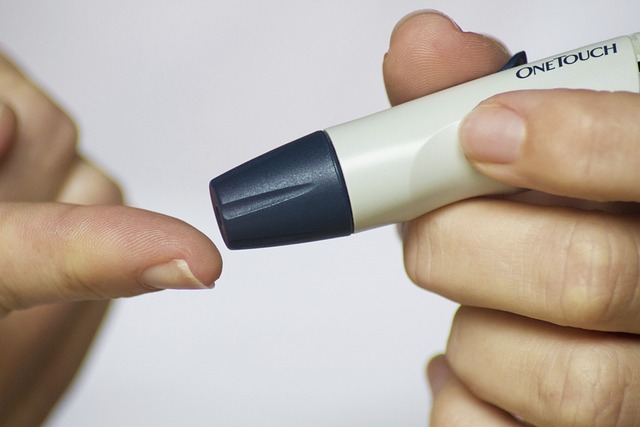
The first of these two combinations was mostly made up of several emulsifiers (pectin, modified starches, polyphosphates, guar gum), potassium sorbate (a preservative), and curcumin (a colouring agent). These additives are usually found in heavily processed food products, such as fats, sauces, stocks, and milky desserts. The second combination was mostly made up of additives that are typically found in artificially sweetened sodas and drinks. It contained various acidifiers and regulators such as citric acid, phosphoric acid, and sodium citrates, as well as coloring agents, such as anthocyanins. Additionally, it also contained various sweeteners, emulsifiers, and carnauba wax, a coating agent. The study revealed that the additives in the combinations interacted with each other, either by enhancing or attenuating their effects.
According to the study’s first author, Marie Payen de la Garanderie, “The findings suggest that several emblematic additives present in many products are often consumed together and that certain mixtures are associated with a higher risk of this disease. These substances may therefore represent a modifiable risk factor, paving the way for strategies to prevent type 2 diabetes.” However, she noted that further studies were needed to deepen their understanding of the synergies and antagonisms between the various substances. The observational study is insufficient on its own for a causal link to be established. However, their findings are “in line with recent in vitro experimental work suggesting possible cocktail effects,” according to Dr. Touvier.
Ways to Decrease Type 2 Diabetes Risk

By focusing on certain lifestyle changes, you can help delay or prevent the onset of type 2 diabetes. If you are overweight, losing just a small amount (around 5 to 7% body weight) can make a huge difference. Try formulating a healthy eating plan in addition to increasing your physical activity. You should ideally aim for at least 150 minutes of moderate-intensity exercise every week. To stay consistent, try to find physical activities that you enjoy partaking in. If you have a family history of diabetes, it’s also important to have your blood sugar monitored regularly. To cut down on sugary drinks known to contribute to diabetes risk, try rather choosing water as your main source of hydration. Even quitting smoking can lower your type 2 diabetes risk, as it can contribute to insulin resistance, according to Pathkind Labs.
The Bottom Line
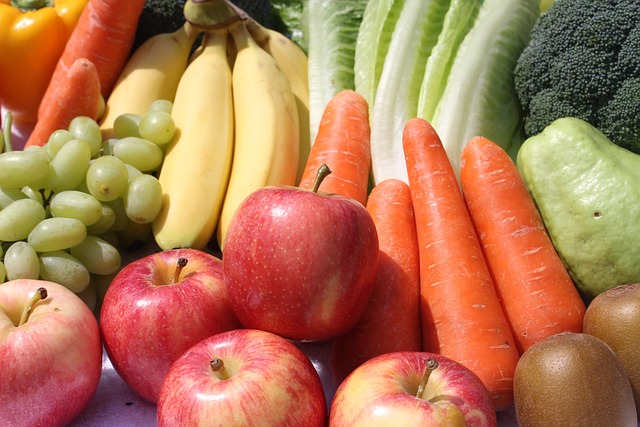
This study has brought attention to how mixing common food additives could raise type 2 diabetes risk more than previously assumed. Therefore, it seems important that we learn more about how these additives interact with each other inside ultra-processed food products. The best way to avoid additives is to choose whole foods when you go grocery shopping. It’s also important to maintain a healthy weight and stay active if you want to avoid developing type 2 diabetes. While this study has revealed a potential link between food additive combinations and type 2 diabetes development, more research is needed to confirm their long-term impact.
Read More: Type 2 Diabetes Reversal Is Possible — And It Can Happen Faster Than You Think