

Anchovies appear on more pizzas than almost any other topping in America, yet 56% of U.S. adults say they dislike or hate them – making them the single most rejected food in the country. That gap between how frequently a food shows up and how strongly people feel about it turns out to be a reliable pattern across many of the most hated foods in the U.S., not an anomaly.
A 2025 YouGov survey started by asking Americans in their own words which foods they despise, then used those responses to build a list of 40 foods with enough haters to be worth measuring. A second survey asked a fresh sample how they actually felt about each one. The poll ran across two surveys from July 24 to 27, 2025, reaching 2,239 U.S. adult citizens, with the sample stratified by gender, age, race, education, and geographic region to reflect the broader population.
The results are more interesting than a simple ranking. Gender, age, and geography each shape which foods Americans reject – and some of the most nutritionally dense foods on the planet land at the very top of the hate list. Even though the list was built by choosing foods many people said they disliked, 31 of the 40 foods on it are loved or liked by more people than hate or dislike them. Disliking a food, it turns out, requires being exposed to it enough to form an opinion – and that threshold alone determines a lot.
Here are 22 of the most hated foods in the U.S.A., according to the data.
1. Anchovies
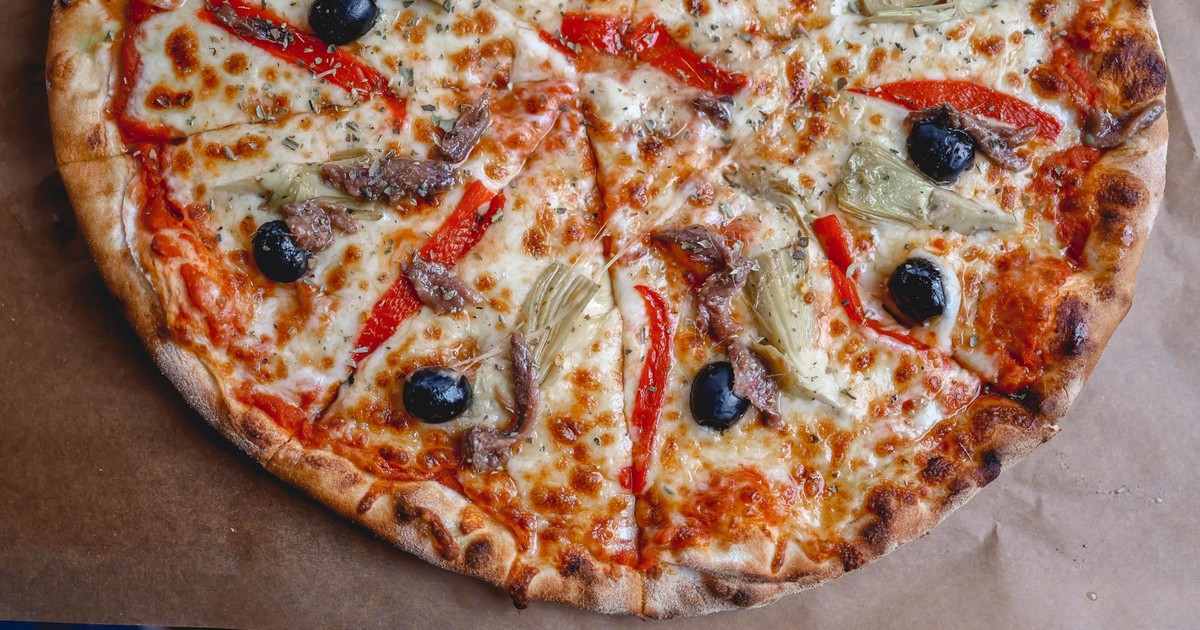
Anchovies top the list of most hated foods in America, with 56% of U.S. adults saying they dislike or hate them. They’re the single most widely rejected food in the country. The reason isn’t hard to understand. Anchovies are salt-cured and intensely concentrated; a small fillet delivers a briny punch that can overwhelm everything around it, particularly for people who didn’t grow up eating cured fish.
The nutritional irony is real. Omega-3 fatty acids are known for their anti-inflammatory and antioxidant properties, and anchovies deliver them in quantity. These fatty acids have demonstrated beneficial effects on triglyceride concentrations, blood pressure, inflammation, and immune function, as well as favorable alterations to endothelial function – the lining of blood vessels. Anchovies are also an excellent source of calcium and protein in a very small serving size. The flavor intensity that drives Americans away is precisely what makes them so useful in cooking – a single anchovy melted into olive oil can build depth into a pasta sauce without any discernible fishiness remaining. Chefs have used them this way for centuries. Most diners have no idea.
Women are more averse than men to several forms of seafood, including anchovies, sardines, squid, oysters, caviar, and sushi. Texture sensitivity and stronger olfactory responses may partly explain this, though the research on exactly why is still developing.
2. Liver

Forty percent of respondents said they hated liver outright, with another 15% saying they disliked it. Regionally, liver dominated the dislike charts across most of the country, ranking as the most disliked food in the West (42%), Midwest (44%), and Northeast (40%). The South is the one exception, where anchovies and sardines tied liver for the top spot. The flavor is genuinely challenging – metallic, dense, and aggressively mineral in a way that divides people sharply.
Despite its reputation, liver is one of the most nutritionally complete foods available. High levels of vitamin A, iron, vitamin B12, and folate make it among the more concentrated whole-food sources of nutrients many Americans run chronically low on. The catch is that liver should be consumed in moderation, since its very high vitamin A content can be problematic in excess. A small serving once a week is a reasonable approach for most healthy adults, though anyone with specific health conditions should check with their physician first.
3. Sardines
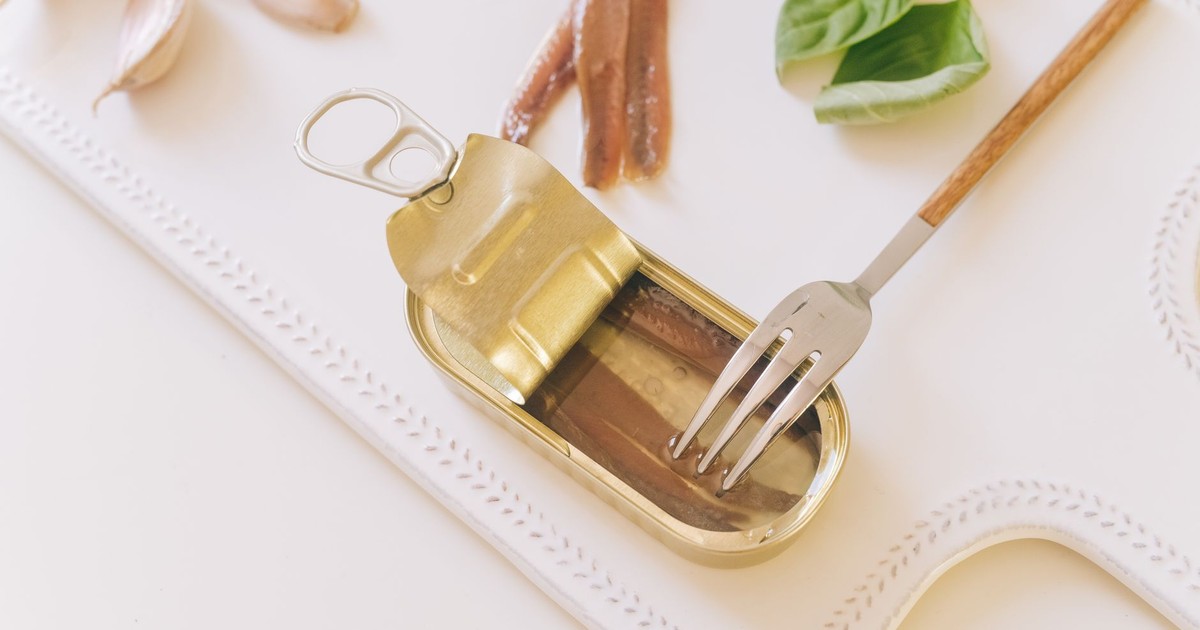
Sardines earned a spot among the most disliked foods, with 52% of adults expressing distaste. Their oily texture and robust aroma leave a lasting impression, making them a definitive love-or-hate item.
Like anchovies, sardines are consumed widely in Mediterranean cuisine and are a strong source of omega-3s, vitamin D, calcium (especially when the bones are eaten), and selenium. Cold-water varieties, including sardines, deliver high concentrations of EPA and DHA, the two omega-3 fatty acids with the most well-studied biological effects. The problem for American palates is usually that canned sardines in oil have an assertive smell that triggers rejection before the first bite is even taken.
Fresh sardines, grilled simply with lemon and herbs, taste very little like their canned counterparts. Across Portugal, Spain, and Greece, they’re among the most popular fish at an outdoor grill. For Americans willing to try them in that form, the conversion rate is reportedly much higher.
4. Tofu
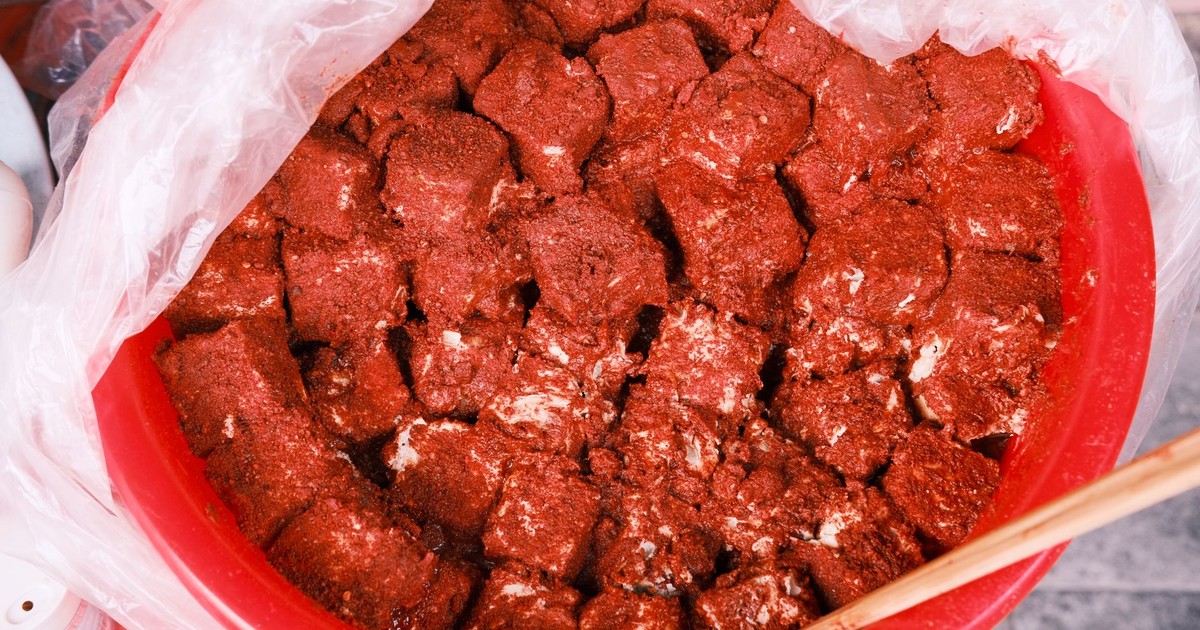
Tofu is detested by 46% of Americans, with the dislike consistent across genders, affecting 45% of men and 47% of women. What drives the rejection isn’t flavor – plain tofu has almost none – but texture. The soft, yielding quality of silken or regular tofu triggers a visceral response in many people who find it unpleasant.
Among Americans aged 45 to 64, 60% report disliking tofu, with over-65s showing similar contempt at 53%. Only about a third of Gen Zers dislike it, while nearly half say they like or love it. That generational shift likely reflects both increased exposure to Asian cuisines and a broader cultural shift toward plant-based eating among younger Americans.
The partisan divide on tofu is striking: 36% of Democrats reported hating it, compared to 41% of independents and 62% of Republicans. Food aversion and political identity appear to be more entangled than most people would assume.
5. Squid

Squid is disliked or hated by 44% of Americans. The primary complaint is texture. Squid can be either very tender or aggressively chewy, depending on how it’s cooked – overcooked squid becomes rubbery in a matter of seconds, and that experience, once had, tends to stick. Many Americans who say they hate squid have almost certainly had badly prepared calamari.
Squid is also one of the leaner seafood options available, with a solid protein profile and very low fat content. It’s a staple in Spanish, Italian, Japanese, and Greek cuisines, where cooking techniques are carefully managed to keep the flesh tender. Getting the preparation right is largely a matter of either cooking very quickly at high heat or very slowly at low heat – anything in between produces the rubbery result most Americans associate with it.
6. Caviar
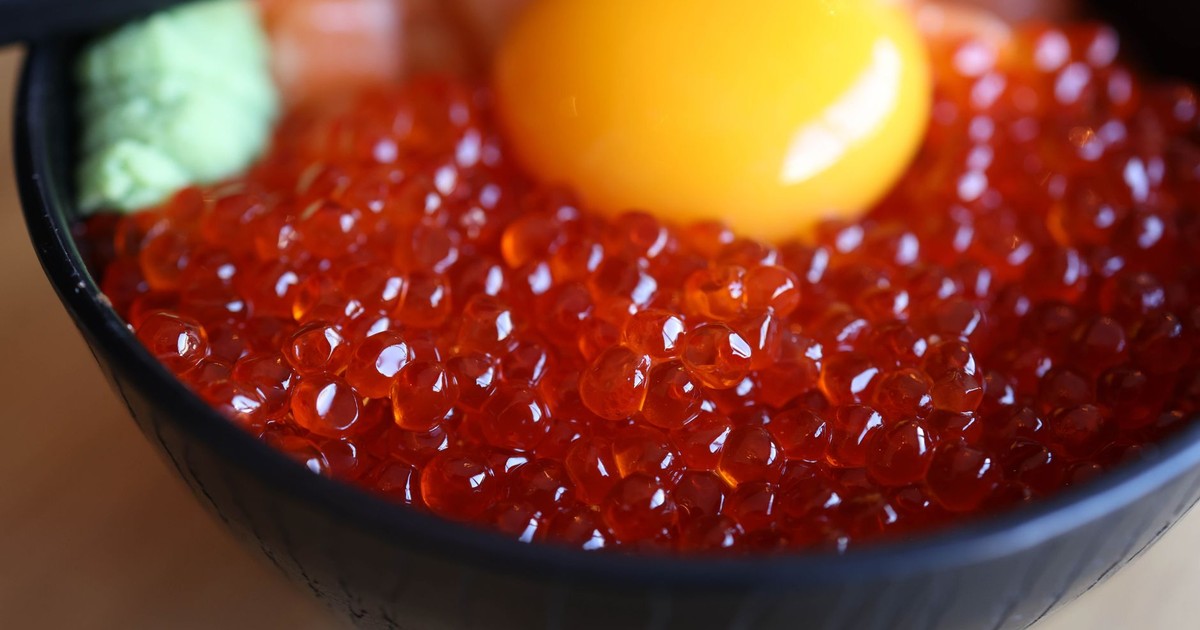
Caviar is disliked by 43% of Americans. About one-quarter of respondents said they were unsure how they felt about it, suggesting that a significant portion of the American population has simply never eaten it. Caviar is expensive, niche, and largely absent from everyday menus – which means “dislike” and “unfamiliarity” are probably being conflated in the data.
For those who have tried it, the saltiness and briny pop of fish roe can be overwhelming. Genuine beluga or osetra caviar is typically served in very small amounts on blinis or toast, where its intensity is balanced by bland, starchy carriers. The luxury positioning also creates an expectation problem – people often try caviar for the first time expecting something transcendent and find instead a very salty fish product that requires an acquired palate.
7. Oysters
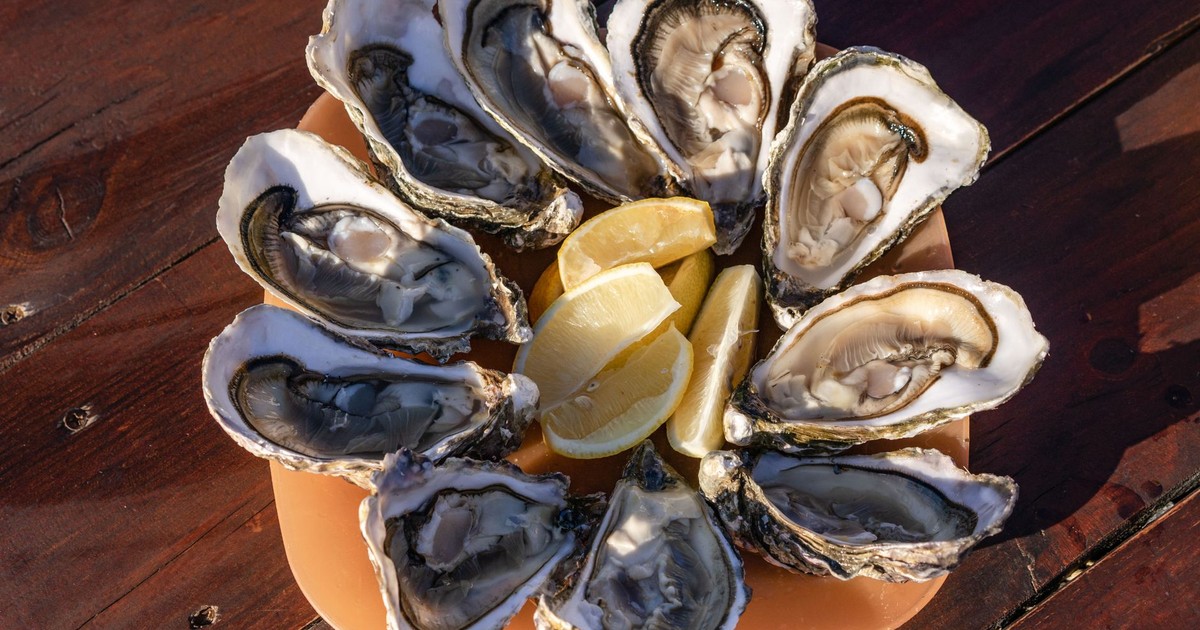
Oysters are disliked by 42% of Americans. Their slippery texture and briny flavor prompt hesitation among many adults who encounter them. Raw oysters in particular require a commitment that many diners aren’t willing to make – swallowing something living, cold, and salt-wet without chewing is a sensory experience that the American palate hasn’t traditionally been trained toward.
Oysters are one of the most nutrient-dense foods available. According to the NIH, zinc plays a role in enhancing immune function, protein and DNA synthesis, wound healing, and cell signaling and division, and oysters contain particularly high amounts of it. Cooked preparations – roasted, grilled, or fried – dramatically reduce the textural barrier and convert many oyster skeptics.
8. Blue Cheese
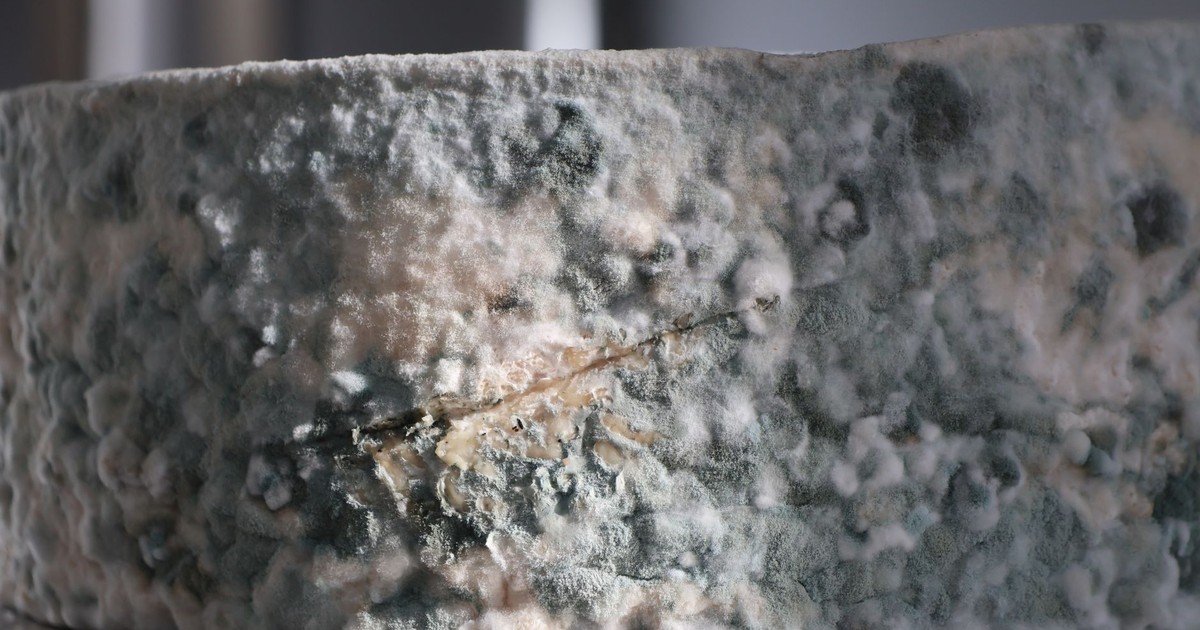
Blue cheese is the only dairy item included in the poll, and it’s disliked by 39% of Americans. The sharp, pungent flavor of aged blue-veined cheeses like Gorgonzola, Roquefort, and Stilton comes from Penicillium mold cultures introduced during aging. For uninitiated palates, the combination of sharpness, earthiness, and funky aromatic compounds is simply too much.
Blue cheese also tends to be misapplied – used in overdressed salads and heavy dips where its intensity has nowhere to go. Paired thoughtfully with honey, pears, walnuts, or a bold red wine, many of its harshest qualities soften. The same flavor compounds that make blue cheese repellent to some are what make it almost narcotically appealing to others – a real-world illustration of how genetic variation in taste receptor sensitivity shapes what people enjoy.
If you suspect your dislike of blue cheese is based on one bad experience with a cheap dressing, a small piece of genuine Roquefort at room temperature with a thin slice of pear is worth trying before writing it off permanently.
9. Sushi
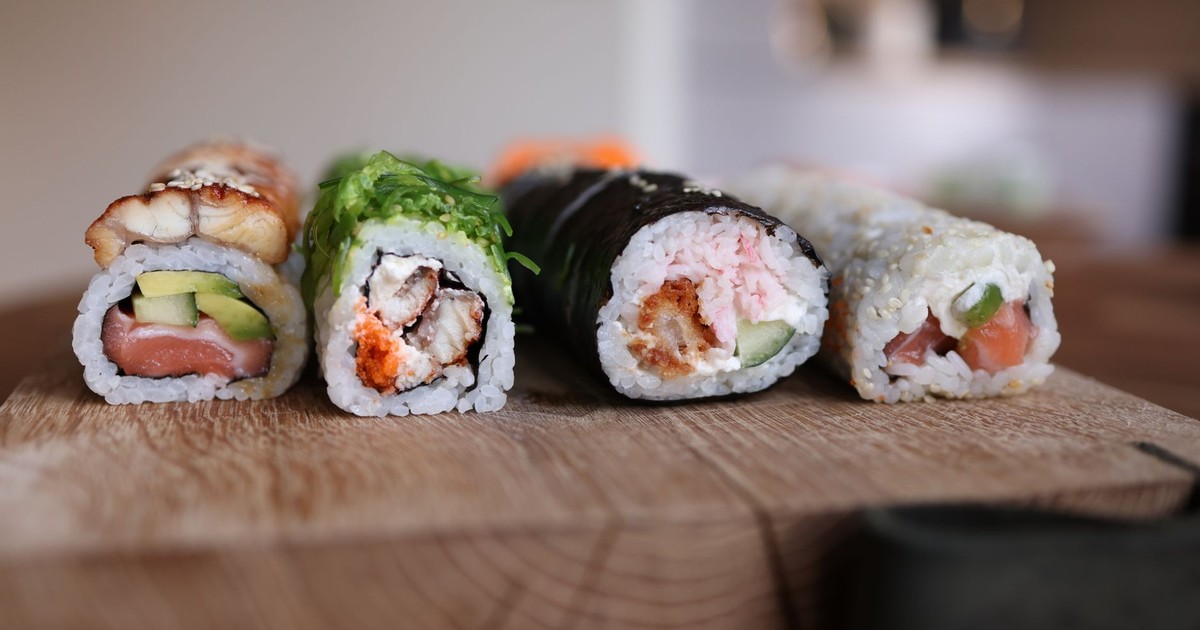
Sushi is disliked by 39% of Americans, which might surprise anyone who’s watched it go from exotic novelty to mainstream American staple over the past three decades. Americans 45 and older are more likely than younger adults to have an aversion to sushi, reflecting generational exposure patterns – sushi didn’t begin appearing widely on American menus until the 1980s and 1990s, and many older adults simply never developed a taste for it.
The “raw fish” reputation is part of what holds sushi back, though many popular American sushi rolls contain fully cooked ingredients – tempura shrimp, crab, avocado. The dislike is often based on a concept rather than a taste, which makes it different from the more visceral rejections of anchovies or liver. Notably, 23% of Americans say they love sushi, the highest “love” rating of any food mentioned in the survey.
10. Chitterlings
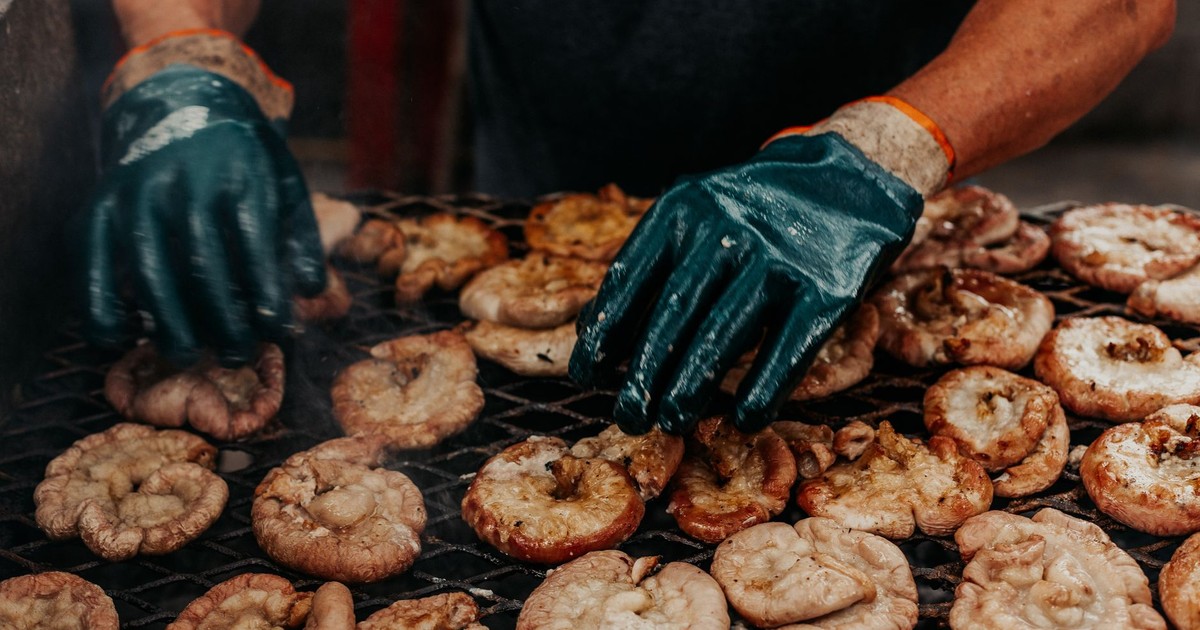
Chitterlings are disliked by 38% of Americans. Slow-cooked pig intestines, a traditional dish particularly popular in the American South, carry a notoriously pungent smell during cooking, and for those unfamiliar with the dish, it’s a significant barrier before the food even reaches the table.
Chitterlings have deep cultural roots in Southern Black American cooking, dating back to the tradition of using every part of a slaughtered animal when resources were scarce. They had some of the highest “neutral” and “unsure” ratings in the survey, meaning large portions of the population either haven’t tried them or don’t have strong feelings about them. The dislike numbers may therefore overstate actual rejection – plenty of those 38% may simply have never tasted them properly prepared with the seasonings and slow cook time the dish requires.
11. Beets
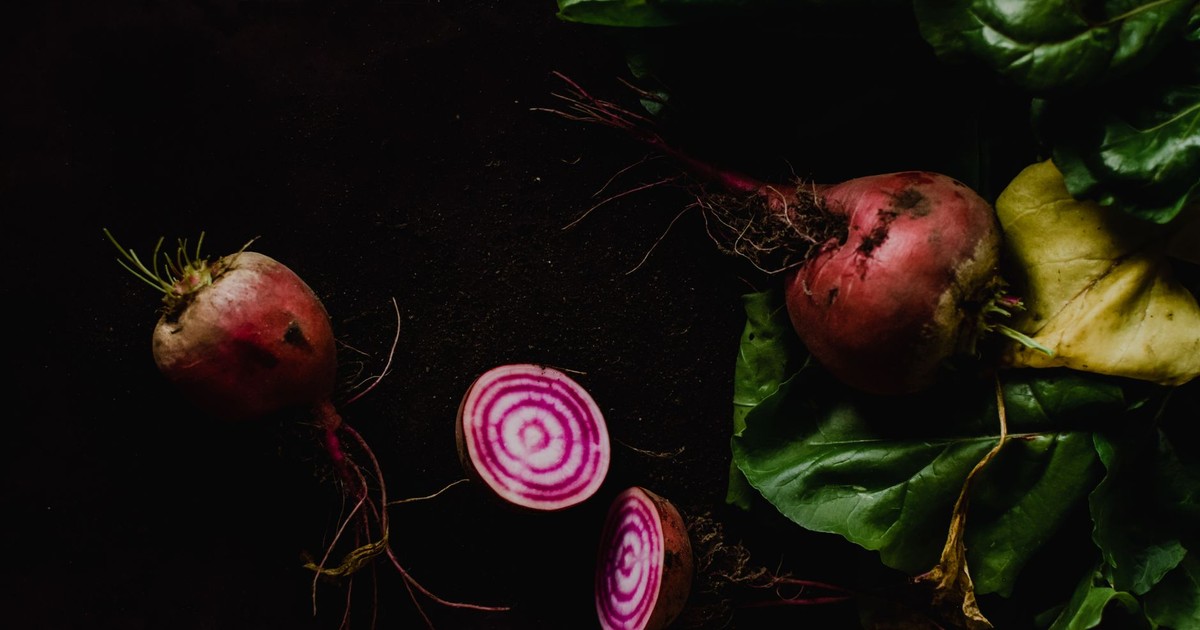
Beets were disliked by 35% of Americans, often due to their strong natural flavor. The culprit is a compound called geosmin – the same chemical that makes soil smell after rain. Beets are one of the most geosmin-rich foods people eat regularly, and roughly 15 to 25% of the population is genetically sensitive enough to geosmin to find beets strongly off-putting.
Roasting beets significantly reduces geosmin concentration compared to boiling, and pairing them with acidic elements like vinegar or citrus helps balance the earthiness. Beets are also a rich source of nitrates, which the body converts to nitric oxide – a compound that supports blood pressure regulation and athletic endurance. A 2024 meta-analysis published in Nutrition, Metabolism and Cardiovascular Diseases found that beetroot juice lowers clinical systolic blood pressure, with a significant effect observed up to 90 days of intervention. That’s why beet juice has become popular among endurance athletes.
12. Kale
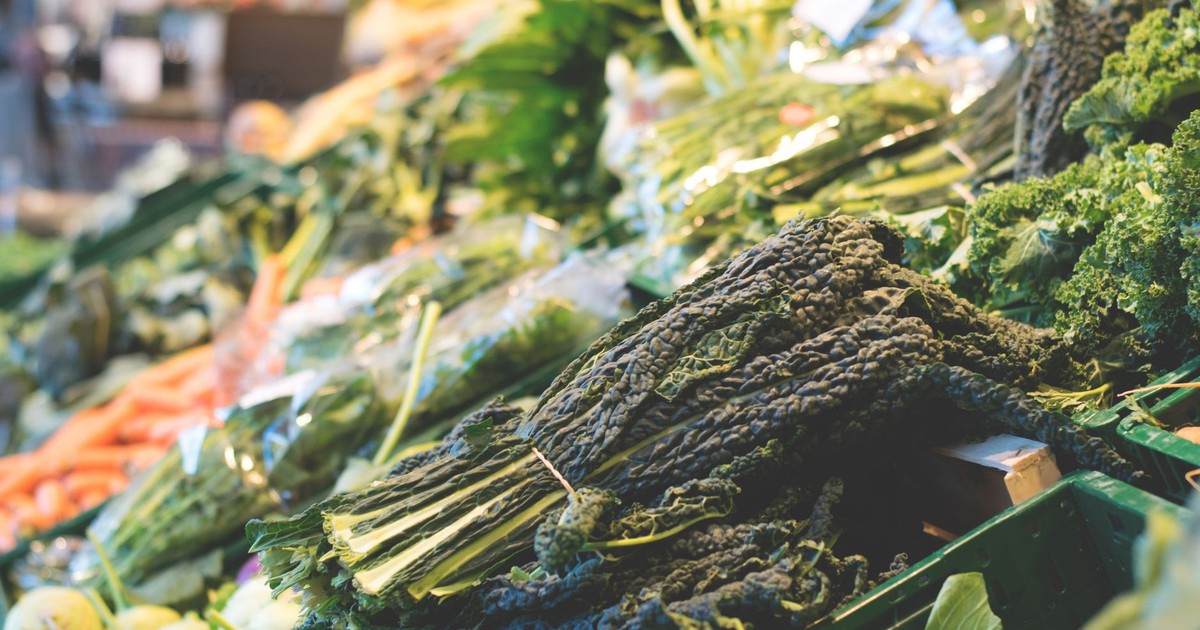
Kale is disliked by 31% of Americans, despite a decade of wellness marketing that positioned it as the defining vegetable of healthy eating. The bitterness comes from compounds called glucosinolates, which are also present in broccoli, Brussels sprouts, and cabbage. People who are supertasters – those with a higher density of taste buds – perceive glucosinolates as much more intensely bitter than average, and for them, raw kale in particular can be nearly inedible.
Kale leads the pack in neutral reactions at 31% – suggesting that many people simply haven’t formed a strong opinion. Massaging raw kale with a little salt and olive oil breaks down its cellular structure, significantly reducing bitterness. It’s a preparation step most people making kale salads at home skip.
13. Okra
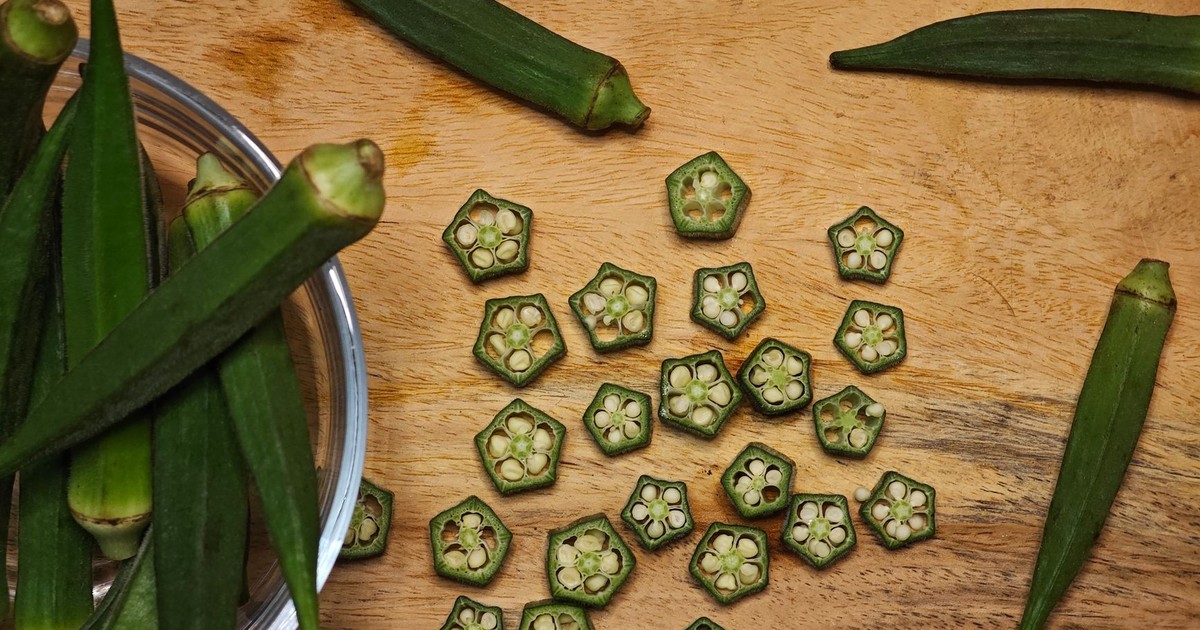
Okra is disliked by 29% of Americans, with the primary complaint centering on its mucilaginous (slimy, gel-like) texture when cooked in liquid. Okra contains soluble fiber called pectin that releases a thick, sticky coating during cooking – a property that’s actually prized in Louisiana gumbo, where it acts as a natural thickener, but considered deeply unpleasant by people encountering it unprepared.
High-heat dry cooking – roasting or frying – eliminates the sliminess almost entirely. Fried okra is a Southern staple that converts most okra skeptics on the first try. From a nutritional standpoint, okra is a strong source of folate, vitamin K, and soluble fiber that supports gut health and helps stabilize blood glucose levels after meals.
14. Brussels Sprouts
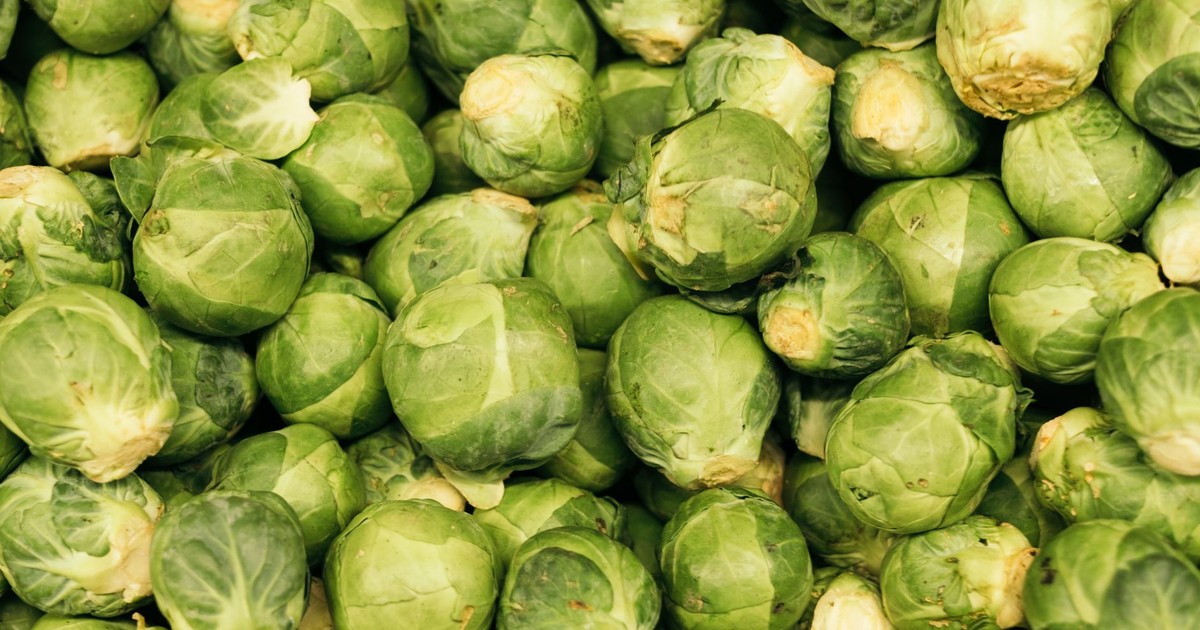
Brussels sprouts are disliked by 29% of Americans. That figure almost certainly reflects a generation raised on overboiled versions. Brussels sprouts contain sulfur compounds that, when broken down by prolonged wet heat, release hydrogen sulfide – the same compound responsible for the smell of rotten eggs. Boiled Brussels sprouts actively taste worse the longer they’re cooked.
Men are more likely than women to dislike vegetables, including Brussels sprouts, cauliflower, spinach, and broccoli. Roasted Brussels sprouts, cooked at high heat until the outer leaves are caramelized and slightly crisp, taste dramatically different from their boiled counterparts. The sulfur compounds don’t have time to fully develop, and the caramelization creates a nutty sweetness. Many adults who grew up hating them have changed their minds after encountering them roasted.
15. Eggplant
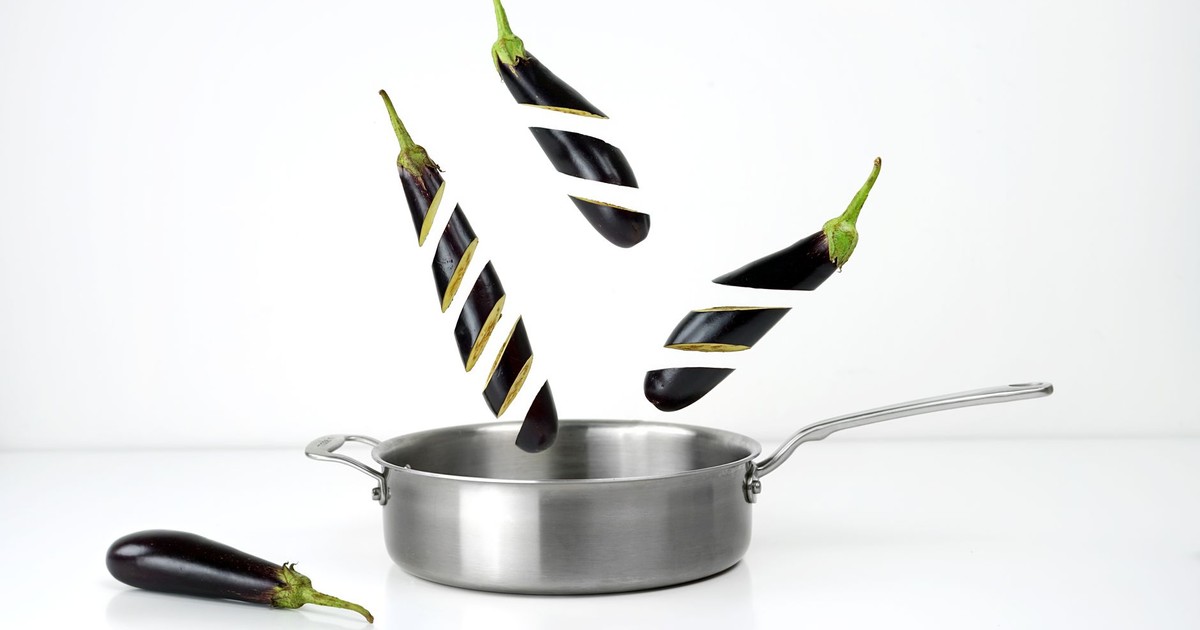
Eggplant is disliked by 28% of Americans. Its texture when undercooked is spongy in a way that many people find unpleasant, and when overcooked it can become mushy. Eggplant also absorbs oil aggressively during cooking, which means poorly prepared versions can be heavy and greasy. Add in a slight natural bitterness – particularly in older or larger eggplants – and the case against it builds quickly.
The fix is usually proper preparation. Salting eggplant before cooking and letting it drain for 30 minutes draws out moisture and reduces bitterness. Charring it directly over a flame, as done in Middle Eastern baba ganoush, creates a complex smoky sweetness that converts many skeptics. Eggplant is also a solid source of fiber, manganese, and anthocyanins – the same antioxidant compounds found in blueberries.
16. Olives
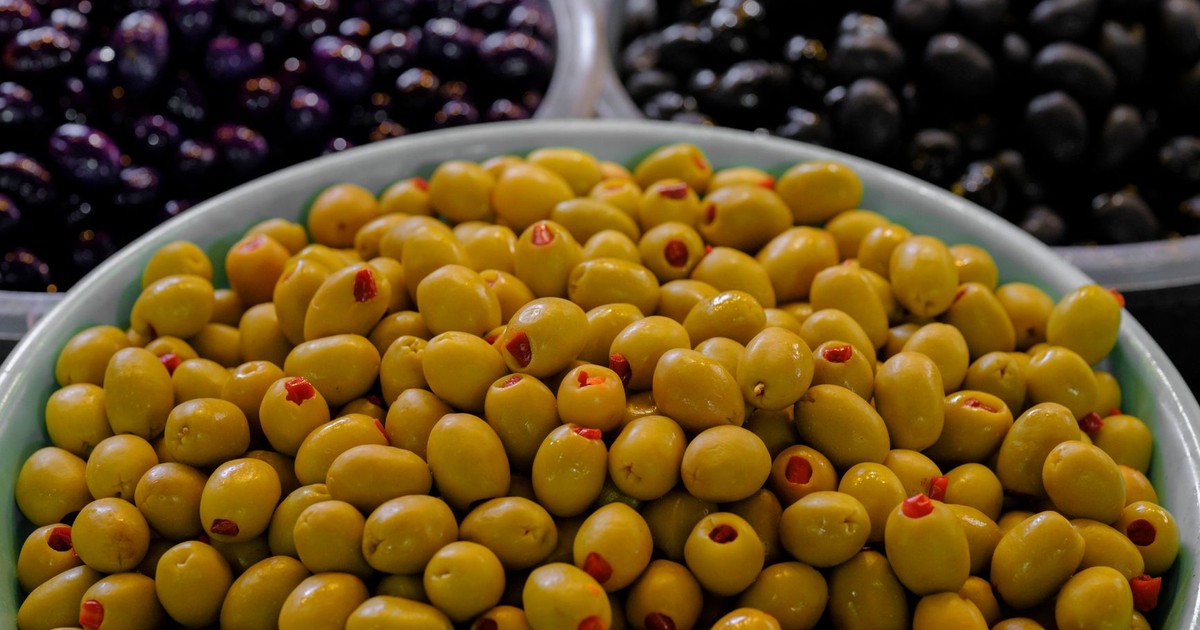
Olives are disliked by 27% of Americans. The rejection is largely driven by their intense brininess and the slightly bitter finish that comes from the phenolic compounds naturally present in olive flesh. Raw olives straight from the tree are genuinely inedible – they require curing in brine, lye, or salt over weeks to become palatable, and the residual bitterness of that process remains in the finished product.
Adults under 45 are significantly more likely than older adults to dislike or hate several common condiments, including mustard, mayonnaise, pickles, and olives. This younger aversion may reflect less developed tolerance for bitter flavors, or simply different culinary exposure. Olives are rich in oleic acid – the primary fat in olive oil – along with vitamin E and polyphenols linked to cardiovascular protection.
17. Mustard

Mustard sits among the most hated foods for Americans under 45, who are significantly more likely than older adults to dislike or hate common condiments, including mustard. The sharp, acrid heat of prepared mustard comes from sinigrin and glucosinolate compounds that release isothiocyanates when the seed is ground and mixed with liquid. For people with heightened bitterness sensitivity, that combination registers as harsh and unpleasant rather than piquant.
Yellow mustard’s association with ballpark hot dogs and fast food has also made it feel low-prestige to a generation that grew up with broader condiment options. Dijon, whole-grain, and honey mustard varieties have far more fans, suggesting that the aversion is often to a specific preparation rather than to mustard categorically.
18. Mayonnaise
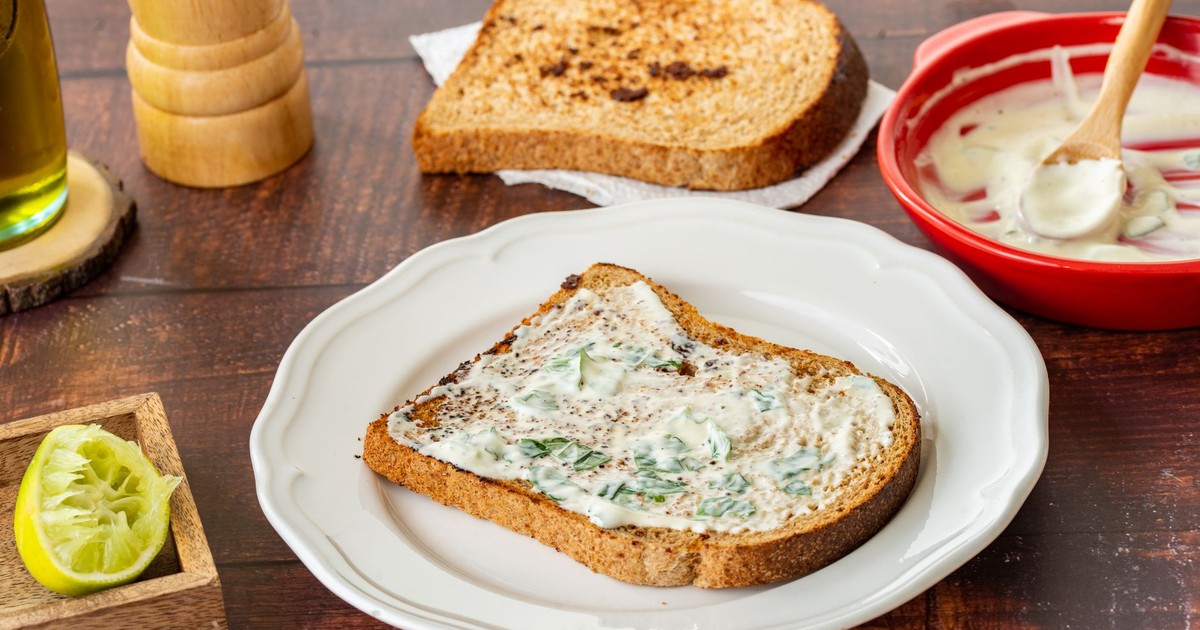
Adults under 45 are significantly more likely than older adults to dislike or hate common condiments including mayonnaise. The rejection tends to be visceral – mayo’s thick, white, fatty creaminess triggers a strong texture response in people who dislike it, and the egg-and-oil combination reads as heavy and cloying.
The irony is that mayonnaise is essentially just emulsified oil and egg yolk – the same base as aioli, which is considered sophisticated. Upscale restaurants serve aioli without apology. The stigma appears to be attached to the jarred product more than the ingredient itself. From a culinary standpoint, good quality mayonnaise is one of the most versatile emulsifiers in a kitchen, forming the backbone of dozens of sauces and dressings.
19. Pickles
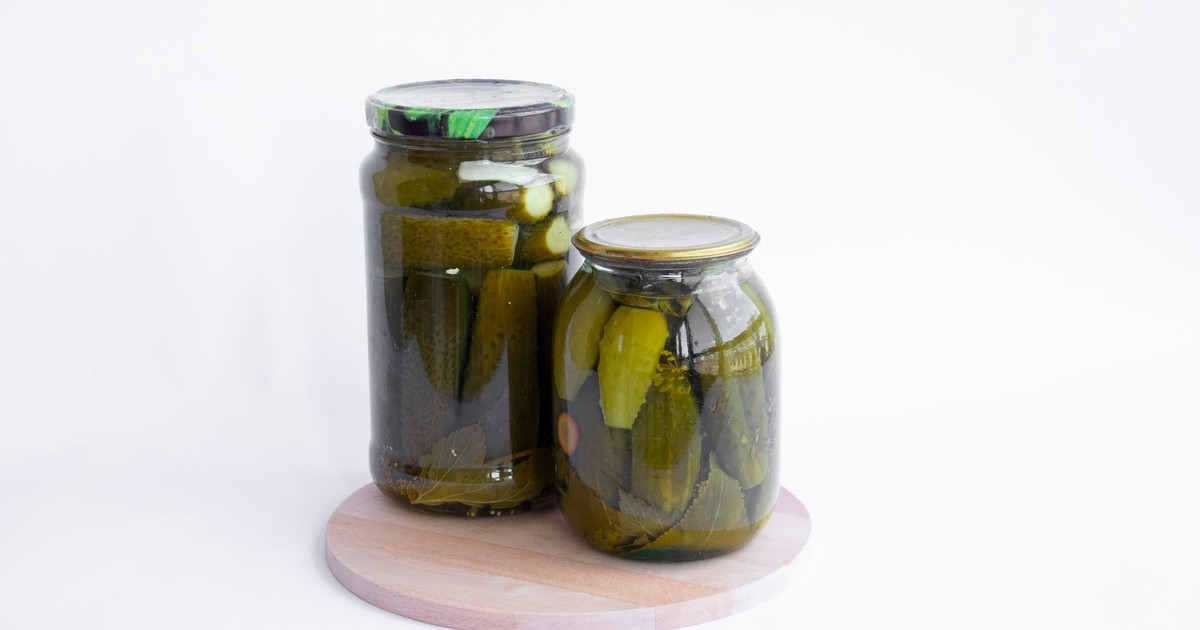
Adults under 45 are significantly more likely than older adults to dislike or hate pickles, alongside other condiments. The sharp acidity and briny flavor of dill pickles can be polarizing, particularly for people who haven’t developed a taste for fermented or acidified foods. The snap and sourness that pickle lovers find satisfying registers as harsh to those who dislike them.
Naturally fermented pickles – made with salt and water rather than vinegar – contain live probiotic bacteria that support gut microbiome health. Most supermarket pickles are vinegar-brined and don’t offer the same probiotic benefit. If you want the gut-health upside without the harsh vinegar snap, traditionally fermented versions, which are widely available at natural food retailers, are a meaningfully different product.
20. Pork
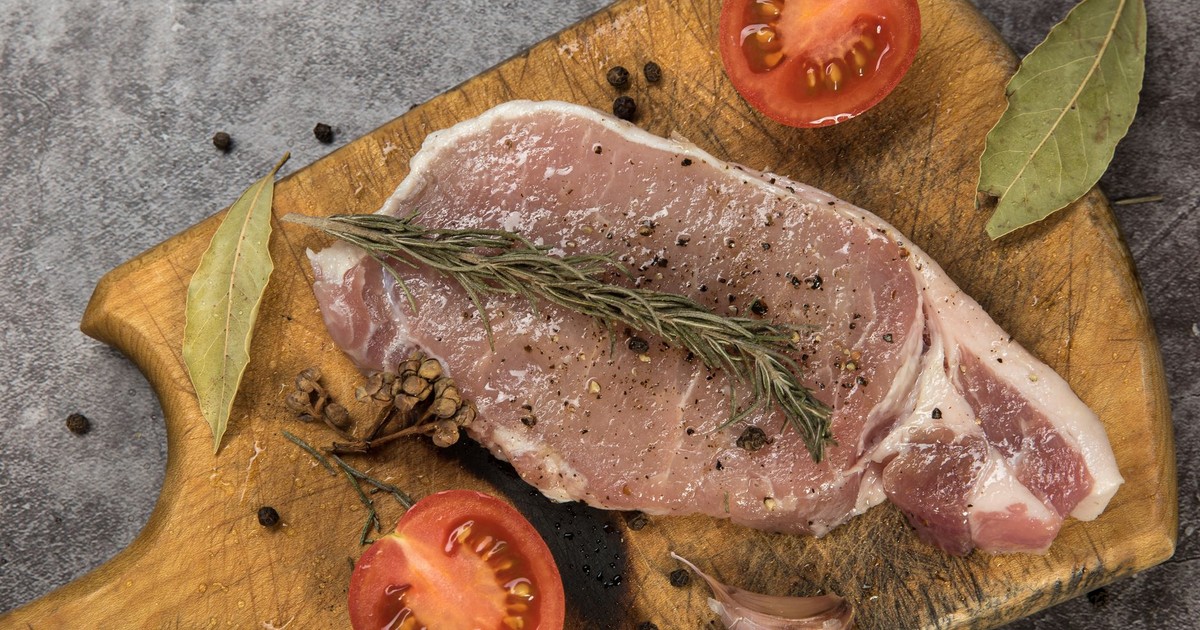
Women are more likely than men to hate or dislike several protein-rich foods, including pork. Pork’s reputation in America is complicated by its association with processed forms – bacon, sausage, hot dogs – that are nutritionally distinct from fresh cuts. The smell of cooking pork fat can be off-putting for people who are sensitive to it, and there are religious and cultural abstentions that reduce exposure in parts of the population.
Fresh pork loin and tenderloin are among the leaner proteins available, comparable to chicken breast in fat content. The fear of undercooked pork driving foodborne illness has also diminished significantly – the USDA revised its safe cooking temperature for whole cuts of pork to 145°F (62.8°C), recognizing that a slightly pink interior is both safe and produces far better-tasting meat.
21. Cauliflower
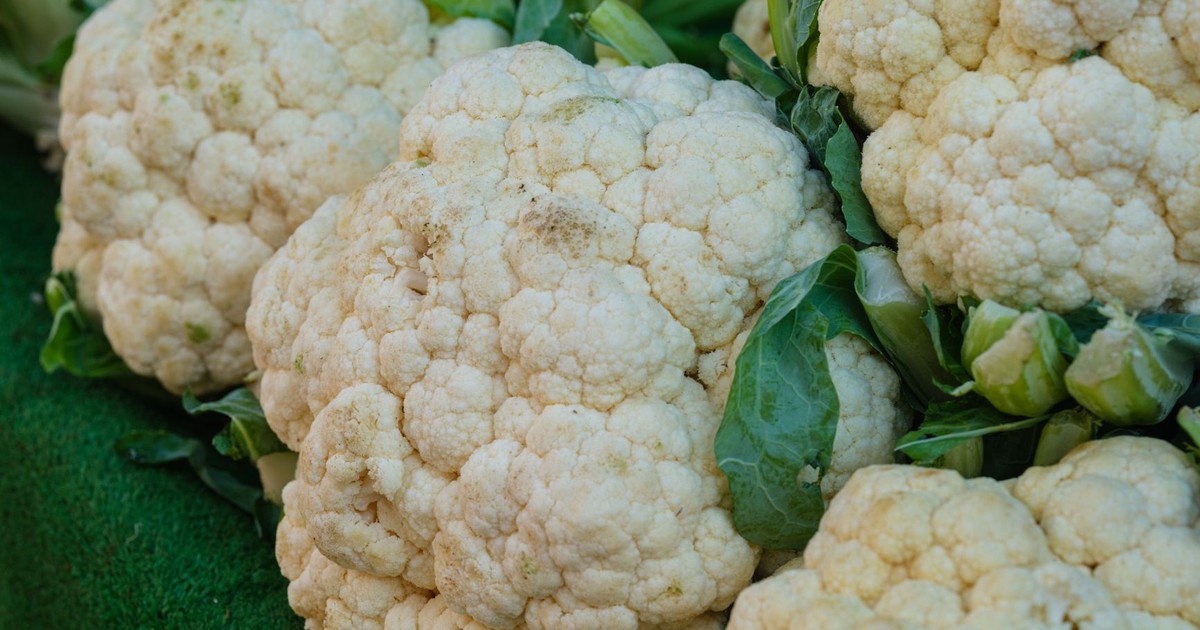
Men are more likely to dislike vegetables, including cauliflower. Raw cauliflower has a sulfurous sharpness that many people find unpleasant, and like Brussels sprouts, it contains glucosinolates that become more pungent when cooked in water. Cauliflower also produces methyl mercaptan during cooking – a volatile compound that contributes to its characteristic smell.
The cauliflower renaissance of the past decade, driven by its use as a low-carbohydrate rice and pizza crust substitute, has improved its reputation considerably among health-conscious eaters. Roasting it until the edges are well-browned transforms its flavor profile almost entirely – the bitter edge softens, the sweetness from caramelization comes forward, and the texture becomes dense and satisfying.
22. Spinach
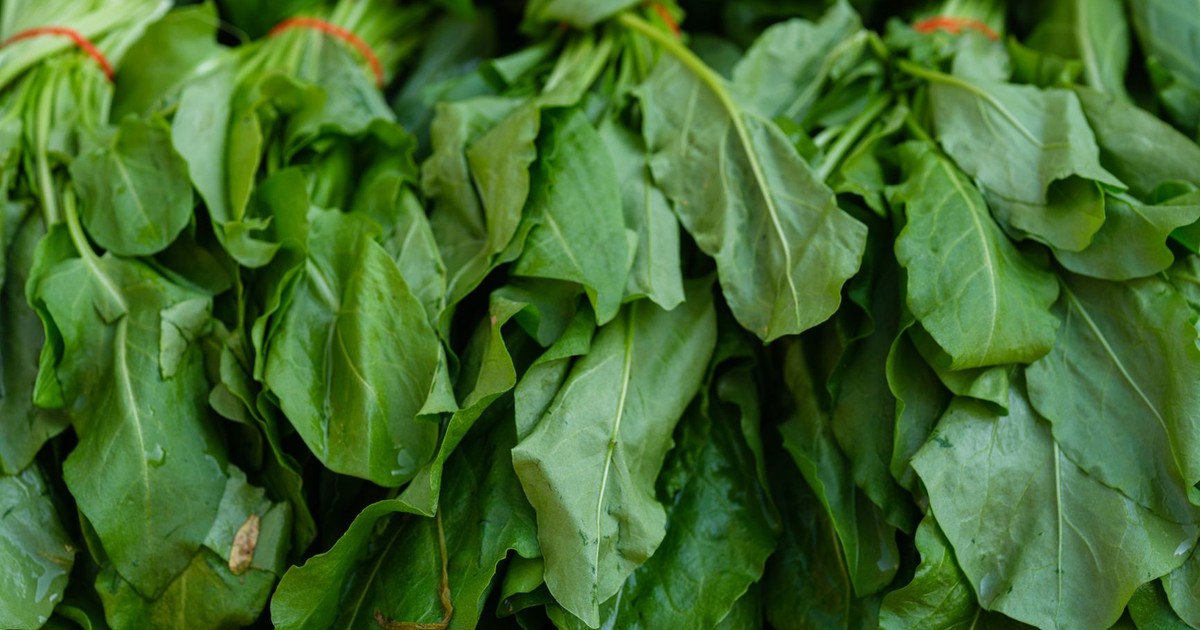
Men are more likely than women to dislike spinach, alongside Brussels sprouts, cauliflower, and broccoli. Cooked spinach has a texture that many people find slimy or stringy, and it contains oxalic acid – a naturally occurring compound that creates a chalky, slightly astringent aftertaste. Oxalic acid also binds to calcium and iron in the gut, reducing how much of those nutrients are absorbed, which means raw spinach actually delivers better mineral bioavailability than cooked.
Fresh spinach in salads is a different experience from wilted spinach in pasta or frozen spinach from a block. For people who say they hate spinach, the version they dislike is almost always the cooked one. A light sauté with garlic and olive oil for no more than 90 seconds, stopping while the leaves still have some body, preserves both the flavor and nutritional value far better than longer cooking.
Read More: 31 Foods You Should Avoid Eating, According to Experts
What This Means for Your Plate
The foods Americans reject most share a few common threads: strong smells, unfamiliar or challenging textures, intense flavors, and limited childhood exposure. The survey data suggests that many foods become “hated” only after enough people try them – foods that rarely appear on menus or grocery shelves draw fewer opinions overall. A food needs broad distribution before it accumulates enough detractors to rank.
The health angle cuts in two directions. Several of the most hated foods in America – anchovies, sardines, liver, oysters – are among the most nutritionally dense foods a person can eat. Eggs, meanwhile, have the fewest detractors of all 40 foods in the poll, with only 6% of Americans saying they hate or dislike them – and they happen to be one of the most complete and affordable protein sources available.
If one theme runs through this list, it’s that the most hated foods are frequently also the most misunderstood ones. Most of the items here taste dramatically different when properly prepared, which means a bad first encounter can set a dislike that outlasts any good reason for it. A rubbery calamari at age 12, a boiled-to-gray Brussels sprout at Thanksgiving – these small early experiences carry more weight than most people realize. Most of the most hated foods in the U.S.A. are worth trying again, prepared differently.
Disclaimer: This information is not intended to be a substitute for professional medical advice, diagnosis, or treatment and is for information only. Always seek the advice of your physician or another qualified health provider with any questions about your medical condition and/or current medication. Do not disregard professional medical advice or delay seeking advice or treatment because of something you have read here.
AI Disclaimer: This article was created with the assistance of AI tools and reviewed by a human editor.
Read More: 30+ of The Most Unhealthy Snacks You Should Avoid