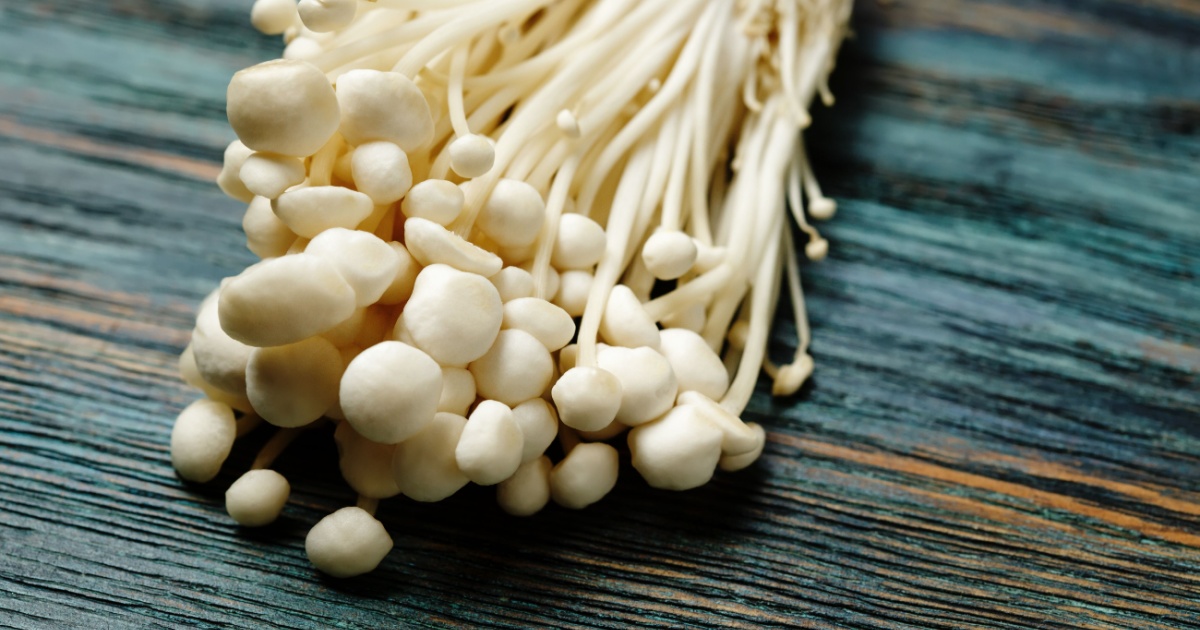

People with dementia have measurably lower blood levels of a specific amino acid than cognitively healthy people of the same age. That gap isn’t small or ambiguous. In a decade-long study tracking over 1,300 older adults, the people with the highest blood concentrations of this compound were consistently the least likely to develop Alzheimer’s disease. The compound is called ergothioneine, and you’ve almost certainly eaten it without knowing it. It’s found almost exclusively in mushrooms.
That connection, between a mushroom compound and dementia risk, has quietly become one of the more compelling stories in brain health research. It’s not about magic or folklore. It’s about a specific molecule, a specific biological mechanism, and a growing stack of human evidence that’s been building for several years now.
Ergothioneine isn’t a vitamin in the traditional sense, but the body treats it like one. Its absorption is controlled by a highly specific transporter called OCTN1, which actively pulls ergothioneine into cells and tissues. The body has no backup route for making it internally – dietary intake is essential for maintaining its presence in the body, and low blood levels are directly correlated with cognitive decline and dementia.
The Mushroom Compound Dementia Connection: What the Evidence Actually Shows
The Hisayama Study, a prospective longitudinal analysis of 1,344 Japanese adults aged 65 and over, followed participants for a median of 11.2 years between 2012 and 2023. During follow-up, 273 participants developed dementia – 201 with Alzheimer’s disease and 72 with other forms. Dementia risk decreased progressively as serum ergothioneine levels rose across quartiles, and those associations held even after adjusting for cardiovascular risk factors, lifestyle habits, and daily vegetable intake. The researchers concluded that higher serum ergothioneine levels were associated with a lower risk of all-cause dementia, Alzheimer’s disease, and non-Alzheimer’s dementia.
This wasn’t a short-term snapshot. Eleven years of follow-up, in a real community, controlling for the obvious confounders, produced a consistent result. Since ergothioneine cannot be synthesized in the human body, the researchers noted that a diet rich in ergothioneine may be beneficial in reducing the risk of dementia.
That conclusion is reinforced by earlier clinical data. A year-long clinical trial evaluated erinacine A-enriched lion’s mane mycelia in approximately 49 adults with mild Alzheimer’s disease. Participants received three 350mg capsules daily, totaling 1,050mg per day of the enriched product. According to a 2024 Alzheimer’s Drug Discovery Foundation review, that 49-week double-blind randomized controlled trial found that treatment significantly improved activities of daily living in mild Alzheimer’s patients. A separate 2022 study in Antioxidants found that lower plasma ergothioneine levels predicted both poorer baseline cognitive performance and faster rates of functional decline in elderly individuals attending memory clinics.
Why This Compound Works Differently From Other Antioxidants
Most antioxidants are opportunistic – they neutralize free radicals (unstable molecules that damage cells) when they happen to be present. Ergothioneine operates more strategically. Research shows it exerts neuroprotective effects through multiple mechanisms: scavenging reactive oxygen species, suppressing neuroinflammatory signaling molecules including TNF-α, IL-1β, and IL-6, activating internal antioxidant defense pathways via Nrf2, and preserving the integrity of mitochondria – the energy-generating structures inside every brain cell.
According to a 2025 review in the Proceedings of the Nutrition Society, mechanistic studies confirm that ergothioneine acts through this multi-pathway approach – mitigating oxidative stress, reducing neuroinflammation, and protecting mitochondrial function simultaneously. That combination matters because Alzheimer’s disease involves all three of those processes.
The body has also evolved a dedicated transport system for ergothioneine, which hints at its biological importance. The OCTN1 transporter carries ergothioneine roughly 100 times more efficiently than other compounds it handles, according to the National Federation of Professional Trainers. The body appears to prioritize absorbing and retaining this compound in a way it doesn’t with most other dietary molecules.
Lion’s Mane: The Second Mechanism Worth Understanding
Ergothioneine gets most of the attention in dementia research, but lion’s mane mushroom works through an entirely different pathway that’s arguably just as important. Animal studies have shown that lion’s mane can enhance cognitive function due to its bioactive compounds, including erinacines and hericenones. What those compounds do, specifically, is stimulate the production of nerve growth factor, or NGF – a protein that the brain needs to maintain and repair neurons.
According to a 2023 review in the International Journal of Molecular Sciences, Hericium erinaceus induces NGF synthesis, inhibits the cytotoxic effects of amyloid beta (the protein that accumulates in Alzheimer’s plaques), and protects nerve cells from oxidative stress. A 2008 study in PubMed found that lion’s mane extract was the only one among four tested mushroom extracts to promote NGF gene expression in a concentration-dependent manner – meaning the more you gave, the more NGF the cells produced.
In Alzheimer’s mouse models, treatment with lion’s mane mycelium or its ethanol extract reduced amyloid plaque formation, improved behavior, increased neurogenesis, and reduced neuroinflammation markers. These are preclinical results, but the mechanisms they reveal have informed how human trials have been designed.
In the 16-week human trial published in Nutrients in 2023, researchers observed improvements in mild cognitive impairment scores in adults aged 50 to 80 at weeks 8, 12, and 16 of supplementation. The improvements reversed after a four-week washout period, which is actually important information – it suggests the effect is real and tied to ongoing intake rather than a lasting structural change from a short course.
How Much Ergothioneine Are You Actually Getting From Food?
Mushrooms are rich in ergothioneine and other components with antioxidant and anti-inflammatory properties, and dietary intake is the only way to get it. Among all dietary sources, mushrooms account for approximately 95% of total ergothioneine intake. Not all mushrooms are equal on this front, though.
A 3-ounce serving of shiitake, oyster, king oyster, or maitake mushrooms can contain up to 13mg of ergothioneine, according to the National Federation of Professional Trainers’ nutrition research. Common white button mushrooms contain substantially less. Porcini, which aren’t eaten daily by most Americans, have among the highest concentrations of any edible variety.
The practical gap between what most people eat and what studies suggest is meaningful is real. Blood levels of ergothioneine have been shown to be low in patients with mild cognitive impairment and dementia, and many Western adults rarely eat mushrooms at all. Epidemiological data from multiple studies have linked higher mushroom consumption with better cognitive performance across word recall, executive function, and prospective memory, as well as with lower risk of incident dementia.
Researchers at the National University of Singapore found that seniors who consumed more than two standard portions of mushrooms weekly had 50% reduced odds of mild cognitive impairment, a finding reported via a 2019 NUS study published in the Journal of Alzheimer’s Disease that held after controlling for age, gender, education, smoking, alcohol, hypertension, diabetes, and cardiovascular conditions.
For people who don’t eat mushrooms regularly, supplementation has shown measurable results. A 2025 randomized controlled trial found that plasma ergothioneine increased approximately 3-fold at week 4 and 6-fold at week 16 with a 10mg daily dose, and approximately 6-fold at week 4 and 16-fold at week 16 with a 25mg daily dose – confirming that supplemental forms are bioavailable and absorbed efficiently.
You can also read more about how lion’s mane supports nerve regeneration and cognitive performance and what the latest research says about adding it to your routine.
The Limits of What We Know
The research on mushroom compounds and brain health is genuinely promising, but it isn’t finished. Results from existing trials have been mixed: a 16-week lion’s mane protocol modestly improved cognition in MCI patients but reversed after washout, a 49-week Alzheimer’s trial showed improvement in daily living, yet higher doses in healthy adults and a 436-participant Australian trial showed no benefit. Differences in mushroom species, cultivation methods, dosing, and trial duration make it difficult to generalize across studies.
Human evidence for a definitive neuroprotective effect of ergothioneine remains limited. That’s not a dismissal – it’s the honest state of the science. The observational data is compelling, the mechanisms are well understood at the cellular level, and the safety profile is favorable. What’s still missing are large, long-duration, placebo-controlled randomized trials in humans that isolate ergothioneine’s specific effect.
One such trial is now underway: a 600-participant protocol published in Frontiers in Aging Neuroscience in 2025 is testing golden oyster mushroom powder standardized to 7.0 milligrams per gram of ergothioneine against a placebo over 24 months in at-risk middle-aged and older adults. The results of that trial, when they arrive, will be far more definitive than anything currently available.
A registered clinical trial at ClinicalTrials.gov is also evaluating ergothioneine’s ability to delay or reverse cognitive decline in patients with mild cognitive impairment, further signaling that the research community is treating this compound seriously.
What This Means for You
The most immediate takeaway is practical: eating mushrooms two or more times per week – specifically shiitake, oyster, maitake, or king oyster varieties rather than white button mushrooms – gives you the highest dietary dose of ergothioneine available from food. That’s not a vague wellness suggestion. It’s based on the same dose range that observational studies have linked to reduced dementia risk.
Talk to your doctor before starting any supplement, particularly if you take medications that affect kidney function, since the OCTN1 transporter also plays a role in renal processing. The evidence isn’t there yet to call ergothioneine a treatment for dementia. It is strong enough to make a very good case for mushrooms as a serious, regular part of your diet – especially as you age.
Disclaimer: The author is not a licensed medical professional. The information provided is for general informational and educational purposes only and is based on research from publicly available, reputable sources. It is not intended to constitute, and should not be relied upon as, medical advice, diagnosis, or treatment. Always consult a licensed physician or other qualified healthcare provider regarding any medical condition, symptoms, or medications. Do not disregard, avoid, or delay seeking professional medical advice or treatment because of information contained herein.
AI Disclaimer: This article was created with the assistance of AI tools and reviewed by a human editor.
Read More: Eating Mushrooms May Cut Risk of Cognitive Decline