
A favorite song can sometimes reach someone with dementia in ways that ordinary conversation no longer can. A familiar melody may trigger recognition, emotion, movement, or even memories that otherwise seem difficult to access.
But new research suggests the type of dementia may make a significant difference in how the brain responds to music.
In a 2026 brain-imaging study published in Brain Communications, researchers from the Alzheimer Center Amsterdam and the Netherlands Institute for Neuroscience played personally meaningful and unfamiliar music for people with Alzheimer’s disease, people with behavioral variant frontotemporal dementia (FTD), and healthy adults while monitoring their brain activity with fMRI.
Favorite music produced strong brain responses, but researchers also discovered important differences between Alzheimer’s and FTD. People with FTD showed less activation during favorite music than those with Alzheimer’s or healthy controls, including reduced activity in a brain region involved in musical memory.
The findings don’t tell us that music therapy works for one type of dementia and not another. Instead, they suggest that different forms of dementia can change the way music is processed in different ways, something that could eventually help researchers better tailor music-based interventions.
They also reveal something fascinating about how much of our connection to music can survive even as other parts of cognition change.
Here are five things the research reveals about music, Alzheimer’s disease, and frontotemporal dementia.
1. Alzheimer’s and Frontotemporal Dementia Affect the Brain Differently
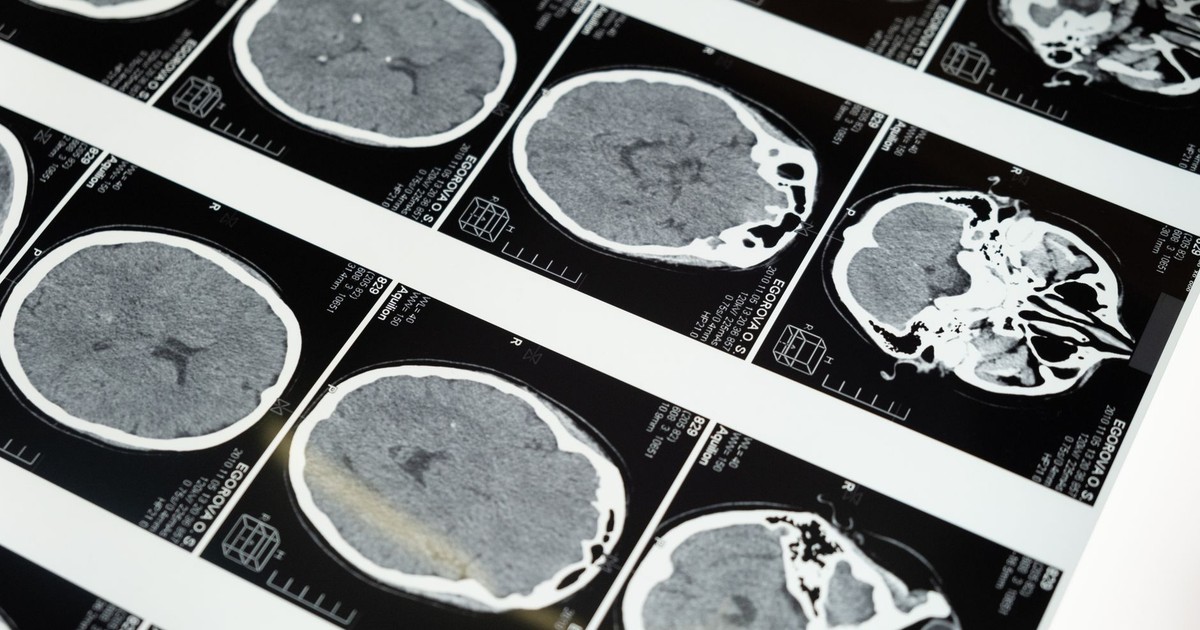
Most people picture dementia as memory loss – the slow forgetting of names, faces, and years. That description fits Alzheimer’s disease closely, but it’s a poor fit for frontotemporal dementia (FTD). Behavioral variant FTD and Alzheimer’s are neurodegenerative disorders with distinct clinical profiles: behavioral variant FTD typically manifests through changes in personality and social conduct, while Alzheimer’s is characterized by changes in memory and general cognition.
FTD is a neurological disorder in which nerve cells in the frontal and temporal lobes of the brain decrease, impacting a person’s behavior, language, and movement. It is the most common form of dementia for people under the age of 60, affecting an estimated 50,000 to 60,000 Americans. It tends to strike earlier than other dementias: Alzheimer’s usually appears in a person’s mid-60s or later, while FTD typically emerges between the ages of 40 and 60.
Because FTD so often begins with personality shifts, impulsive behavior, or a sudden loss of empathy rather than memory problems, it’s frequently mistaken for a psychiatric disorder. The brain regions eroding in FTD – the frontal and temporal lobes governing judgment, social awareness, and behavior – are substantially different from those hit first in Alzheimer’s, which targets the hippocampus (the brain’s memory-forming center) earliest. These are not different stages of the same illness; they are different diseases with different anatomical targets, which is precisely why they respond to music differently.
2. Favorite Music Still Activates the Dementia Brain

The Amsterdam study used a carefully designed fMRI protocol. Rather than handing everyone the same playlist, researchers asked participants to select music that genuinely mattered to them – songs tied to strong memories, meaningful emotions, or personal history. Participants then listened to that chosen music and to neutral, unfamiliar music while brain activity was recorded.
Personally meaningful music produced a stronger brain response than neutral music across all three groups: healthy adults, people with Alzheimer’s, and people with FTD. Even a brain damaged by neurodegeneration still distinguishes between a song that matters and a song that doesn’t.
Music engages brain regions involved in perceptual, socio-emotional, and cognitive functions that may be relatively preserved in individuals with Alzheimer’s disease but seem affected early in behavioral variant FTD. Alzheimer’s tends to spare the neural architecture that processes music – at least in the earlier and middle stages of the disease. FTD, by contrast, hits some of those same regions early. The two conditions produce a genuinely different neurological experience of the same song.
3. Music Processing May Be Surprisingly Well Preserved in Alzheimer’s
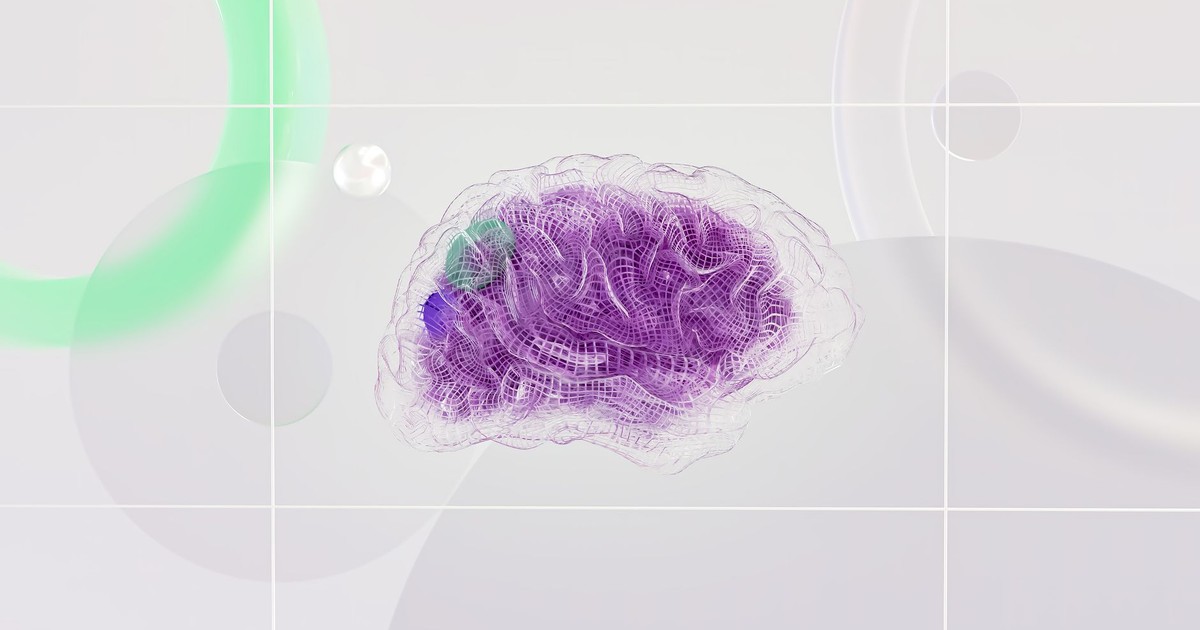
One of the most striking findings from the 2026 study is how intact music processing remains in Alzheimer’s disease, even as other cognitive abilities decline. Musical semantic memory – the stored knowledge of music, including recognizing a song, knowing its emotional character, and linking it to a genre or era – appears to be preserved in Alzheimer’s but may be affected early in behavioral variant FTD.
Musical semantic memory is distinct from episodic memory, which stores when you first heard a song. The frontal and temporal regions where musical semantic knowledge is housed are not the primary targets in Alzheimer’s, which means a person’s musical “library” remains relatively accessible even as other cognition fades. Those same frontal and temporal regions are exactly what FTD attacks first, creating a very different situation for patients with that diagnosis.
For the more than 7 million Americans currently living with Alzheimer’s disease, this preservation of music processing is clinically significant. A 2024 study in Frontiers in Medicine found that music therapy improves memory and verbal fluency, reduces anxiety and apathy, and has short-lasting effects on quality of life in people with dementia. The neurological reason those benefits appear more consistently in Alzheimer’s patients may be precisely because the circuits music relies on are still relatively functional in those individuals.
4. FTD May Disrupt a Key Music-Processing Region

The divergence between the two conditions becomes concrete when looking at a specific brain region. In FTD, researchers found less activity in the supplementary motor area, or SMA, during music listening. Reduced activation in the supplementary motor area may explain the altered music processing seen in behavioral variant FTD.
The supplementary motor area sits at the top of the brain, toward the midline. Its name makes it sound purely physical – involved only in planning and executing movement – but it plays a broader role. The SMA contributes to internal timing, anticipation, and the emotional-motor response that makes music feel engaging. When you tap your foot, feel the pull of a beat, or sense a chord about to resolve, the SMA is involved. In FTD, that engagement is measurably reduced.
Caregivers of FTD patients sometimes report that their loved one seems less moved by music that once mattered to them. The fMRI data suggests why: the brain may be losing the circuitry needed to process music in the emotionally and physically resonant way it once did. That’s a fundamentally different problem from what’s happening in Alzheimer’s, and it suggests that music therapy approaches designed around Alzheimer’s patients may not translate directly to FTD care.
5. Your Favorite Songs May Matter More Than a Generic Playlist

One design decision in the 2026 Amsterdam study carries as much weight as any of the neuroimaging data: the researchers let participants choose their own music. This wasn’t just a methodological preference – it was based on evidence that personally meaningful music engages the brain differently from music selected by a clinician or researcher.
FTD refers to a cluster of disorders affecting the brain’s frontal and temporal lobes – regions associated with personality, behavior, language, and other high-level brain functions. When those regions are compromised, a song chosen by a caregiver based on genre or era may not reach the patient the same way a song chosen by the patient would. The emotional and autobiographical resonance that makes music powerful is exactly what the study was designed to test – and the results confirm that resonance still matters, even in a damaged brain.
Studies using a personalized music selection protocol have shown that preferred playlists can reduce agitated behavior in people with dementia. Personally significant music produces measurably different brain activation than neutral music, even in people whose brains are significantly affected by disease. Asking the person – or their family – what music genuinely mattered over a lifetime is not a minor practical detail. The genre preferences of a care worker or the “calm music” default of a facility speaker system are a poor substitute for a playlist built around a real person’s history.
You can find more on recognizing different types of cognitive decline on the Alzheimer’s Association.
What This Could Mean for Dementia Care

The study doesn’t show that music therapy works for everyone with Alzheimer’s or that it doesn’t work for people with FTD. Instead, it suggests something more nuanced: dementia is not one disease, and music may not be a one-size-fits-all intervention.
For people with Alzheimer’s disease, some of the brain systems involved in recognizing and responding to music may remain relatively preserved even as other cognitive abilities decline. In behavioral variant FTD, changes to frontal and temporal brain networks may alter that response in different ways.
Previous research has found potential benefits from music-based interventions for people with dementia, including improvements in depressive symptoms and some behavioral problems. But the new brain-imaging findings may help researchers understand why responses differ from person to person and why the underlying dementia diagnosis could matter. Pasted text
One finding is immediately relatable: personal meaning matters. The researchers didn’t simply play relaxing music or songs popular with a particular generation. Participants listened to music that was personally significant to them.
For families and caregivers, that may be a useful place to begin. A playlist built around someone’s favorite artists, important periods of their life, or songs connected to meaningful memories is more personal than simply putting on generic “music for dementia.”
And sometimes the response may be subtle. Singing along isn’t the only sign that a song has reached someone. Listening, relaxing, moving to the rhythm, smiling, or simply becoming more engaged can all be meaningful.
A person’s relationship with music can run remarkably deep. Dementia may change that relationship, but as this research shows, it doesn’t necessarily erase it.
Disclaimer: This information is not intended to be a substitute for professional medical advice, diagnosis, or treatment and is for information only. Always seek the advice of your physician or another qualified health provider with any questions about your medical condition and/or current medication. Do not disregard professional medical advice or delay seeking advice or treatment because of something you have read here.
AI Disclaimer: This article was created with the assistance of AI tools and reviewed by a human editor.
Read More: Study Shows The Music You Loved at 13–17 Shapes You More Than You Realize