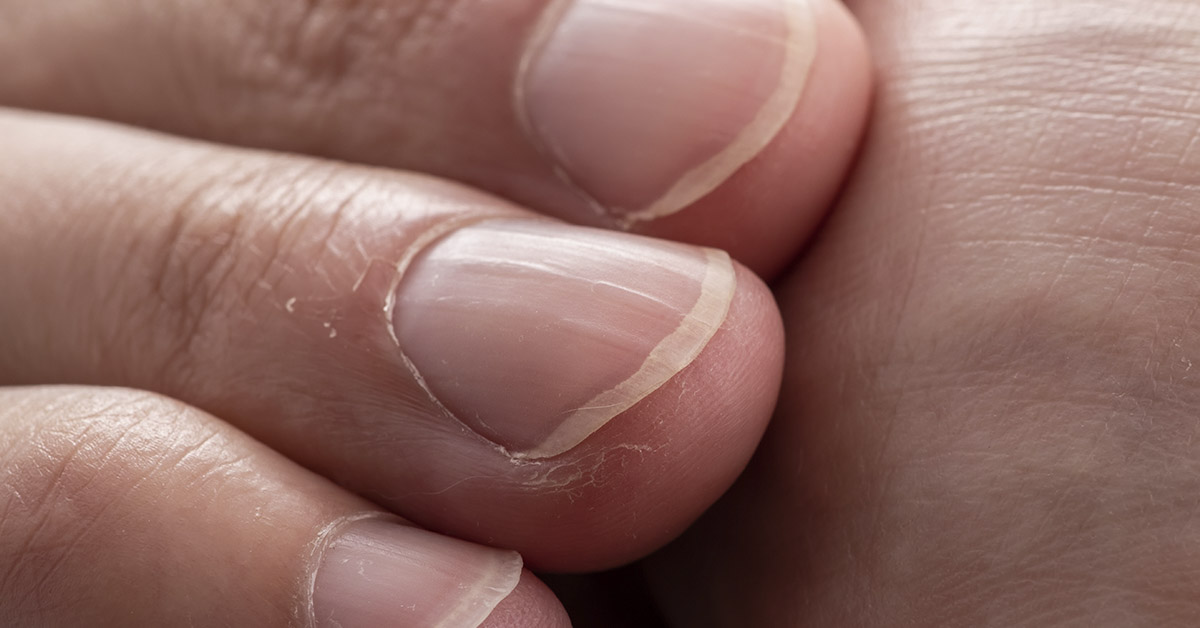

Most people give their fingernails about three seconds of attention each day, usually just enough time to notice they need a trim. But if you slow down and actually look at them, there are lines, grooves, and ridges that may have been quietly forming for months. Those textures aren’t random. They’re your body communicating something, and the message can range from completely harmless to genuinely worth a conversation with your doctor.
This isn’t about alarmism. Most ridges on nails are benign and simply reflect the ordinary process of getting older. But some patterns, specifically the direction the ridges run, how deep they are, and which nails are affected, can tell clinicians quite a bit about what’s going on beneath the surface. Dermatologists routinely use nail changes as one of many clues when evaluating systemic health, and for good reason.
Understanding what your nails are telling you costs nothing. Knowing when to act on that information could matter a great deal.
Quick Overview
Ridges in the nails are visible lines or dents in your fingernails or toenails that can run either vertically (up and down) or horizontally (across). They can be a sign of a health condition or a previous injury, and in some cases are completely harmless. The critical distinction lies in which direction the ridges run. Vertical ridges are often a sign of aging, while horizontal ridges can point to issues like malnutrition, serious nail injury, or what clinicians call Beau’s lines. This report examines both types in detail, the systemic conditions they may reflect, what the science actually supports, and what steps you should take based on what you observe.
The Anatomy of a Nail Ridge: What’s Actually Happening
To understand why ridges form, it helps to understand what nails are made of. The bulk of the nail plate is made up of hair-type keratins, which comprise 80% to 90% of the nail plate. In addition to keratin, nails also contain lipids, minerals, and a significant amount of water. Skin and nails grow in cycles influenced by nutrition, circulation, and environmental exposures.
The nail matrix, which is the tissue responsible for making nails grow, drives the process. Problems with producing skin cells and the keratin protein can change how nails grow, leading to a condition called onychorrhexis, which is the medical term for nails that develop ridges and split. Subtle changes in the color, shape, or texture of nails can sometimes reveal skin diseases or systemic conditions before they show up elsewhere in the body. That’s why dermatologists often call nails the “windows” into a patient’s health.
Research published in the Indian Journal of Dermatology, Venereology, and Leprology notes that nails are mirrors of the body’s internal constitution and nutritional status, that nail changes in nutritional deficiencies are mostly minor and non-specific, and that it is often difficult to suspect a nutritional deficiency just by observing nail changes alone.
Vertical Ridges: Usually Benign, But Not Always
Aging and Normal Wear
Aging is one of the most common causes of tiny vertical nail ridges, which extend from the bottom of the nail to the tip. Most people have some faint vertical ridges when younger, and these ridges may become more pronounced over time as the nails naturally get thinner and more brittle. This process is generally considered normal, and vertical ridges in isolation, without other nail changes, rarely require treatment.
Existing research, including recent clinical reviews, indicates that such ridges are common and can result from numerous factors, including age, genetics, trauma, and occasional nutritional imbalances. Importantly, while certain severe deficiencies may manifest as nail changes, the presence of longitudinal ridges alone is rarely enough to confirm a deficiency in the absence of other clinical signs. This is a critical point that frequently gets lost in popular health content: vertical ridges by themselves are not a reliable diagnostic marker. They are a prompt to investigate further, not a verdict.
Repeated trauma to the nails during manicures or pedicures, and chemicals found in nail polish removers and cuticle softeners, can also make vertical ridges more visible.
When Vertical Ridges Signal Something More
If you have hypothyroidism (an underactive thyroid gland), you may develop thick, brittle nails with vertical ridges. Your nails may also crumble or break easily, look more rounded, and your fingertip may appear puffy. If you’re experiencing other thyroid-related symptoms alongside ridged nails, having your thyroid hormones tested is a reasonable next step. You can read more about the full range of thyroid warning signs in this overview of thyroid health signs.
Cardiovascular and circulatory diseases can also affect nail texture. Blood delivers nutrients and oxygen to tissues and cells, and if there are problems with the heart, lungs, blood vessels, or oxygen circulation, this can affect nail health.
Dermatologists note that, in addition to aging, iron deficiency in particular can contribute to more noticeable longitudinal ridges. Conditions like rheumatoid arthritis and peripheral vascular disease have also been associated with changes in nail structure, including the appearance of vertical ridges.
Hypothyroidism slows down your metabolism, which can cause dry, brittle, and ridged nails. Liver disease and chronic kidney disease can also contribute to nail changes of this type.
Horizontal Ridges (Beau’s Lines): A More Urgent Signal
What Are Beau’s Lines?
Grooves or indentations running across the nail are called Beau’s lines. You may have a single groove on a single nail, or one or more grooves across all your nails. Horizontal nail ridges usually develop when nail growth is disrupted by something.
High fever may play a role in triggering the formation of Beau’s lines. A possible explanation is that during high fever episodes, the body prioritizes vital functions over non-essential ones, including nail growth. This is why someone recovering from a serious illness may notice these grooves appearing weeks later, which is when the disruption to the nail matrix becomes visible as the nail grows outward.
If you have Beau’s lines from a previous illness, the lines should gradually grow out over time. However, if you keep getting new Beau’s lines, that’s worth telling your doctor. Repeated Beau’s lines could be a sign that something is repeatedly interrupting your nail growth.
Systemic Illnesses and Beau’s Lines
Horizontal ridges or dents in the nails are usually due to Beau’s lines. These dents happen when something interrupts nail growth. Possible causes include chemotherapy, damage from artificial or acrylic nails used for long periods, physical injury to the nail, peripheral vascular disease (PAD), and severe illness with high fever such as COVID-19, measles, or pneumonia.
Deep horizontal ridges are often a symptom of serious conditions. They may actually stop nail growth until the underlying condition is treated. When Beau’s lines appear, acute kidney disease may also be present.
For example, if Beau’s lines develop because of diabetes, successfully managing blood sugar may reduce these horizontal fingernail ridges.
COVID-19 and Beau’s Lines: What the Research Shows
This is a relatively recent area of study. Beau’s lines are transverse grooves in the nail plate that result from transient interruption of the growth of the proximal nail matrix after severe disease, and researchers have systematically investigated their association with COVID-19 infection and vaccination.
A 2024 systematic review published in the journal Pathogens concluded that a severe immune response can result in the formation of these nail disorders, and that Beau’s lines represent a potential indicator of prior severe COVID-19 infection or vaccination for COVID-19, as well as a sign of long COVID syndrome.
In most of the cases included in that systematic review, Beau’s lines were observed three to four months after infection, in both males and females as well as in children. This timing matters: if you notice new horizontal ridges appearing months after a significant illness, that past health event may be the explanation.
The nail unit functions as a slow-growing epithelial structure that records systemic physiological disturbances occurring weeks to months earlier. Think of Beau’s lines as a kind of timestamp, marking the moment your body was under serious stress.
Nutritional Deficiencies Reflected in Nail Ridges
Iron
Iron deficiency can cause vertical nail ridges and a condition called koilonychia, or spoon nails. Spoon nails have a depression in the middle, as if the center of the nail was scooped out, and in pronounced cases you may actually be able to hold a drop of water on the nail surface.
Koilonychia, as described by the MedlinePlus Medical Encyclopedia from the National Library of Medicine, is characterized by nails with raised ridges that are thin and curved inward, a disorder directly associated with iron deficiency anemia.
If you’re seeing spoon-shaped or heavily ridged nails alongside classic signs of low iron such as fatigue, pale skin, or brittle hair, a blood test for ferritin and a full blood count is a reasonable next step. For a broader look at iron deficiency signs to watch for, see this guide on iron deficiency signs.
Zinc
Zinc deficiency can cause Beau’s lines as well as white spots on the nails. Zinc is an essential mineral involved in hundreds of enzymatic reactions in the body, and its role in cell division means a shortage can directly impair the nail matrix’s ability to produce consistent growth.
B Vitamins, Biotin, and Vitamin D
Pronounced vertical ridges running from the nail bed to the tip are commonly associated with aging and dehydration, but may also be linked to deficiencies in iron, biotin, zinc, or vitamin B12, all of which support normal nail formation and growth.
Other vitamins that contribute to nail health include zinc and vitamins A, C, and D. A 2018 review of the evidence on biotin for nail disease found that clinical trials showed improvement in firmness, hardness, and thickness of brittle nails with oral biotin, and that case reports also suggest oral biotin may improve certain nail deformities, though further larger clinical trials are still needed.
The MedlinePlus Medical Encyclopedia notes that using biotin alongside clear nail polish that contains protein can help strengthen nails. However, before starting any supplement protocol, a blood panel to confirm an actual deficiency is strongly advisable. Taking high doses of nutrients you don’t need can cause its own problems.
The Self-Diagnosis Problem
Self-diagnosis based solely on the presence of nail ridges carries real risks. Misinterpretation can lead to unnecessary anxiety or, conversely, a false sense of security. Vertical ridges are often benign, while horizontal ridges might indicate serious health conditions that require medical attention. The presence of ridges alone does not confirm a deficiency or disease. A clinical evaluation with appropriate testing is the only reliable way to know what’s actually happening.
Other Nail Changes Worth Knowing
Ridges aren’t the only feature to pay attention to. If the nail surface is rippled or pitted, this may be an early sign of psoriasis or inflammatory arthritis.
Dark lines or bands beneath the nail, known as melanonychia, can range from benign to serious. Causes include trauma, fungal infections, or pigmented lesions. However, irregular or widening dark lines may indicate melanoma. A potentially deadly cancer called subungual melanoma will normally appear as a dark streak down the length of the nail, and darkening of the cuticle associated with a pigmented streak, known as the Hutchinson sign, may be a sign of an aggressive melanoma. Any new or changing dark lines should be evaluated promptly by a dermatologist.
White streaks and spots on nails, known as leukonychia, can often be due to medicines or disease. If the nails are mostly white with darker rims, this can indicate liver problems such as hepatitis.
Lichen planus, an autoimmune skin condition, can also involve the nails, leading to thinning, ridging, or even permanent loss of the nail plate in severe cases. Patients may notice painful, inflamed cuticles and brittle nails that split easily. Because these changes can progress quickly, timely diagnosis is essential.
According to the American Academy of Dermatology, a change in color, texture, or shape can be harmless, but it can also be a sign of disease, and any persistent change warrants evaluation by a board-certified dermatologist.
Read More: 16 Signs You May Have Iron Deficiency
What to Do Now
Because fingernail ridges are often signs of other health problems, treatment focuses on the underlying cause of the changes to your nails. That framing is the most important thing to carry away from this report.
Start with direction. Vertical ridges in your nails may be age-related and are usually harmless. Horizontal ridges, called Beau’s lines, indicate a pause in nail growth that could be related to a health issue. If you have horizontal ridges on multiple nails, or if they keep reappearing, that warrants a medical visit, not a wait-and-see approach.
The first step is to see a healthcare provider to find out the underlying cause. Treating the cause can usually improve the look of your nails and allow healthy nails to grow in. For instance, medication for thyroid disease often improves or resolves related nail problems. Taking iron or zinc supplements, with your provider’s guidance, may help if you have a confirmed deficiency, but it takes several months for nails to grow out and for any change to become visible.
For general nail maintenance, using a nail buffer can smooth ridges slightly, but buffing more than once a month can weaken the nails. Applying a heavy moisturizing cream to your nails and cuticles during the day and before bed, and covering your hands with thin cotton gloves to help absorption, can help prevent the dry, brittle nails that make ridges look more pronounced.
Your doctor may order urine and blood tests if they suspect kidney disease, diabetes, or nutritional deficiencies based on your nail presentation. That comprehensive evaluation, rather than guessing based on appearance alone, is how nail changes go from a vague concern to an actionable answer. Your nails have been quietly keeping records. Take a few minutes to read them.
Disclaimer: This information is not intended to be a substitute for professional medical advice, diagnosis or treatment and is for information only. Always seek the advice of your physician or another qualified health provider with any questions about your medical condition and/or current medication. Do not disregard professional medical advice or delay seeking advice or treatment because of something you have read here.
AI Disclaimer: This article was created with the assistance of AI tools and reviewed by a human editor.
Read More: Doctor Uncovers A Telltale Sign In Your Fingernails That May Predict Your Life Expectancy