
You check your labels. You know what to avoid, mostly. Saturated fat, excess sodium, added sugars. But there’s a category of ingredients that barely registers on the mental checklist for most people, quietly present in hundreds of everyday foods. Preservatives. Not the lurid synthetic chemicals that have long raised eyebrows, but the ones dressed up in reassuring language, the ones labeled “natural,” the ones that sound like things your body actually needs.
A major new study is changing the way researchers think about these compounds, and the findings are harder to dismiss than a single small trial. The research draws on years of real-world dietary data from more than 112,000 people, making it one of the largest human investigations into preservative safety ever conducted. And what it found has prompted serious calls to reconsider how these additives are regulated.
The story starts with a straightforward question that had never properly been answered: if someone consumes preservatives every single day, in every packaged food they eat, does it add up to something that matters for their heart?
The Study That Changed the Conversation
The study, published in the European Heart Journal in May 2026, tracked the dietary habits of more than 112,000 adults in France for up to eight years and linked several common food preservatives to higher rates of high blood pressure and cardiovascular events.
The research drew from the NutriNet-Santé cohort, a large French research project tracking participants’ eating habits and health outcomes since 2009. For this analysis, 112,395 people were included, with nearly 79% being women and an average age of around 43 at enrollment. The median follow-up ran almost eight years, through the end of 2024.
What made this study unusually rigorous was the level of dietary detail collected. Participants completed up to 96 detailed dietary records, logging everything consumed right down to the specific brand. Because the same type of food can contain very different preservative ingredients depending on the manufacturer, that brand-specific detail allowed researchers to cross-reference multiple food composition databases and conduct laboratory tests on food samples to identify what preservatives were present and in what amounts.
Researchers tracked 58 different preservative substances, of which 17 were consumed by at least 10% of the study population and were examined individually for links to high blood pressure and cardiovascular disease.
What the Numbers Actually Showed
The headline finding is striking. People who consumed the most non-antioxidant preservatives, which are substances used to prevent mold and bacteria growth, had a 29% greater risk of high blood pressure and a 16% greater risk of heart attack, stroke, and angina compared to those with the lowest intake.
Non-antioxidant preservatives are a broad category that includes compounds like nitrites, sorbates, and sulphites. These are found in everything from cured meats and wine to soft drinks and packaged snacks. But the study didn’t stop there.
Those who consumed more antioxidant preservatives, which are used to prevent foods from browning, were also 22% more likely to develop high blood pressure. Antioxidant preservatives sound benign, even beneficial. Vitamin C as a food additive, rosemary extract, citric acid. These are the ones marketed as the “clean label” alternatives to synthetic chemicals. That’s what makes this finding so provocative.
The researchers identified eight preservatives tied specifically to high blood pressure, including sodium nitrite, potassium sorbate, and citric acid. One additive, ascorbic acid, also known as E300, was specifically linked to heart disease.
Citric acid was found in more than 91% of participants’ diets, followed by ascorbic acid, a form of vitamin C used as a preservative, and sulphites, compounds commonly found in wine and other alcoholic drinks. Sodium nitrite, widely used in processed meats like bacon and deli cuts, showed up in more than 73% of participants’ diets. These aren’t niche ingredients. They are staples of the modern packaged food supply.
The Vitamin C Paradox
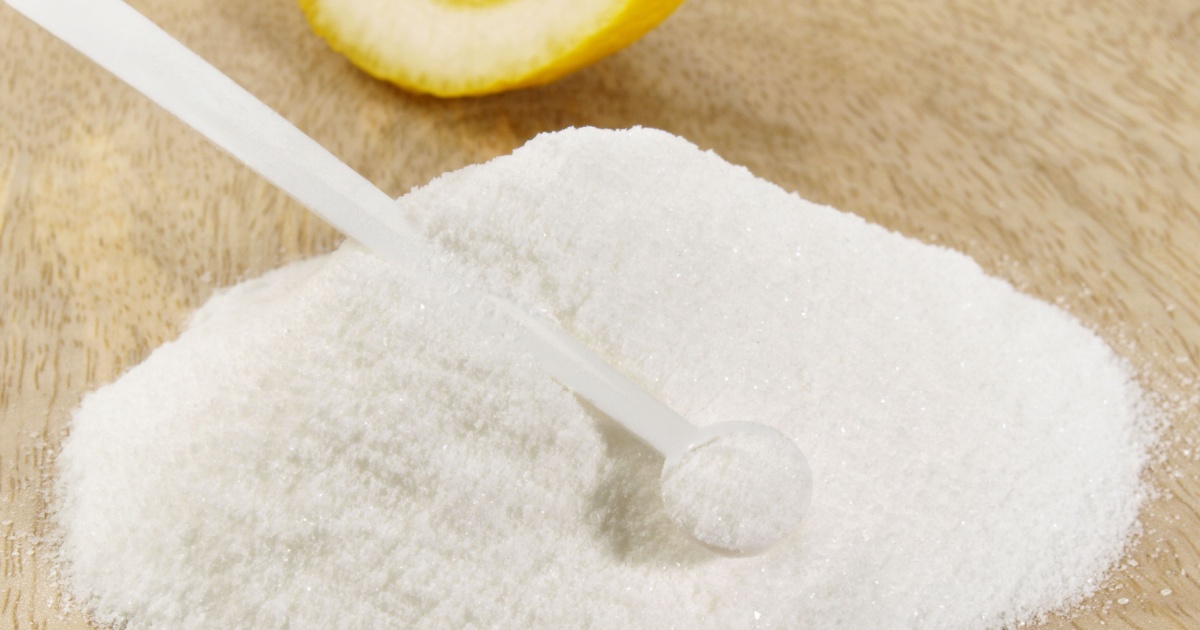
Perhaps the most unsettling finding in the entire study is the one involving ascorbic acid. Most people know it as vitamin C, a nutrient strongly associated with immune health, antioxidant protection, and cardiovascular benefit. So how does it end up flagged in a heart disease study?
The answer lies in the difference between vitamin C as it occurs naturally in food and vitamin C as it’s added to processed products as a preservative.
Lead researcher Dr. Mathilde Touvier, director of research at France’s National Institute of Health and Medical Research, was clear about the distinction: “Naturally occurring ascorbic acid and added ascorbic acid – which may be chemically manufactured – may have different impacts on health.” She added that “the results observed here for these food additives are not true for natural substances found in fruits and vegetables.”
Ascorbic acid used as a food additive was tied to higher cardiovascular risk, even though vitamin C from natural food sources like fruits and vegetables is generally associated with heart health benefits. The matrix matters. When vitamin C arrives embedded in whole food, alongside fiber, phytochemicals, and dozens of other compounds, it behaves differently than an isolated, industrially produced version sprayed into a packaged product.
The mechanistic hypotheses the researchers proposed revolve around oxidative stress and disruption of pancreatic function. Previous experimental studies suggest that certain preservatives may trigger the generation of reactive oxygen species or interfere with endocrine regulation of glucose metabolism, pathways directly connected to vascular health and the development of hypertension and atherosclerosis.
This matters practically. If you’re scanning a label and see “ascorbic acid” listed, you might assume the product contains a health-promoting vitamin. The study suggests that assumption may not hold when the ascorbic acid is there as a synthetic preservative in a highly processed food.
The Bigger Picture: Preservatives and Ultra-Processed Foods
Preservatives don’t exist in isolation. They’re almost always found inside ultra-processed foods (UPFs), a category defined not just by their ingredients but by the industrial processes used to make them. More than 20% of industrial foods and drinks contain at least one preservative.
The cardiovascular risks linked to ultra-processed foods broadly are already well-documented. In a major U.S. study published in JACC: Advances, people consuming over nine servings of ultra-processed foods per day were 67% more likely to suffer a major cardiac event than those consuming about one serving.
A report by a group of cardiology experts from across Europe, published in the European Heart Journal, brings together the results of all research on UPFs and cardiovascular disease published to date. It links high UPF consumption to higher risks of obesity, diabetes, hypertension, chronic kidney disease, and death from cardiovascular disease. The European Society of Cardiology called the findings a decisive clinical consensus on the cardiovascular risks posed by ultra-processed foods. Researchers say these industrially manufactured foods can disrupt metabolism, trigger inflammation, and promote overeating, even when marketed as “healthy.”
The new preservative study fits squarely into this body of evidence. But it takes things a step further by identifying specific chemical compounds, not just the foods they inhabit, as drivers of harm. Disentangling the specific effects of food additive preservatives from the broader health impacts of eating heavily processed foods is inherently challenging, even with extensive statistical adjustment. The researchers acknowledged this limitation openly.
You can read more about foods linked to poor heart health to understand the full dietary picture.
What the Critics Said – and Why They Didn’t Dismiss It
Science reporters and independent researchers were quick to note the study’s limits. The observational design means the study can identify associations but cannot establish direct cause and effect. The study population was recruited voluntarily through online campaigns targeting French-speaking individuals with internet access, which may limit how broadly the results apply.
Dietary data also relied on self-reported records, which carry inherent limitations. People don’t always remember what they ate, and they may underreport less healthy foods.
But critics didn’t dismiss the findings outright. The study was noted as echoing the recent European Society of Cardiology consensus highlighting ultra-processed foods as a global public health concern. Independent methodologists praised the comprehensive approach to diet assessment and identifying cardiovascular outcomes, and while acknowledging that causation cannot be proven, concluded that “there are signals in the results that warrant further investigation.”
Professor Gunter Kuhnle, a professor of food and nutritional science at the University of Reading in England, was not involved in the research. He acknowledged that “preservatives have an important role in the food system, not only by preventing food-borne diseases, but also by preventing spoilage, reducing food waste and extending shelf life.” His comments reflect a genuine tension. Preservatives aren’t simply bad actors. They also prevent the kind of food contamination that sends people to the hospital. The question is whether current regulatory frameworks fully account for long-term, low-dose cardiovascular exposure.
The Nitrite Question Specifically
Sodium nitrite deserves its own look because it has a longer paper trail than many of the other preservatives flagged. It’s the compound that turns deli meats pink and gives bacon its characteristic color and flavor. It’s also the one that’s been under the most scientific scrutiny.
The addition of nitrites as preservatives may lead to the formation of nitrosamines, known carcinogens (cancer-causing compounds) that detrimentally impact cardiovascular and metabolic functions. The concern isn’t the nitrite itself, exactly. It’s what can happen when nitrite meets amino acids from protein in an acidic environment, like the human stomach. That chemical reaction can produce nitrosamines.
Current scientific findings indicate that these compounds can have dual effects, both beneficial and harmful, on health. Dietary nitrates are naturally abundant in fruits and vegetables, or they can be introduced as additives, notably in processed and cured meats. Nitrates from spinach, beets, and arugula behave very differently from sodium nitrite added to a cured sausage, partly because vegetables also contain antioxidants that block nitrosamine formation.
What This Means for You
The study doesn’t call for eliminating all preserved foods from your diet. That would be both impractical and unnecessary. What it does argue, convincingly, is that the current assumption that “natural” on a label means safe for long-term cardiovascular health deserves scrutiny.
Start with your label reading habits. When you see “ascorbic acid,” “sodium nitrite,” “potassium sorbate,” or “citric acid” in the ingredient list, you’re looking at a food where these compounds are functioning as preservatives, not nutrients. That doesn’t automatically make the product harmful, but it does mean the product likely falls into the ultra-processed category where the cumulative cardiovascular burden is real.
Study author Mathilde Touvier put it plainly: “These results suggest we need a re-evaluation of the risks and benefits of these food additives by the authorities in charge, such as the EFSA in Europe and the FDA in the U.S., for better consumer protection.” She added that “these findings support existing recommendations to favor non-processed and minimally processed foods, and avoid unnecessary additives.”
The practical direction from this research is consistent with what good nutritional evidence has been pointing toward for years: build your diet around foods that don’t require a preservative to stay safe. Fresh vegetables, fruits, legumes, whole grains, and minimally processed proteins don’t come with sodium nitrite or potassium sorbate in the ingredient list. When you do buy packaged foods, shorter ingredient lists with recognizable whole-food components are a reasonable guide.
Because this is an observational study, it cannot prove preservatives directly cause these conditions, but researchers say the findings are strong enough to warrant a fresh look at how these additives are regulated. Regulatory reform takes time. In the meantime, the most effective lever any individual has is their grocery cart.
Disclaimer: This information is not intended to be a substitute for professional medical advice, diagnosis, or treatment and is for information only. Always seek the advice of your physician or another qualified health provider with any questions about your medical condition and/or current medication. Do not disregard professional medical advice or delay seeking advice or treatment because of something you have read here.
AI Disclaimer: This article was created with the assistance of AI tools and reviewed by a human editor.
Read More: Cardiologist Reveals Three Things He Would Never Eat or Drink