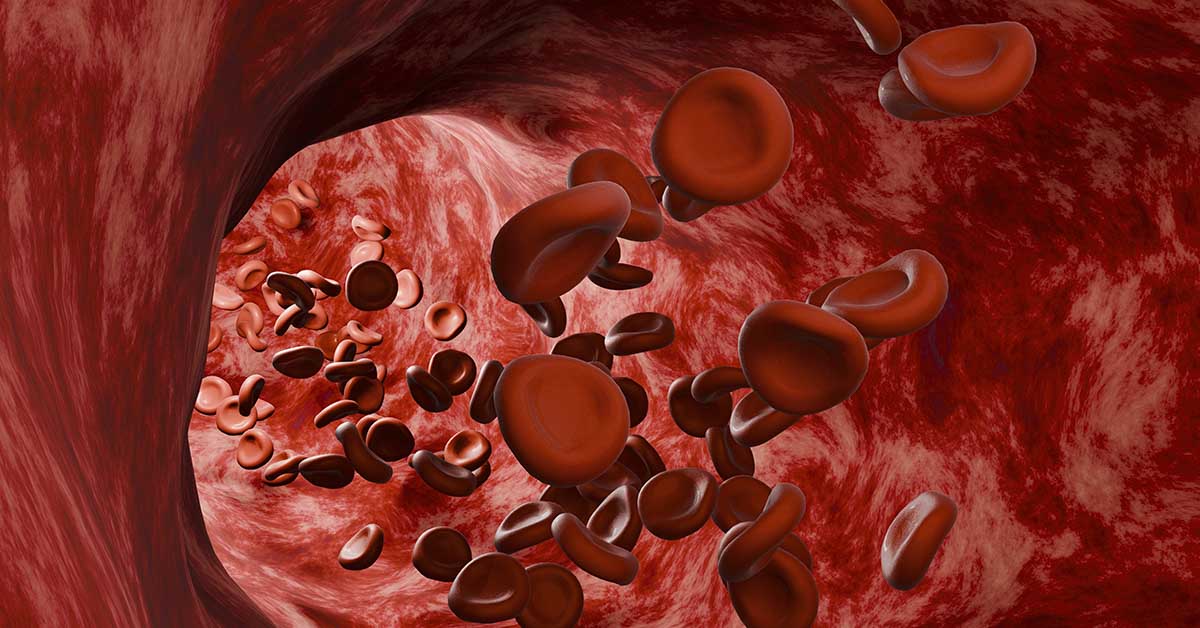

People have long been looking for and touting quick fixes for complex health problems, and in the age of social media, these trends often go viral pretty quickly. Recently, a particular “health shot” has been making the rounds across platforms, unfortunately overshadowing rigorous science with its promise of an “instant” fix. Those sharing this health shot promise that it will “instantly open arteries” and prevent heart attacks before they happen. The shot is a simple blend of extra virgin olive oil, cayenne pepper, and chia seeds. The claims are compelling: a swift, natural way to clear arteries and avoid a pervasive and life-threatening condition. The idea that taking a quick health shot to bypass the complexities of cardiovascular disease and its treatments is undeniably appealing.
All of that said, as with most claims that sound too good to be true, skepticism is warranted. Our health, particularly the intricate mechanics of our cardiovascular system, rarely bows to instant solutions. Let’s look beyond the sensational headlines and anecdotal testimonials to explore the scientific evidence (or lack thereof) behind these dramatic assertions. We will scrutinize each ingredient, understand its established health benefits, and critically evaluate whether a shot of these components can truly deliver on the promise of instant arterial clearance. By separating medical fact from hopeful fiction, we aim to provide a clear, evidence-based understanding of this viral health trend, empowering readers to make informed decisions about their heart health.
The Viral Sensation: What Exactly is This “Shot”?

Image credit: Shutterstock
The specific recipe for this miracle shot can vary slightly across different platforms. The core ingredients, however, remain consistent:
- Extra virgin olive oil (EVOO): Often recommended in generous quantities, typically a tablespoon or more.
- Cayenne pepper: A pinch to a quarter teaspoon, sometimes more, for its purported “opening” effect.
- Chia seeds: Usually a teaspoon, added for texture and its nutritional profile.
These ingredients are mixed with a small amount of water or juice, blended, and consumed, often on an empty stomach, with the explicit promise of immediate effects on arterial health. The narratives often speak of feeling a “warmth” or “tingle” as the cayenne pepper takes effect, interpreted by proponents as the arteries “opening up” or blood flow improving. Such subjective experiences, while real to the individual, can easily be misinterpreted when framed by powerful, yet unsubstantiated, health claims.
The Reality of Atherosclerosis: Why “Instant” is a Medical Impossibility
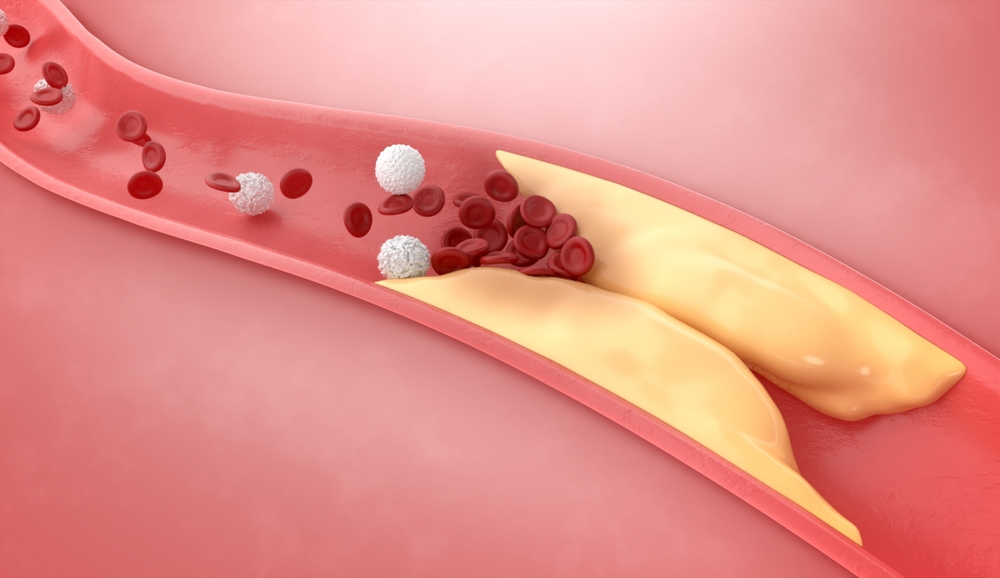
Image credit: Shutterstock
To understand why the claim of “instantly opening arteries” is fundamentally flawed, one must first grasp the nature of the condition it purports to treat: atherosclerosis.
Atherosclerosis is a chronic, progressive disease characterized by the buildup of plaque inside the arteries. This plaque is composed of cholesterol, fatty substances, cellular waste products, calcium, and fibrin (a clotting material). The process begins early in life and develops silently over decades, often without symptoms until an artery is severely narrowed or blocked.
Here’s a simplified breakdown of how atherosclerosis develops:
- Damage to the endothelium: The innermost layer of the artery, the endothelium, can be damaged by factors such as high blood pressure, high cholesterol, smoking, diabetes, and inflammation.
- Fatty streaks: When the endothelium is damaged, “bad” LDL cholesterol can penetrate the arterial wall. White blood cells (macrophages) engulf this cholesterol, transforming into foam cells, which accumulate to form fatty streaks.
- Plaque formation: Over time, these fatty streaks grow into more complex plaques. Smooth muscle cells migrate to the area, connective tissue forms, and calcium deposits harden the plaque. This process stiffens the artery walls and narrows the lumen (the inner channel through which blood flows).
- Complications: Plaque can be stable, slowly narrowing the artery, or unstable (vulnerable), meaning it can rupture. A rupture exposes the plaque’s contents to the bloodstream, triggering blood clot formation. This clot can rapidly block the artery, leading to a heart attack (if in the coronary arteries) or a stroke (if in the brain’s arteries).
Given this complex, decades-long biological process, the notion that a single drink can instantaneously reverse or dissolve these hardened, calcified plaques is scientifically untenable. Medical treatments for atherosclerosis, such as statins, aim to stabilize plaques and prevent their growth, while procedures like angioplasty and stenting, or bypass surgery, are invasive interventions designed to mechanically open or bypass severely blocked arteries. These are not instant processes in the way a shot is consumed.
Deconstructing the Ingredients: What Does the Science Actually Say?
Let’s examine each component of the “miracle shot” and differentiate its established health benefits from the exaggerated claims.
1. Extra Virgin Olive Oil (EVOO): A Pillar of Heart Health
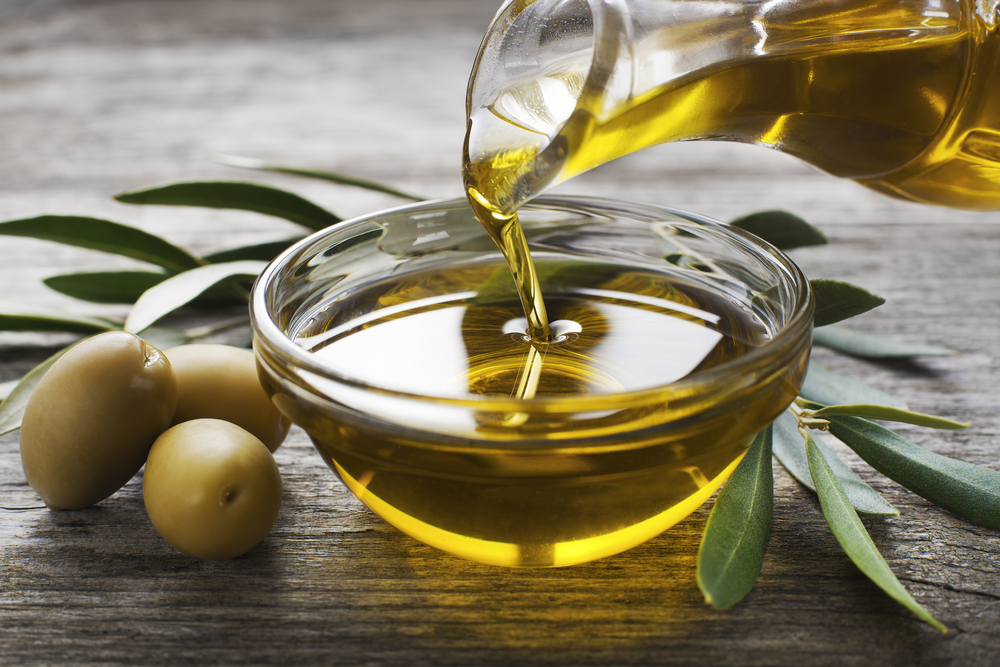
The claim: EVOO contributes to clearing arteries, often by its purported ability to reduce inflammation or directly impact cholesterol.
The science: EVOO is undeniably a cornerstone of heart-healthy diets, particularly the Mediterranean diet. This diet is consistently ranked as one of the healthiest eating patterns globally. Its benefits are extensive and well-researched:
- Monounsaturated Fatty Acids (MUFAs): EVOO is primarily composed of oleic acid, a MUFA. Studies consistently show that replacing saturated fats with MUFAs can lower “bad” LDL cholesterol levels while maintaining or even increasing “good” HDL cholesterol levels. High LDL cholesterol is a primary risk factor for atherosclerosis.
- Polyphenols and Antioxidants: EVOO is rich in powerful antioxidants, including oleocanthal, oleuropein, and hydroxytyrosol. These compounds protect LDL cholesterol from oxidation, a crucial step in the development of atherosclerosis. Oxidized LDL is more easily taken up by macrophages, contributing to plaque formation.
- Anti-inflammatory Properties: The polyphenols in EVOO, especially oleocanthal, exhibit potent anti-inflammatory effects that are remarkably similar to non-steroidal anti-inflammatory drugs (NSAIDs) like ibuprofen. Chronic low-grade inflammation plays a significant role in the initiation and progression of atherosclerosis, so reducing it is beneficial for arterial health.
- Endothelial Function: Regular consumption of EVOO has been linked to improved endothelial function, meaning the inner lining of blood vessels performs better. A healthy endothelium is crucial for preventing plaque buildup and maintaining proper blood vessel dilation.
- Blood Pressure Regulation: Some studies suggest that EVOO can contribute to lower blood pressure, another key factor in cardiovascular health.
While EVOO is a powerhouse for long-term cardiovascular health, contributing to lower cholesterol, reduced inflammation, and improved endothelial function, it does not instantly open or clear existing arterial blockages. Its benefits are preventative and cumulative, experienced over years of consistent dietary inclusion, not through a single shot.
2. Cayenne Pepper: The Fiery Kick with a Mild Cardiovascular Effect
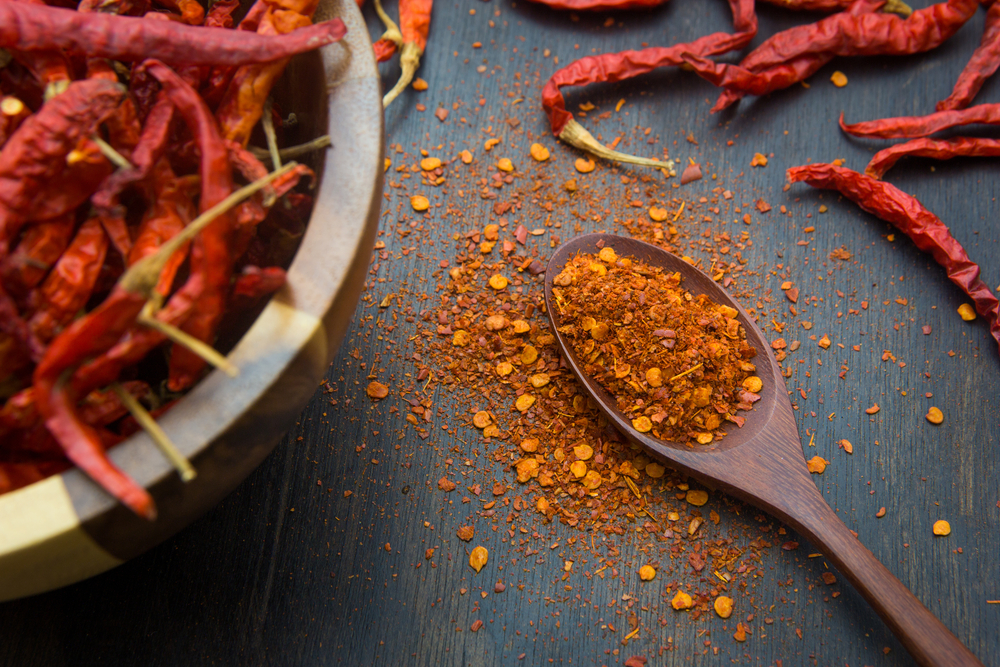
The claim: Instantly opens blood vessels, improves circulation, and clears blockages due to its warming sensation.
The science: Cayenne pepper derives its heat and most of its beneficial properties from capsaicin, a potent phytochemical.
- Vasodilation and Circulation: Capsaicin can indeed induce vasodilation (widening of blood vessels) by affecting nitric oxide production and influencing nerve receptors. This is responsible for the feeling of warmth and tingling that many people experience. However, this effect is localized, temporary, and superficial. It does not translate to dissolving hard arterial plaques or significantly increasing blood flow through severely narrowed, calcified arteries deep within the body. It’s more akin to the temporary flush you might get from eating spicy food, not a sustained, therapeutic opening of major arteries.
- Blood Pressure: Some research suggests a modest effect of capsaicin on lowering blood pressure, potentially by stimulating the release of vasodilatory chemicals. However, this effect is often small and not a substitute for medication or comprehensive lifestyle changes for individuals with hypertension.
- Anti-inflammatory and Antioxidant Properties: Capsaicin also possesses antioxidant and anti-inflammatory properties, which could contribute to overall cardiovascular health in the long run. By reducing oxidative stress and inflammation, it might help slow the progression of atherosclerosis, similar to EVOO’s broader effects.
- Pain Relief: Topically, capsaicin is well-known for its pain-relieving properties by depleting Substance P, a neurotransmitter involved in pain transmission. This is largely irrelevant to arterial health.
While cayenne pepper can cause temporary, localized vasodilation and offers some anti-inflammatory benefits, the claim that it “instantly opens arteries” in a therapeutic sense is a significant overstatement. Its impact on existing, hardened plaque is negligible to non-existent. The warming sensation is a physiological response to capsaicin, not an indicator of plaque dissolution.
3. Chia Seeds: Tiny Powerhouses of Fiber and Omega-3s
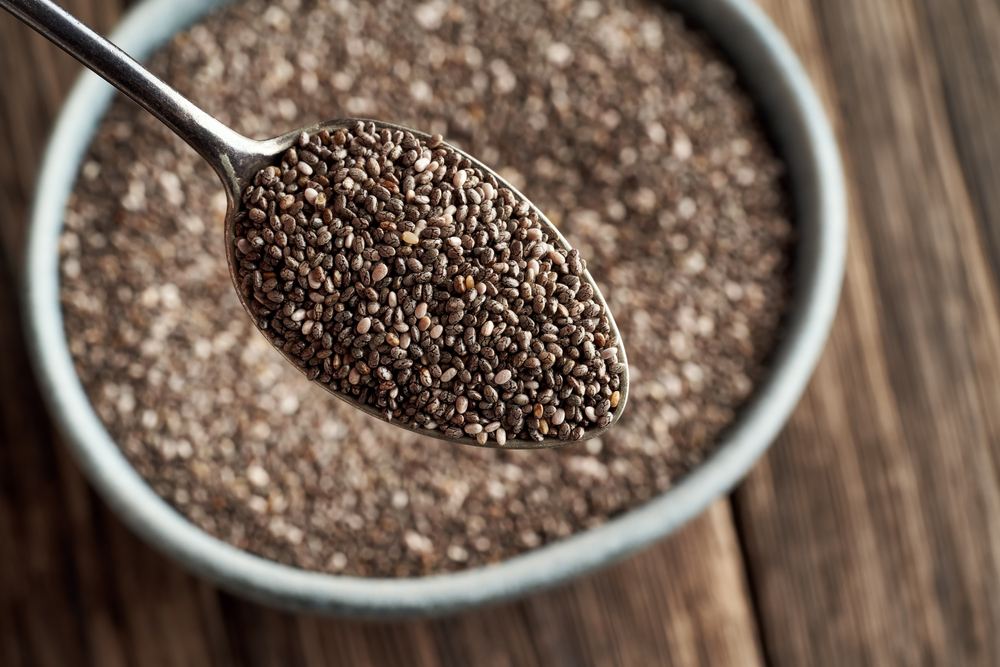
The claim: Contributes to arterial health, often linked to its Omega-3 content and fiber.
The science: Chia seeds are nutritional marvels, packed with components highly beneficial for overall health, including cardiovascular health.
- Omega-3 Fatty Acids (ALA): Chia seeds are one of the richest plant-based sources of alpha-linolenic acid (ALA), an essential Omega-3 fatty acid. ALA has been shown to reduce inflammation, improve blood lipid profiles (lowering triglycerides), and potentially contribute to better heart health outcomes. While ALA needs to be converted into EPA and DHA (the forms found in fish oil) to exert its most profound cardiovascular benefits, regular intake of ALA is still valuable.
- Dietary fiber: Chia seeds are exceptionally high in soluble and insoluble fiber. Soluble fiber helps lower LDL cholesterol by binding to cholesterol in the digestive tract and preventing its absorption. It also aids in blood sugar control, which is crucial for preventing endothelial damage that contributes to atherosclerosis. Insoluble fiber promotes digestive health.
- Protein and minerals: They provide a good source of plant-based protein and essential minerals like magnesium, phosphorus, and calcium, all of which play roles in various physiological processes, including muscle function (like the heart) and bone health.
- Blood pressure regulation: The fiber, omega-3s, and other nutrients in chia seeds can collectively contribute to a modest reduction in blood pressure.
Chia seeds are excellent for long-term cardiovascular health due to their fiber, Omega-3s, and other nutrients, which can help manage cholesterol, blood pressure, and inflammation. However, like EVOO, their benefits are preventative and cumulative. They do not possess the ability to “instantly clear” or dissolve existing arterial plaques.
The Danger of Misinformation: Why This Matters

Image credit: Shutterstock
Beyond simply debunking a health trend, understanding why such claims are dangerous is paramount. Believing that a “shot” can instantly clear arteries can lead individuals, particularly those at high risk or already diagnosed with cardiovascular disease, to delay or forgo proven medical treatments. This delay can have catastrophic consequences, as heart disease is progressive and early intervention is crucial.
Relying on unproven remedies diverts attention and resources from lifestyle changes (diet, exercise, smoking cessation, and so on) and medical therapies that have been rigorously tested and shown to save lives. These influencers or brands online are exploiting public fear. The fear of a heart attack and stroke is potent. Unscrupulous marketers and uninformed influencers often exploit this fear by promoting simplistic, “instant” solutions, profiting from people’s vulnerability.
Finally, while the individual ingredients of this “health shot” are generally safe, consuming them in high doses, especially cayenne pepper, could interact with medications, such as blood thinners. It can also exacerbate certain conditions, like heartburn. This risk is often overlooked in viral health trends.
What Actually Works for Arterial Health?

For those genuinely concerned about their health and natural ways to clear arteries, the path forward is well-established and supported by a mountain of scientific evidence. These are the steps to take to improve your arterial health, along with whatever plan your doctor has laid out for you:
- Healthy Diet: A diet rich in fruits, vegetables, whole grains, lean proteins, and healthy fats, such as those found in EVOO, nuts, and seeds, is fundamental. Limiting saturated and trans fats, added sugars, and excessive sodium is crucial.
- Regular Physical Activity: Aim for at least 150 minutes of moderate-intensity aerobic exercise or 75 minutes of vigorous-intensity exercise per week, combined with muscle-strengthening activities.
- Maintain a Healthy Weight: Losing even a small amount of weight can significantly improve cardiovascular risk factors.
- Quit Smoking: Smoking is one of the most damaging things you can do to your arteries. Quitting is the single best step for heart health.
- Manage Stress: Chronic stress contributes to high blood pressure and other risk factors.
- Control Underlying Conditions: Effectively manage high blood pressure, high cholesterol, and diabetes with lifestyle changes and, if necessary, medication prescribed by a doctor.
- Regular Medical Check-Ups: Work with your healthcare provider to monitor your risk factors and develop a personalized prevention or treatment plan.
It’s important to reiterate that ingredients like extra virgin olive oil, cayenne pepper, and chia seeds can be a part of a healthy diet that supports arterial health. They are beneficial tools within a broader, evidence-based strategy, not standalone “cures”.
The Enduring Wisdom of Consistent Care, Not Instant Cures

The viral “health shot” promising to “instantly open arteries” exemplifies a recurring theme in the pursuit of wellness: the desire for simple, immediate solutions to complex health problems. While the individual ingredients are indeed celebrated for their genuine, scientifically backed health benefits, particularly for cardiovascular health, their power lies in their consistent inclusion in a balanced diet over time.
The leap from “healthy ingredients” to “instant arterial clearance” is a chasm that medical science unequivocally states cannot be bridged by a single shot. Atherosclerosis is a chronic disease that develops over decades, and its reversal or dissolution requires sustained, multifaceted medical intervention and rigorous lifestyle changes, not a fleeting dose of dietary supplement.
Despite what some might say, our arteries are not like clogged pipes that can be instantly flushed clean with a special concoction. They are living, dynamic structures that respond to long-term care and respect. The true miracle for arterial health doesn’t come in a single dose of a spicy health shot, but rather through the consistent, often challenging, dedication to a healthy lifestyle. We currently live in a world saturated with information, so don’t forget your critical thinking and to maintain a healthy skepticism towards sensational health claims. As the old saying goes, if it seems too good to be true, that’s probably because it is.
Disclaimer: The author is not a licensed medical professional. The information provided is for general informational and educational purposes only and is based on research from publicly available, reputable sources. It is not intended to constitute, and should not be relied upon as, medical advice, diagnosis, or treatment. Always consult a licensed physician or other qualified healthcare provider regarding any medical condition, symptoms, or medications. Do not disregard, avoid, or delay seeking professional medical advice or treatment because of information contained herein.
Read More: Miracle Drink Claims to ‘Clear Excess Sugar’ Before Bed — What Does the Evidence Say?