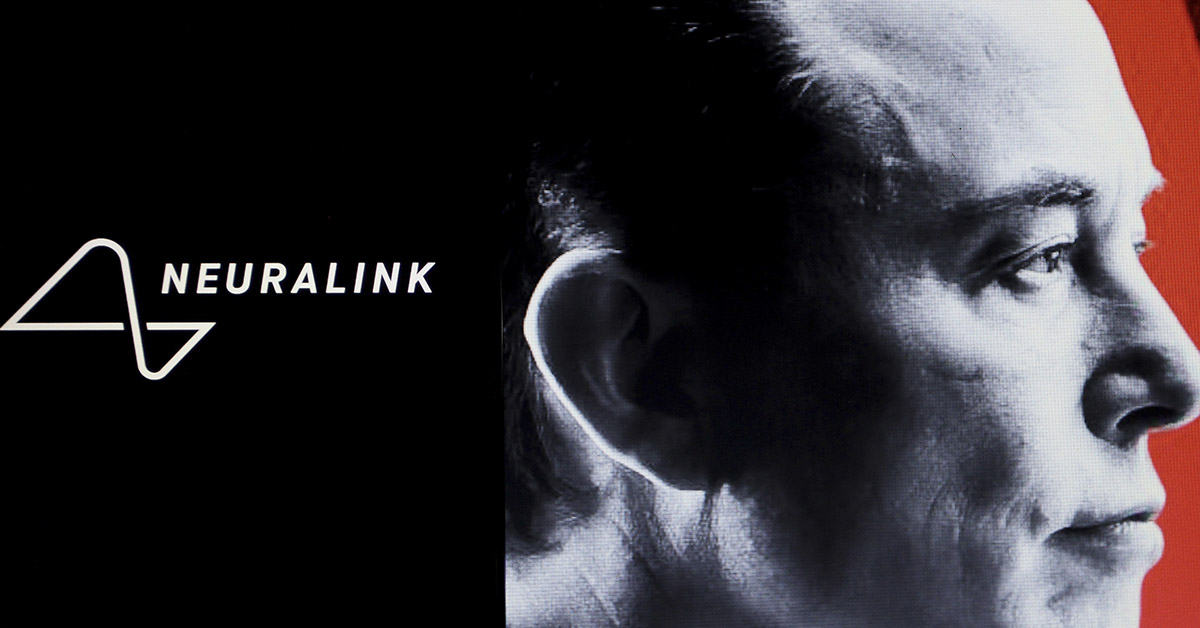

Neuralink is building a brain implant that lets people control computers by thought. The pitch is bold, and the demos look impressive. Yet the road to those moments has been rough. Early research used pigs, sheep, and monkeys to test the hardware and surgery. That work sparked backlash after records described the challenging procedures and hard recoveries for primates. Regulators and inspectors eventually stepped in, and a small transport fine followed. At the same time, the first human participant showed real day-to-day gains. Therefore, the story is both promise and controversy, not one or the other. In this article, we will unpack what really happened in Neuralink’s animal labs and what the regulators actually found.
The Reports of 1,500 Animal Deaths
Much of the public outcry is because of reports of around 1,500 animal deaths, including pigs, sheep, and monkeys, over several years due to Neuralink research. While there has been a large focus on the monkeys specifically, this number is a combined count from all the preclinical work as the system evolved. Yet still, the most powerful criticisms focus on particular primate cases with infections and recovery issues. Some reporting described a violation tied to a leaking adhesive and delayed euthanasia.
Regulators, however, drew their own official conclusions. USDA’s secretary told Congress there were no Animal Welfare Act violations beyond a 2019 incident. As we shall learn more about later, the FDA later cited “objectionable conditions” at one animal facility that required remediation, not immediate enforcement. While it is usually the advocacy groups that raise the alarm on potential violations, it is ultimately up to the regulators to decide if a company has gone over the acceptable threshold. The best available evidence comes from the various official letters, inspection records, and detailed institutional statements.
The Impact of the UC Davis Files
So, how did this story come to be shared with the public? Well, advocacy lawyers managed to obtain UC Davis records from their 2017 to 2020 collaboration. Neuralink’s researchers conducted primate studies at UC Davis’s California National Primate Research Center under UC Davis IACUC-approved protocols. The campus veterinarians provided round-the-clock care. UC Davis says the research agreement ended in 2020. Much of what the public saw later, such as the veterinary notes and protocol amendments, came from that period and was released after requests for these records. The notes described horrendous issues such as invasive cranial surgeries, infections, chair restraints, and euthanasia following complications.
One case referenced unorthodox surgical adhesive practices that later became a major point of concern for critics. Yet, these weren’t just random or anonymous posts; they were veterinary notes and invoices released under public-records law. That is why this story carried so much weight beyond social media. It wasn’t only the total animal count; it was also about specific judgment calls during high-risk procedures that often ended very badly. While one can support the overall medical goal, it’s still hard not to wince at those details. These documents drew a lot of attention because they revealed specific events that could be analyzed and checked. When the public is exposed to these types of records, they usually demand action. This is why the government started implementing checks. If those involved are revealed to be causing unnecessary suffering, then advocacy groups demand change.
UC Davis’s Role and Oversight
UC Davis confirmed there was a research agreement with Neuralink that ended in 2020. The university said studies ran at its California National Primate Research Center. It also said protocols were reviewed by the campus IACUC. Campus veterinarians provided round-the-clock monitoring of experimental animals throughout the collaboration. That is the formal structure you’d expect at a major primate center. It tells you there was review, recordkeeping, and clinical support. However, it does not guarantee perfect clinical outcomes. It also does not erase every troubling case in the notes. Oversight means the work met the rules that existed then, but outcomes still matter.
Importantly, UC Davis stressed that Neuralink researchers conducted the work within campus facilities. That helps to clarify responsibility lines when people ask who did which surgeries. It also explains why some public-records battles targeted the university rather than the company. Universities must respond to requests, while private firms usually do not. That difference helped to shape which documents surfaced and which stayed confidential. So, basically, the institutional statements document the framework and the guardrails. Furthermore, the detailed care notes reveal the on-the-ground reality in the labs. Ultimately, you need both pieces to understand what actually happened in those years.
What Did the Federal Oversight Reveal?
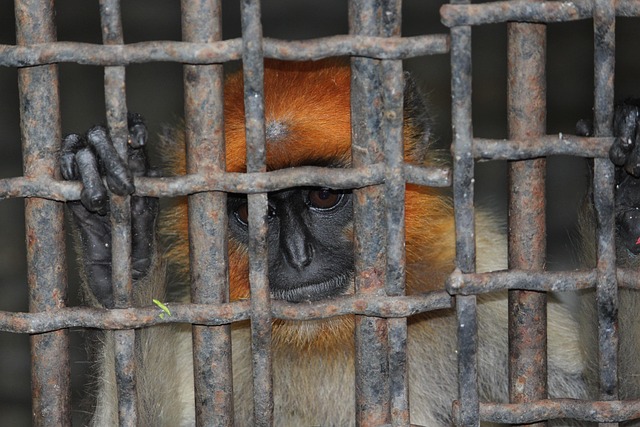
USDA officials told Congress in July 2023 that they had identified no Animal Welfare Act violations at Neuralink beyond a 2019 incident. Inspectors conducted a focused review at two company sites in January 2023. The letter is the clearest public statement of official findings and helps to narrow down the confirmed violations to that incident. Critics still argue that preventable suffering occurred, but the agency’s letter sets the regulatory baseline. Separately, the FDA inspected a Neuralink animal lab in 2023 and later cited “objectionable conditions.”
These were quality-system observations involving fundamentals like records and instrument calibration. However, these observations do not necessarily lead to automatic penalties. They are regarded as issues that companies must fix and explain. The FDA can then revisit, escalate, or accept remediation plans. While these finer details often get lost in online conversations, they still matter. It means regulators saw problems they believed were correctable without immediate enforcement. However, those issues still deserve attention because weak quality systems often lead to risky practices that could have been avoided. But the process itself signals that remediation, not shutdown, was the FDA’s chosen path at that time.
What the Surgery Records Say
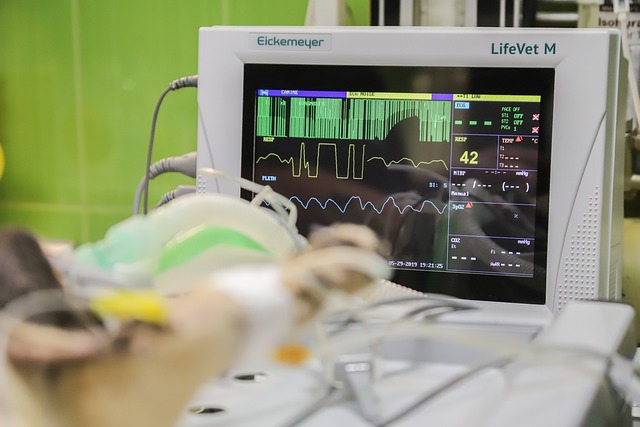
Public veterinary notes and necropsy reports from the UC Davis period describe invasive cranial surgeries followed by infections, neurological decline, and, in several cases, euthanasia. One 7-year-old female developed swelling and progressive neurological signs after a cranial implant. Staff documented a “severe neurological defect,” while an autopsy later described a “toxic adhesive” around the implant and pressure that “deformed and ruptured” brain tissue. The primate was euthanized after a short, rapid decline. Other records outline device failures and infections. In December 2019, a surgery intended to test “survivability” ended with an internal part that “broke off” during implantation. The monkey, identified as “Animal 20,” picked at the incision, which bled.
A repair followed, but bacterial and fungal infections took hold under the implant. The animal was euthanized in early January 2020. A female called “Animal 15” showed sustained distress after her implant. Notes describe head pressing, picking at the implant until it bled, shivering, and a stress response to the staff. The necropsy reported intracranial bleeding and a cortex described as “focally tattered.” Mechanical issues also appear in the files. “Animal 22” was euthanized after a cranial implant loosened. The necropsy said two skull screws “could easily be lifted out,” and labeled the failure “purely mechanical.” Those details contradict public claims that deaths were unrelated to device problems.
How Procedures were Run
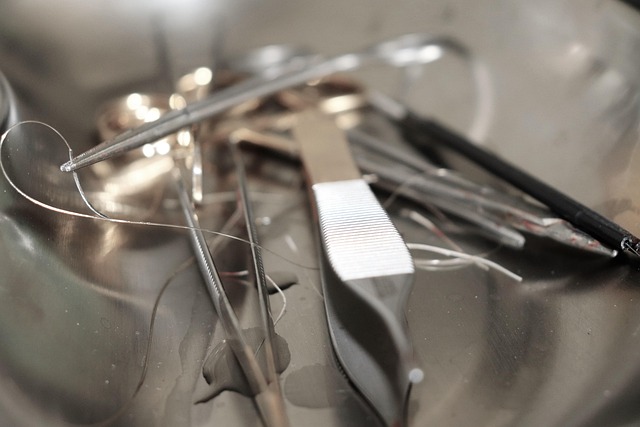
The UC Davis records and protocol excerpts also show how the work was carried out. Monkeys were trained for tasks, then brought to surgery for craniotomies and implantation. Protocols allowed for extended restraint during data collection: “up to five hours per day” in a primate chair. If an animal would not cooperate, staff could sedate and fit a collar to position the head; if restraint was still unstable, a “head-post implant” with titanium screws could be used. Those details help explain why photos and videos became so contested: they revealed concerning restraint methods, incisions, and post-op conditions. The strange material choices are a recurring theme in criticisms. Records cited in investigations describe BioGlue being applied near burr holes in at least two cases.
In one, staff elected euthanasia, then noted the principal investigator wanted to “keep the animal [alive] for another 24 hrs.” The necropsy concluded: “BioGlue was toxic to the adjacent tissues,” aligning with FDA warnings against contact with neural tissue. In a later incident, an internal adverse-effect memo acknowledged the lead surgeon “applied Bioglue to fill the dead space.” A necropsy then found BioGlue on the brain surface. Beyond adhesives, the files show practical problems that cascade. Notes mention sharp edges at a “pillbox” site, skin erosion over hardware, and “copious” antibiotic flushing for infected implants. Staff logged behaviors tied to pain or distress, like head pressing or shaking when personnel entered the room. Where infections persisted under rigid hardware, staff often could not clear them without removing the device, and several cases ended in euthanasia.
The Transport Penalty
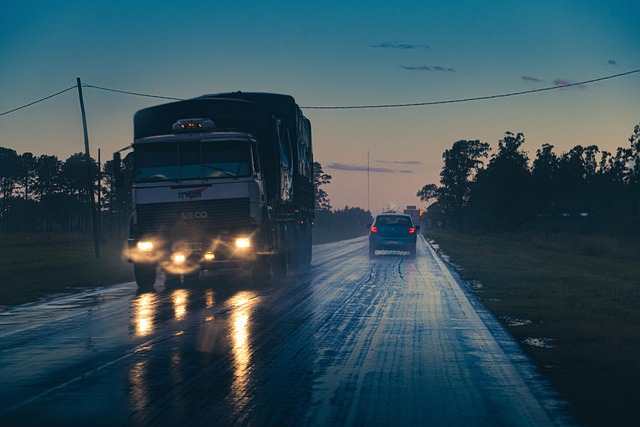
In January 2024, the Department of Transportation fined Neuralink for hazmat transport issues. Investigators said the company had failed to register as a hazardous materials transporter. The total after reductions was reported as $2,480. However, that specific fine wasn’t about animal surgery or primate care. It was simply about everyday compliance and logistics within the company’s operations. Yet, these details are still important because safety culture overall is the result of small habits. Logs and registrations all look boring until something goes wrong.
Ideally, any good team will treat small issues as early warning lights and work to tighten and improve these procedures quickly. However, some teams wave them off and consequently have to deal with bigger problems later on. That is why this small penalty still belongs in the timeline. DOT activity also followed earlier advocacy claims about transporting biological materials. Federal agencies often separate transport issues from animal-care issues, even when these issues overlap. This helps to keep the investigations clean and focused. It also means a company can potentially clear one review while still facing scrutiny elsewhere.
Read More: Footage Shows Neuralink’s First Brain Chip Patient Playing Chess With His Mind
The First Human Neuralink Implant
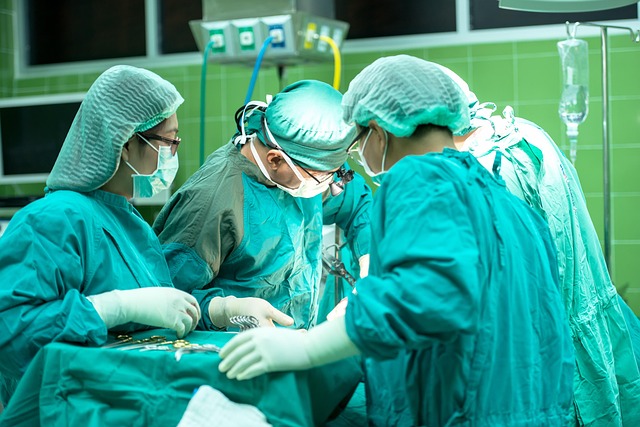
In early 2024, Neuralink implanted its first volunteer, Noland Arbaugh. The surgery happened under special FDA permission to test new devices in people. That permission is called an IDE, and it lets a company study safety and basic performance in a small group. Soon after surgery, Noland appeared in short videos published online. In these videos, he moved a cursor on a laptop and played games using his thoughts only. He also used the computer for longer stretches without help. While the demos are encouraging, they are not the final word. Early studies mainly ask two questions: Is the device safe enough, and does it work well enough to keep going? The first human use delivered visible gains for one person’s daily computing. At the same time, it was only the beginning. The next steps are longer follow-up, more volunteers, and clear reports.
When those arrive, we will see the real numbers on everything from speed to accuracy and safety. That is when everyone can judge how strong the results really are. However, Spring 2024 brought a public hiccup. Some implanted threads retracted from the brain surface in the first participant, reducing the recorded channels. The signal quality dipped, and the performance dropped significantly. Neuralink said it recovered function by updating algorithms and planned deeper thread placement going forward. Reuters reported that the FDA permitted a second implant after reviewing proposed changes. That chain of events reveals how early implants often uncover failure modes. Regulators will accept measured risk when these mitigations are credible and monitored. By late August 2024, a second participant was implanted. The company said this case avoided the retraction issue through surgical mitigations. Neuralink later posted a progress update describing steps to reduce brain motion and minimize the gap.
The Bottom Line
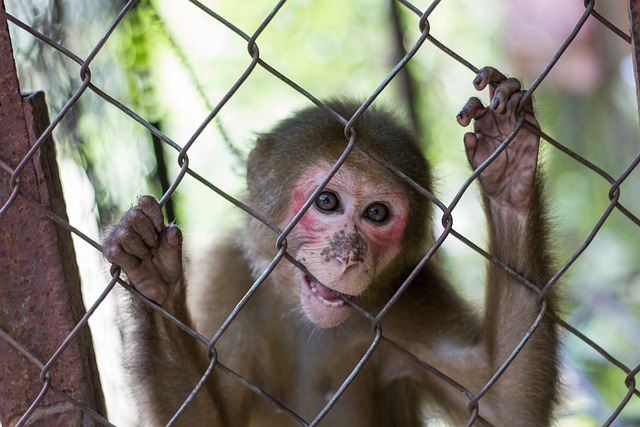
Around 1,500 animals were used over several years as the device evolved. The most troubling details come from UC Davis records that describe invasive brain surgeries, infections, restraints, device failures, and euthanasia in several primates. Those documents drove the majority of the public backlash. Yet, the regulators reached far narrower conclusions. USDA told Congress it found no Animal Welfare Act violations beyond a 2019 incident. FDA inspectors later flagged “objectionable conditions” at one facility, meaning quality-system problems to fix, not grounds for immediate enforcement. A small hazmat transport fine was added to the paper trail, but did not involve animal care.
Meanwhile, the first human volunteer gained meaningful computer control by thought. Yet some implanted threads retracted, performance dipped, and software plus surgical changes partly restored function. A second participant followed, suggesting the team is iterating. Neuralink is pushing a high-risk technology that could deliver life-changing independence for people with paralysis. However, the animal program exposed judgment calls and procedures that many find unacceptable. Trust now hinges on stronger quality systems and independent oversight. It is important that we celebrate the clear benefits, yet scrutinize the unnecessary risks to the animals’ welfare. Both can be true at once.
Disclaimer: This article was created with AI assistance and edited by a human for accuracy and clarity.
Read More: Self-Performed Brain Surgery for Dream Control Leaves Man With Lasting Damage