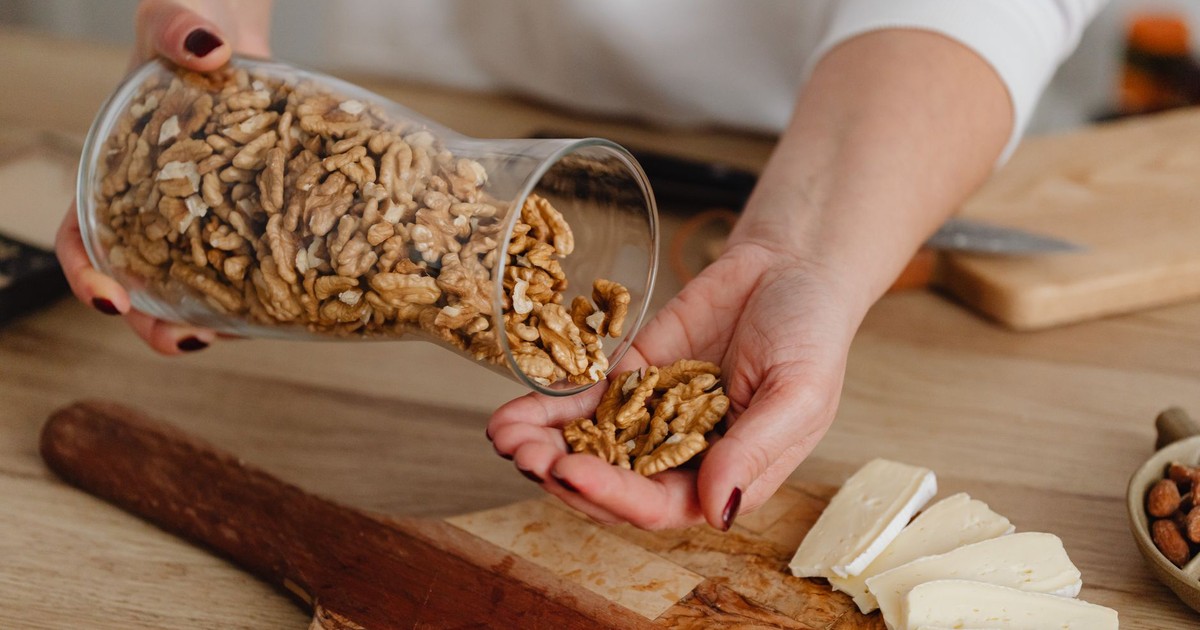

A handful of nuts is easy to overlook. They’re calorie-dense, often treated as little more than a snack, and probably aren’t the first food that comes to mind when thinking about high blood pressure.
But researchers have been paying surprisingly close attention to them.
High blood pressure often develops without obvious symptoms, quietly increasing the risk of heart disease, stroke, kidney disease, and other health problems over time. An estimated 1.4 billion people worldwide live with hypertension, yet only about one in five have it under control.
Diet is one of several factors that can influence blood pressure, and a large analysis suggests something as simple as regularly eating nuts may be associated with a meaningful difference.
In a systematic review and meta-analysis published in the British Journal of Nutrition, researchers pooled long-term data from more than 143,000 people. Those eating around 30 to 35 grams of nuts a day, roughly a small handful, had a 26% lower risk of developing high blood pressure compared with people who ate none.
That doesn’t mean a handful of almonds can prevent hypertension. But it does raise an interesting question: what is it about nuts that could make such a simple dietary habit potentially beneficial for blood pressure?
What the Research on Nuts and Blood Pressure Actually Found
Published in the British Journal of Nutrition, the systematic review and dose-response meta-analysis drew on eight prospective studies involving 143,380 participants and 20,665 hypertension cases, examining the relationship between nut consumption and hypertension risk over time.
Eating around a handful of nuts daily – between 30 and 35 grams – was linked with a 26% lower risk of hypertension compared to eating no nuts at all. The dose-response relationship, where more consumption corresponded to lower risk up to a point, lends some credibility to the association, though the observational nature of the studies means causation cannot be confirmed.
Nuts compare favorably to other plant foods already recognized for their blood-pressure benefits, including fruits, vegetables, legumes, and soy, though the dietary patterns, study populations, and methods behind each of those estimates differ and direct comparisons should be treated with caution.
Why Nuts May Help Lower Blood Pressure
Several mechanisms likely work in parallel, each influencing blood pressure through different pathways, rather than any single compound in nuts driving the association.
Nuts, including almonds, pistachios, and cashews, are reasonable sources of potassium – a mineral that research associates with blunting the blood-pressure-raising effects of sodium.
Nuts also contain L-arginine, an amino acid the body converts into nitric oxide – a molecule that dilates blood vessels, increasing blood supply and reducing pressure.
The fiber and polyphenols in nuts may also alter gut microbiota in ways associated with anti-hypertensive effects.
The British Journal of Nutrition review confirmed that nuts’ unsaturated fats and polyphenols – natural plant compounds with antioxidant properties – are also thought to support blood vessel function and cardiovascular health.
The Weight Gain Concern – and Why It Doesn’t Hold Up
One reason people skip nuts is the calorie count. A 30-gram serving of almonds runs close to 175 calories. But the concern about nuts driving weight gain – and weight gain then driving up blood pressure – doesn’t hold up under scrutiny.
Although nuts are calorie-dense, regular nut consumption is not consistently associated with weight gain. Nuts are a good source of fiber and protein, both of which promote satiety, so a handful satisfies faster and for longer than less-filling snacks like crackers or pretzels.
When nuts replace processed snacks rather than simply adding to a person’s usual intake, the net caloric impact tends to be close to neutral – and overall diet quality improves. Swapping a processed snack for a handful of unsalted nuts is unlikely to contribute to weight gain, and may do meaningful work for blood pressure over time.
If you’re already managing your blood pressure through diet, it’s also worth knowing how other common foods interact with the process – this overview of foods that affect high blood pressure covers both the ones to limit and the ones worth adding more of.
What the Study Can and Can’t Tell You
The 26% figure deserves context. While researchers found that higher nut consumption was associated with lower hypertension risk, the study does not prove that eating nuts directly prevents high blood pressure. All eight studies in the meta-analysis were observational – researchers followed people over time and recorded what they ate and whether they developed hypertension, but did not randomly assign anyone to eat nuts or avoid them.
People who routinely eat nuts tend to differ from those who don’t in other ways. They may exercise more, smoke less, eat more vegetables, or have better access to healthcare. Statistical adjustments can account for many of these differences, but not all of them. The association is consistent and large enough to be meaningful, but it should be treated as strong evidence of a link – not proof that nuts are the direct cause.
Unsalted or lightly salted nuts are the better practical choice. Heavily salted roasted nuts can contain significant amounts of sodium per serving, which works against any potential blood-pressure benefit. Honey-roasted varieties add unnecessary sugar. The association in the research applies to nuts in their whole, minimally processed form.
The geographic coverage of the evidence also has gaps. Most of the contributing studies came from Europe, the Americas, and East Asia. Large populations in South Asia and sub-Saharan Africa were not well represented, which limits how broadly these findings can be applied.
Nuts as Part of a Broader Diet Pattern
The research on nuts and blood pressure risk sits within what’s already known about plant-forward eating. The DASH diet – specifically designed to target blood pressure – includes nuts as part of a broader combination of fish, low-fat dairy, fruit, vegetables, legumes, and whole grains, and has been tested in large randomized controlled trials that demonstrated significant blood pressure reductions.
Mediterranean-style eating patterns have similar support for cardiovascular health, with nuts forming one component among many whole plant foods. Both dietary patterns treat nuts as one component among many, not as a standalone solution.
Read More: 20 Best Foods To Help Lower Blood Pressure Without Medication
What to Do With This Information
The 26% figure is certainly attention-grabbing, but it needs to be kept in perspective. The studies included in the analysis were observational, meaning they found an association between eating nuts and a lower risk of developing hypertension. They cannot prove that nuts themselves caused that reduction.
Still, nuts fit comfortably within dietary patterns that already have much stronger evidence behind them. The DASH diet includes nuts alongside fruits, vegetables, legumes, whole grains, fish, and low-fat dairy, while Mediterranean-style diets similarly emphasize nuts as one part of a broader plant-forward eating pattern.
There also doesn’t appear to be one magic variety. Almonds, walnuts, pistachios, cashews, and other nuts provide somewhat different combinations of unsaturated fats, fiber, minerals, and plant compounds. Choosing unsalted or lightly salted varieties makes the most sense when blood pressure is the concern.
Perhaps the most practical way to think about the findings is as a swap rather than an addition. Replacing a highly processed snack with a small handful of nuts changes more than just one food. It shifts the overall nutritional makeup of the diet.
Nuts aren’t a treatment for high blood pressure, and they don’t replace medication when it is needed. But as one small part of an overall heart-healthy diet, this research suggests that a handful a day may be a habit worth considering.
Disclaimer: This information is not intended to be a substitute for professional medical advice, diagnosis, or treatment and is for information only. Always seek the advice of your physician or another qualified health provider with any questions about your medical condition and/or current medication. Do not disregard professional medical advice or delay seeking advice or treatment because of something you have read here.
AI Disclaimer: This article was created with the assistance of AI tools and reviewed by a human editor.
Read More: The Missing Half of Blood Pressure Advice: Why Potassium Matters As Much As Salt