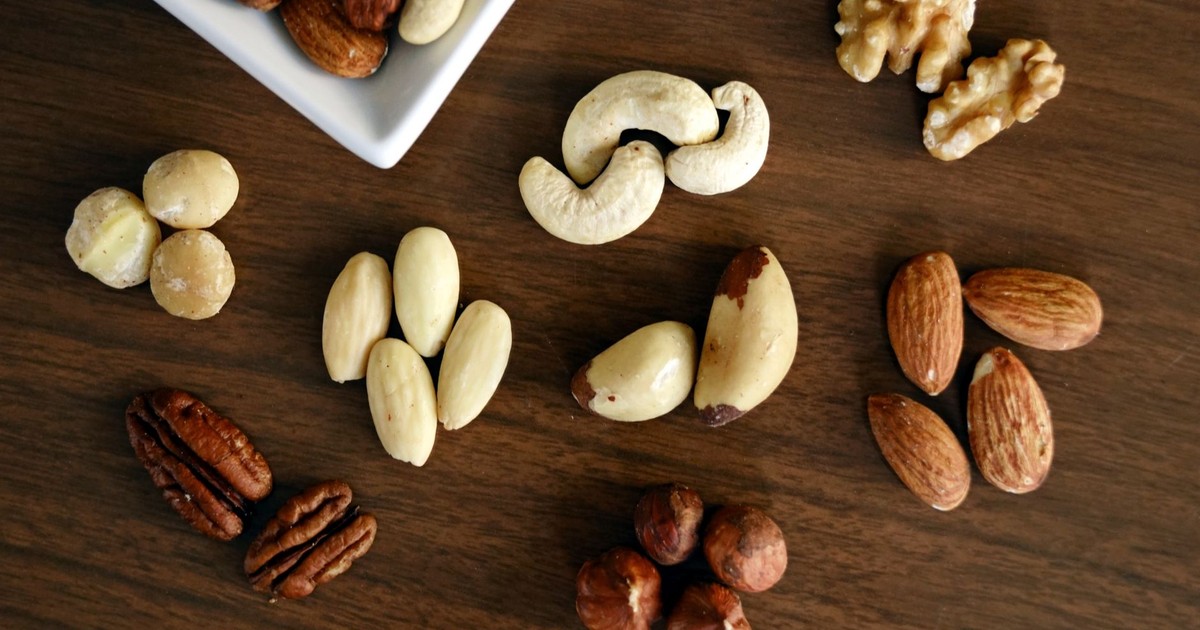

A single gram separates a modest benefit from a significantly larger one. A large 2026 analysis answered longstanding questions about nuts and blood pressure with unusual precision, and the amount it identified is small enough to fit in the palm of your hand.
The finding came from a 2026 meta-analysis published in the British Journal of Nutrition, which pooled data from eight prospective studies involving 143,380 participants. People consuming about 28 grams of nuts per day – roughly one standard handful – showed a 20% lower relative risk of developing hypertension compared to those eating few or no nuts. When intake edged up to 30 – 35 grams daily, the modeled reduction climbed to 26%.
Hypertension affects an estimated 1.4 billion people worldwide and contributes to nearly 8% of disability-adjusted life years globally. Diet is one of the few controllable factors that reliably moves blood pressure in the right direction, and nuts appear to be a well-supported tool in that approach.
Why Nuts Lower Blood Pressure
Nuts affect blood pressure through more than one pathway. A meta-analysis of 13 randomized controlled trials in the British Journal of Nutrition found that pistachio consumption decreased systolic blood pressure by 2.12 mmHg. Systolic pressure is the top number in a blood pressure reading and the one most tightly linked to stroke and heart disease risk in adults over 50.
Nuts contain potassium and monounsaturated and polyunsaturated fatty acids, and are among the better whole-food sources of magnesium. Magnesium helps regulate vascular tone and is involved in endothelial function, which governs how the inner lining of blood vessels controls blood flow. L-arginine, also found in nuts, is a precursor to nitric oxide, a molecule that relaxes and widens blood vessels, directly reducing pressure on artery walls.
A 2024 review in Frontiers in Physiology confirms that magnesium influences blood pressure through modulation of vascular tone and sympathetic nervous system activity. The sympathetic nervous system drives the “fight or flight” response, and chronic overactivation raises blood pressure. Low dietary magnesium intake has also been associated with an increased risk of developing hypertension, making nuts – which are among the better whole-food sources of magnesium – particularly relevant for people managing blood pressure through diet.
Which Nuts Do the Most for Blood Pressure?
Pistachios have the strongest effect among nut types on reducing systolic blood pressure in adults. Pistachios contain monounsaturated fatty acids and high amounts of phytosterols – plant compounds associated with reductions in oxidized LDL cholesterol and improved antioxidant status.
Walnuts work through a distinct mechanism. They contain alpha-linolenic acid (ALA), a plant-based omega-3 fatty acid the body uses to support cardiovascular function. A Penn State randomized controlled trial found that eating walnuts daily while reducing saturated fat intake led to measurable reductions in central blood pressure – the pressure measured closer to the heart, which is a clinically relevant marker. A 2025 review also confirmed that walnuts reduced LDL cholesterol and blood pressure without posing risks to electrolyte balance, even in patients with chronic kidney disease.
For people managing blood pressure through diet, rotating nut types across the week is a reasonable approach. Pistachios, walnuts, almonds, and hazelnuts each bring slightly different fatty acid profiles and mineral compositions, and varying them captures a broader range of the compounds associated with benefit.
How Much Is Actually Enough?
Dose-response analyses in the 2026 British Journal of Nutrition meta-analysis modeled how risk changes at different intake levels. Approximately one handful of nuts per day appeared to offer the greatest benefit for blood pressure reduction. When intake reached 30 – 35 grams per day, the modeled risk reduction for hypertension climbed to 26%, compared to 20% at 28 grams. That puts the practical range at roughly one small handful to one and a half handfuls per day. Going above 35 grams does not appear to add additional blood pressure benefit, though it does increase caloric intake – nuts run roughly 160 – 200 calories per 28-gram serving depending on type.
You can read more about foods that support healthy blood pressure and how nuts fit into a broader eating strategy at The Hearty Soul.
The Calorie Question – and How to Eat Nuts Without Overdoing It
A 28-gram serving of nuts runs roughly 160–200 calories depending on variety. Two handfuls daily adds up quickly. People who add nuts to their regular diet tend not to gain equivalent weight, partly because the fiber, protein, and fat content increases satiety and reduces appetite at other meals.
The practical approach is substitution rather than addition. Swapping an afternoon handful of chips, crackers, or pretzels for mixed unsalted nuts tends to improve both calorie balance and nutritional quality. Salted roasted nuts are acceptable in moderation, though added sodium partially offsets the blood pressure benefit – unsalted or lightly salted versions are preferable for people specifically targeting hypertension management.
The DASH diet – the most evidence-backed dietary approach to managing high blood pressure – explicitly includes nuts as a core food group, alongside a low-sodium, potassium-rich eating pattern.
Read More: 10 of The Best Ways to Help Combat High Cholesterol and High Blood Pressure
What This Means for You
The target range from the current research is 28 – 35 grams per day – one standard handful to a generous handful. That’s the range where the association between nuts and lower blood pressure is strongest. There is no evidence that more is better beyond that threshold for blood pressure specifically, and the calorie math becomes less favorable above it.
Pistachios are the most studied variety for blood pressure and are worth making a regular part of the rotation. Walnuts add the distinct benefit of plant-based omega-3 fatty acids and appear to work well alongside a reduction in saturated fat from other sources. Almonds and hazelnuts contribute magnesium and monounsaturated fats. Any of these, eaten consistently at around one handful per day, are a practical and evidence-supported addition to a blood pressure management strategy.
Nuts work best as part of an overall dietary pattern rather than in isolation. A diet low in sodium, rich in potassium and magnesium, and limited in processed foods will amplify whatever benefit nuts provide. If you’re already on blood pressure medication, nuts are a complement to that treatment – not a replacement. If your readings have been creeping upward, this is a low-effort dietary change with a credible evidence base behind it.
Disclaimer: This information is not intended to be a substitute for professional medical advice, diagnosis, or treatment and is for information only. Always seek the advice of your physician or another qualified health provider with any questions about your medical condition and/or current medication. Do not disregard professional medical advice or delay seeking advice or treatment because of something you have read here.
AI Disclaimer: This article was created with the assistance of AI tools and reviewed by a human editor.