
Sometimes, the nights meant for laughter end up as memories nobody wants to relive. In Santa Catarina, Brazil, a police officer and his wife were found dead in a bathtub after what was supposed to be a fun night out after spending the day celebrating their daughter’s fourth birthday. The mix of alcohol, cocaine, and extreme heat turned their celebration into tragedy. Now, the little girl they adored has no parents to come home to.
A Happy Day That Went Wrong
It all started as an ordinary birthday. On August 11, in São José, officer Jeferson Luiz Sagaz, 37, and his wife Ana Carolina Silva, 41, celebrated their daughter’s fourth birthday surrounded by family and friends. They laughed, ate, and posted pictures like any proud parents would. Later that evening, they decided to go out again, maybe to unwind a bit more. They hit a nightclub and afterward checked into the Dallas Motel just after midnight. Their little girl stayed with Jeferson’s sister.
By morning, when the couple hadn’t shown up or called, relatives began to worry. Hours later, investigators arrived at the motel. They found both of them inside a bathtub filled with steaming hot water. The temperature was about 50°C (122°F), way above what a human body can handle. A space heater in the room was running full blast.
Toxicology reports later confirmed high alcohol levels in both their bodies and traces of cocaine. The forensic report described their deaths as exogenous poisoning, followed by heatstroke, dehydration, and organ failure. There was no evidence of drowning or foul play. It was just a terrible, fatal mix of bad decisions and bad luck.
Who They Were
Those who knew them say they were good people. Jeferson had worked for years as a military police officer, known for being calm and friendly. Ana Carolina owned a nail salon in town and had a small circle of loyal clients. She loved her daughter fiercely. They had been together for nearly twenty years.
Friends said they were happy. No one saw anything like this coming. Some relatives of Ana Carolina questioned the cocaine findings, saying she didn’t use drugs and might have been pressured into trying them that night. Nobody knows for sure. What everyone agrees on is that they were kind, hardworking parents who made one mistake too many that night.
Community Shock and Reaction
News of the couple’s death quickly spread through São José, leaving friends, neighbors, and colleagues in disbelief. Their sudden loss sparked conversations in the community about the hidden risks of substance use and heat exposure.
The local police department released a statement expressing condolences and calling the event a “painful reminder of the fragility of life.” Social media filled with tributes, candles, and photos of happier times. Some people blamed the drugs; others focused on the need for mental health and stress awareness within law enforcement families. For a small community, the tragedy felt both intimate and unsettling.
Image credit: Shutterstock
The Chain of Risk Factors
How could a celebration end this way? It wasn’t one single cause, but a chain reaction. Substances, heat, and dehydration all fed into each other until their bodies gave up.
Alcohol and Cocaine
Drinking and using cocaine together is already a dangerous mix. Alcohol slows the body, while cocaine speeds it up. Together they form cocaethylene, a toxic substance that strains the heart and clouds the brain. The combination dulls awareness, blurs judgment, and messes with how your body feels temperature.
Experts believe the pair became too impaired to notice how hot the water was. Instead of relaxing, their bodies began overheating. They probably never even realized what was happening.
Imaged credit: Shutterstock
The Heat Factor
The bath water was dangerously hot. Anything above 42°C can cause dizziness, heat stress, or burns. At 50°C, your body starts to shut down within minutes. With a heater also blowing in the room, it created a mini-sauna effect. Once your body temperature rises too high, your heart struggles, and organs begin to fail.
Dehydration and Collapse
Drinking makes you lose fluids. Sitting in hot water accelerates that. When dehydration sets in, blood thickens, and the heart has to work harder. Eventually, the body can’t cool itself anymore. The medical report said they died from thermal collapse and organ failure. It’s a clinical way to say their bodies just couldn’t take the heat.
Slowed Reactions
Usually, if water feels too hot, you jump out. But under the influence of alcohol and cocaine, the brain’s reaction time slows. The heat feels less painful at first. Muscles relax too much, and judgment fades. By the time the danger registers, it’s already too late.
Understanding Heatstroke and Substance Use
Heatstroke happens when the body’s temperature rises faster than it can cool down. Normally, sweat helps release heat, but when someone is dehydrated or in a humid, enclosed space, that process fails. In a bathtub that’s already hotter than the body’s safe range, this can happen in minutes.
Cocaine increases heart rate and blood pressure while restricting blood vessels, which traps heat inside the body. Alcohol makes things worse by widening blood vessels and causing fluid loss, leaving less blood to circulate through vital organs.
Together, these substances trick the brain into thinking it’s comfortable, even as the body overheats. Victims often lose consciousness quietly, without obvious distress. Doctors warn that such combined factors create a “silent killer” effect. Many people underestimate how quickly heatstroke progresses once the body’s core temperature exceeds 40°C (104°F).
Being away from home only made things worse. No one was around to check on them or notice that something was wrong. Hours passed before their family realized they hadn’t returned for their daughter. By the time police arrived, it was too late.
Substance Use and Police Culture
Several reports in Brazil and worldwide have noted the growing stress within police and military circles. Long shifts, public pressure, and exposure to trauma can lead some officers to use alcohol or stimulants to cope.
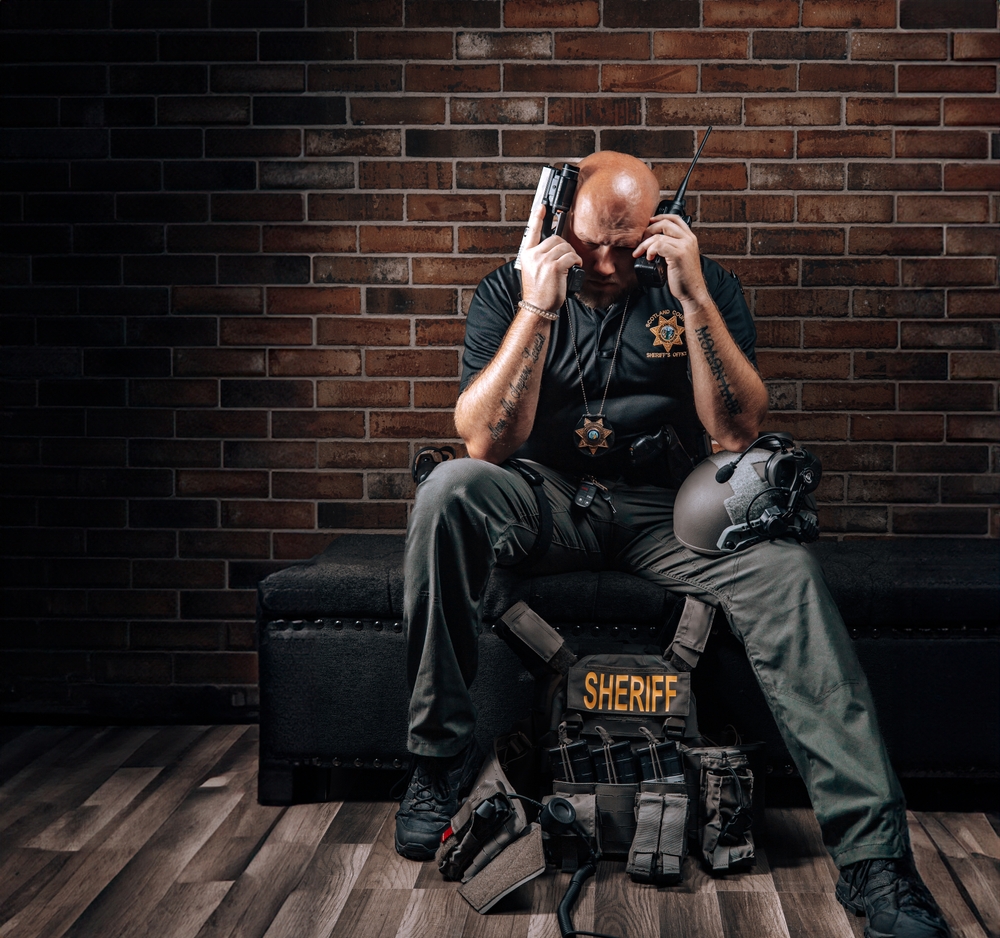
In Jeferson’s case, colleagues described him as professional but often exhausted. It’s unclear whether stress played a direct role that night, but the broader issue remains. Experts argue that police departments often overlook mental health support, focusing instead on discipline and performance.
Substance use can become a quiet escape, hidden behind uniforms and pride. Tragedies like this one highlight the urgent need for psychological care and open discussions about coping mechanisms in high-stress jobs.
A Celebration That Shifted into Tragedy
This wasn’t just another case file. It was the story of two people who wanted to relax after a day full of love and laughter. They had spent the day celebrating their daughter’s birthday surrounded by friends and family. Later that night, they decided to go out again, maybe for one last drink or a quiet moment away from the crowd. It was supposed to be harmless, just a continuation of a happy day.

After the celebration, they stopped by a nightclub and then checked into a motel, thinking it would be a nice end to the night. They filled the bathtub, poured a few drinks, and probably felt completely safe. But celebrations mixed with exhaustion can blur judgment. Under the influence of alcohol and cocaine, the couple likely lost awareness of what was happening around them until it was too late.
The Child Left Behind
The most painful part of this story is what it left behind. Their four-year-old daughter went to bed happy, believing her parents would be there in the morning. Instead, she woke to a world changed forever. She is now being cared for by relatives, surrounded by grief, she’s too young to understand.
For those who knew the family, the loss feels surreal. Jeferson and Ana Carolina weren’t reckless people. They were loving parents who made one bad decision on a night that should have been filled with joy. Their story reminds us that life can shift from ordinary to tragic in seconds. It shows how easily trust in comfort, substances, or routine can lead to irreversible loss.
Read More: How to Deal with Grief: Beautiful Advice from an Old Man

Awareness Is Everything
Most tragedies happen because people assume they’re safe. A bathtub doesn’t look dangerous. Neither does a space heater. But when awareness fades, risk multiplies. Staying alert, even during fun or relaxation, can mean the difference between life and death.
Beyond the science and safety lessons lies the heartbreak. A family is shattered, and friends are grieving. And a child grows up with questions that no one can answer. Every decision we make, no matter how small, can shape someone else’s life.
Staying Safe in Everyday Life
If there’s one good thing to take from this, it’s awareness. Tragedies like this can be prevented.
- Don’t mix alcohol or drugs with hot baths, saunas, or jacuzzis.
- Always test the water temperature before getting in.
- Keep rooms ventilated when using heaters.
- Stay hydrated, especially if drinking.
- Have someone sober nearby if you’re partying.
- Take breaks from heat exposure.
These simple steps might sound boring, but they can save lives.

Image credit: Shutterstock
Public Awareness and Safety Lessons
Following the investigation, safety experts emphasized how quickly environmental factors can become deadly when mixed with intoxication. Health officials encouraged hotels and motels to install automatic water temperature regulators and provide clearer safety signage near baths and heaters. Some even suggested mandatory emergency buttons in private suites.
Public education campaigns have since gained attention, focusing on heat safety, alcohol moderation, and drug awareness. This tragedy also sparked a conversation about the importance of teaching families to recognize early signs of heat exhaustion, such as confusion, dizziness, and flushed skin.
By promoting awareness, authorities hope fewer people will find themselves in similar danger. The lesson isn’t just about avoiding substances, it’s about understanding how simple environmental choices can tip the balance between safety and disaster.
Closing Thoughts
This story hurts to read because it feels so human. Two parents wanted a night to themselves after giving their daughter a happy day. They made choices that, in the moment, probably felt harmless. But life doesn’t always give second chances.
It’s not about judging them. It’s about remembering how fragile our balance can be when we stop paying attention. Alcohol, drugs, heat, exhaustion. None of them alone is guaranteed to be a killer, but together they can tip the scales fast.
Their daughter’s birthday will never be just a birthday again. It’s now a reminder of how joy and loss can share the same night. Maybe, if their story makes someone else think twice before mixing substances or cranking up the heat, their loss won’t be completely in vain.
Life asks for awareness, even in moments of celebration. Sometimes, that’s all it takes to come home safe.
Read More: Texas Police Department Reels After Four Deputies Die by Suicide in Six Weeks