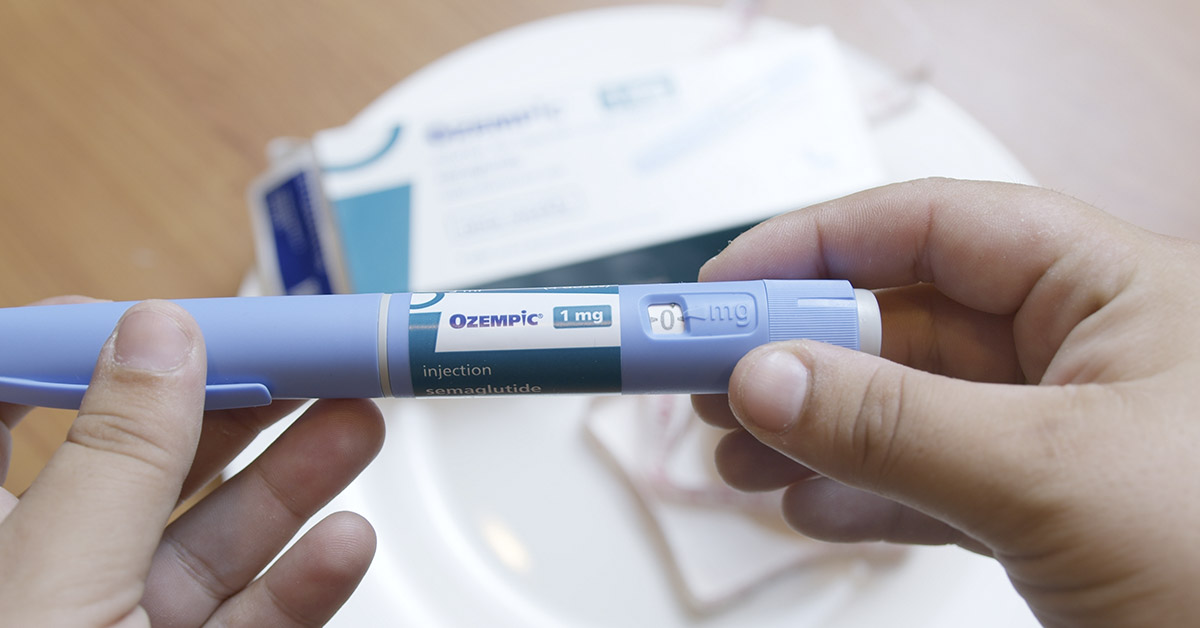

“Ozempic sex” is a new side-effect that users have reported experiencing, resulting from taking GLP-1 medications. It describes the unexpected changes people experience in their libido while taking GLP-1 medications like Ozempic. Users report drastically different effects on their sexual desire. Some lose all interest in intimacy, while others experience renewed passion after years of low libido.
Internet circles and especially Reddit users have openly discussed this phenomenon, with users sharing their experiences on forums dedicated to Ozempic experiences. One user wrote that their sex drive “totally just quit and left” after starting the medication. Another shared that their libido “left the building” completely. However, some users report the opposite effect, with one person noting they gained desire after “years without any desire at all”.
How Ozempic Affects Your Brain’s Reward System

While GLP-1 medications were primarily used for managing blood sugar levels particularly in type 2 diabetic patients. It has recently gained popularity for weight loss. However, little research has been conducted on GLP-1 medications like Ozempic’s effects on brain chemistry. Ozempic targets the pathways that are tied to dopamine, motivation and appetite suppression.
Rachel Goldman, a physiologist at NYU Grossman School of Medicine, notes that GLP-1s impact the brain’s reward center. This explains why users experience less food noise and fewer cravings. The same mechanism may also reduce sexual interest and arousal.
Why Some Users Lose Their Sex Drive

Weight loss does come with changes in hormonal balance and rapid weight loss from Ozempic can disrupt your hormonal balance. Hormonal imbalances can lead to a decreased libido in both men and women taking the medication.
Reduced calorie intake contributes to lower energy levels throughout the day. When you eat less, your body has less fuel for physical activities. This energy deficit makes sexual activity feel less appealing or physically demanding.
The Physical Side Effects That Impact Intimacy
Ozempic’s gastrointestinal effects can interfere with sexual activity and desire. Nausea, diarrhea, and constipation make physical intimacy uncomfortable. These symptoms peak during the first few weeks of treatment. Bloating and stomach discomfort can negatively impact body image and confidence during intimate moments. Users report feeling self-conscious about their appearance when experiencing these side effects.
Fatigue from rapid weight loss and reduced calorie intake impacts sexual energy. Users struggle to maintain physical stamina during sexual activity. This exhaustion affects both sexual desire and performance capabilities.
How Weight Loss Can Boost Your Libido
Some users, however, report the inverse of users who report a loss of their sex drive due to Ozempic. In some reported cases, users report an improvement of sexual activity and a boost in their libido. There are many factors of Ozempic that could potentially facilitate better a libido. Physiological factors such as weight loss and better blood sugar level improves heart health, subsequently meaning better blood flow. Better circulation benefits sexual arousal and performance in both men and women. David B. Sarwer from Temple University notes that obesity increases sexual dysfunction rates.
Improved sleep quality from weight loss boosts testosterone production during deep sleep phases. Higher testosterone levels increase sexual desire and performance. This effect particularly benefits people whose obesity previously disrupted their sleep patterns.
Gender Differences in Ozempic Sex Effects
Men may experience increased testosterone levels as they lose weight on Ozempic. This hormonal change can boost libido and improve erectile function. However, some studies suggest non-diabetic men face higher erectile dysfunction risks while taking semaglutide.
Women experience different hormonal changes during Ozempic treatment and weight loss. Estrogen levels may fluctuate as body fat decreases, affecting sexual arousal and desire. These hormonal shifts can either increase or decrease libido depending on individual factors.
Read More: Exploring Reports of Tooth Issues Linked to Ozempic Use
Both genders report feeling more attractive and sexually confident after losing weight. This psychological boost often translates into increased sexual activity and satisfaction. Sleep improvements from weight loss particularly benefit men’s testosterone production patterns. Women may experience different sleep-related benefits that affect their sexual health. Individual responses vary significantly based on starting weight and overall health status.
The Role of Hormones in Sexual Changes
Rapid weight loss disrupts the delicate balance of sex hormones in your body. Fat tissue plays a crucial role in hormone production and regulation. When you lose weight quickly, these hormonal systems need time to adjust.
Cortisol levels may also change during rapid weight loss periods. Chronic stress from dramatic body changes can suppress sexual desire. Managing stress becomes important for maintaining healthy sexual function during treatment.
What Research Shows About Ozempic and Libido
Current research on GLP-1 medications and sexual function remains limited but growing. Most studies focus on diabetes management rather than sexual side effects. However, emerging research suggests these medications significantly impact sexual behavior and desire.
A 2025 study by Tveit and colleagues proposed that GLP-1 agonists reduce sexual desire. The researchers suggest these medications enhance serotonergic activity in the brain. This mechanism mirrors how some antidepressants cause sexual side effects.
Animal studies show that GLP-1 medications affect dopamine receptors in reward pathways. These findings suggest the medications may reduce motivation for various pleasurable activities. However, human studies are needed to confirm these effects.
What to Do If You Experience Changes
Consult your healthcare provider immediately if you notice significant changes in sexual desire. Your doctor can evaluate whether the medication dosage needs adjustment. They may also recommend strategies to manage sexual side effects.
Document your symptoms and their timing to help your healthcare provider make informed decisions. Keep track of when changes occur relative to dosage increases. This information helps determine the best treatment approach for your individual situation.
Read More: Trial Shows Ozempic-Like Medications May Help Manage Chronic Migraines