

Our feet are a truly amazing part of our bodies. They contain 26 bones each, second only to our hands, which contain 27 each. Together, our two feet and our two hands account for 106 of the 206 in the adult human body. What our feet do for us each day is even more impressive. Their structure allows us to walk and helps us to stay balanced. We often take them for granted, enduring aches, pains, blisters, and the like without much thought. Our feet, however, can be important indicators of our overall health. There are certain signs that should never be ignored – paying attention to these subtle and sometimes drastic clues can help us catch a health problem early. These include everything from circulatory issues to serious infections.
What Your Feet Are Telling You About Your Health
It’s easy to dismiss foot discomfort as just another part of aging or the result of a long day. Your feet, however, are complex structures, interconnected with your entire body. When something is amiss in your general health, your feet are often among the first to send out warning signals – only we are completely oblivious to them. Ignoring these signs can lead to worsening conditions, not just in your feet, but throughout your body. These are 11 foot signs that doctors say you should not disregard.
1. Sudden Changes in Arch Height or Foot Shape
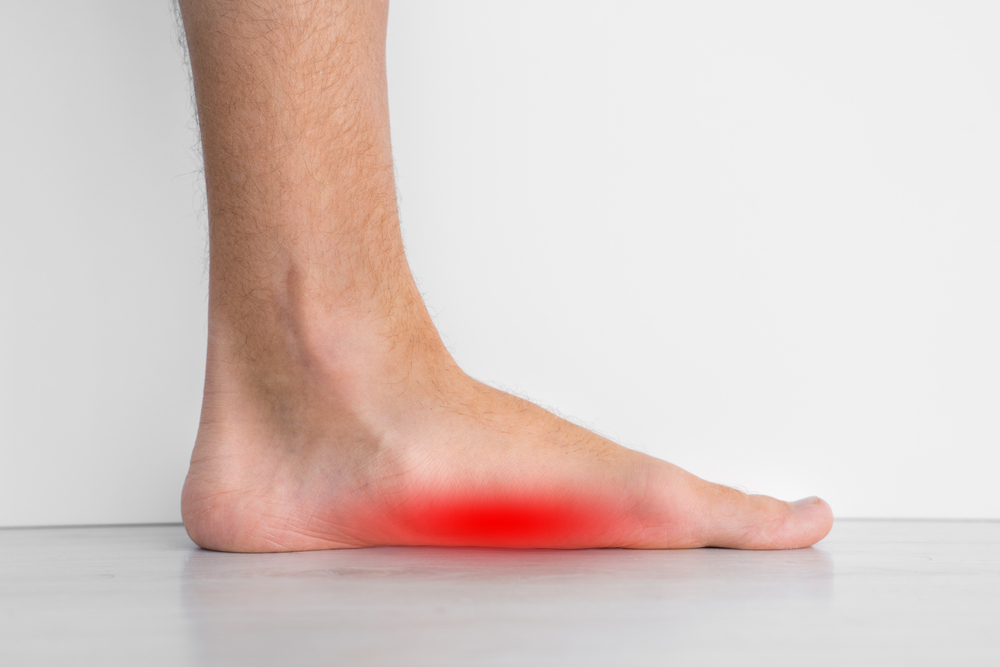
Have you noticed your arch suddenly flattening, or your foot spreading out more than usual? This can sometimes indicate a problem with the posterior tibial tendon, which is crucial for supporting your arch. If this tendon weakens or tears, it can lead to adult-acquired flatfoot. Early detection and treatment can prevent more severe deformity and pain.
“Sometimes we catch it really late because people just didn’t realize, or they thought it was a sprain and walked through it for years,” says Dr. Anne Sharkey. “Then there’s surgeries and reconstructions to bring that tendon back to where it was.”
2. Whether or Not the Hair on the Toes Is Still Growing

While it might seem like a strange detail, the presence or absence of hair on your toes can be a surprisingly good indicator of your circulatory health. If you notice that the hair on your toes has stopped growing, or your toes appear unusually shiny and hairless, it could be a sign of poor blood circulation. This is a common symptom of peripheral artery disease (PAD), where narrowed arteries reduce blood flow to your limbs.
“Skin needs blood to grow, grass needs water to grow, and if we aren’t getting enough blood down here, we’re not going to grow hair.” Says Dr. Sharkey.
3. Sudden Pain in Your Big Toe

A sudden, intense pain in your big toe, often accompanied by redness, swelling, and warmth, is a classic symptom of gout. According to the Mayo Clinic, gout is a form of arthritis caused by a buildup of uric acid crystals in a joint. While it often affects the big toe, it can occur in other joints, too. It’s incredibly painful and requires medical attention to manage and prevent future attacks.
4. A Red or Irritated Ingrown Nail
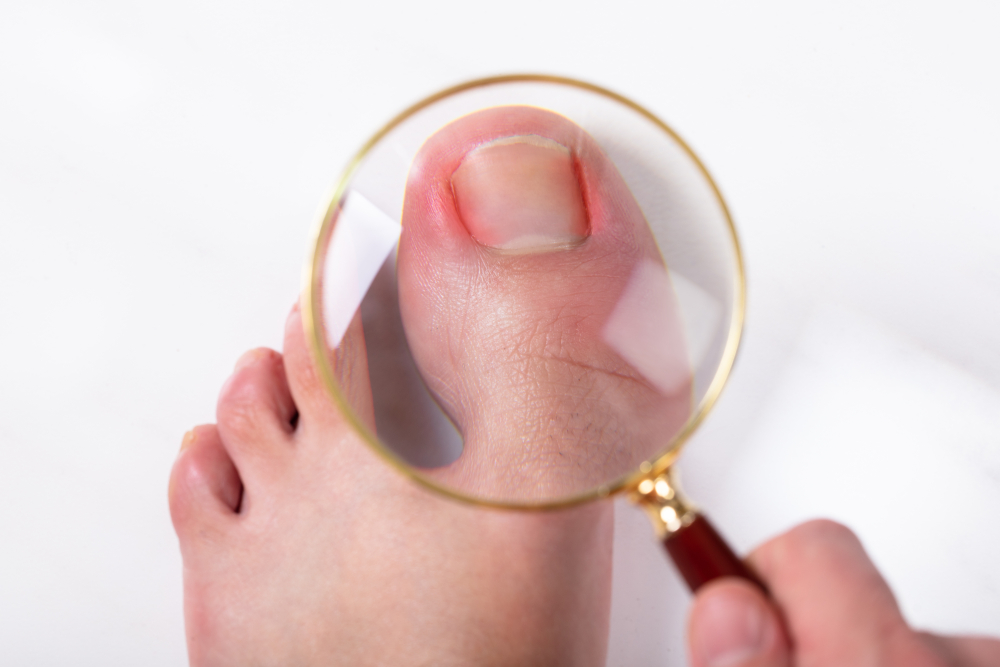
While many people experience ingrown toenails, a red, swollen, painful, or pus-filled ingrown nail is not something to ignore. This indicates an infection, which can worsen if left untreated. This is especially for individuals with diabetes or compromised immune systems. It’s important to have it professionally treated to prevent more serious complications.
5. Leg Swelling That Doesn’t Resolve Itself With Elevation

Occasional leg swelling, especially after standing for long periods, can be normal. However, if you experience persistent leg swelling that doesn’t go down after elevating your legs, it could be a sign of a more serious underlying condition. This could be heart failure, kidney disease, liver disease, or deep vein thrombosis (DVT). Seek medical care immediately to determine the cause and get treated as quickly as possible.
6. Numbness or Tingling in the Feet

Experiencing “pins and needles“or persistent numbness in your feet can be a symptom of nerve damage. This is known as peripheral neuropathy. This can be caused by various conditions, including diabetes, vitamin deficiencies, alcoholism, and certain autoimmune diseases. Neuropathy can lead to a loss of sensation, making you more prone to injuries that you might not feel.
Read More: Are Crocs Bad For Your Feet? Here’s When to Skip Them
7. A Dark Streak in Your Toenail
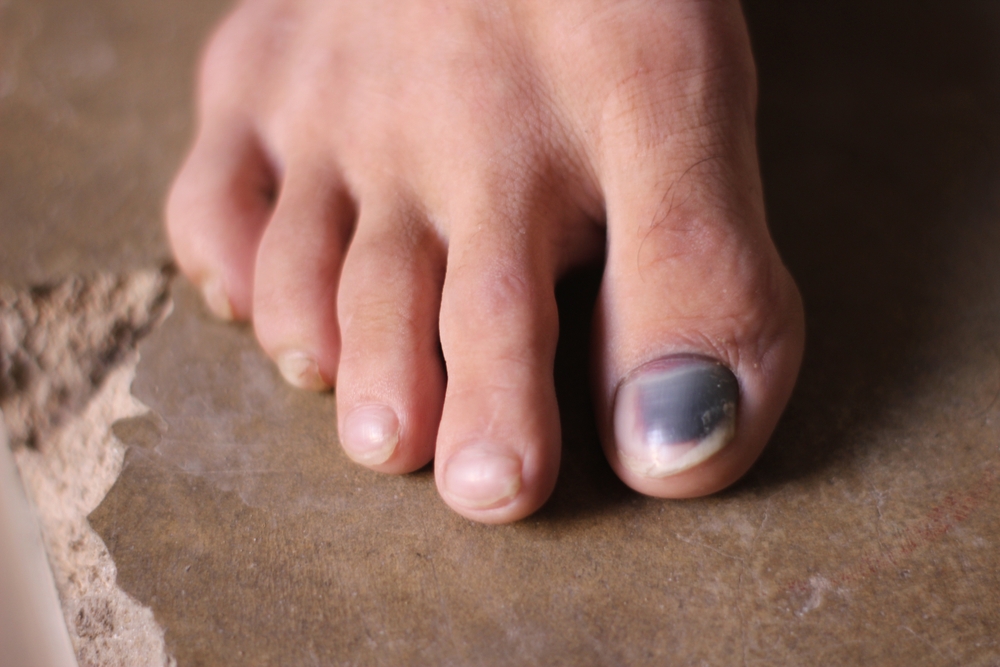
Most people associate dark streaks on the skin with melanoma, but it can also appear under a toenail. A dark streak, especially one that widens or changes color, could be a sign of subungual melanoma. This is a very serious form of skin cancer. Don’t assume it’s just a bruise; have it checked by a doctor immediately.
8. An Ankle That Rolls All the Time

If you find your ankle constantly “giving way” or rolling, even on flat surfaces, you might have chronic ankle instability. This often develops after repeated ankle sprains that haven’t healed properly. Without intervention, it can lead to further injuries, pain, and potentially early-onset arthritis in the ankle joint.
9. An Inability to Pull Your Foot Up

Difficulty or an inability to lift the front part of your foot (a condition known as “foot drop”) can be a sign of nerve damage or a neurological problem. This can make walking difficult and increase the risk of tripping and falling. It’s crucial to identify the underlying cause, which could range from a pinched nerve in the leg or back to more serious conditions like stroke or multiple sclerosis.
10. Sudden Onset of Pain, Swelling, Warmth, or Redness of the Ankle or Mid-Foot
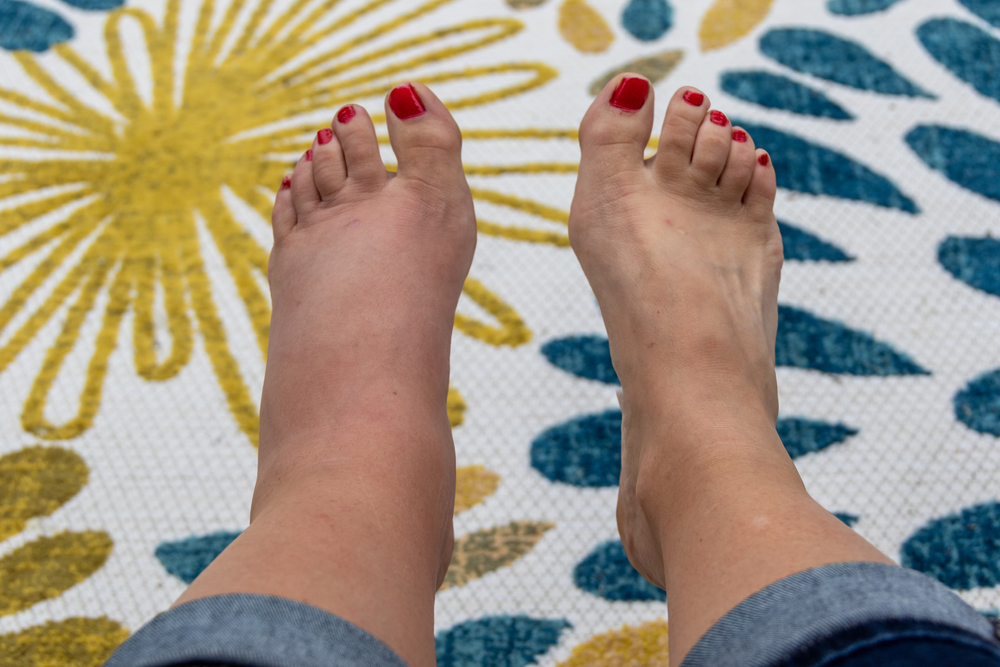
These symptoms, especially if they appear suddenly without a clear injury, can indicate a serious issue. It could be a severe infection, a stress fracture, or even a deep vein thrombosis (DVT) if accompanied by leg swelling. This combination of symptoms warrants immediate medical attention to diagnose and treat the cause.
11. The Inability to Bear Weight on an Injured Foot After a Few Days

It’s normal to experience some pain and difficulty bearing weight immediately after an injury. However, if you are still unable to put weight on your foot or ankle after a few days, or the pain intensifies, it’s a red flag. This could indicate a fracture, a severe sprain, or other significant damage that requires professional medical assessment and treatment.
“I generally tell them that if you’re still not able to put weight on the foot three to four days after the injury, it needs to be seen,” says podiatrist Damien Roussel. “That indicates a more significant injury than they probably anticipated,”
The Bottom line
Your feet are more than just a means of transport; they are intricate barometers of your health. Ignoring persistent or sudden changes in your foot health can delay crucial diagnosis and lead to more serious complications. By paying attention to these 11 signs and seeking timely medical care when necessary, you can ensure your feet and your overall health remain in good standing. Don’t hesitate to consult a doctor or podiatrist if you notice any of these warning signs.
Disclaimer: This information is not intended to be a substitute for professional medical advice, diagnosis or treatment and is for information only. Always seek the advice of your physician or another qualified health provider with any questions about your medical condition and/or current medication. Do not disregard professional medical advice or delay seeking advice or treatment because of something you have read here.
Read More: Can Magnesium Oil on Feet Boost Sleep Quality and Ease Pain?