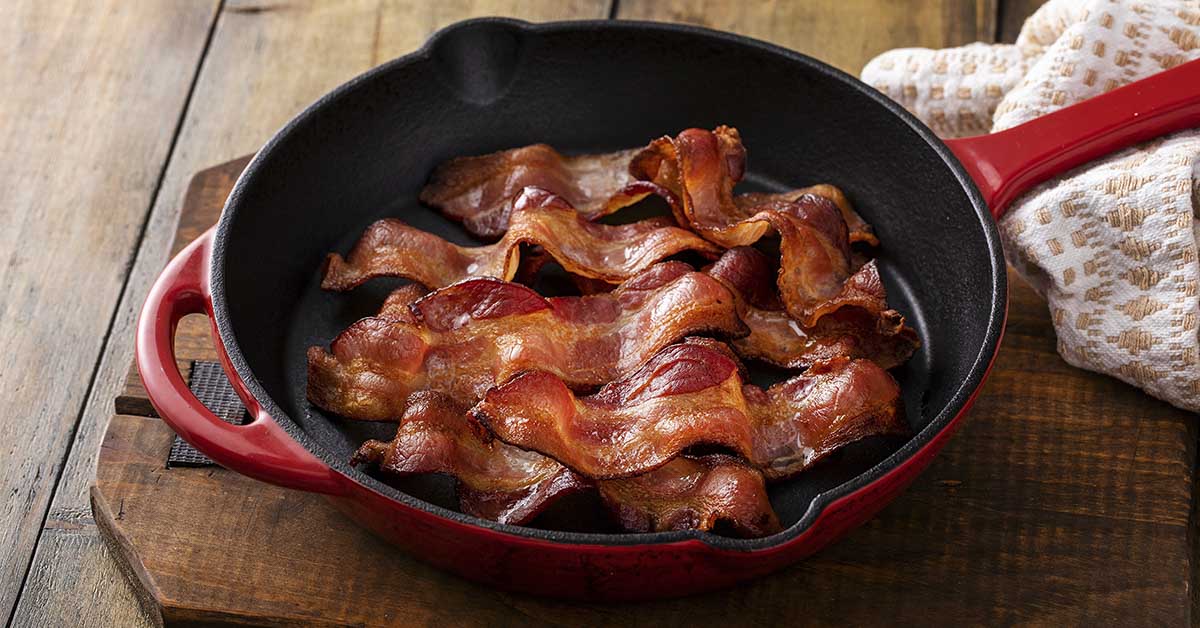

Are you a die-hard bacon fan, with no breakfast, sandwich, or burger being truly complete without it? Then you may or may not want to continue reading. A recent medical case has revealed a potential harrowing consequence of eating undercooked pork products – including bacon – over many years.
Mysterious Headaches Lead to Life-Threatening Diagnosis
Seemingly out-of-the-blue, an unnamed 52-year-old man began suffering from severe migraine headaches and intense pain at the back of his head. This pain went on for several weeks. He finally decided to seek medical help, where the doctors discovered something shocking: his brain was riddled with cyst-like lesions. Further tests confirmed that these cysts were full of tapeworm larvae.
These parasites, specifically the larvae of Taenia solium (a pork tapeworm), had infected his brain. It caused a condition known medically as cysticercosis. The man had to spend several weeks in intensive care being treated for this dangerous infection.
The Link to Bacon: A Lifelong Preference for Soft, Lightly Cooked Pork
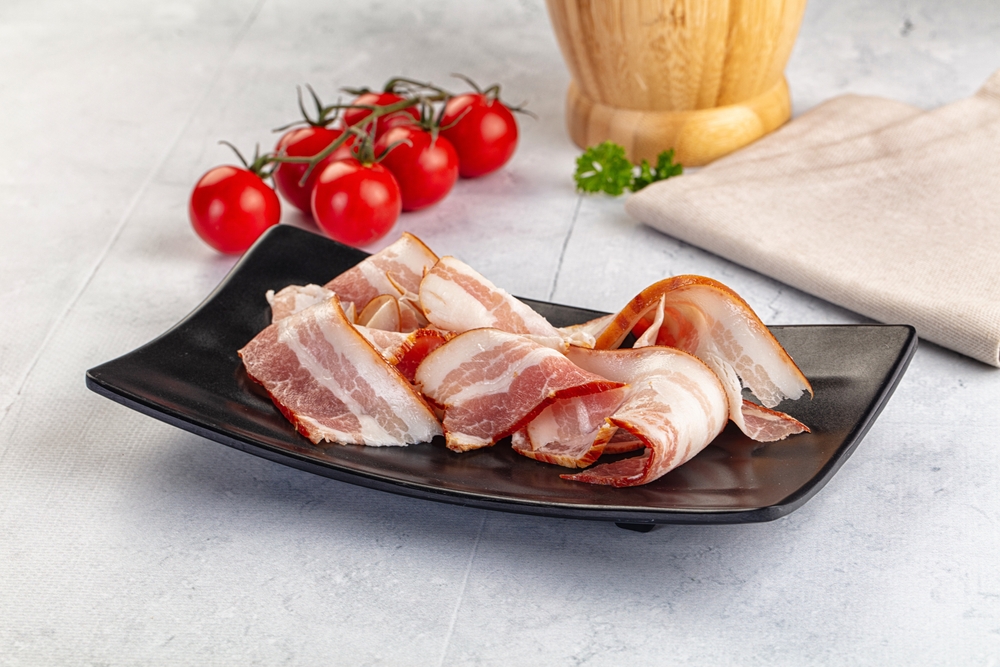
The doctors couldn’t imagine how the man had acquired such an extensive tapeworm invasion in his brain. That is, until they began asking him questions about his life and habits. The source of the infection was in the man’s own cooking and eating habits. He confessed that he had a lifelong preference for “lightly cooked” bacon – bacon that was almost raw and never crispy. This preference for soft bacon allowed the tapeworm larvae to survive and infect his system over years of consumption.
Unlike larger cuts of pork, where internal temperature can be checked with a meat thermometer, bacon is a bit different. Its thinness makes it harder to ascertain if it is adequately cooked just by touch or look. That being said, this thinness also means it should cook quickly under proper conditions. People with more standard preferred levels of cookedness for bacon, and especially those who like it crispy, shouldn’t have any problems.
Understanding Cysticercosis and Pork Tapeworms
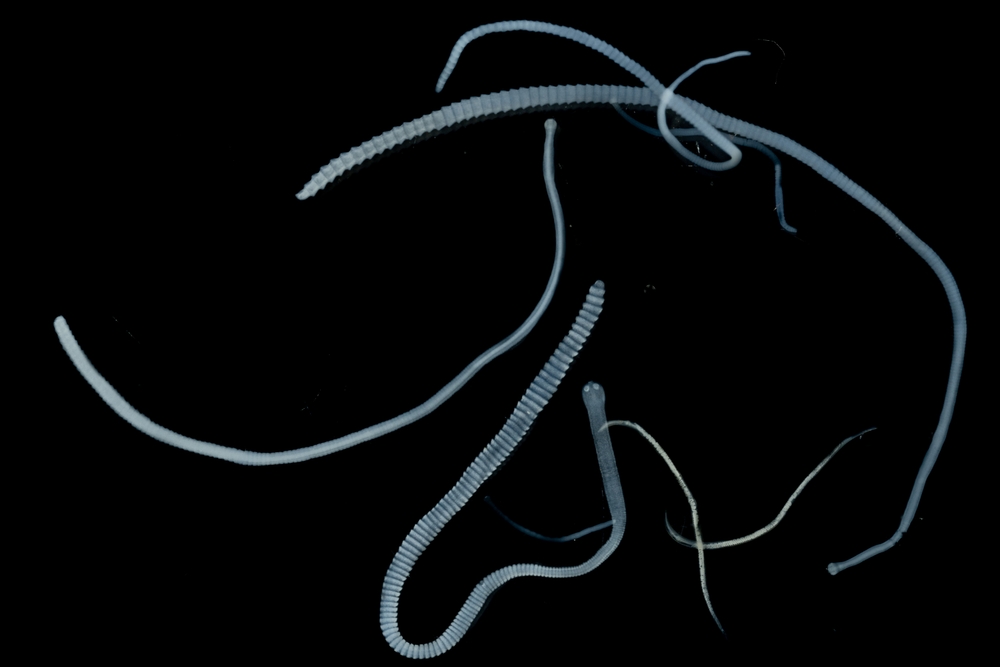
Cysticercosis results when tapeworm larvae infect bodily tissues after ingestion of tapeworm eggs or larvae. These can be present in undercooked pork. Taenia solium tapeworms are commonly found in pigs, making the consumption of infected pork the main risk factor for contracting an infection. While historically unusual in countries like the United States, this case highlights the ongoing potential public health risks of consuming undercooked pork products.
Safe Consumption of Pork and Proper Cooking of Bacon
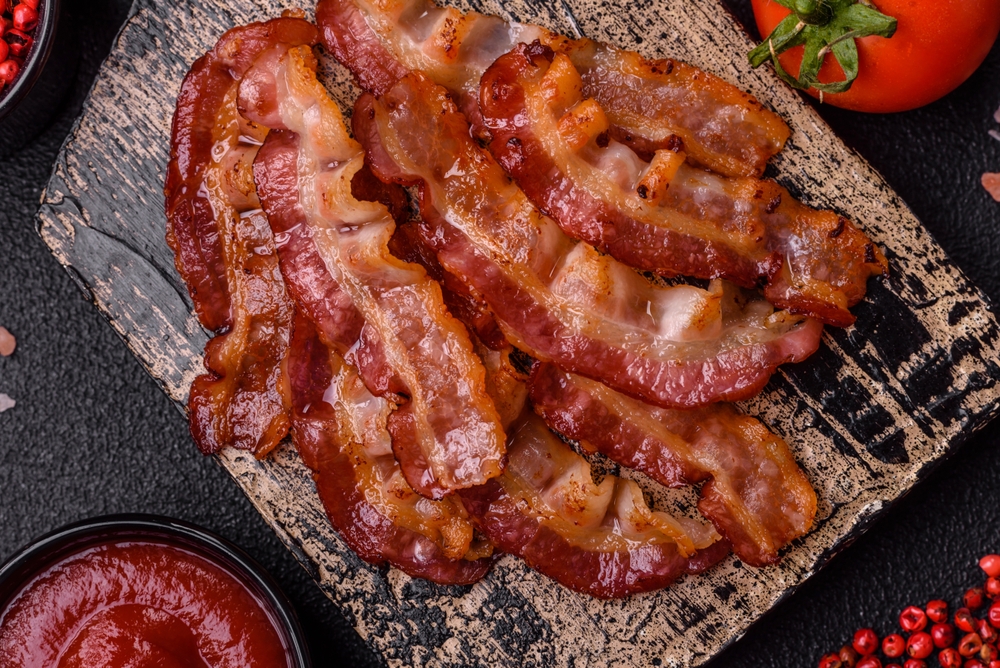
Bacon lovers don’t distress – you can still eat bacon and other pork products without fear, provided that you cook it properly. To prevent such infections and other foodborne illnesses, it’s essential to follow the following guidelines to ensure that your food is fully cooked and safe:
- Cook to the correct temperature: Health guidelines recommend cooking pork to an internal temperature of at least 145°F (63°C). For bacon, which is thin and cooks quickly, achieving this temperature is usually easier but still crucial.
- Avoid undercooking: Consuming meat that is even lightly cooked or raw can be dangerous, as parasites like the pork tapeworm can survive. Pork is not like steak – it must be fully cooked, every time.
- Proper bacon preparation: Food experts suggest letting bacon rest at room temperature for around 15 minutes before cooking. This helps the bacon cook more evenly on the stovetop or in the oven. However, do not leave it out for more than two hours to avoid bacterial growth.
By following these precautions, you can enjoy bacon safely without increasing your risk of infections such as cysticercosis or other foodborne illnesses.
The Bottom Line
Bacon remains a popular breakfast favorite around the world. This doesn’t need to change, however, this cautionary tale serves as a reminder of the importance of proper cooking techniques. Your beloved BLT could be far safe – and less horrifying – if cooked the right way.
Read More: Death of Teen Attributed to Tapeworm Eggs Found in His Brain from Eating Undercooked Pork