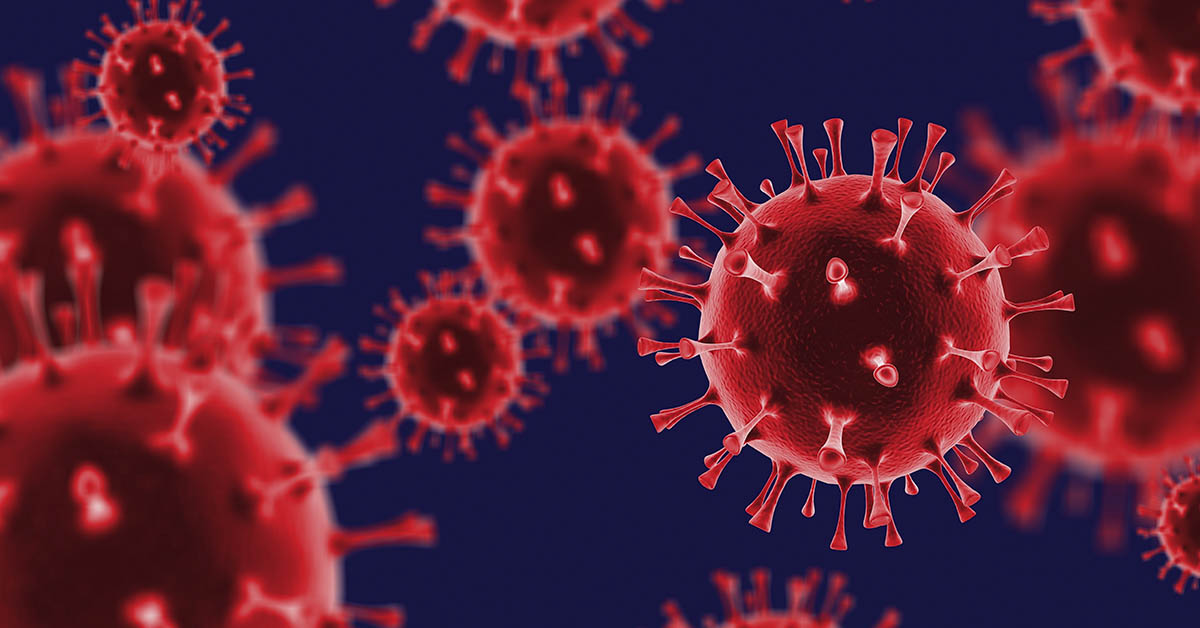

Recent research highlights a significant rise in disorders of gut-brain interaction (DGBI), such as irritable bowel syndrome (IBS) and functional dyspepsia, since the onset of the COVID-19 pandemic. Data collected from surveys in the UK and the US emphasize the growing impact of the pandemic on gastrointestinal health and its interplay with mental well-being.
What Are Gut-Brain Axis Disorders?
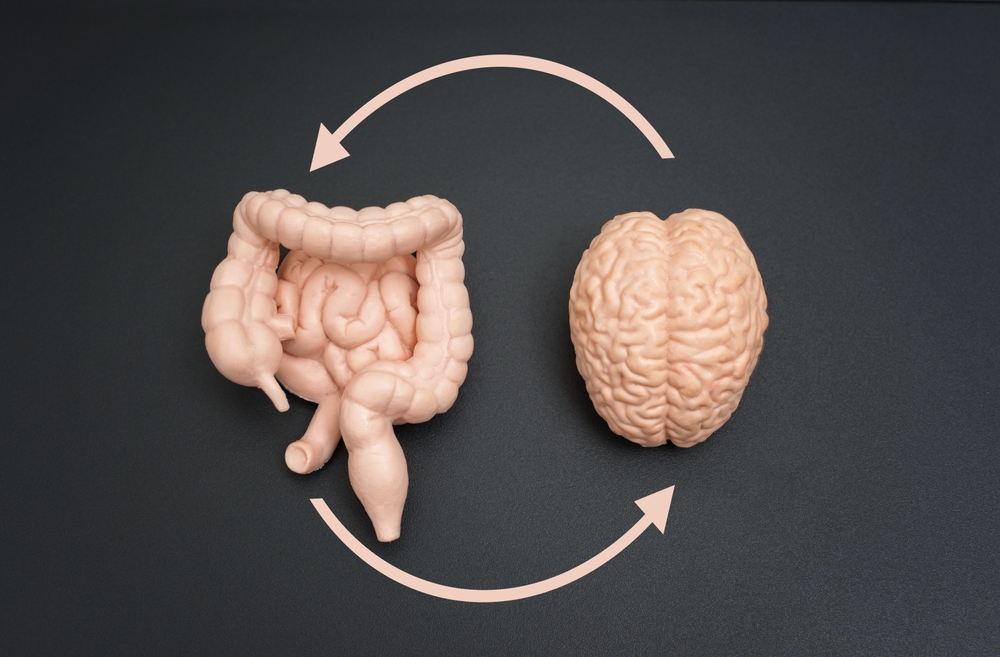
Gut-brain axis disorders, also known as disorders of gut-brain interaction (DGBI), refer to a group of conditions characterized by chronic gastrointestinal symptoms. These symptoms arise from disruptions in the complex communication network between the gut and the brain. This bidirectional system involves neural, hormonal, and immune pathways that regulate digestive functions as well as mood and behavior. When this communication is impaired, it can lead to symptoms such as abdominal pain, bloating, altered bowel habits, and nausea, without any obvious structural abnormalities in the digestive tract. Common examples include irritable bowel syndrome (IBS) and functional dyspepsia. These disorders often coexist with psychological conditions like anxiety and depression, underscoring the intricate link between mental health and gastrointestinal function.
Rising Prevalence of Gut-Brain Disorders Post-Pandemic
A study led by Dr. Imran Aziz from Sheffield Teaching Hospitals NHS Foundation Trust in the UK compared survey data from 2017 (pre-pandemic) and 2023 (post-pandemic) to track the prevalence of DGBI in adults. Utilizing the Rome IV diagnostic questionnaire, the research involved about 4,000 adults in both periods. The findings revealed a significant increase in overall DGBI prevalence from 38% pre-pandemic to 47% post-pandemic, with similar patterns in both countries surveyed. Specifically:
- Esophageal disorders: Increased from 9% to 10%
- Gastroduodenal disorders: Rose from 12% to 16%
- Bowel disorders: From 30% to 33%
Notably, functional dyspepsia rose by nearly 44% from 8% to 12%, while IBS saw a 28% increase, from 5%to 6%. This surge was consistent across genders and all adult age groups.
Multiple Contributing Factors

Dr. Aziz attributed the rise in these disorders to several factors related to the COVID-19 pandemic. Not only does the SARS-CoV-2 virus have a direct effect on the gastrointestinal tract, but the psychological stress imposed by pandemic life also plays a critical role. The study identified several COVID-specific factors that contribute to DGBI, including:
- Number of COVID-19 infections experienced
- Symptoms during infection, such as abdominal pain and diarrhea
- The presence of long COVID
In addition to these physical factors, mood disturbances like anxiety and depression have become more common among those experiencing DGBI post-pandemic. Although this particular study did not establish causality, prior research suggests a complex bidirectional relationship where mood disorders can precede gut symptoms or vice versa.
“In this study, we found that COVID-viral related factors contributing to DGBI include number of infections, abdominal pain and/or diarrhea during COVID-19 infection, and long COVID,” Dr. Aziz explained. “We also observed increased mood disturbances among people with DGBI in the post-pandemic era, but this study did not determine the direction of causality. Previous studies have shown that in one third of DGBI cases the mood disturbance precedes gut symptoms, while in two third of cases gut symptoms precede mood disturbances.”
Could Our Own Habits Be Partially to Blame?

Widespread social distancing and lockdown measures drastically altered our daily routines during the COVID-19 pandemic. This led many people to adopt more sedentary lifestyles with significantly reduced physical activity. This decrease in movement, combined with an increased consumption of ultra-processed, energy-dense foods high in fats and sugars and a reduction in fresh, nutritious options, contributed to weight gain and metabolic disruptions such as insulin resistance and chronic inflammation.
These physiological changes not only impacted physical health but also impaired brain function by promoting systemic and neuroinflammation, altering gut microbiota, and disrupting the gut-brain axis. Consequently, this complex interplay contributed to a rise in disorders of gut-brain interaction and heightened risks of mental health issues like anxiety and depression. This illustrated how the pandemic’s lifestyle shifts have had far-reaching effects on both gastrointestinal and psychological well-being.
Clinical Implications and Management
Given the notable increase in DGBI cases and the complexity of their causes, experts urge healthcare providers to recognize post-COVID gut disorders as part of the wider long COVID spectrum. Dr. Asis recommends following existing clinical guidelines for conditions like functional dyspepsia and IBS in managing post-COVID cases. He emphasizes the importance of a holistic treatment approach addressing both gastrointestinal symptoms and accompanying psychological issues. Many long-COVID clinics have adopted integrated care models that combine medical and mental health support, which seems to be the most effective method so far.
The Bottom Line
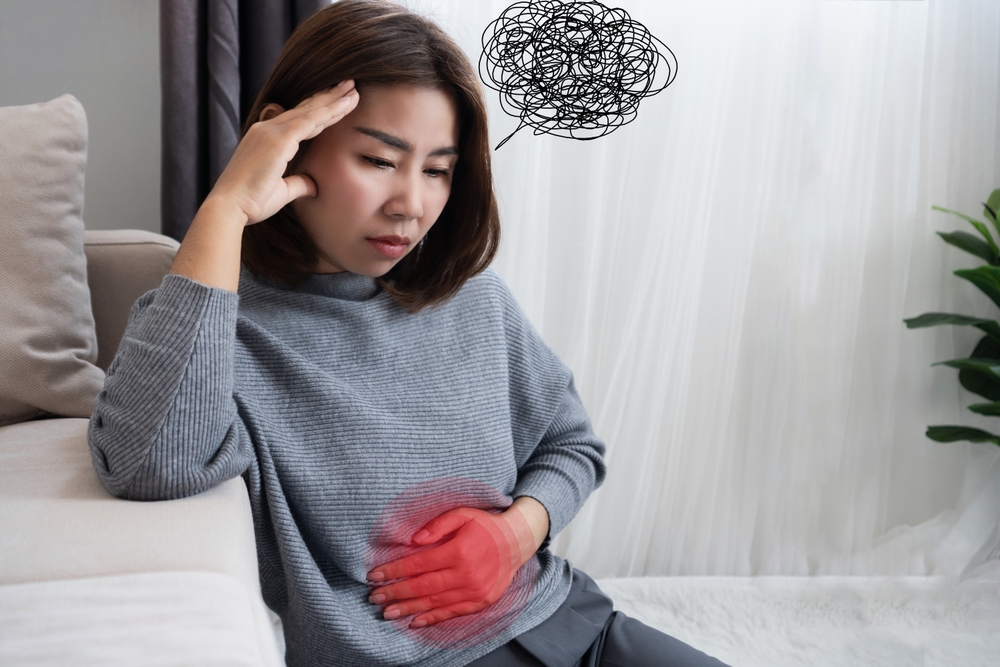
The COVID-19 pandemic has not only challenged public health in terms of respiratory illness but has also led to a surge in gut-brain interaction disorders. This rise underlines the need for increased awareness among healthcare providers and patients about the gastrointestinal and psychological aftermath of the virus. Further targeted research is necessary to understand mechanisms fully and develop specialized treatments to improve outcomes for those suffering from these complex post-pandemic health issues.
Read More: 8 Diseases That Could Lead To The Next Pandemic