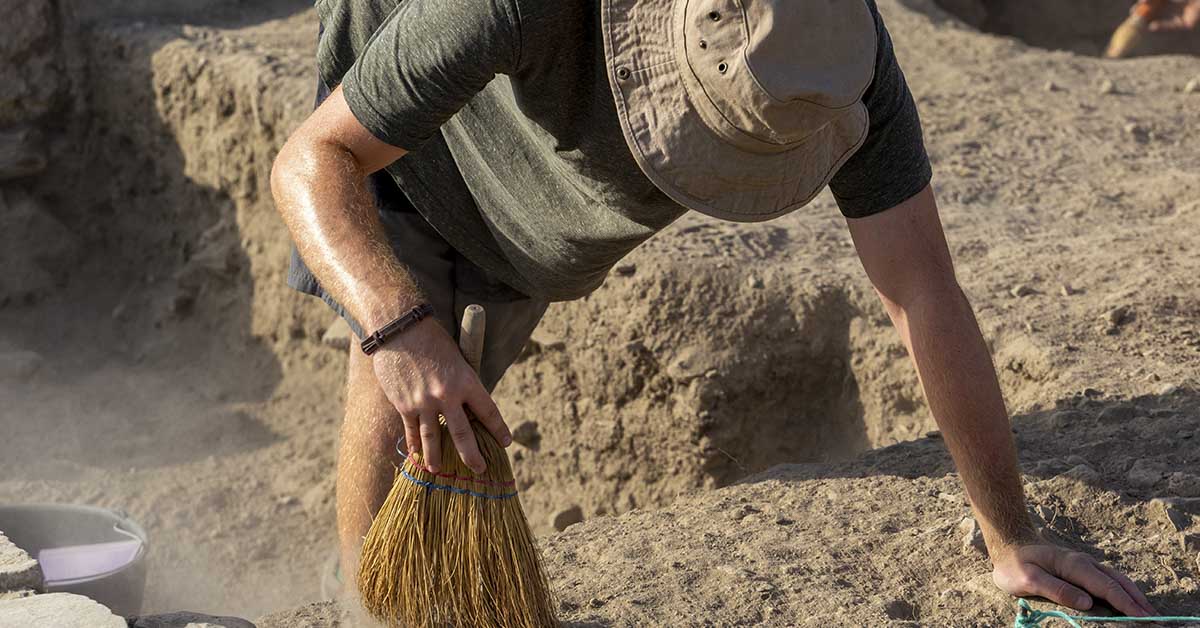

Archaeologists in Jerusalem say they have uncovered something that feels like a bridge between history and faith. A prehistoric dam, almost 2,800 years old, turned up right near the Pool of Siloam. People know this place from the Bible, where Jesus supposedly healed a blind man. What makes this exciting is not just the age, but the fact it is the biggest and oldest dam found in Jerusalem. It shows how old communities fought hard to manage water in a land that could be both dry and stormy at the same time.
Discovery and Dating
The discovery happened in the City of David, which is the heart of old Jerusalem. The dam sits only steps away from the ancient pool. Researchers pulled out twigs and branches trapped inside the mortar and used them to date structure That testing pointed to around 805 to 795 BC, maybe during the reign of King Joash or Amaziah. The discovery gives historians a clearer picture of what life was like back then.
The size of the dam is impressive. It’s about 39 feet high, almost 70 feet long, and more than 25 feet wide. For that time period, this was no small project. Stone blocks, mud, and organic materials went into its build, which is why parts of it survived thousands of years. Even today you can see how solid their work was. It really does speak to how organized the community must have been, because you don’t just throw something like this together overnight.
Why It Was Built
Rainfall in Jerusalem wasn’t always steady. Sometimes nothing fell, sometimes storms rolled in and water poured through the valleys. The dam was meant to solve both problems. It gathered water from the Gihon Spring while also holding back floods. In a way, it acted like an early climate defense system, giving people water to drink and use, while stopping sudden destruction.
This is what makes the discovery more than just stones. It tells a story of survival. People knew water could make or break their lives, so they built a system to control it. Without something like this, crops might fail and the city would have been vulnerable.
Biblical Connection
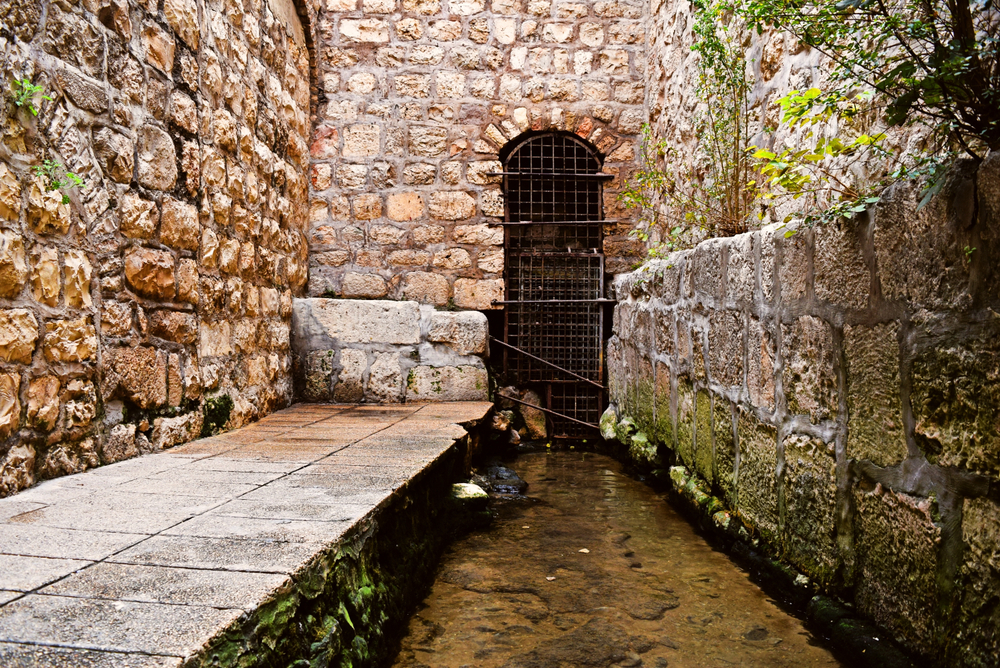
Now, here’s the part that gives the dam extra weight for people of faith. It was built right next to the Pool of Siloam, the same place mentioned in the Gospel of John. Jesus is said to have sent a blind man there to wash his eyes, and after that the man could see. The dam itself came hundreds of years earlier, but the link is powerful. You can stand there and imagine layers of history stacked one on top of another.
For visitors today, it’s not just about old stones. It’s about standing in a spot where engineering, survival, and spiritual stories all meet. The sacred waters, the biblical reservoir, it all ties people back to something much larger than themselves.
Life in Ancient Jerusalem
What does this dam tell us about the people who lived then? We can see they were resourceful. Building a project this size needed planning, labor, and cooperation. It also shows the city’s leaders valued protecting their people and securing a future. Jerusalem was already becoming important, both politically and religiously, and water meant everything.
Imagine the workers hauling rocks under the sun, children maybe helping carry smaller loads, or families watching their fathers spend weeks on the job. Behind the structure are human hands and daily lives. They probably never thought their hard work would still stand almost three thousand years later, but here we are talking about it.
Climate Lessons and Comparisons
The story doesn’t just stay in the past. The dam was a response to droughts and sudden storms, problems we still deal with now. Today the conversation is called climate change, but really humans have always been trying to cope with nature’s ups and downs.
Other cities built systems too. Mesopotamia had canals, Egypt had reservoirs, and Jerusalem had its dam and later Hezekiah’s Tunnel. All these projects show how people worldwide leaned on engineering to protect their lives. It’s a global theme, and this dam is one more piece of the puzzle.
Read More: 2,000-Year-Old ‘Jesus Boat’ Discovered Near the Sea of Galilee
Reactions and Impact
Experts at the Israel Antiquities Authority called it one of the most impressive finds from the First Temple period. They were excited by how intact it was and how much it can tell us. Each discovery in Jerusalem adds another piece to its complicated story.
For tourism, this is also big. The City of David site already draws crowds, and the dam will give even more reason to visit. Pilgrims especially might find meaning in the closeness to the Pool of Siloam, walking the same ground where faith and old stone walls connect.
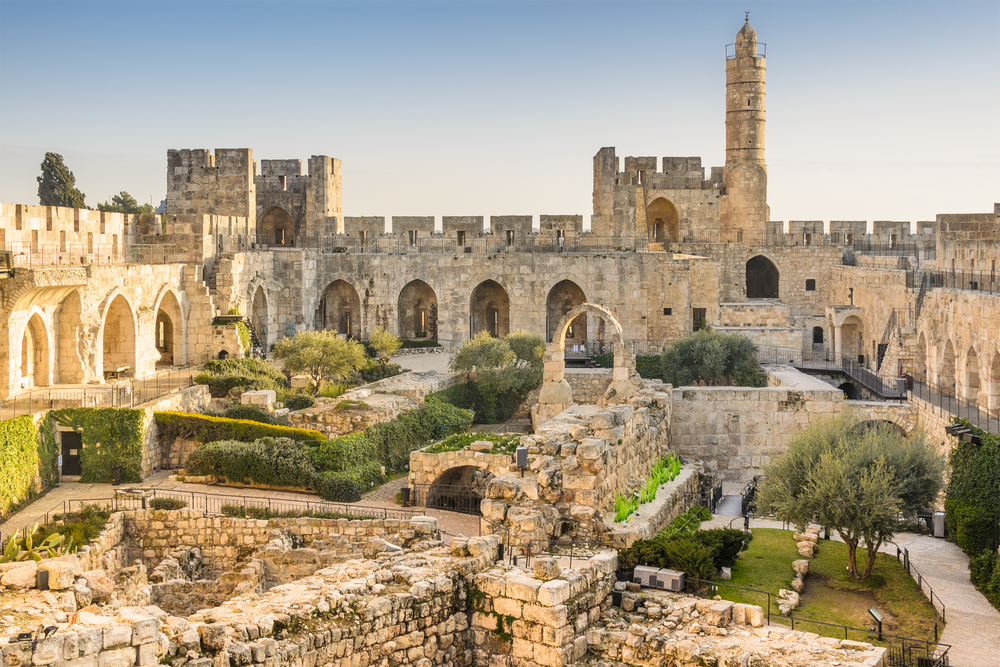
This dam is more than ancient rock. It’s a reminder of resilience and shows that people figured out how to survive with limited resources. It connects to the Pool of Siloam, bringing together sacred tradition with hard evidence of history. It feels like a lesson for us. If people three thousand years ago could adapt to unpredictable weather, maybe we can too.
Final Thoughts
The dam found near the Pool of Siloam is a rare gift from the past. It blends human effort and spiritual memory. Standing after nearly three millennia, it is proof that determination and ingenuity leave long shadows. Archaeologists may have uncovered just another structure, but to many people, it is something bigger. It is a symbol that history, faith, and survival are never far apart, even now.
Read More: New Research Suggests Two Biblical Miracles by Jesus May Be Historically True