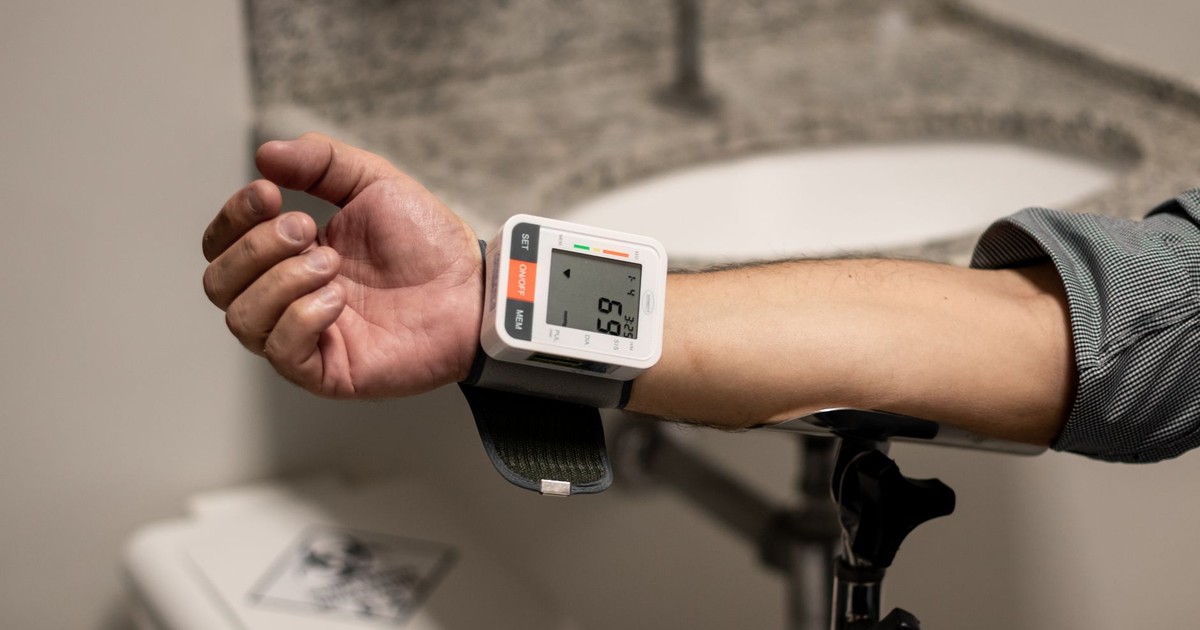

Most people who have elevated blood pressure feel completely fine. Not just mildly fine, but genuinely, convincingly, go-about-your-day fine. That’s the detail that makes prehypertension – now officially called elevated blood pressure – so clinically tricky: the body doesn’t announce it.
Prehypertension rarely announces itself the way a broken bone or a fever does, but certain physical changes, sensations, and patterns can point toward rising pressure well before a crisis occurs. The challenge is that most of these signals are easy to dismiss, blame on stress, or chalk up to a bad night’s sleep. The distinction between “no symptoms” and “no signs” matters precisely because those signs exist – they’re just subtle and context-dependent.
The medical category of prehypertension was eliminated from the 2017 ACC/AHA clinical guidelines. Individuals who would previously have received that label are now classified as having either elevated blood pressure (systolic 120 – 129 mm Hg with diastolic below 80) or Stage 1 hypertension (systolic 130 – 139 or diastolic 80 – 89 mm Hg). The relabeling wasn’t cosmetic – it was meant to prompt earlier action. If your readings are consistently above 120/80 mmHg, scheduling an appointment with a healthcare provider is the recommended next step, because early detection is the best defense against heart attack, stroke, kidney failure, and vision loss.
High blood pressure is often called the “silent killer” because it usually doesn’t show any clear signs, even when it reaches very high levels. But as pressure climbs through the elevated and Stage 1 ranges, some people do experience subtle warnings. Knowing what those warnings look like – and understanding why they happen – can be the difference between catching a problem early and discovering it during a much more serious event.
1. Persistent Headaches, Especially in the Morning

Some people with rising blood pressure experience early-morning headaches, and these tend to appear especially when blood pressure is very high or rising quickly. The mechanism isn’t fully understood, but Mayo Clinic notes that high blood pressure forces the heart to work harder to pump blood to the rest of the body, causing the lower left heart chamber to thicken and enlarge – a process that increases pressure throughout the circulatory system, including the blood vessels in the brain. That strain can manifest as a dull, throbbing pain concentrated at the back of the head.
As blood pressure rises, blood vessels in the brain are subject to increased pressure, which may contribute to pain and discomfort. These headaches tend to differ from ordinary tension headaches. Unlike typical tension headaches, hypertension-related headaches are more severe and can be accompanied by nausea or visual disturbances.
Headaches are most common during a hypertensive crisis, when blood pressure exceeds 180/120 mm Hg – at the elevated and Stage 1 range, they are less common and less definitive. Recurring morning head pain with no other obvious cause is a legitimate reason to get your blood pressure checked. Don’t diagnose yourself from the headache alone – let the reading do the talking.
2. Dizziness and Lightheadedness

Feeling lightheaded or dizzy is a potential prehypertension sign. Hypertension can prevent enough oxygen-rich blood from circulating to the brain, which triggers dizziness when standing up suddenly or changing positions.
Dizziness has many possible causes, including dehydration, inner ear problems, low blood pressure, medication effects, and heart rhythm disturbances, so a single dizzy spell is rarely diagnostic on its own. The pattern matters more than any single episode. Persistent or recurrent dizziness should always be evaluated medically.
Dizziness that leads to falls or difficulty walking warrants a medical assessment without delay. At the elevated blood pressure stage, this symptom is subtle – more of a nagging lightheadedness when changing positions than a full spinning sensation. If it keeps recurring, especially combined with any of the other signs on this list, that combination matters.
3. Prehypertension Signs in Your Vision
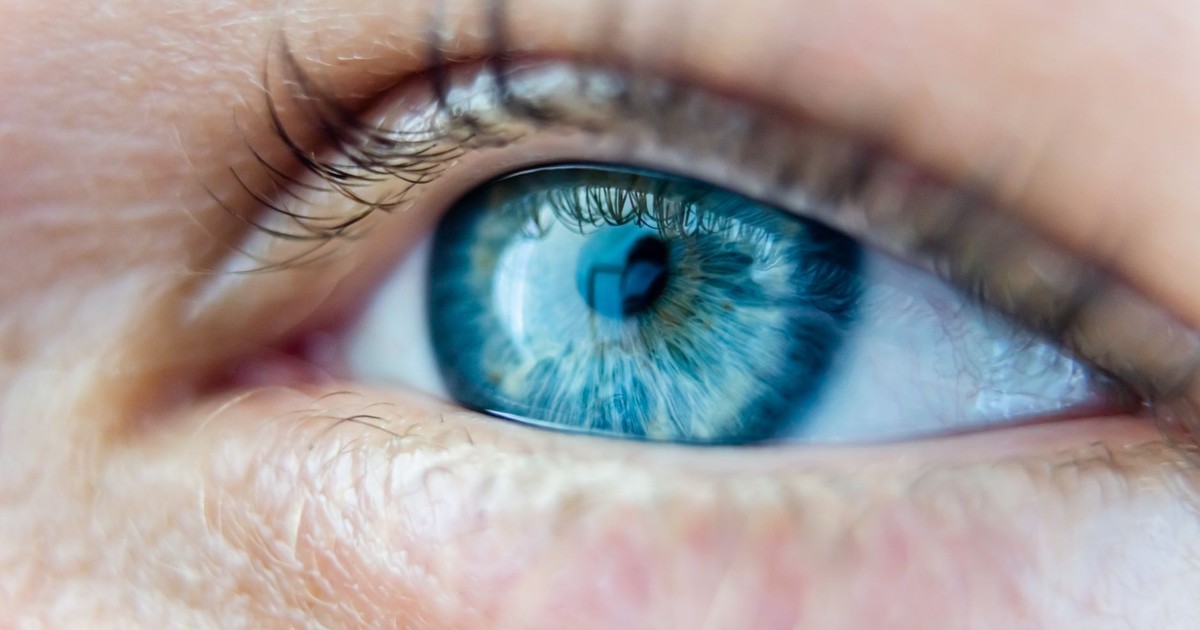
Hypertensive retinopathy is damage to the retinas from long-term high blood pressure, according to Cleveland Clinic. It has no symptoms until the advanced stages, when vision loss or complications may begin. The retina is the light-sensitive layer at the back of the eye, and its tiny blood vessels are among the first in the body to show wear from chronically elevated pressure.
Most people will only develop symptoms of hypertensive retinopathy after there has already been significant damage to the retina. Before this, it may take a doctor or ophthalmologist to identify the condition. Others report visual disturbances such as blurred vision, double vision, or sudden loss of vision. Regular eye exams can help spot these issues early, which is one reason ophthalmologists sometimes detect hypertension before a primary care doctor does – the eyes provide a direct window into what’s happening in your blood vessels.
Blood spots in the eyes, known as subconjunctival hemorrhages, can also appear when small vessels burst under pressure. According to Mayo Clinic, the main sign of a subconjunctival hemorrhage is a bright red patch on the white part of the eye, and high blood pressure is a recognized risk factor. These aren’t painful, but they’re visible as red patches on the white of the eye and are one of the more concrete physical signs associated with elevated blood pressure. If you notice new vision changes of any kind, get both your eyes and your blood pressure checked.
4. Facial Flushing

Facial flushing – a sudden redness or warmth across the cheeks and forehead – happens when blood vessels in the face dilate rapidly. A dull headache, lightheadedness, feeling flushed, and palpitations are among the non-specific symptoms that may appear with elevated blood pressure.
Flushing can be triggered by heat, alcohol, spicy food, and emotional stress, all of which can also temporarily spike blood pressure. This makes it one of the harder signs to interpret in isolation. Symptoms don’t always mean a person has chronic hypertension – they may reflect a temporary rise in blood pressure related to stress, pain, stimulants, illness, or physical exertion.
The distinction to watch for is pattern and context. Flushing that happens frequently, without obvious triggers, and alongside other signs like headaches or palpitations, is more likely to reflect something systemic. On its own, flushing is low-specificity. Combined with other indicators, it becomes part of a picture worth investigating.
5. Shortness of Breath With Mild Exertion

Mayo Clinic explains that high blood pressure forces the heart to work harder to pump blood to the rest of the body. Over time, this extra demand on the cardiovascular system can leave individuals feeling winded and short of breath during daily tasks – people may notice difficulty breathing when climbing stairs, exercising, or even getting dressed.
At the prehypertension stage, this symptom tends to be subtle – a slightly quicker breathlessness than usual during activity, rather than gasping at rest. Wheezing, gasping, or panting with little exertion may indicate underlying cardiovascular or respiratory issues, including undiagnosed hypertension.
The key distinction is change over time. If you’ve noticed you’re getting winded on a walk that didn’t bother you a year ago, that shift deserves attention. Shortness of breath during exertion can also signal heart or lung conditions unrelated to blood pressure, so a medical evaluation rather than self-diagnosis is the right response.
6. Heart Palpitations

High blood pressure can enlarge or strain the heart muscle, contributing to atrial fibrillation or other arrhythmias. This can feel like the heart fluttering, racing, or skipping beats.
Palpitations at the elevated blood pressure stage don’t necessarily mean the heart has been structurally damaged yet. Heart palpitations can increase blood pressure and cause anxiety and related symptoms to worsen, creating a feedback loop where the sensation itself triggers further cardiovascular stress. A pounding feeling in the chest, neck, or ears can also be caused by increased blood pressure, too much caffeine, or anxiety.
If palpitations are brief and clearly linked to an obvious cause (a strong coffee, a stressful meeting), they’re usually benign. Frequent, unprovoked episodes, particularly if they come with dizziness or chest discomfort, should be evaluated. A blood pressure reading during or right after an episode can be particularly informative.
7. Fatigue That Doesn’t Resolve With Rest

Uncontrolled hypertension can impair blood flow to the brain, leading to persistent tiredness, trouble concentrating, or even episodes of confusion. At the elevated blood pressure range, this is usually a low-grade, creeping fatigue rather than sudden exhaustion.
High blood pressure strains the heart, according to Mayo Clinic. Over time, this can cause the heart muscle to weaken or become stiff. The overwhelmed heart slowly starts to fail. Reduced blood flow efficiency affects how well oxygen and nutrients are delivered to tissues and muscles. When cells aren’t receiving optimal oxygen, the body may respond with feelings of exhaustion or low energy. This subtle strain can contribute to persistent fatigue that doesn’t improve with rest alone.
Dr. Luke Laffin, a preventive cardiologist at Cleveland Clinic, has noted that it’s difficult to draw a straight line between fatigue and elevated blood pressure alone, and that the fatigue often relates to another condition that simultaneously raises pressure. That nuance doesn’t make the symptom irrelevant – it makes it a signal worth investigating rather than one worth ignoring.
8. Frequent or Unexplained Nosebleeds

Frequent or severe nosebleeds without an obvious cause can signal elevated blood pressure. High pressure can cause the delicate blood vessels in the nose to burst more easily, leading to recurrent nosebleeds.
Occasional nosebleeds are usually nothing to worry about, but frequent or unexplained episodes can accompany sudden spikes in blood pressure. Though not a reliable early sign on their own, repeated nosebleeds warrant a blood pressure check.
The qualifier here is “frequent” and “unexplained.” A single nosebleed after dry winter air or a minor knock is not a blood pressure warning. Several in a short period, with no environmental or physical cause, fit a different pattern. Frequent nosebleeds, along with other symptoms like headaches, vision problems, or fatigue, may indicate that high blood pressure is affecting the body’s blood vessels.
9. A Pounding Sensation in the Ears or Neck

Tinnitus – recurring ringing, buzzing, or roaring in one or both ears – is one of the subtler signs associated with elevated blood pressure. Less well-known is a pulsatile variant: a rhythmic pounding or whooshing sound that pulses in time with the heartbeat. This type, called pulsatile tinnitus, can reflect increased pressure in the blood vessels near the ear.
A pounding or pulsing in the ears, neck, or chest can also occur with exercise, but increased blood pressure, too much caffeine, and anxiety can all cause that sensation at rest. When it shows up without those clear triggers, at rest or during ordinary daily activity, it’s the type of symptom that benefits from a blood pressure reading alongside an ENT evaluation.
This sign gets overlooked frequently because people attribute it to stress or tiredness. If you’ve been hearing a rhythmic, pulse-timed sound in your ears and haven’t had a blood pressure check recently, that’s a practical and low-effort next step.
Read More: These Are The Most Up-to-date Blood Pressure Guidelines. Are They Right for Everyone?
What to Do Now
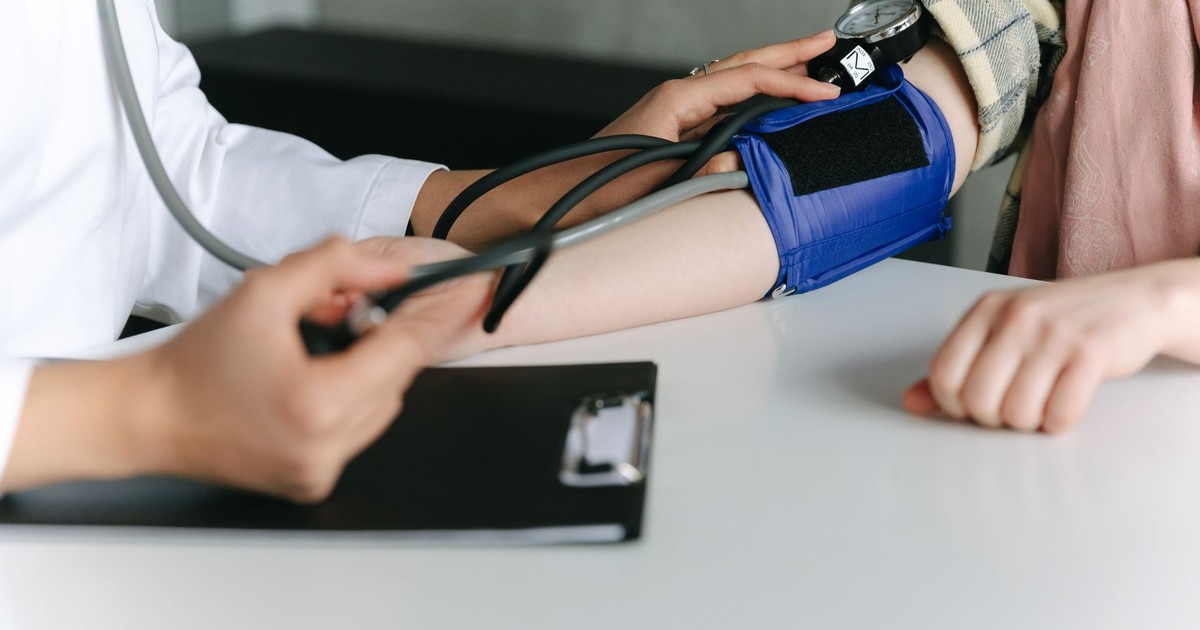
Even if you feel fine, consistently elevated blood pressure still increases your risk of heart disease, stroke, and other serious health conditions. None of the signs above is definitive on its own – the body produces these symptoms for many reasons. Getting a reading removes the guesswork. A $30 home monitor or a free check at a pharmacy takes minutes.
Some people with elevated blood pressure get headaches, feel dizzy, or get very tired, but these symptoms are more prominent when blood pressure gets significantly elevated – meaning most people in the prehypertension range will feel nothing at all. If your readings are consistently above 120/80 mm Hg, scheduling an appointment with a healthcare provider is the recommended step. The 2017 ACC/AHA guidelines set Stage 1 hypertension at 130/80 mm Hg or higher, with the earlier threshold of 140/90 mm Hg now classified as Stage 2 – so the window between normal and that first threshold is exactly where prehypertension signs matter most.
High blood pressure can cause fatigue through heart strain, reduced oxygen delivery, kidney damage, and sleep disruption – and those downstream effects are entirely preventable with early action. If any of the signs above sound familiar, a blood pressure reading today rather than eventually is the single most useful thing you can do with that information. If lifestyle changes are needed, research on managing cardiovascular risk factors makes clear that even modest reductions in pressure produce meaningful results.
Disclaimer: This information is not intended to be a substitute for professional medical advice, diagnosis, or treatment and is for information only. Always seek the advice of your physician or another qualified health provider with any questions about your medical condition and/or current medication. Do not disregard professional medical advice or delay seeking advice or treatment because of something you have read here.
AI Disclaimer: This article was created with the assistance of AI tools and reviewed by a human editor.
Read More: A New Way to Treat High Blood Pressure Could Be Hiding in a Tiny Organ in Your Neck