

Prostate cancer sits quietly at the back of most men’s minds – something to worry about later, maybe when they’re older. The problem with that thinking is that “later” is exactly when it’s harder to treat. This is a cancer that rarely sends obvious warning signals in its early stages, and yet it’s one of the most common cancers men face. That combination of prevalence and silence is exactly what makes it so important to know what you’re looking for.
The prostate itself is a small, walnut-shaped gland that sits just below the bladder. It produces fluid that nourishes and transports sperm. Because of where it sits, a growing tumor – or even a swollen but non-cancerous prostate – can press on surrounding structures and interfere with urination long before anything more alarming shows up. That’s why so many of the first clues involve bathroom habits rather than pain.
What follows isn’t meant to alarm you. Most of these symptoms have other, far more common explanations. But knowing what to watch for, understanding which symptoms are more serious than others, and knowing when to ask a doctor for a test can genuinely make a difference. Here’s what you should actually be checking for.
1. No Symptoms at All – and Why That’s the Problem

This is the most important item on this list, even though it doesn’t feel like one. Early prostate cancer usually causes no symptoms. The occasional urinary problems that can appear are not common at all in early disease. In fact, most men who are diagnosed with prostate cancer, including many with advanced forms of the disease, do not present with symptoms.
This is why prostate cancer is often found through routine screening rather than because a man noticed something wrong. Most prostate cancers are found early, through screening, before there’s a chance for noticeable problems. The troubling flip side is that men who skip screening may not have any obvious reason to go to the doctor until the cancer has grown significantly.
Like most other cancers, prostate cancer is usually more easily treated when it is detected at an early stage. That’s not a reason to panic – it’s a reason to stay on top of recommended screening conversations with your doctor, especially as you get older. Don’t wait for your body to tell you something is wrong. With this particular cancer, it often won’t.
2. Difficulty Starting to Urinate

The urethra, the tube you urinate from, runs directly through the prostate. As prostate cancer grows, it can cause that tube to narrow, making it harder for the bladder to pass urine through it. The result is that familiar frustrating pause at the beginning of urination, where you’re ready but nothing happens.
Lower urinary tract symptoms, including difficulty starting or stopping a stream, can develop when a tumor grows large enough to physically obstruct the urethra. But before you assume the worst, know this: this symptom is far more commonly caused by benign prostatic hyperplasia (BPH), which is a non-cancerous enlargement of the prostate that affects most men as they age. Prostate cancer rarely causes urinary symptoms such as difficulty passing urine. These symptoms are much more likely to be caused by a non-cancerous enlargement of the prostate than by cancer.
That distinction matters, but it doesn’t mean you should dismiss the symptom. Whether the cause is cancer or BPH, both deserve medical evaluation. The only way to know is to get checked. According to the CDC’s prostate cancer screening page, elevated PSA levels and urinary changes should both be discussed with a doctor as part of informed screening decisions.
3. Weak or Interrupted Urine Flow

Closely related to difficulty starting urination is a stream that feels weak, reduced, or stops and starts mid-flow. A weakening urine stream or one that stops and starts can indicate possible prostate changes – and while this symptom might seem minor, it can signal serious underlying issues that require medical evaluation.
The diseased prostate can push up against the bladder, reducing its capacity to hold fluid and disrupting normal urinary flow. Again, this is one of those symptoms where the more common culprit is BPH. But it’s also one that men tend to normalize as “just getting older,” which delays evaluation. As men grow older, it is common to have urinary symptoms. A slower urine stream and more trips to pass urine can come with prostate growth – but urinary symptoms may also be a sign that prostate cancer is growing.
The practical takeaway: a persistently weak stream, or one that has noticeably changed over recent months, is worth mentioning to your doctor. Don’t assume it’s just age.
4. Frequent Urination, Especially at Night

Waking up once or twice to use the bathroom in your 50s and 60s isn’t unusual. But if you’re up three or four times a night, or if the urge to urinate is becoming more frequent during the day too, that pattern is worth paying attention to. Men in their 60s and older may experience two or more nighttime trips to the bathroom, but any noticeable increase in frequency – especially if it disrupts daily activities or sleep – may indicate an underlying issue.
An enlarged prostate pressing against the urethra often leads to increased nighttime urination. Many men dismiss this as normal aging, but frequent disruption of sleep for bathroom visits deserves medical attention. The medical term for this specific pattern of waking repeatedly to urinate is nocturia, and while it has many possible causes, it’s one of the recognized urinary symptoms associated with prostate changes.
If you’re also experiencing urgency – a sudden, pressing need to go with little warning – that’s worth flagging. The combination of urgency and frequency, especially if it’s a change from your normal, is a signal to bring up with your physician. Eating a diet rich in certain plant-based foods may also support prostate health more broadly, but no dietary change replaces a conversation with your doctor about these symptoms.
5. Blood in the Urine or Semen
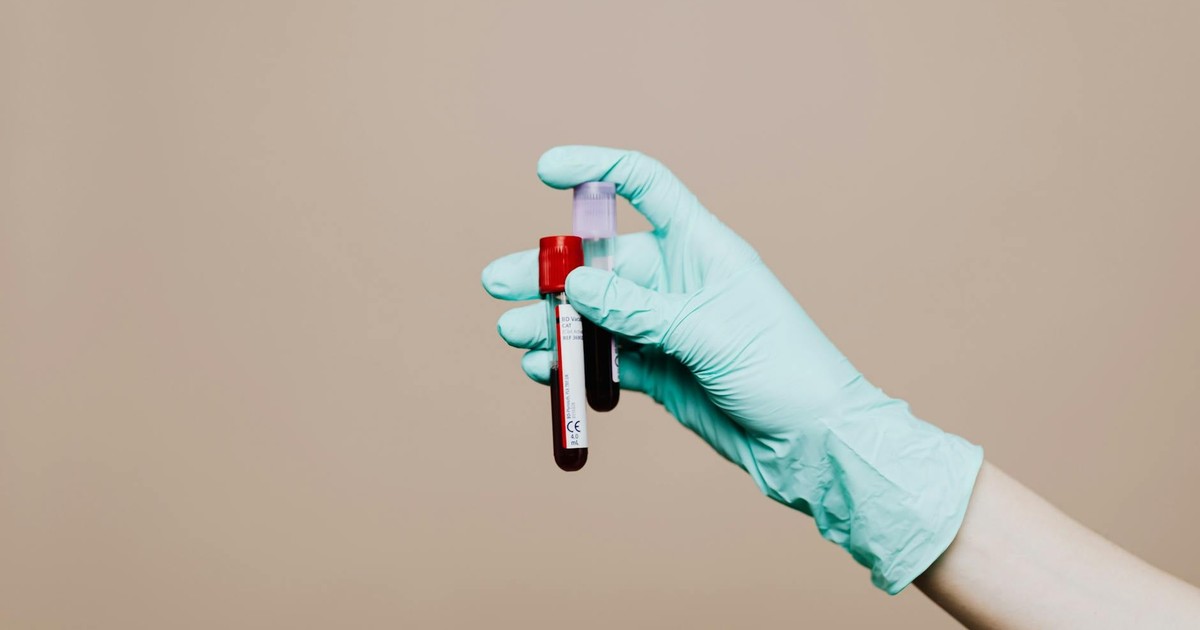
This one tends to be more alarming when it appears, and rightly so. If your urine appears pink or red, you should see a doctor promptly. Even if there is no pain, or it only happens once, getting evaluated when you have blood in your urine is a non-negotiable step.
According to a government health resource from the National Institutes of Health, blood in the urine or semen can, in rare cases, be a sign of prostate cancer. The key word is “rare.” Blood in urine has many possible causes, including urinary tract infections, kidney stones, and prostatitis (inflammation of the prostate). But it’s also one symptom where the consequences of not checking are serious enough that you should always get it investigated, regardless of the suspected cause.
Blood in semen, which is called hematospermia, is similarly worth reporting even if it’s not painful and even if it happens only once. Local progression of prostate cancer may cause symptoms including blood in the urine or semen, in addition to urinary changes. Your doctor can quickly assess whether further investigation is needed.
6. Pain or Burning During Urination or Ejaculation

A burning sensation during urination more often points to a urinary tract infection or prostatitis than to prostate cancer. Prostatitis is inflammation of the prostate and the areas around it – a frequently painful condition that is distinct from cancer but still requires proper medical management. A burning sensation while urinating is more likely to indicate a bladder problem rather than the prostate itself. That said, pain during ejaculation is a less commonly discussed symptom that also deserves attention.
A painful or burning sensation during urination or ejaculation is among the possible early signs associated with prostate cancer. Even when the cause turns out to be a benign condition, pain or burning in these contexts should always be evaluated by a doctor rather than simply waited out. Kidney stones and prostatitis can both cause painful or difficult urination, so a proper evaluation is needed to distinguish between conditions.
The practical takeaway here is not to assume that a non-cancerous explanation means no treatment is needed. Prostatitis, for instance, requires its own management, and untreated infections can become serious. Get the evaluation regardless of what you think the cause might be.
7. Bone Pain or Persistent Back and Hip Pain

This symptom marks a significant shift in how prostate cancer behaves. Unlike the urinary symptoms that can appear earlier, persistent bone pain is more commonly associated with cancer that has spread beyond the prostate gland. When bone pain occurs, it is typically in the lower back, hips, or pelvis and may feel like a deep, dull ache that does not go away with rest. This type of pain usually indicates the cancer has spread to the bones.
If cancer has spread beyond the prostate gland, men may experience swelling in the lower body, back, hip or bone pain, abnormal bowel or urinary habits, or unexplained weight loss. Back pain is, of course, one of the most common complaints among men over 40 and is almost always caused by something musculoskeletal. But back or hip pain that is persistent, doesn’t improve with rest or standard treatment, and has no clear mechanical explanation should trigger a conversation with your doctor – particularly if you have other prostate cancer symptoms or known risk factors.
Bone metastases may also cause spinal cord compression, which in its more serious form can lead to weakness or numbness in the legs. That level of progression is relatively rare but underscores why catching this cancer earlier matters so much.
8. Who Is Most at Risk – and Why It Changes What You Should Do

Understanding your personal risk level should shape how proactively you pursue screening, even in the absence of any symptoms. Age is one of the key risk factors for prostate cancer, with the likelihood increasing in men over 65. The CDC notes that age is the single most common risk factor for the disease, and that the conversation about screening should begin well before symptoms appear.
Race also plays a significant role. African American men face a meaningfully higher risk, both of developing prostate cancer and of dying from it. Family history matters equally. Having a father or brother who developed prostate cancer places men at substantially elevated risk and warrants earlier screening conversations with a doctor.
Prostate cancer symptoms usually occur late in the natural history of the disease, meaning localized prostate cancer is typically asymptomatic. This is precisely why men in higher-risk groups shouldn’t wait for symptoms. The US Preventive Services Task Force recommends that men between 55 and 69 years old make individual decisions about PSA screening in consultation with their doctor. If you’re in a high-risk group, that conversation should start earlier.
Read More: 9 Foods That May Help to Reduce Prostate Cancer Risk
What to Do Now

The signs of prostate cancer are shared by many other, less serious conditions. Experiencing one or more of these symptoms does not necessarily mean you have prostate cancer. Equally, a man who is diagnosed with prostate cancer may not have had any of these symptoms at all. That’s the dual challenge of this cancer: the symptoms aren’t unique to it, and it can exist without producing any symptoms whatsoever.
The most useful thing you can do is understand your own risk, have an honest conversation with your doctor about screening, and take any new or changing urinary symptoms seriously rather than attributing them automatically to aging. According to the NCI’s PSA fact sheet, the PSA test (prostate-specific antigen test) measures a protein produced by both normal and cancerous prostate cells. Elevated PSA levels may indicate prostate cancer, but they can also be caused by BPH, prostatitis, recent ejaculation, vigorous exercise, or certain medications. A high PSA result is not a diagnosis, but it is a starting point for further investigation.
The PSA blood test can detect prostate cancer before symptoms develop, and combined with a digital rectal exam, screening can identify cancer at an early, highly treatable stage. Early detection genuinely saves lives here. Most professional medical organizations now recommend that individuals considering PSA screening first discuss the risks and benefits with their doctor before making a decision – not because screening isn’t valuable, but because the right approach depends on your individual risk profile. Know where you stand. Talk to your doctor. And don’t leave this particular conversation for later.
Disclaimer: The author is not a licensed medical professional. The information provided is for general informational and educational purposes only and is based on research from publicly available, reputable sources. It is not intended to constitute, and should not be relied upon as, medical advice, diagnosis, or treatment. Always consult a licensed physician or other qualified healthcare provider regarding any medical condition, symptoms, or medications. Do not disregard, avoid, or delay seeking professional medical advice or treatment because of information contained herein.
AI Disclaimer: This article was created with the assistance of AI tools and reviewed by a human editor.
Read More: 12 Ways to Support Mental Health When Facing Prostate Cancer