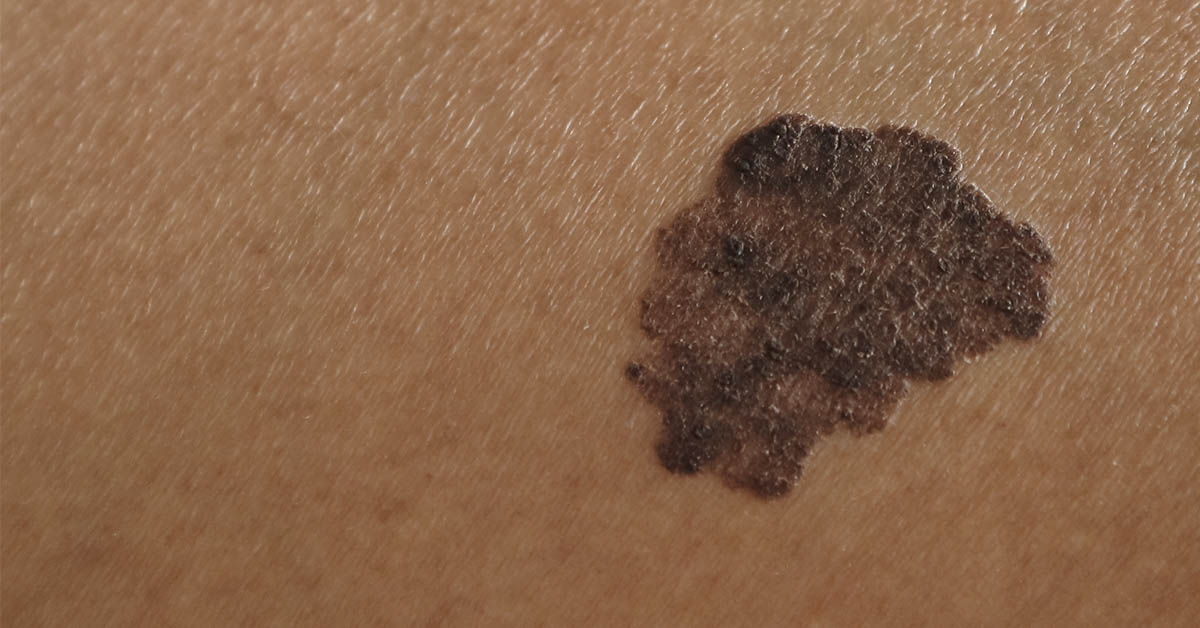

Enjoy the summer sun but take precautions first. Skin cancer is the sort of condition that people subconsciously dismiss. After all, it won’t happen to them – until it does. Sun exposure can noticeably affect the skin; it creates tans, burns, and freckles on the regular. It can also lead to skin cancer, the most common being basal cell carcinoma, squamous cell carcinoma, and melanoma. But don’t forget to be on guard for rare forms of skin cancer that could appear in strange places such as the scalp, under fingernails, and on eyelids.
Acral melanoma
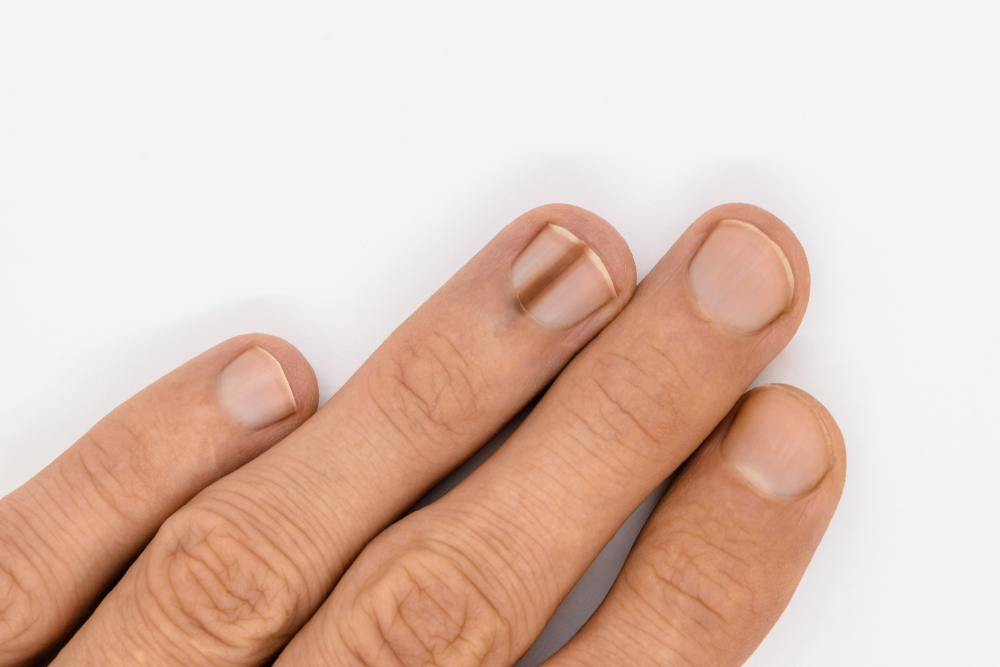
Acral lentiginous melanoma is not directly linked to ultraviolet (UV) light exposure. This rare form of skin cancer only occurs on the palms of the hands, the soles of the feet, or under the nails. When it appears on the feet or hands, it looks like an uneven dark spot that grows over time. When it’s under the nail, it looks like a strip of color from the cuticle to the tip. “Often, people with acral lentiginous melanoma don’t come see us until something starts bleeding or it becomes uncomfortable when they walk,” said dermatologist Kelly Nelson, M.D. to MD Anderson Cancer Center. “And I can’t tell you the number of times I’ve heard patients say, ‘I thought it was just a bruise,’ or a blood blister or a wart.”
Ocular melanoma
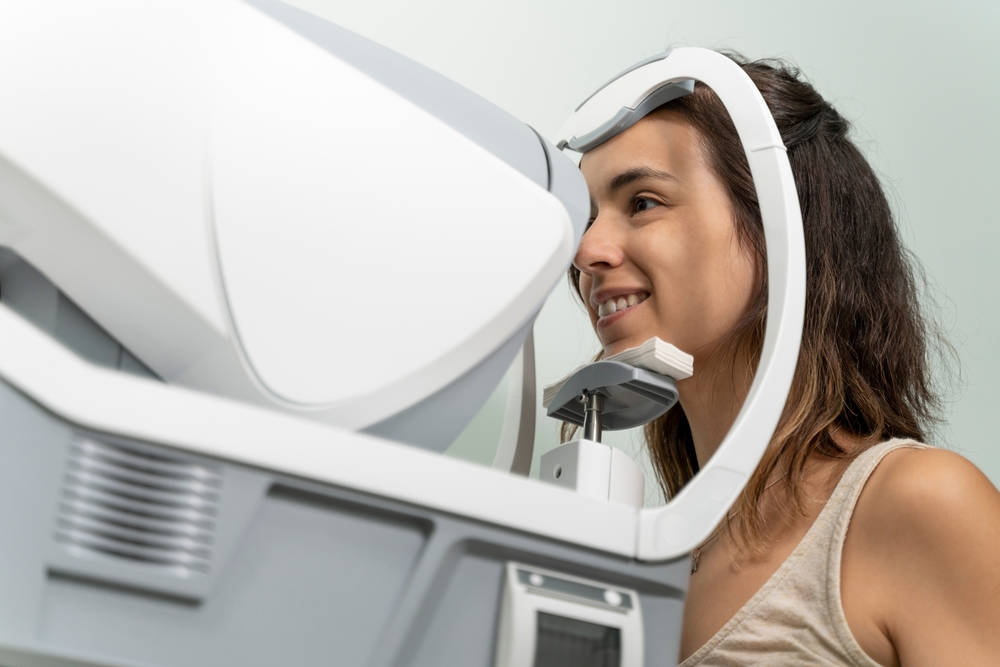
Ocular melanoma is a rare type of cancer that develops in the eyes or inside the eyelids. This condition can be hard to detect because it typically occurs in the parts of the eye you can’t see in a mirror. Plus, there are usually no early warning signs, but when symptoms do occur, they come in the form of: a dark spot on the iris or conjunctiva, blind spots, blurred vision, change in pupil shape, and the sense of flashing lights. Scientists are unsure of what causes ocular melanoma but people with growths like moles around or on the eye are at a higher risk, according to American Academy of Ophthalmology.
Sebaceous gland cancer

This is a very rare type of cancer that starts in the sebaceous glands, which produce natural skin oils. Although there are sebaceous glands all over the body, sebaceous gland cancer is most commonly found on the upper eyelid, says Cancer Research UK. Other common areas include the trunk of the body, the neck, the head, or the groin. It comes in the form of a firm, painless, yellowish lump, and it can spread to the lungs, liver, bones, and lymph nodes.
Merkel cell carcinoma

Despite being considered rare, Merkel cell carcinoma is the second most common cause of skin cancer death after melanoma. It originates from cancerous Merkel cells, which are usually responsible for the sensation of touch. According to the Cancer Center, people who are elderly, immunocompromised, and have high exposure to UV radiation are at a higher risk of getting it. It unfortunately has a high recurrence rate, with a review finding that 40% of patients with early or mid-stage Merkel cell carcinoma had it occur again.
Kaposi sarcoma

This rare type of cancer occurs from the cells that line blood vessels or lymphatic vessels. Its distinct lesions can appear on the skin or on mucous membranes along the digestive system. This is another form of skin cancer not caused by UV exposure. Rather, it comes from human herpes virus 8, or HHV-8. For most people, the immune system keeps the infection under control. But in people with weakened immune systems, the infection can lead to Kaposi sarcoma, according to Mayo Clinic.
Read More: 5 Key Facts About Skin Cancer Everyone Should Know
Microcystic Adnexal Carcinoma
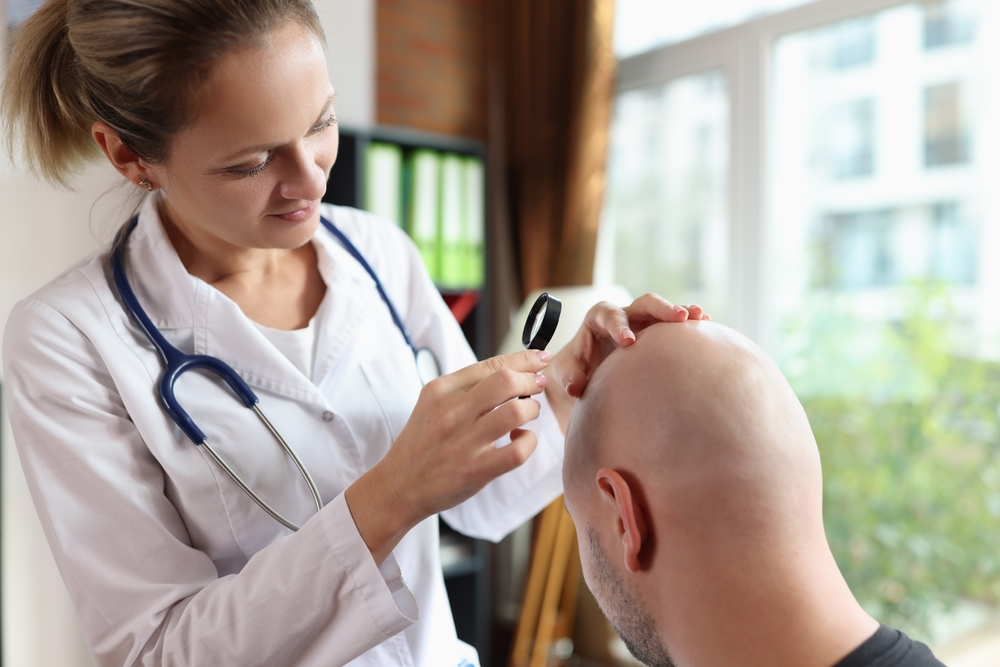
This is a rare, slow-growing malignant skin cancer that originates from sweat glands. The lesions are typically painless, firm, yellowish, or pinkish. They may look like a scar or a small bump that gradually enlarges. They tend to appear on the neck and head, especially around the center of the face. Microcystic adnexal carcinoma can spread to nerves and cause numbness, weakness, or tingling.
Dermatofibrosarcoma Protuberans (DFSP)
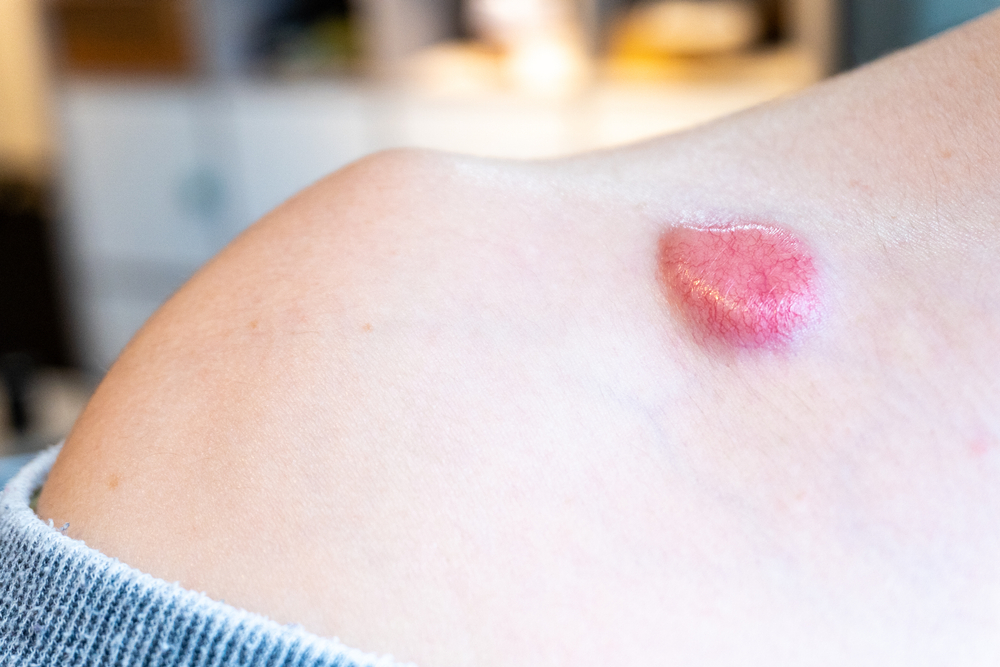
DFSP is a rare form of cancer that begins in the dermis, the middle layer of the skin. It’s a slow-growing malignant type that rarely spreads. Skin injuries increase the risk of developing DFSP, such as burns, surgical incisions, radiation therapy, and tattoos, according to Cleveland Clinic. The tumors can form on the trunk of the body, as well as the arms, legs, and inside the mouth. At first, they may look like flat and painless bruises before developing into firm lumps that enlarge, feel rubbery, turn reddish or bluish, or bleed easily.
Reduce the risk of skin cancer

Although not all forms of skin cancer come from UV exposure, protecting yourself from UV rays can greatly lower your risk from the types that do. Practice sun safety in every season, not just the summer, since UV rays can still penetrate on cloudy and cool days. To do this, wear clothing that covers your limbs, use broad spectrum sunscreen with a SPF of 15 or higher, wear a wide-brimmed hat, and stay in shade when possible. Additionally, avoid indoor tanning.
Sunburns aren’t healthy
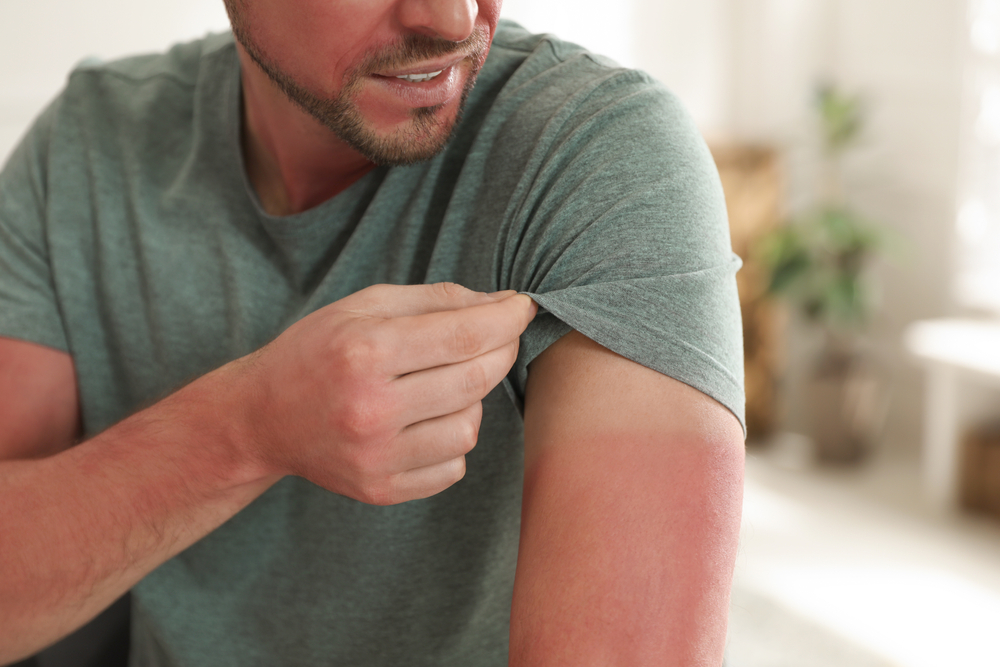
Remember, although tans are fashionable, they do not indicate good health, says the CDC. In fact, suntans and sunburns are a sign of skin damage. “Sunburn, a clear indication of overexposure to UV radiation, is a preventable risk factor for skin cancer…” says the American Association for Cancer Research. “Therefore, one of the most effective ways a person can reduce his or her risk of skin cancer is by practicing sun-safe habits and not using UV indoor tanning devices.”
Read More: Itchy Red Spots on Your Skin? Don’t Ignore This Common but Misunderstood Condition